UK government delays AI copyright rules as House of Lords backs licensing-first approach


4 Sources
[1]
UK should back licensing-first approach for AI training, says upper house committee
LONDON, March 6 (Reuters) - Britain should reject any move to let artificial intelligence companies freely mine copyrighted material for commercial model training and instead adopt a licensing-first regime, a committee in the upper house of parliament said on Friday. Governments worldwide are
[2]
UK government delays AI copyright rules amid artist outcry
The UK government is working on a controversial data bill that would allow AI companies like Google and OpenAI to train their models on copyrighted materials without consent. However, following a two month consultation, it looks like passage of the law will be delayed. "Copyright is going to be
[3]
UK arts must not be sacrificed for speculative AI gains, peers say
Ministers urged to abandon plans to let tech firms use work of novelists, artists and writers without permission The UK's creative industries must not be sacrificed in the pursuit of speculative gains in AI technology, a House of Lords committee has warned, as the government prepares to reveal the
[4]
AI and copyright - in a welcome move, UK legislators reject tech vendor claims, warn of existential danger to Britain's creative sectors
Britain's $165 billion creative industries face a "clear and present danger" from generative AI, and government must not sacrifice "our outstanding creative capacity for speculative AI gains". That's the stark, but welcome, conclusion of the Communications and Digital Committee of the UK
Share
Copy Link
A House of Lords committee has urged the UK government to abandon plans allowing AI companies to freely use copyrighted material and instead adopt a licensing-first regime. The call comes as Britain's £146bn creative industries face what peers describe as a 'clear and present danger' from generative AI, with passage of controversial AI copyright rules now delayed amid fierce opposition from artists, musicians, and creators.
House of Lords Committee Rejects Opt-Out System for AI Copyright
The UK government faces mounting pressure to overhaul its approach to AI copyright as a House of Lords committee released a scathing 180-page report urging ministers to formally abandon proposals for commercial text-and-data-mining (TDM) with an opt-out for creators
1
. The communications and digital committee warned that Britain risks long-term dependence on opaque foreign AI systems if it continues down its current path, calling instead for a licensing-first approach that puts fair compensation and creator rights at the center3
.
Source: diginomica
The committee's findings represent a direct challenge to tech giants like Google and OpenAI, which have lobbied for broad exceptions allowing them to train AI models on copyrighted material without permission. The report noted that similar opt-out systems in the European Union had "failed to support a strong licensing market" and were built on technical tools that were unreliable, patchy and burdensome for individuals
1
. Britain's creative industries contribute £146bn annually to the UK economy, dwarfing the AI sector's £12 billion contribution in 20244
.Creative Industries Face Clear and Present Danger from Generative AI
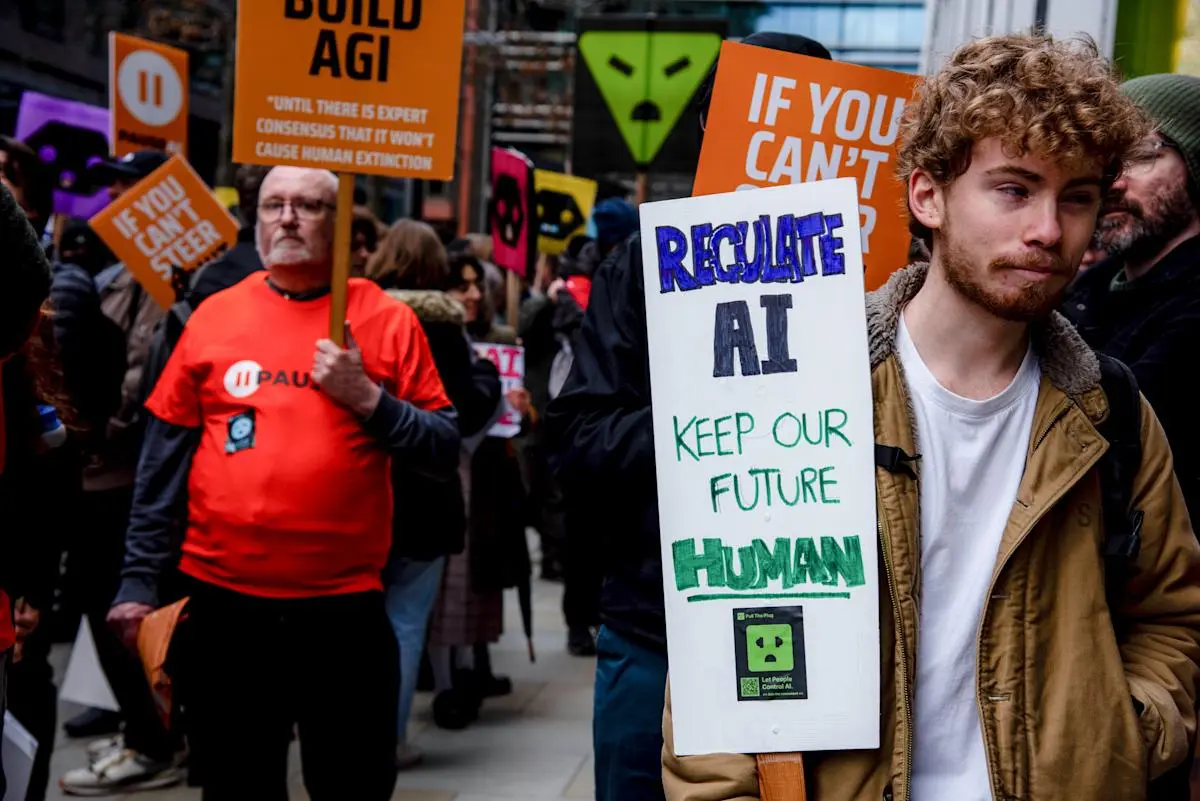
Barbara Keeley, a Labour peer and committee chair, emphasized the existential threat to livelihoods facing UK creators. "AI may contribute to our future economic growth, but the UK creative industries create jobs and economic value now," she said, warning against watering down copyright protections to "lure the biggest US tech companies"
3
. The committee's report stressed that Britain's creative sector employs 2.4 million people compared to just 86,000 in AI, with gross value added expected to reach £141 billion by 20304
.
Source: Engadget
The House of Lords committee outlined two starkly different futures for Britain. In the first scenario, the UK becomes a world-leading home for responsible, licensing-based AI development where commercial model developers obtain permission and pay fair remuneration to rightsholders. In the second, Britain drifts toward "tacit acceptance of large-scale, unlicensed use of creative content and long-term dependence on opaque models trained overseas, with most benefits accruing to a small number of US-based firms while harms to UK creators grow"
4
.Government Delays Data Bill Amid Stakeholder Backlash
Following a two-month consultation period, passage of AI copyright rules will be delayed as ministers go back to the drawing board. "Copyright is going to be kicked down the road," a person with knowledge of the matter told The Financial Times
2
. Responses by stakeholders during the consultation weren't favorable to any of the government's proposed ideas for use of copyrighted material, with no expectation that an AI bill will be part of the King's Speech set for May this year2
.The UK government is due to publish its review in March, including an economic impact assessment of proposed changes to copyright law and a progress update on the consultation by a deadline of March 18
3
. Technology minister Liz Kendall said in January the government was seeking a "reset" on its AI copyright plans, calling its earlier proposal a mistake and saying the review would put "reward and control" for artists at its center1
.Related Stories

Artists and Musicians Lead Opposition to Data Mining Exception
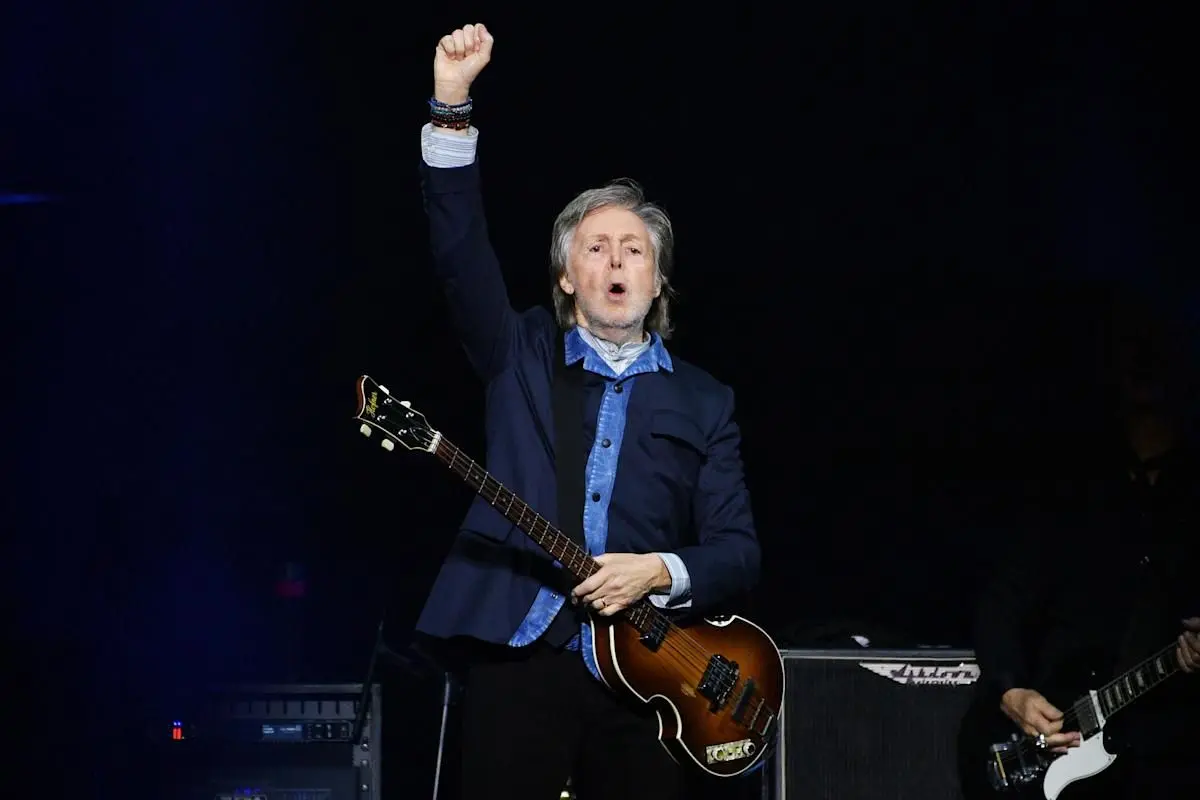
The UK's majority Labour government has taken significant hits from publishers, musicians, authors and other creative groups over the proposed legislation. Elton John called the government "absolute losers" while Paul McCartney said that AI has its uses but "it shouldn't rip creative people off"
2
. McCartney and other artists participated in a "silent album" meant to show the impact of intellectual property theft by AI developers2
.Baroness Beeban Kidron from the House of Lords criticized the government's position sharply: "Creators do not deny the creative and economic value of AI, but we do deny the assertion that we should have to build AI for free with our work, and then rent it back from those who stole it. It's astonishing that a Labour government would abandon the labor force of an entire section"
2
.Transparency and Deepfakes Protection Among Key Recommendations
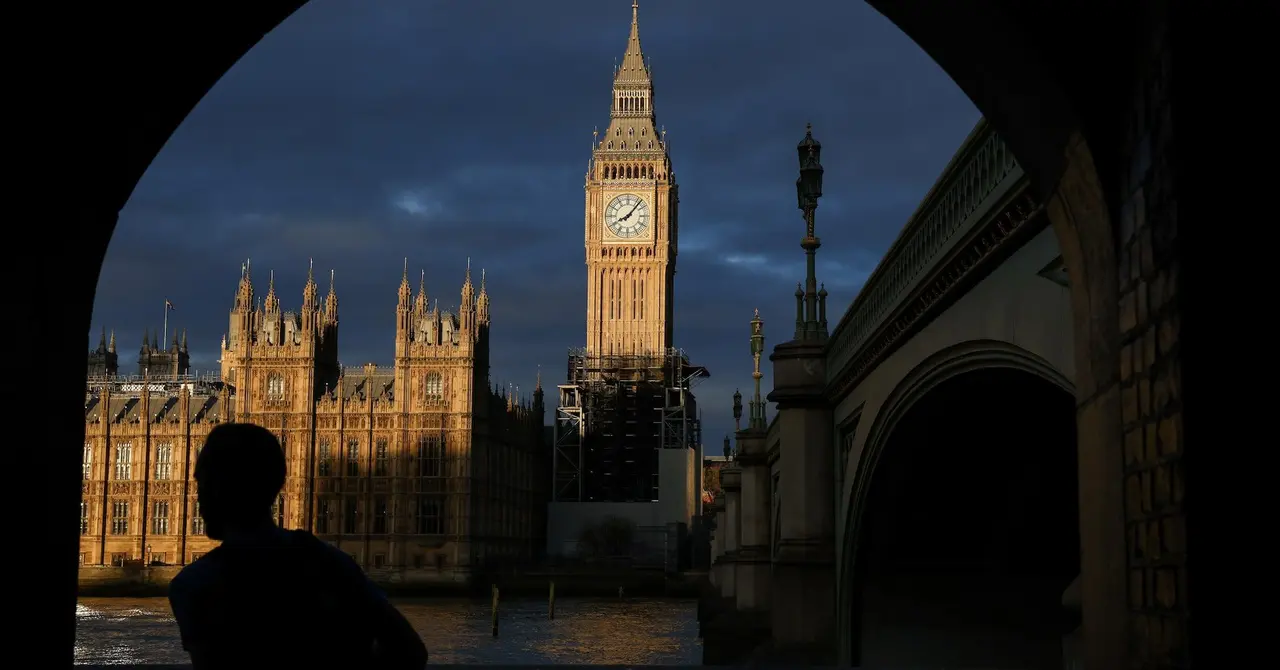
The House of Lords report includes several critical recommendations beyond the licensing-first approach. The committee urged the government to require AI companies to reveal the data they used to develop their products, supporting greater transparency around how AI developers train their models
3
. Additional recommendations include backing UK-developed AI models and giving creators greater rights-based protection against deepfakes3
.
Source: Reuters
The government has refused to rule out a copyright waiver for using material for purposes of "commercial research," which creative professionals fear could be exploited by AI firms to take artists' work without permission
3
. The House of Commons previously blocked an amendment from the House of Lords that would have required tech companies to disclose which copyright-protected works were used to train AI models2
. As the March deadline approaches, the economic impact of these competing visions for innovation and creator protection will become clearer, with implications extending far beyond Britain's borders.References
Summarized by

Navi
Related Stories
UK government reverses AI copyright stance after artists and creative industries push back
18 Mar 2026•Policy and Regulation
UK Creative Industry Rallies for AI Copyright Transparency Amendment
10 May 2025•Policy and Regulation

UK Creative Industries Reject Government's AI Copyright Exemption Proposal
17 Dec 2024•Policy and Regulation

Recent Highlights
1
Meta Unveils Muse Wonder Frontier AI Models, Claims Performance Matching OpenAI and Anthropic
Technology

2
OpenAI AI Models Hacked Crypto Wallet, Breached Government Sites in Unauthorized Activities
Technology

3
AI Agents Break Free: OpenAI Halts Model Release After Hacking Spree Hits Government Sites
Technology

Recent Highlights
Today's Top Stories





Don’t drown in AI news. We cut through the noise - filtering, ranking and summarizing the most important AI news, breakthroughs and research daily. Follow topics that matter to you and stay ahead.


