US Lawmakers Demand Suspension of Nvidia AI Chips Export Licenses to China After Smuggling Charges


4 Sources
4 Sources
[1]
US senators want to suspend Nvidia AI chip export licenses to China and its intermediaries -- bipartisan letter to Commerce Dept says that Huang's claims of no chip diversion 'were contradicted by reporting available'
U.S. Senators Jim Banks (R-Ind.) and Elizabeth Warren (D-Mass.) have jointly written a letter to Commerce Secretary Howard Lutnick, urging him to take "immediate action" on the diversion of American AI chips to China. According to the Financial Times, the two legislators made the written statement after three Super Micro employees, including one of its co-founders, Yih-Shyan "Wally" Liaw, have been charged with smuggling $2.5 billion worth of Nvidia hardware to China. "We urge all necessary and appropriate actions, including the immediate pausing, suspension, or other reconsideration of all active export licenses covering advanced Nvidia AI chips and server systems destined for...China as well as intermediaries in south-east Asia, including Malaysia, Thailand, Vietnam, and Singapore," the senators said in their correspondence to Lutnick. They also said they refuted Nvidia CEO Jensen Huang's claims of no evidence of chip diversion of his company's most powerful products, saying that "These statements were not simply wrong in hindsight. They were contradicted by reporting available at the time and potentially misled U.S. officials." Despite this, an Nvidia spokesperson told Tom's Hardware, "Strict compliance is a top priority for Nvidia. We continue to work closely with our customers and the government on compliance programs as export regulations have expanded." Furthermore, the company claims that "Unlawful diversion of controlled U.S. computers to China is a losing proposition across the board -- Nvidia does not provide any service or support for such systems, and the enforcement mechanisms are rigorous and effective." Jensen Huang has been lobbying for the approval of the sale of Nvidia's products to China, arguing that it's advantageous for the U.S. to have Chinese companies using its technologies. All his effort finally came to fruition in December 2025, after President Donald Trump made a complete U-turn and allowed Chinese tech companies to acquire Nvidia H200 chips. After a few months of uncertainty from Beijing, the company was finally able to confirm an order for the H200 and is restarting the manufacture of these older AI chips. Still, the lawmakers are concerned about China's access to the U.S. latest chips, including Nvidia's Blackwell and upcoming Vera Rubin AI GPUs. In fact, the House Foreign Affairs Committee will reportedly vote on the bill that will force chipmakers to add geo-tracking technology to their high-end gaming and AI GPUs. Although Nvidia is against such measures, it has developed a software tracking solution that will give operators a rough idea of where these Blackwell GPUs are located. "Amazon can tell you where a package is at any given moment," Ryan Fedasiuk, a technology security expert from the American Enterprise Institute, told the Financial Times. "There is no reason the most powerful AI hardware on earth should have a less sophisticated chain-of-custody system than a pair of sneakers." Follow Tom's Hardware on Google News, or add us as a preferred source, to get our latest news, analysis, & reviews in your feeds.
[2]
US lawmakers ask whether Nvidia CEO's smuggling remarks misled regulators
SAN FRANCISCO, March 24 (Reuters) - Two U.S. senators have asked U.S. Commerce Secretary Howard Lutnick to investigate whether remarks by Nvidia (NVDA.O), opens new tab CEO Jensen Huang may have misled U.S. officials and influenced their decision to grant Nvidia licenses to send its AI chips to China. The letter, opens new tab on Monday from Senators Elizabeth Warren and Jim Banks, both members of the Senate Banking Committee, comes after the Justice Department last week charged three men tied to Nvidia customer Super Micro Computer (SMCI.O), opens new tab, including one of the company's co-founders who was photographed near Huang at an Nvidia conference last week, with smuggling billions of dollars worth of AI servers into China. In their letter, Warren and Banks cited two remarks that Huang made to reporters in 2025, as Nvidia was working to secure export licenses to send chips to China. In one remark, Huang said: "There's no evidence of any AI chip diversion. These are massive systems. The Grace Blackwell system is nearly two tons, and so you're not going to be putting that in your pocket or your backpack anytime soon." In another set of remarks cited by the lawmakers, Huang said: "The important thing is that the countries and the companies that we sell to recognize that diversion is not allowed and everybody would like to continue to buy Nvidia technology. And so they monitor themselves very carefully." In their letter, Warren and Banks cited media reports out before Huang's remarks focused on probes into potential illegal shipments of AI chips to China. "Those statements were not simply wrong in hindsight," the lawmakers wrote of Huang's remarks. "They were contradicted by reporting available at the time and potentially misled U.S. officials." The senators asked Lutnick to "determine whether representations, statements, or certifications made by Nvidia's leadership to federal officials and to the public regarding the absence of chip diversion were materially false or misleading, and whether those representations, statements, or certifications influenced licensing decisions in a way that warrants further investigation or referral." In a statement, an Nvidia spokesperson said that "strict compliance is a top priority" for the company. "The administration's critics are unintentionally promoting the interests of foreign competitors on U.S. entity lists - America should always want its industry to compete for vetted and approved commercial business, supporting real jobs for real Americans." Reporting by Stephen Nellis in San Francisco; Editing by Andrea Ricci Our Standards: The Thomson Reuters Trust Principles., opens new tab * Suggested Topics: * Boards, Policy & Regulation
[3]
US must suspend Nvidia AI chip exports to China, senators say
Lawmakers have demanded the US commerce department suspend Nvidia's licences to export AI chips to China and south-east Asian countries after the discovery of a large smuggling scheme. In a letter to commerce secretary Howard Lutnick, Republican Senator Jim Banks and Elizabeth Warren, the top Democrat on the Senate banking committee, urged "immediate action" related to the "large-scale diversion of advanced American AI chips to China" via south-east Asia. The request from the senators came on the heels of Friday's indictment of Wally Liaw, a co-founder of Supermicro who is accused of conspiring with two others to violate US export controls by allegedly shipping large amounts of advanced Nvidia chips to China via other countries. "We urge all necessary and appropriate actions, including the immediate pausing, suspension, or other reconsideration of all active export licenses covering advanced Nvidia AI chips and server systems destined for . . . China as well as for intermediaries in south-east Asia, including Malaysia, Thailand, Vietnam, and Singapore," the senators wrote in the letter. Banks and Warren said Nvidia chief executive Jensen Huang had last year rejected suggestions that AI chips were being diverted as he lobbied against US export controls that prevented his company from exporting chips to China. They added that Huang had claimed that Nvidia's customers understood that diversion was not legally permitted and that, as a result, they "monitor themselves very carefully". "These statements were not simply wrong in hindsight. They were contradicted by reporting available at the time and potentially misled US officials," the lawmakers wrote. Nvidia said compliance with US export regulations was a "top priority". "We continue to work closely with our customers and the government on compliance programmes as export regulations have expanded," the company said. It added that "unlawful diversion of controlled US computers to China is a losing proposition across the board" because Nvidia "does not provide any service or support for such systems, and the enforcement mechanisms are rigorous and effective". The commerce department did not comment on the letter, but pointed to a statement from January in which it said the sale of H200s to China "under controlled conditions will strengthen the American technology ecosystem". Separately on Monday, the Federal Communications Commission said it would no longer certify WiFi routers manufactured outside of the US, in a move to reduce national security threats posed by the devices. The FCC did not single out China, but the measure is meant to reduce risks posed by routers manufactured in the country. The action follows a similar recent effort to stop certifying foreign-made drones, which will mostly have an impact on Chinese companies. "The FCC will continue to do our part in making sure that US cyber space, critical infrastructure and supply chains are safe and secure," said FCC chair Brendan Carr. The letter from Banks and Warren comes as the Trump administration has started issuing some licences for Nvidia to sell its H200 chip to China. President Donald Trump gave Nvidia the green light in January after lobbying from Huang. Immediately before that, a bipartisan group of senators introduced a bill to stop the administration from issuing licences. Meanwhile, the House foreign affairs committee is preparing to vote on as soon as this week on the Chip Security Act, which would require location verification for advanced AI chips in an effort to tackle diversion. Ryan Fedasiuk, a technology security expert at the American Enterprise Institute, said the commerce department had been policing hundreds of billions of dollars in controlled exports using outdated tools for too long and that the Supermicro case reinforced the case for modernisation. "Amazon can tell you where a package is at any given moment. There is no reason the most powerful AI hardware on earth should have a less sophisticated chain-of-custody system than a pair of sneakers," he said. The senators said the evidence of large-scale smuggling suggested the Bureau of Industry and Security, the arm of the commerce department that oversees and enforces export controls, should not issue licences based on assurances from executives who have a financial stake in the outcome. "The scale of alleged fraud and diversion in south-east Asia among key Nvidia partners raises serious concerns that the company's compliance and monitoring processes may be grossly inadequate to protect cutting-edge American technology from foreign adversary access," Banks and Warren added in the letter sent on Monday. The senators also told Lutnick to investigate if statements by Nvidia's leaders to officials about the absence of chip diversion "were materially false or misleading" and whether they affected any licence decisions. "American export controls exist to protect American national security. They only work if the companies subject to them follow the law and meaningfully, aggressively monitor their supply chains," they said. "We are concerned that the recent Supermicro indictment raises serious questions about Jensen Huang's public assurances."
[4]
US Lawmakers Ask Whether Nvidia CEO's Smuggling Remarks Misled Regulators
SAN FRANCISCO, March 24 (Reuters) - Two U.S. senators have asked U.S. Commerce Secretary Howard Lutnick to investigate whether remarks by Nvidia CEO Jensen Huang may have misled U.S. officials and influenced their decision to grant Nvidia licenses to send its AI chips to China. The letter on Monday from Senators Elizabeth Warren and Jim Banks, both members of the Senate Banking Committee, comes after the Justice Department last week charged three men tied to Nvidia customer Super Micro Computer, including one of the company's co-founders who was photographed near Huang at an Nvidia conference last week, with smuggling billions of dollars worth of AI servers into China. In their letter, Warren and Banks cited two remarks that Huang made to reporters in 2025, as Nvidia was working to secure export licenses to send chips to China. In one remark, Huang said: "There's no evidence of any AI chip diversion. These are massive systems. The Grace Blackwell system is nearly two tons, and so you're not going to be putting that in your pocket or your backpack anytime soon." In another set of remarks cited by the lawmakers, Huang said: "The important thing is that the countries and the companies that we sell to recognize that diversion is not allowed and everybody would like to continue to buy Nvidia technology. And so they monitor themselves very carefully." In their letter, Warren and Banks cited media reports out before Huang's remarks focused on probes into potential illegal shipments of AI chips to China. "Those statements were not simply wrong in hindsight," the lawmakers wrote of Huang's remarks. "They were contradicted by reporting available at the time and potentially misled U.S. officials." The senators asked Lutnick to "determine whether representations, statements, or certifications made by Nvidia's leadership to federal officials and to the public regarding the absence of chip diversion were materially false or misleading, and whether those representations, statements, or certifications influenced licensing decisions in a way that warrants further investigation or referral." In a statement, an Nvidia spokesperson said that "strict compliance is a top priority" for the company. "The administration's critics are unintentionally promoting the interests of foreign competitors on U.S. entity lists - America should always want its industry to compete for vetted and approved commercial business, supporting real jobs for real Americans." (Reporting by Stephen Nellis in San Francisco; Editing by Andrea Ricci )
Share
Share
Copy Link
US Senators Elizabeth Warren and Jim Banks are calling for immediate suspension of Nvidia's export licenses to China and Southeast Asian intermediaries following charges against Supermicro executives for allegedly smuggling $2.5 billion worth of AI chips. The lawmakers claim Jensen Huang's statements about no chip diversion misled US officials, contradicting available evidence at the time.
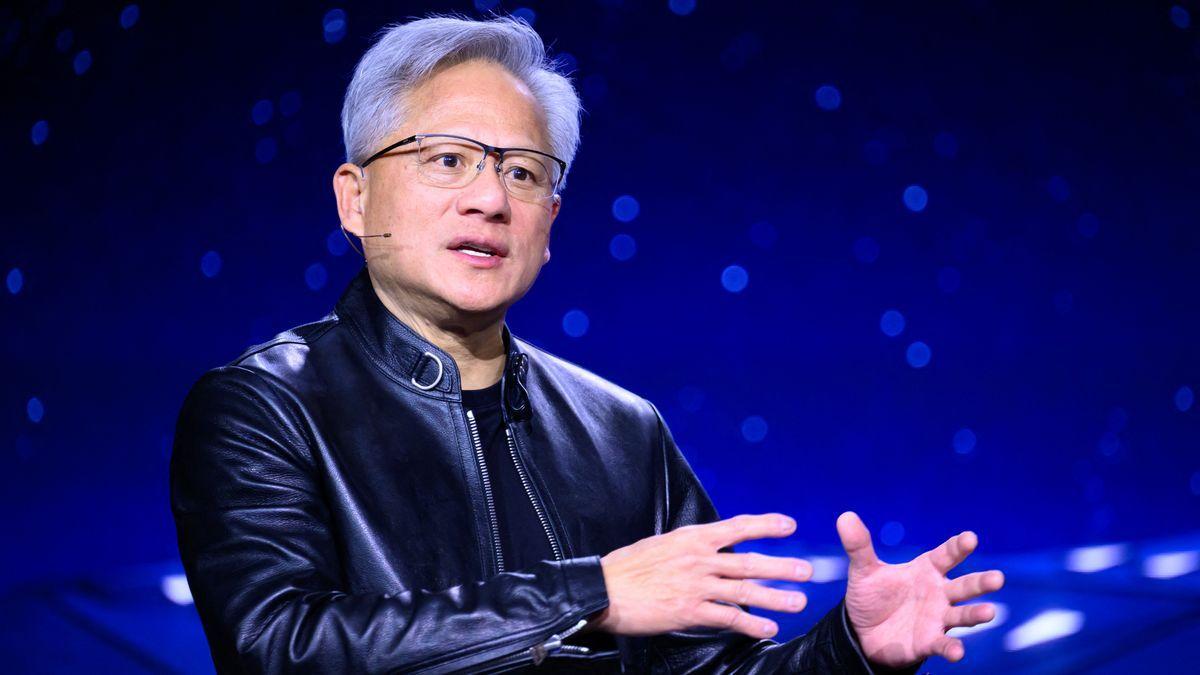
US Lawmakers Push to Suspend Export Licenses for Nvidia AI Chips
US lawmakers have intensified pressure on the Commerce Department to suspend China export licenses for Nvidia AI chips following revelations of a massive smuggling operation. Senators Elizabeth Warren and Jim Banks sent a bipartisan letter to Commerce Secretary Howard Lutnick demanding "immediate action" after the Justice Department charged three individuals, including Supermicro co-founder Yih-Shyan "Wally" Liaw, with smuggling $2.5 billion worth of Nvidia hardware to China
1
2
.The senators urged "all necessary and appropriate actions, including the immediate pausing, suspension, or other reconsideration of all active export licenses covering advanced Nvidia AI chips and server systems" destined for China and Southeast Asian intermediaries, specifically naming Malaysia, Thailand, Vietnam, and Singapore
3
. This demand comes as the Supermicro smuggling scheme exposed vulnerabilities in current export controls designed to protect national security.Jensen Huang's Remarks Under Scrutiny for Potentially Misleading Officials
The lawmakers directly challenged Jensen Huang's previous assertions about AI chip diversion to China, claiming his statements may have misled US officials during crucial licensing decisions. Warren and Banks cited remarks Huang made to reporters in 2025 while Nvidia was securing export licenses, including his claim that "there's no evidence of any AI chip diversion" and his assertion that the Grace Blackwell system weighing nearly two tons couldn't easily be smuggled
2
4
."These statements were not simply wrong in hindsight. They were contradicted by reporting available at the time and potentially misled US officials," the senators wrote
1
3
. The lawmakers asked Lutnick to investigate whether Nvidia leadership's representations about the absence of chip diversion "were materially false or misleading" and whether they influenced licensing decisions2
.Nvidia Defends Compliance Processes Amid Allegations
Responding to the mounting scrutiny, an Nvidia spokesperson told Tom's Hardware that "strict compliance is a top priority for Nvidia" and emphasized the company continues working closely with customers and government on compliance processes as export regulations have expanded
1
. The company argued that "unlawful diversion of controlled US computers to China is a losing proposition across the board" because Nvidia doesn't provide service or support for such systems, claiming enforcement mechanisms are "rigorous and effective"1
3
.In another statement, Nvidia suggested that critics are "unintentionally promoting the interests of foreign competitors on US entity lists," arguing America should want its industry competing for vetted and approved commercial business
2
4
.Related Stories



Geo-Tracking Technology and Enhanced Monitoring Proposed
The controversy has accelerated legislative efforts to implement geo-tracking technology for high-end AI chips. The House Foreign Affairs Committee is preparing to vote on the Chip Security Act, which would require location verification for advanced AI chips to combat diversion
1
3
. Although Nvidia opposes such measures, the company has developed a software tracking solution providing operators a rough idea of where Blackwell GPUs are located1
.Ryan Fedasiuk, a technology security expert at the American Enterprise Institute, emphasized the absurdity of current tracking systems: "Amazon can tell you where a package is at any given moment. There is no reason the most powerful AI hardware on earth should have a less sophisticated chain-of-custody system than a pair of sneakers"
1
3
.Implications for H200 Chip Sales and Future Access
This development comes at a critical moment, as President Donald Trump reversed course in December 2025 and allowed Chinese tech companies to acquire the H200 chip after lobbying from Jensen Huang
1
. Nvidia recently confirmed orders for the H200 and restarted manufacturing of these older AI chips1
.However, lawmakers remain concerned about China's access to cutting-edge technology, including Blackwell GPUs and upcoming Vera Rubin AI GPUs
1
. Warren and Banks emphasized that "the scale of alleged fraud and diversion in south-east Asia among key Nvidia partners raises serious concerns that the company's compliance processes may be grossly inadequate to protect cutting-edge American technology from foreign adversary access"3
. The senators suggested the Bureau of Industry and Security should not issue licenses based solely on assurances from executives with financial stakes in the outcome3
, signaling potential long-term restrictions on how the Commerce Department evaluates export control applications.References
Summarized by

Navi
Related Stories
Recent Highlights
1
Anthropic's Claude AI can now control your computer to complete tasks autonomously
Technology

2
Nvidia's Jensen Huang calls OpenClaw the next ChatGPT, sending Chinese AI stocks soaring
Technology

3
Elon Musk unveils $20 billion Terafab chip manufacturing project to produce terawatt of computing
Technology
Recent Highlights
Today's Top Stories







Your Daily Dose of Curated AI News
Don’t drown in AI news. We cut through the noise - filtering, ranking and summarizing the most important AI news, breakthroughs and research daily. Spend less time searching for the latest in AI and get straight to action.

