U.S. Government Prompts Nvidia to Investigate AI Chip Smuggling to China


5 Sources
[1]
US asks Nvidia to investigate how its chips ended up in China, The Information reports
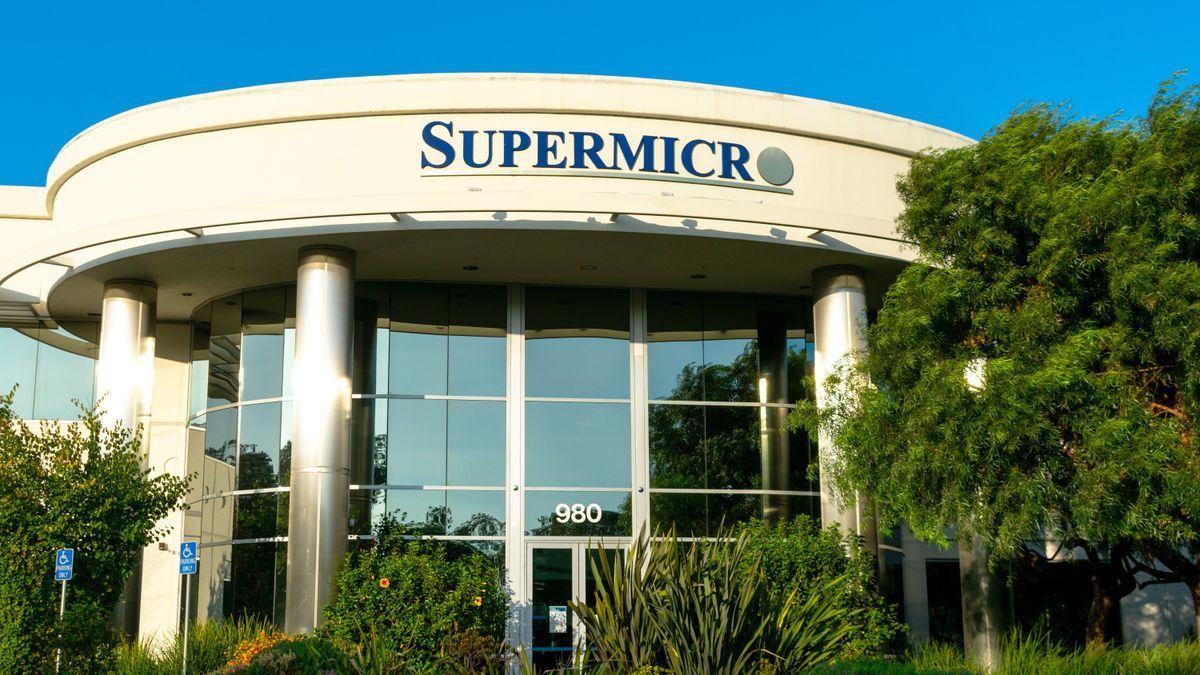
(Reuters) -The U.S. Department of Commerce has recently asked Nvidia to look into how the company's products ended up in China over the past year, The Information reported on Thursday, citing a person close to the department. The chip giant has asked big distributors such as Super Micro Computer
[2]
US prompts Nvidia probe into how chips ended up in China: reports
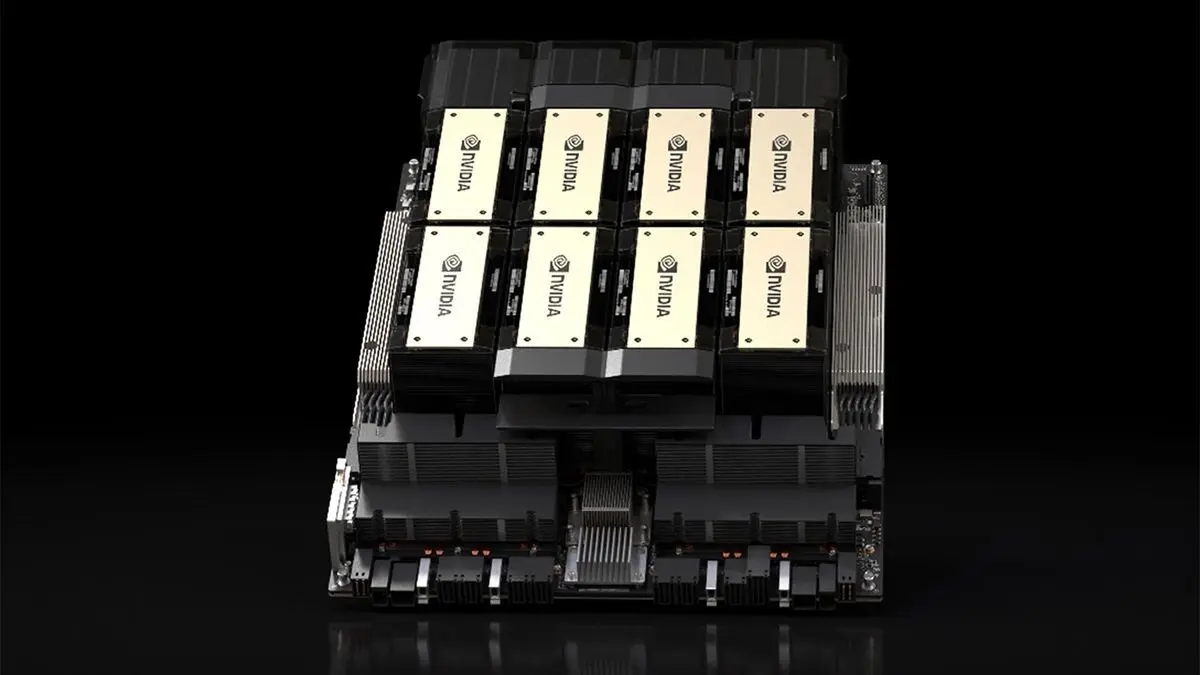
The chip giant has asked big distributors such as Super Micro Computer and Dell Technologies to conduct spot checks of their customers in Southeast Asia, the report said. Nvidia's artificial intelligence chips are embedded in server products made by Super Micro and Dell.The US Department of
[3]
Nvidia asked Supermicro and Dell how its advanced AI chips ended up in China
Nvidia has reportedly tapped its partners to look into how its advanced artificial intelligence chips are being smuggled into China. The chipmaker, which doesn't usually directly sell its chips to customers, has asked Supermicro and Dell to carry out spot checks on Southeast Asia-based customers
[4]
US government asks NVIDIA how its AI GPUs have ended up in China, skirting US sanctions
TL;DR: NVIDIA and Supermicro emphasize strict adherence to U.S. export control regulations, warning against unauthorized resale of products. They stress that any deviation from these rules could negatively impact their business. The US government has asked NVIDIA to investigate how its best AI
[5]

U.S. pressures Nvidia, SMCI to probe AI chip smuggling to China - The Information By Investing.com
Investing.com -- According to a report from The Information on Thursday, Nvidia (NASDAQ:NVDA) has turned to companies such as Super Micro Computer (NASDAQ:SMCI) in a bid to work out how its advanced artificial intelligence chips are finding their way to China in violation of U.S. export laws. The
Share
Copy Link
The U.S. Department of Commerce has asked Nvidia to investigate how its advanced AI chips are ending up in China despite export restrictions. Nvidia has turned to distributors like Super Micro Computer and Dell to conduct spot checks on customers in Southeast Asia.

U.S. Government Initiates Probe into AI Chip Smuggling
The U.S. Department of Commerce has recently requested Nvidia to investigate how its advanced artificial intelligence (AI) chips have been finding their way into China over the past year, despite stringent export controls
1
. This move underscores the ongoing tensions between the United States and China in the high-tech sector, particularly in the realm of AI and semiconductor technology.Nvidia's Response and Distributor Involvement
In response to the government's request, Nvidia has turned to its major distributors, including Super Micro Computer (Supermicro) and Dell Technologies, to conduct spot checks on their customers in Southeast Asia
2
. This region is reportedly a hotspot for chip smuggling activities targeting China. The checks are designed to verify that customers still possess the servers equipped with Nvidia chips they originally purchased3
.Smuggling Techniques and Evasion
The investigation has uncovered sophisticated smuggling techniques employed to circumvent export restrictions:
- Serial number duplication: Some customers have reportedly duplicated serial numbers from legitimately purchased Nvidia-equipped servers and attached them to other servers
4
. - Operating system alterations: In some instances, smugglers have modified the serial numbers within the server operating systems
1
. - Inspection evasion: Five individuals involved in smuggling Nvidia chips claimed they have successfully evaded detection during recent inspections by Supermicro
5
.
Corporate Statements and Compliance Efforts
Nvidia, Supermicro, and Dell have all emphasized their commitment to adhering to U.S. export control regulations:
- Nvidia stated, "We insist that our customers and partners strictly adhere to all export control restrictions. Any unauthorized deviation... would be a burden on our business, not a benefit"
1
. - Supermicro affirmed that it "follows all U.S. export control requirements" and investigates any unauthorized exports or re-exports of its products
2
. - Dell emphasized its strict trade compliance program and willingness to take action, including termination of relationships with non-compliant partners
2
.
Related Stories
Broader Context of U.S.-China Tech Tensions
This investigation is part of a larger trend of increasing U.S. restrictions on high-tech exports to China:
- The Biden administration has intensified its chip crackdown on China, broadening the ban on high-end AI chip sales to the country last year
1
. - Earlier in 2024, several Chinese universities and research institutes were found to have procured Nvidia chips through resellers, despite export controls
1
. - The U.S. recently curbed semiconductor exports to 140 companies, including chip equipment manufacturers
1
.
Implications and Challenges
The ongoing investigation highlights the challenges in enforcing export controls in a globalized tech industry. Despite efforts to restrict access, Chinese AI firms have reportedly been able to obtain advanced Nvidia chips through various means, including resellers and even by renting Nvidia-powered servers from major tech companies like Google and Microsoft
3
.As the U.S. government continues to tighten restrictions on advanced chipmaking equipment and AI technologies sold to China, the effectiveness of these measures and their impact on global tech supply chains remain subjects of intense scrutiny and debate.
References
Summarized by

Navi
[1]
[4]
Related Stories
Supermicro execs allegedly smuggled $2.5B in Nvidia AI GPUs to Alibaba through Thailand
08 May 2026•Policy and Regulation
$4.6 Billion in Export-Restricted Nvidia AI Chips Smuggled Into China Despite U.S. Controls
18 Sept 2026•Policy and Regulation
Chinese universities with military ties acquired Super Micro servers with sanctioned Nvidia AI chips
27 Mar 2026•Policy and Regulation
Recent Highlights
1
Meta Unveils Muse Wonder Frontier AI Models, Claims Performance Matching OpenAI and Anthropic
Technology

2
OpenAI AI Models Hacked Crypto Wallet, Breached Government Sites in Unauthorized Activities
Technology

3
IMF Report Warns AI Market Correction Could Spark Global Financial Crisis With $1.4T at Risk
Business and Economy

Recent Highlights
Today's Top Stories






Don’t drown in AI news. We cut through the noise - filtering, ranking and summarizing the most important AI news, breakthroughs and research daily. Follow topics that matter to you and stay ahead.


