Waymo raises $16 billion to accelerate global robotaxi expansion across 20 new cities


6 Sources
6 Sources
[1]
Waymo raises $16bn to fuel global robotaxi expansion
The funding round valued the Alphabet subsidiary at $126bn as company aims to expand more cities worldwide Self-driving car company Waymo on Monday said it raised $16bn in a funding round that valued the Alphabet subsidiary at $126bn. Waymo co-chief executives Tekedra Mawakana and Dmitri Dolgov touted the massive investment as a sign that the age of large-scale autonomous mobility has arrived. "This infusion of capital will ensure we are positioned to move forward with unprecedented velocity, while maintaining our industry-leading safety standards," Dolgov and Mawakana said in a blog post. Waymo's focus is on spreading its robotaxi service throughout the United States and internationally this year, the executives added. Its service, available in 10 US cities as of early 2026, aims to expand to about 20 metropolitan areas within a year, including London. Waymo's white Jaguars, equipped with cameras and sensors, have become a familiar sight on San Francisco and Los Angeles streets. "We are no longer proving a concept; we are scaling a commercial reality, laying the groundwork for ride-hailing operations in over 20 additional cities in 2026, including Tokyo and London," Dolgov and Mawakana said. Last year, the company more than tripled its annual volume to 15m rides and now provides more than 400,000 rides weekly in the six major US metropolitan areas where it operates, according to the company. "We have demonstrated that our technology is not just the most advanced manifestation of AI in the physical world, but a vital service that people have come to rely on in their daily lives," the co-chief executives said. Alphabet took a big part in the recent funding round led by Dragoneer Investment Group, joined by Silicon Valley venture capital titans like Andreessen Horowitz and Sequoia Capital, according to Waymo. Letting go of the steering wheel is no longer a fantasy as Waymo's robotaxis in the United States and China's Apollo Go - which has been growing rapidly over the past year - demonstrate the reliability of fully autonomous driving, where responsibility lies with the machine and not the human. Rivals such as Uber are fast emerging. The ride-sharing giant last month unveiled a Lucid robotaxi, aiming to put a fleet of them to work in San Francisco later this year.
[2]
Waymo raises $16 bn to fuel global robotaxi expansion
San Francisco (United States) (AFP) - Self-driving car star Waymo on Monday said it raised $16 billion in a funding round that valued the Alphabet subsidiary at $126 billion. Waymo co-chief executives Tekedra Mawakana and Dmitri Dolgov touted the massive investment as a sign that the age of large-scale autonomous mobility has arrived. "This infusion of capital will ensure we are positioned to move forward with unprecedented velocity, while maintaining our industry-leading safety standards," Dolgov and Mawakana said in a blog post. Waymo's focus is on spreading its robotaxi service throughout the United States and internationally this year, the executives added. Waymo's white Jaguars, equipped with cameras and sensors, have become a familiar sight on San Francisco and Los Angeles streets. Its service, available in 10 US cities as of early 2026, aims to expand to about 20 metropolitan areas within a year, including London. Last year, Waymo more than tripled its annual volume to 15 million rides and now provides more than 400,000 rides weekly in the six major US metropolitan areas where it operates, according to the company. "We are no longer proving a concept; we are scaling a commercial reality, laying the groundwork for ride-hailing operations in over 20 additional cities in 2026, including Tokyo and London," Dolgov and Mawakana said. "We have demonstrated that our technology is not just the most advanced manifestation of AI in the physical world, but a vital service that people have come to rely on in their daily lives." Alphabet took a big part in the recent funding round led by Dragoneer Investment Group, joined by Silicon Valley venture capital titans like Andreessen Horowitz and Sequoia Capital, according to Waymo. "Waymo has not only taught a car to drive itself, but to do so meaningfully better than any human or competing system, and we believe that lead will endure," Dragoneer partner Jared Middleman said in the blog post. Letting go of the steering wheel is no longer a fantasy as Waymo's robotaxis in the United States and China's Apollo Go -- which has been growing rapidly over the past year -- demonstrate the reliability of fully autonomous driving, where responsibility lies with the machine and not the human. Rivals such as Uber are fast emerging. The ride-sharing giant last month unveiled a Lucid robotaxi, aiming to put a fleet of them to work in San Francisco later this year.
[3]
Waymo Valued at $126B as Co-CEOs Accelerate Robotaxi Expansion
Co-CEOs Tekedra Mawakana and Dmitri Dolgov say Waymo is no longer proving self-driving technology -- it is scaling a global business. Waymo, a leader in autonomous driving, has secured $16 billion in fresh funding, valuing the company at a whopping $126 billion -- nearly three times its most recent valuation of $45 billion in 2024. "This infusion of capital will ensure we are positioned to move forward with unprecedented velocity," Waymo's co-CEOs Tekedra Mawakana and Dmitri Dolgov said in a joint blog post yesterday (Feb. 2). Sign Up For Our Daily Newsletter Sign Up Thank you for signing up! By clicking submit, you agree to our <a href="http://observermedia.com/terms">terms of service</a> and acknowledge we may use your information to send you emails, product samples, and promotions on this website and other properties. You can opt out anytime. See all of our newsletters Waymo was spun out of Google in 2016 and now operates as a subsidiary of Google's parent company, Alphabet. Alphabet remains Waymo's "majority investor," the company said. In addition to Alphabet's "strong sustained support," the latest round was led by Dragoneer Investment Group, DST Global and Sequoia Capital. Other participating backers include Andreessen Horowitz, T. Rowe Price, Kleiner Perkins and GV. Waymo is currently the only company operating robotaxis at scale on public roads in the U.S., and it's expanding rapidly. Its service is available in Austin, Phoenix, Atlanta, Los Angeles, and San Francisco. Last month, it added a sixth city: Miami. The company currently operates more than 400,000 weekly rides across these cities. Waymo, which equips vehicles with specialized software, sensors and cameras, currently offers autonomous rides in electric Jaguar I-Pace SUVs. Going forward, it plans to integrate its technology into vehicles from Chinese EV brand Zeekr, Hyundai and Toyota. Last year, Waymo vehicles completed 15 million rides, bringing the total since inception to over 20 million. "We are no longer proving a concept; we are scaling a commercial reality," said Mawakana and Dolgov. Unlocking new cities, countries and roads In 2026, Waymo plans to expand into more cities, including Dallas, Denver, Seattle, Nashville and Washington, D.C. It's also looking to launch service in Tokyo and London. In addition, it's begun testing highway drives through employee trials across U.S. cities in a bid to eventually expand beyond surface streets and unlock new ride opportunities, such as airport trips. Beyond detailing Waymo's rapid expansion plan, the co-CEOs touted the company's "industry-leading safety standards." Waymo cars have led to 90 percent fewer serious injury crashes than average human drivers over their 127 miles of autonomous operation, according to Waymo's internal data. That doesn't mean Waymo's record is completely clear of safety incidents. The company has so far been involved in two fatal crashes -- although its vehicles were not responsible in either case -- and is being probed by both the National Highway Traffic Safety Administration and the National Transportation Safety Board for a recent incident involving a struck child and a pattern of Waymo cars illegally passing stopped school buses. The global robotaxi fleet is expected to surge to between 700,000 and 3 million vehicles over the next decade, according to an estimate by Boston Consulting Group. Robotaxis are expected to capture up to 85 percent of trips currently operated by traditional ride-hailing or taxi operations in large markets, the consulting firm projects. Waymo faces competition from Big Tech and startups. Elon Musk's Tesla has branched into self-driving in recent months, launching roughly 60 human-supervised robotaxis in Austin last year. Amazon subsidiary Zoox currently operates around 50 self-driving vehicles in the U.S. The Toronto-based Waabi recently announced plans to eventually deploy some 25,000 robotaxis as it expands beyond autonomous trucking. For now, Waymo remains at the front of the pack. "This capital underscores that the age of autonomous mobility at scale has arrived, and Waymo is leading the way," said Mawakana and Dolgov. "We have demonstrated that our technology is not just the most advanced manifestation of A.I. in the physical world, but a vital service that people have come to rely on in their daily lives."
[4]
Waymo valued at $126 billion in latest $16 billion financing as robotaxis gather steam - The Economic Times
As one of the most sought-after applications of artificial intelligence, leading autonomous vehicle companies are investing heavily in commercializing their technology, with a focus on safety and regulatory collaboration to gain market share.Alphabet unit Waymo said it had raised $16 billion in its latest fundraising round that valued the self-driving car startup at $126 billion, nearly tripling its valuation in less than two years. As one of the most sought-after applications of artificial intelligence, leading autonomous vehicle companies are investing heavily in commercializing their technology, with a focus on safety and regulatory collaboration to gain market share. The round was led by Dragoneer Investment Group, DST Global, and Sequoia Capital, with additional investments from Mubadala Capital, Andreessen Horowitz and T. Rowe Price. As of the last external financing in 2024, Waymo was valued at $45 billion, based on data from Tracxn. Waymo, which Alphabet carved out of Google's self-driving car project in 2016, is the only operator in the U.S. offering paid robotaxi services with no safety drivers or in-vehicle attendants. The company said it tripled its volume to 15 million rides in 2025, providing 400,000 rides weekly across six major U.S. metropolitan areas. While Waymo remains the leader in the U.S. market, competition is brewing, with Elon Musk's Tesla making robotaxis a core priority for the company, pivoting away from electric vehicles. Amazon's self-driving unit Zoox has also offered free robotaxi rides to the public on and around the Las Vegas Strip and in parts of San Francisco. However, safety concerns linger as the National Highway Traffic Safety Administration last week said it is opening an investigation after a Waymo self-driving vehicle struck a child near an elementary school in California.
[5]

Tesla Rival Waymo Targets $16 Billion Funding Round, Valuation Nears $110 Billion: Report - Alphabet (NASDAQ:GOOGL)
Alphabet Inc. (NASDAQ:GOOG) (NASDAQ:GOOGL) unit Waymo is reportedly seeking to raise approximately $16 billion in a new financing round, aiming for a valuation close to $110 billion. Alphabet To Participate According to a Reuters report citing Bloomberg, Waymo-parent Alphabet plans to contribute around $13 billion to this funding round. The remaining funds are expected to come from investors such as Sequoia Capital, DST Global, and Dragoneer Investment Group. Waymo stated to Reuters that while they do not comment on private financial matters, their focus remains on safety-led operational excellence and technological leadership to meet the growing demand for autonomous mobility. Waymo's Fundraising Discussions In December, The Information had reported that Waymo was in discussions to secure funding at a valuation of at least $100 billion. Waymo, which emerged from Google's self-driving car project in 2016, operates the only U.S. paid robotaxi service without safety drivers. The company boasts a fleet exceeding 2,500 vehicles. Meanwhile, the U.S. auto safety agency has launched an investigation after a Waymo vehicle struck a child in Santa Monica, California, last week, causing minor injuries. Challenging Environment For Autonomous Vehicles This incident, coupled with the recent crash in Santa Monica, has drawn scrutiny from the National Highway Traffic Safety Administration (NHTSA). Despite these challenges, Waymo continues to expand its operations, recently conducting robotaxi testing in London, as part of its planned expansion into Europe. Disclaimer: This content was partially produced with the help of AI tools and was reviewed and published by Benzinga editors. Photo courtesy: Shutterstock Market News and Data brought to you by Benzinga APIs
[6]

Google's Self-Driving Car Arm on Road to $110 Billion Valuation | PYMNTS.com
That new funding will value the company at $110 billion, more than double its current valuation, the Financial Times (FT) reported Saturday (Jan. 31), citing sources familiar with the matter. Google is reportedly set to contribute more than 75% of the amount raised, the sources said. Waymo's annual recurring revenue -- a measure of anticipated subscription revenue typically used by startups -- has climbed to more than $350 million and the funding round was three times oversubscribed, the sources added. "While we don't comment on private financial matters, our trajectory is clear: with over 20mn trips completed, we are focused on the safety-led operational excellence and technological leadership required to meet the vast demand for autonomous mobility," Waymo said. As the FT noted, Waymo has established itself as the leader in the robotaxi space, having logged more than 125 million fully autonomous miles on American roads, with few reported safety incidents. The company says it expects to host 1 million rides per week this year in cities such as San Francisco, Los Angeles, Phoenix and Miami. Although the chief way to book a ride is through its own app, the company has also teamed with Uber in secondary markets such as Austin and Atlanta. The report added that Waymo's funding plans come as the company is working to fend off competition from Elon Musk and his company Tesla. During an earnings call last week, the company said its capital expenditures will exceed $20 billion this year, more than double prior guidance, as it ups its investment in autonomous vehicles, as well as humanoid robotics and artificial intelligence. As reported here, the company said it is operating unsupervised autonomous driving in Austin, Texas, with plans to expand the offering to dozens of major U.S. cities by year-end, pending approval from regulators. "The company reiterated plans to allow vehicle owners to add their cars to an autonomous fleet and earn income when not in personal use," PYMNTS wrote. "Tesla did not provide updated assumptions around utilization, pricing or revenue sharing, making the near-term financial impact difficult to quantify."
Share
Share
Copy Link
Alphabet's autonomous vehicle unit Waymo has secured $16 billion in a funding round that values the self-driving car company at $126 billion, nearly tripling its 2024 valuation. The company plans to expand its robotaxi service from 10 US cities to over 20 metropolitan areas globally in 2026, including London and Tokyo, while providing more than 400,000 rides weekly.
Waymo Secures $16 Billion in Funding Round at $126 Billion Valuation
Waymo announced it raised $16 billion in funding, valuing Alphabet's autonomous vehicle unit at $126 billion—nearly triple its $45 billion valuation from 2024
1
4
. The funding round was led by Dragoneer Investment Group, DST Global, and Sequoia Capital, with participation from Andreessen Horowitz, T. Rowe Price, Kleiner Perkins, and GV3
. Alphabet remains Waymo's majority investor and contributed significantly to the round3
.Co-chief executives Tekedra Mawakana and Dmitri Dolgov described the massive investment as confirmation that large-scale autonomous mobility has arrived. "This infusion of capital will ensure we are positioned to move forward with unprecedented velocity, while maintaining our industry-leading safety standards," the executives stated in a blog post
1
. The autonomous driving subsidiary, which emerged from Google's self-driving car project in 2016, is the only company operating robotaxis at scale on public roads in the United States3
.
Source: Observer
Scaling a Commercial Reality Across Multiple Cities
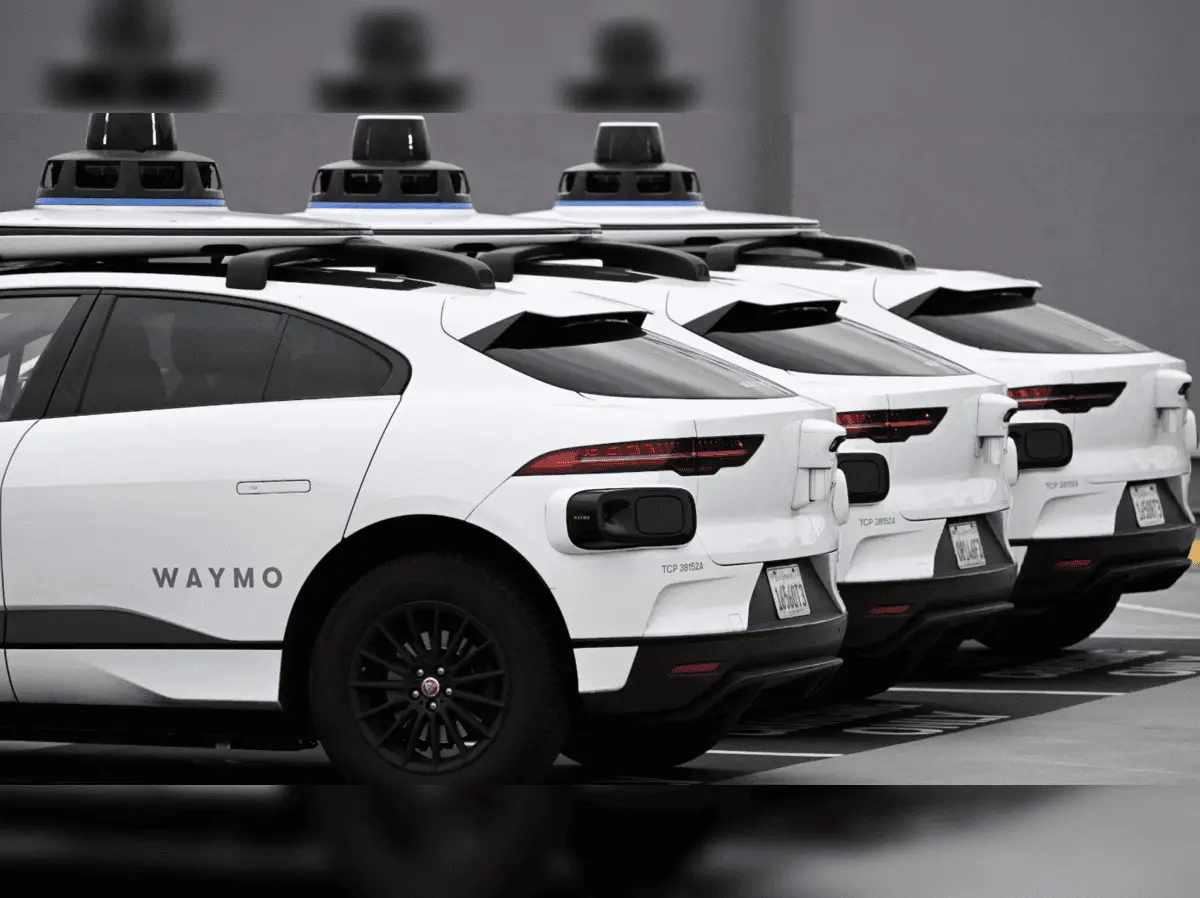
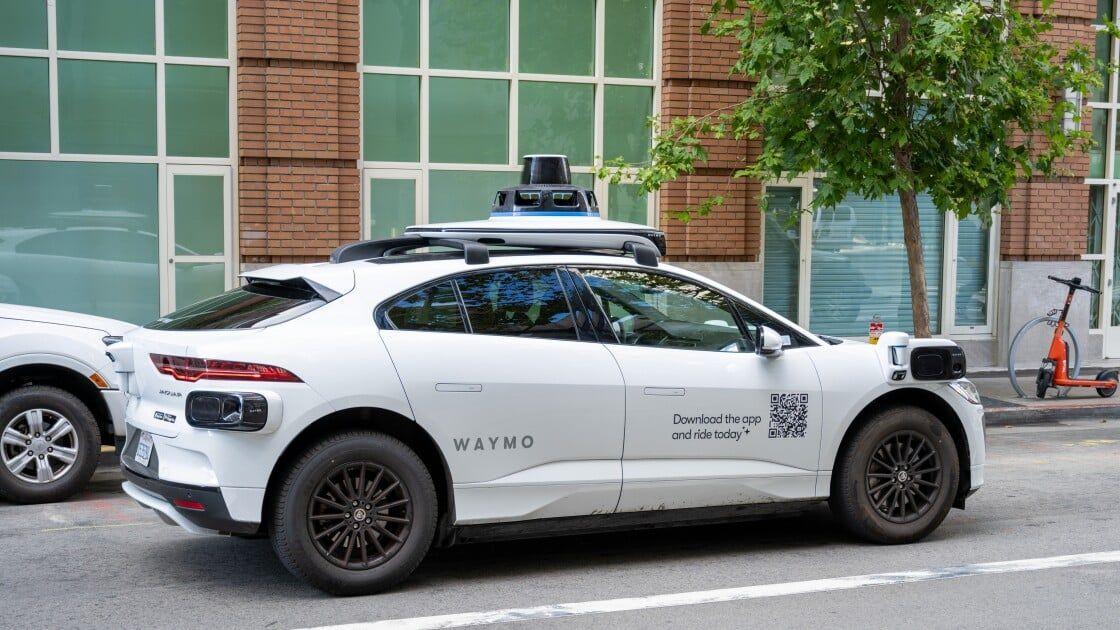
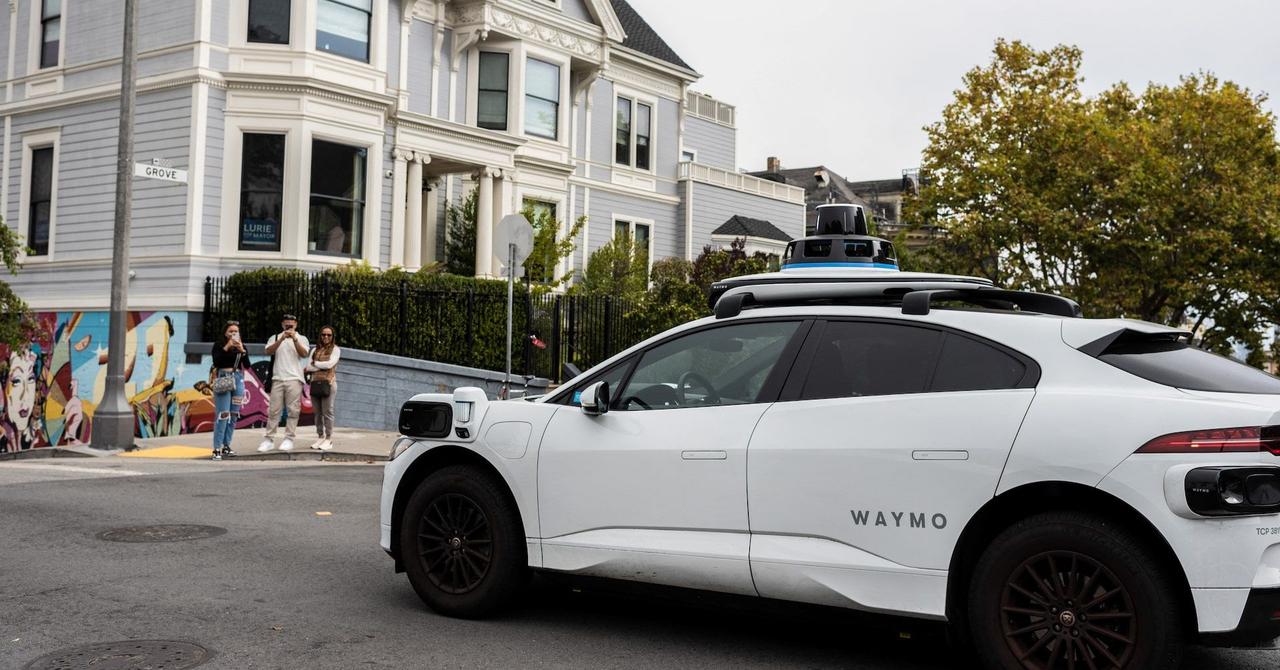
Waymo's white Jaguars equipped with cameras and sensors have become familiar sights on San Francisco and Los Angeles streets. The company currently operates in 10 US cities as of early 2026, including Austin, Phoenix, Atlanta, Los Angeles, San Francisco, and Miami, providing more than 400,000 rides weekly
1
3
. Last year, Waymo more than tripled its annual volume to 15 million rides, bringing total rides since inception to over 20 million2
3
.
Source: PYMNTS
"We are no longer proving a concept; we are scaling a commercial reality, laying the groundwork for ride-hailing operations in over 20 additional cities in 2026, including Tokyo and London," Mawakana and Dolgov emphasized
1
. The robotaxi expansion plans include Dallas, Denver, Seattle, Nashville, and Washington, D.C.3
. The company is also testing highway drives through employee trials to eventually expand beyond surface streets and unlock new ride opportunities such as airport trips3
.
Source: ET
Advanced Manifestation of AI in the Physical World
Waymo's co-CEOs positioned the technology as the advanced manifestation of AI in practical application. "We have demonstrated that our technology is not just the most advanced manifestation of AI in the physical world, but a vital service that people have come to rely on in their daily lives," they stated
1
2
. Dragoneer partner Jared Middleman added: "Waymo has not only taught a car to drive itself, but to do so meaningfully better than any human or competing system, and we believe that lead will endure"2
.The company equips vehicles with specialized software, sensors, and cameras, currently offering autonomous rides in electric Jaguar I-Pace SUVs. Moving forward, Waymo plans to integrate its technology into vehicles from Chinese EV brand Zeekr, Hyundai, and Toyota
3
. According to Waymo's internal data, its self-driving cars have led to 90 percent fewer serious injury crashes than average human drivers over 127 million miles of autonomous operation3
.Related Stories
Competition Intensifies in Autonomous Mobility Market
As one of the most sought-after applications of artificial intelligence, autonomous vehicle companies are investing heavily in commercializing their technology
4
. Waymo faces growing competition from Tesla, which launched roughly 60 human-supervised robotaxis in Austin last year, and Amazon subsidiary Zoox, which currently operates around 50 self-driving vehicles in the US and offers free robotaxi rides in Las Vegas and San Francisco3
4
. Uber recently unveiled a Lucid robotaxi, aiming to deploy a fleet in San Francisco later this year1
.The global robotaxi fleet is expected to surge to between 700,000 and 3 million vehicles over the next decade, according to Boston Consulting Group estimates. Robotaxis are projected to capture up to 85 percent of trips currently operated by traditional ride-hailing or taxi operations in large markets
3
. However, safety concerns persist as NHTSA recently opened an investigation after a Waymo vehicle struck a child near an elementary school in California3
4
. The company is also being probed for a pattern of vehicles illegally passing stopped school buses3
.References
Summarized by

Navi
[1]
Related Stories
Waymo Secures $5.6 Billion in Funding, Accelerating Autonomous Vehicle Development and Expansion
26 Oct 2024•Technology

Wayve Secures $1.5B From Nvidia, Uber, and Automakers to Scale Self-Driving AI Globally
25 Feb 2026•Startups

Alphabet's Waymo Considers Personal Ownership of Robotaxis, Challenging Tesla's Autonomous Vehicle Strategy
25 Apr 2025•Technology
Recent Highlights
1
Google releases Gemma 4 with Apache 2.0 license, enabling unrestricted local AI on devices
Technology

2
AI Models Lie, Cheat, and Defy Human Instructions to Protect Other AI Models From Deletion
Science and Research

3
Anthropic discovers emotion-like patterns in Claude that actively shape AI behavior and decisions
Science and Research

Recent Highlights
Today's Top Stories



Your Daily Dose of Curated AI News
Don’t drown in AI news. We cut through the noise - filtering, ranking and summarizing the most important AI news, breakthroughs and research daily. Spend less time searching for the latest in AI and get straight to action.

