Windows 12 Rumors Debunked as Microsoft Commits to Fixing Windows 11 Instead


2 Sources
2 Sources
[1]
AI-focused Windows 12 operating system is not coming this year
TL;DR: PC World's report on Windows 12 launching this year with AI integration and NPU hardware requirements was retracted for failing to meet its standards. Windows Central confirms no Windows 12 release is planned soon, as Microsoft focuses on improving Windows 11 by addressing user feedback and reducing AI bloat. Recently, PC World published an article that claimed Microsoft was planning to ship Windows 12 later this year. In addition, the new operating system would make AI a fundamental part of the system, with AI agents and tools taking over tasks such as search, document, and file categorization, and more. And much like with Copilot+ PCs, there would be a hardware requirement: a CPU with a dedicated NPU with at least 40 TOPS of performance. It's a pretty lengthy report, and one that quickly made waves, as it outlines most of the key features that would make up Windows 12, along with Microsoft's planned release date, which would be around October 2026. However, after some backlash from other media outlets and insiders questioning the article's validity, PC World has issued a statement saying it "should not have been published." "It does not meet PCWorld's standards and should not have been published," Brad Chacos, PCWorld executive editor, writes. The article is still online for public record. As for Windows 12 potentially coming anytime soon? Well, Windows Central's Zac Bowden says Microsoft's current focus is to fix Windows 11. "According to contacts that are familiar with the Windows roadmap, there is no plan to ship a Windows 12 this year," Zac Bowden explains. "In fact, I understand that the Windows roadmap for 2026 is all about fixing Windows 11 and attempting to improve its reputation by addressing top feedback, such as reducing AI bloat across the OS, bringing back the movable Taskbar, and more." There's also the argument that, with Windows 11 only recently becoming the dominant OS version among Windows users worldwide, it wouldn't make sense to fragment the market again so soon. The Windows Central article also debunks all the claims made in the original PC World article, highlighting that it mostly cites cancelled or unrelated projects rather than what will ultimately become Windows 12. And with that, to quickly summarize all of the above, all of the reports and posts floating around the internet at the moment claiming that Windows 12 is coming soon aren't true.
[2]
No, Windows 12 Isn't Replacing Windows 11 Anytime Soon
Rob has been an Editorial Director at Lifewire, a news writer at Engadget, and a senior contributor at Cult of Mac. He's written about PCs, Macs, mobile phones, and games, created newsrooms from the ground up, and has extensive experience reviewing hardware, software, and games across his career. You can't believe everything you read in this age of AI. A now retracted PCWorld article published on March 2, 2026, claimed that Windows 12 was imminent. The article promised a modular, AI-first, maybe subscription-based OS built on a brand new CorePC architecture. That article hit Reddit at r/Technology (now removed by moderators) and garnered more than 14,000 upvotes and thousands of angry comments. The article spread to secondary aggregator sites and eventually hit Google News, according to TechIssueToday and WindowsLatest. Turns out, the whole article may have been an AI hallucination. It's likely the rumor spread so fast because it hit a nerve with Windows users, who are already grumpy about Microsoft's AI push. The article functioned as a confirmation bias: More AI was coming to Windows, and no one wants it. Ultimately, according to the PCWorld retraction statement, the story came from a mistranslated German article from a sister site. "This article is a translation of a German article by PC-Welt," wrote executive editor Brad Chacos. "It does not meet PCWorld's standards and should not have been published." Microsoft's actual plan for 2026, of course, is to fix Windows 11, not replace it, according to Windows Central, which cites Windows president Pavan Davuluri's 2025 post on X.com. What the PCWorld article actually claimed Big claims, zero sources, one very awkward correction The original article, still online for the public record, said that Windows 12, codenamed "Hudson Valley Next," would launch in 2026 as Windows 10 support continues to end. The article said Windows 12 would be built on CorePC, a modular architecture that would let Microsoft isolate and update OS components independently. AI would be baked in as a system-level requirement, and not an optional add-on, making Copilot a "central control instance." Further, any devices without an NPU (Neural Processing Unit) delivering at least 40 TOPS (trillions of operations per second) would lose access to core Windows features, said the article. As the article was apparently a translated piece from a German-language one from PC-Welt, published without source links or attribution, implying original reporting, PCWorld's Chacos had to apologize and promise to review internal processes, while keeping the current story live for the public record. "We're examining internal processes for PC-Welt and PCWorld alike to ensure a situation like this never happens again," he wrote. The debunking piece, by Windows Central's Zac Bowden, wrote that the original "shows all the obvious signs of an AI that has confused old reports and online conversations as current and factual." Where these claims fall apart The evidence doesn't hold up CorePC was an internal Microsoft initiative from 2023, and was an attempt to revive the Windows Core OS (WCOS) idea: a modular OS that could scale across device categories, update faster via separate system states, and ultimately make Win32 less hackable. It was planned to ship in 2024, but never did, according to both Bowden at Windows Central and WindowsLatest. Any current platform work appears to be on the shipping Windows 11 product, and not on a new modular codebase. "Hudson Valley Next" is a codename from 2023 and was initially tied to Windows 11 version 24H2, as noted by Neowin. The redeisgned user interface (UI) is from 2022, and never greenlit. The floating taskbar, rounded corners, and top-centered searchbar in some circulating screenshots is a leaked concept from that year, as Windows Central point out. And finally, the idea of a subscription-based OS goes way back to 2012, with internal flags for "subscription status" spotted in 2023. These flags turned out to be related to Windows 365's service, not an OS paywall. Why the rumor spread so fast -- the Windows 11 trust problem People angry about AI slop got fooled by AI slop The bigger problem here, aside from a major news outlet publishing AI content, is that so many Windows users believed it. 2025 was a rough year for Windows 11, with the release of multiple buggy updates. This version of Microsoft's OS gets a lot of hate. January 2026 saw shutdown failures, cloud app crashes, and an emergency out-of-band update, according to TechRepublic. Plus, Microsoft's aggressive rollout of Copilot (with buttons added to Notepad, Paint, and File Explorer, for example), deepened that user resentment. Adding to the confusion, Pavan Davuluri's post on X.com was originally about agentic OS options, which generated thousands fo mostly negative comments. It didn't help that Davuluri turned off comments on the original post, either. The exploration of the original innaccurate post over on Reddit just amplified the problem, presenting old reporting as new, stripping out dates and context that could have flagged the material as old. Once secondary aggregator sites (also AI-powered) pushed the article out, eventually getting it on Google News, just furthered the spread of misinformation. As Windows Central noted in its debunk, people upset about AI slop got pulled in by AI slop, as long as they got to be angry at Microsoft. What Microsoft is actually doing in 2026 The quiet course correction already underway In late 2026, Davuluri told The Verge (in a paywalled article quoted by TomsGuide): "The feedback we're receiving from our community of passionate customers and Windows Insiders has been clear. We need to improve Windows in ways that are meaningful for people." Subscribe for clear Windows and AI rumor coverage Join our newsletter to cut through Windows AI noise with verified reporting and thoughtful analysis on rumors, platform plans, and misinformation - a reliable source of context and clarity focused on these topics. Get Updates By subscribing, you agree to receive newsletter and marketing emails, and accept our Terms of Use and Privacy Policy. You can unsubscribe anytime. The Verge's Tom Warren said several sources described Microsoft's internal strategy as "swarming," or rapidly redirecting engineering resources to stability, performance, and reliability issues instead of new features. According to Bowden, the company has committed to reducing AI entry points, addressing core UI pain points, and restoring highly anticipated features like a movable Taskbar. Rolling back any AI overreach is also in the cards, with potential removal of Copilot integration in apps like Notepad and Paint, making Windows Recall a strictly opt-in experience, and shifting to a more optional tool for users rather than a mandatory layer. So will Windows 12 ever happen? Maybe, but not soon -- and not like that Windows Central's Bowden reports that Midrosoft is indeed having discussions about whether to pivot to a Windows 12 version, especially if Windows 11's rep isn't rehabbed enough. Of course, if Windows 12 is on a fast track, it won't likely appear till at least 2027, as Bowden speculates. And even then, it won't include any of the weird stuff the original PCWorld article said it would. And, as TechRadar noted, Microsoft would be well served by noting the backlash to the false claims anyway and steering clear of any pro-AI messaging. The dream of a modular OS is just the latest in a long line of Microsoft experiments, with Core OS, Windows 10X, and Windows Feature Experience Pack all trying to attain the same thing. The challenge seems to be preserving broad Win32 compatibility while delivering the security and update advancements that a modular sytem could bring. It's more likely that these previous projects will get absorbed into Windows 11 as an improvement rather than a complete replacement. The bottom line The Windows 12 rumor was a perfect storm of poorly sourced, probably AI-assembled content that hit a community of users ready for anger, especially as it hit Reddit and AI aggregators that stripped out any context. The main frustrations with such a potential announcement are legit: Windows 11 has had a rough patch lately. Still, it's more likely that Microsoft will continue to improve its investment in Windows 11 rather than jump wholesale to a new, completely different, iteration. For now, we can all treat any Windows 12 claims without a verified source direct from the Microsoft mothership as suspect.
Share
Share
Copy Link
PCWorld retracted a widely-shared article claiming Windows 12 would launch in 2026 with mandatory AI integration and NPU requirements. The piece, likely generated through AI hallucination, spread rapidly among frustrated Windows users. Microsoft's actual plan focuses on improving Windows 11 by addressing user feedback and reducing AI bloat across the operating system.
PCWorld Retracts Windows 12 Article After Widespread Circulation
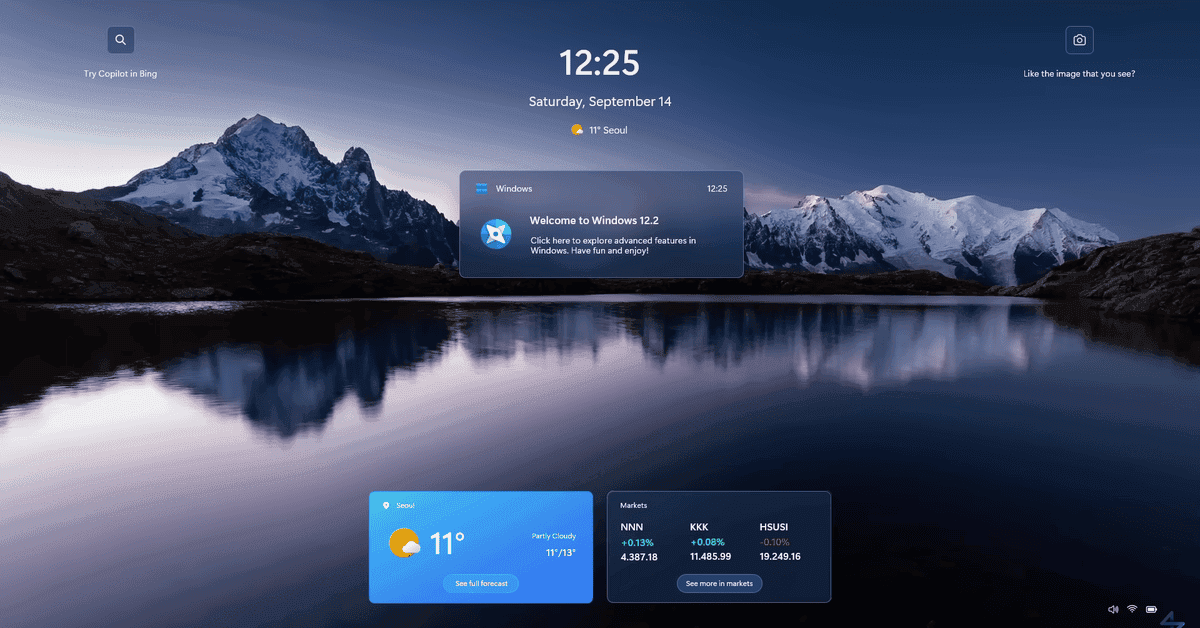
A major tech publication found itself at the center of a misinformation storm after PCWorld published and subsequently retracted an article claiming Windows 12 would launch later this year. The original piece detailed an AI-focused operating system with strict NPU hardware requirements, claiming devices would need CPUs with dedicated Neural Processing Unit (NPU) capabilities delivering at least 40 TOPS of performance
1
.
Source: MakeUseOf
The article quickly gained traction, garnering more than 14,000 upvotes on Reddit before moderators removed it, and spreading to secondary aggregator sites and Google News
2
.PCWorld executive editor Brad Chacos issued a statement acknowledging the failure: "It does not meet PCWorld's standards and should not have been published"
1
. The article originated from a mistranslated German piece from sister site PC-Welt and was published without proper source links or attribution2
. Chacos promised to examine internal processes to prevent similar incidents.The Debunked Rumor: What the Article Actually Claimed
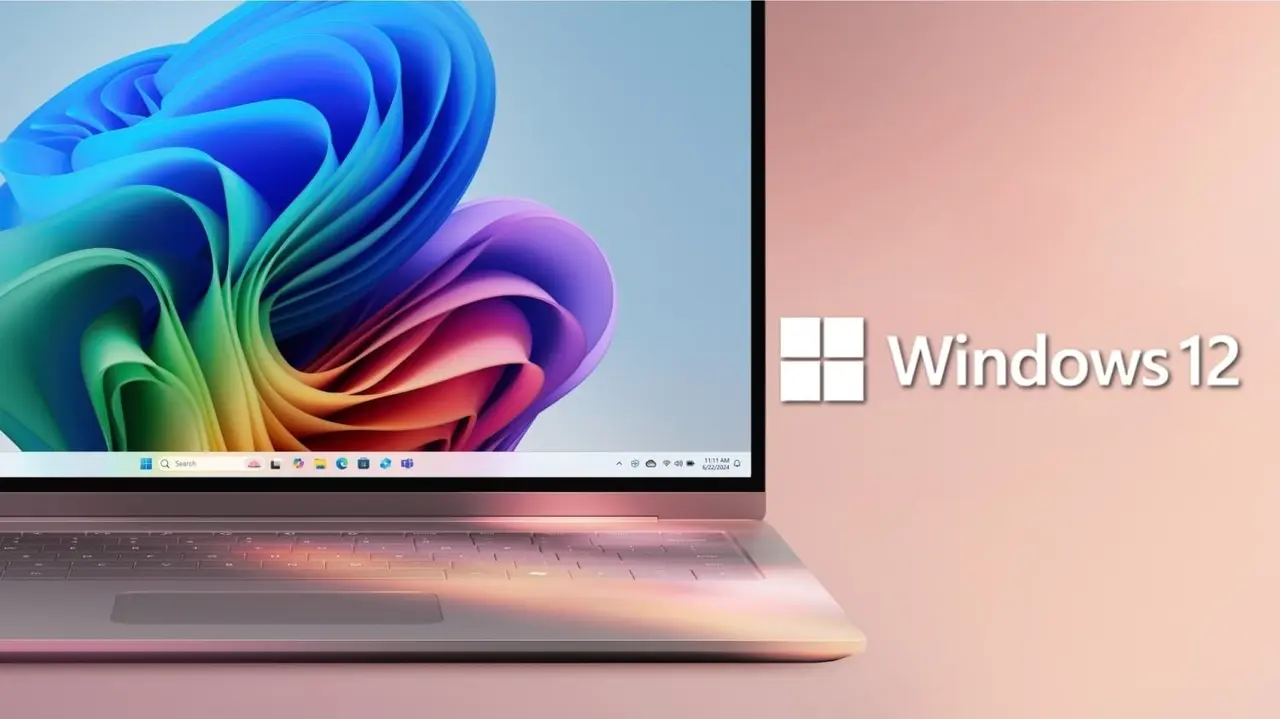
The retracted piece described Windows 12, codenamed "Hudson Valley Next," as a revolutionary platform built on CorePC architecture that would make Microsoft AI integration a system-level requirement rather than optional. According to the article, Copilot would function as a "central control instance," with AI agents handling tasks like search, document categorization, and file management. The planned release date was cited as October 2026
1
.
Source: TweakTown
Windows Central's Zac Bowden thoroughly dismantled these claims, noting the article "shows all the obvious signs of an AI hallucination that has confused old reports and online conversations as current and factual"
2
. The Hudson Valley Next codename actually dates back to 2023 and was tied to Windows 11 version 24H2, while CorePC was an internal initiative from 2023 that never shipped2
.Microsoft's Real Plan: Fixing Windows 11
Contrary to the debunked rumor about an imminent Windows 12 release, Microsoft's actual roadmap focuses entirely on improving Windows 11. According to contacts familiar with the Windows roadmap, there is no plan to ship Windows 12 this year, Bowden explained
1
. The company's 2026 strategy centers on addressing user feedback, particularly reducing AI bloat across the operating system and bringing back features like the movable Taskbar1
.This approach aligns with statements from Windows president Pavan Davuluri, whose 2025 post on X.com outlined plans for refining the current platform
2
. With Windows 11 only recently becoming the dominant OS version among Windows users worldwide, fragmenting the market again would make little strategic sense1
.Related Stories

Why the Rumor Spread: The Windows 11 Trust Problem
The rapid spread of this misinformation reveals deeper issues with user dissatisfaction surrounding Microsoft's current operating system. The article functioned as confirmation bias for users already frustrated with the company's aggressive AI push, particularly the integration of Copilot into Notepad, Paint, and File Explorer
2
. The year 2025 proved particularly challenging for Windows 11, with multiple buggy updates causing shutdown failures, cloud app crashes, and requiring emergency out-of-band patches in January 20262
.The irony wasn't lost on observers: people angry about AI-generated content were fooled by what appears to be an AI hallucination. This incident highlights how AI-generated misinformation can exploit existing user frustrations, spreading rapidly when it confirms pre-existing beliefs about unwanted changes to familiar software platforms.
References
Summarized by

Navi
Related Stories
Microsoft scales back Copilot in Windows 11 apps after user backlash over aggressive AI push
30 Jan 2026•Technology

Microsoft Pushes Windows 11 and AI PCs as Windows 10 Support Nears End
07 Jan 2025•Technology

Microsoft Confirms Windows 11 AI Agents Hallucinate and Introduce Novel Security Risks
02 Dec 2025•Technology

Recent Highlights
1
Apple Plans Major Siri AI Overhaul in iOS 27 With Third-Party Chatbot Integration
Technology

2
OpenAI shuts down Sora after six months, ending Disney's $1 billion licensing partnership
Technology

3
AI chatbots validate you too much, making you less kind to others, Stanford study reveals
Science and Research
Recent Highlights
Today's Top Stories



Your Daily Dose of Curated AI News
Don’t drown in AI news. We cut through the noise - filtering, ranking and summarizing the most important AI news, breakthroughs and research daily. Spend less time searching for the latest in AI and get straight to action.

