Xiaomi commits $8.7 billion to AI as MiMo-V2-Pro model drives stock surge and investor optimism


2 Sources
2 Sources
[1]
Xiaomi to invest at least $8.7 billion in AI over next three years, CEO says
BEIJING, March 19 (Reuters) - Chinese smartphone and electric vehicle giant Xiaomi (1810.HK), opens new tab will invest at least 60 billion yuan ($8.70 billion) in artificial intelligence over the next three years, CEO Lei Jun said on Thursday. The announcement came a day after the company officially unveiled its new flagship AI model MiMo-V2-Pro, a large language model originally uploaded anonymously onto OpenRouter last week. The model has shot up the AI gateway platform's leaderboard rankings, so far processing more than 1.5 trillion tokens or units of data, a sign that it has been well received by developers worldwide. Lei, speaking at a company event in Beijing, highlighted MiMo-V2-Pro's global reception, saying it would rapidly improve, and revealed Xiaomi's budget for AI research this year had exceeded the previously announced 16 billion yuan figure. "So you will see that we will advance faster and faster in many core technologies," he said. Xiaomi's increased investment in AI comes as competition in China's cutthroat chatbot space is being redirected to agents, which require far less prompting and can execute more complex tasks. While AI chatbots in China have faced intense downward price pressures, particularly since DeepSeek's ascent in the past two years, tech firms are eyeing the much higher token consumption required by agents as a potentially new lucrative revenue stream. MiMo-V2-Pro was created to handle agent workloads, according to Lei, as agent frameworks like OpenClaw take China by storm, prompting Chinese tech giants from Alibaba to Tencent to jump on the trend in the hopes of generating new streams of revenue. "Developers around the world have commented that V2-Pro has a high IQ, also a high EQ, and crucially its task execution ability is both fast and accurate... underscoring its huge global impact," Lei said. Lei also noted the youthfulness of the team behind MiMo-V2-Pro, boasting an average age of 25, and with over half of its members holding doctorate degrees or hailing from China's top two universities, PKU and Tsinghua. MiMo is led by ex-DeepSeek researcher and PKU graduate Luo Fuli, who was born in 1995. ($1 = 6.8998 Chinese yuan renminbi) Reporting by Ju-min Park and Eduardo Baptista; Editing by Andrew Heavens and Jan Harvey Our Standards: The Thomson Reuters Trust Principles., opens new tab * Suggested Topics: * Asia Pacific * Grid & Infrastructure * EV Battery Ju-min Park Thomson Reuters Ju-min Park is a senior correspondent for Reuters based in Beijing, covering the automobile industry. She began her career at Reuters since 2010 and previously reported on the Korean peninsula and Japan. Eduardo Baptista Thomson Reuters Eduardo Baptista is a Senior Correspondent for Reuters based in Beijing, covering China's technology, space, and automotive industries. He has led enterprise and investigative reporting on China's military-linked companies, artificial intelligence and semiconductor supply chains, as well as macroeconomic and industrial policy. Baptista has reported from China for nearly a decade and holds a BA in History from the University of Cambridge.
[2]
Xiaomi Stock Jumps as New AI Models and SU7 Update Lift Investor Sentiment
That move made Xiaomi the top performer on the Hang Seng Tech Index during the session. Moreover, the rally came even as the broader tech index fell more than 2%. Investors shifted attention toward Xiaomi's AI push and electric vehicle strategy. Earlier concerns about rising memory costs had weighed on the company's profitability outlook. increased its focus on artificial intelligence this week by releasing new in-house models, including MiMo V2 Pro. The company designed the system for agent-based applications. The release added momentum to Xiaomi's broader AI strategy at a time of rising competition in China. Interest in agentic AI tools has continued to grow across the market. Xiaomi has moved to strengthen its position in that fast-developing segment. The company has also started testing its Miclaw AI agent for mobile devices. That step supports Xiaomi's plan to build a connected ecosystem across AI, software, and hardware. Chief Executive Officer Lei Jun said Xiaomi will invest more than 16 billion yuan ($2.3 billion) in AI research in 2026. The company also plans to invest at least 60 billion yuan ($8.72 billion) in AI over the next three years. Those figures show a clear commitment to long-term . Goldman Sachs analysts said the new model launches could reinforce Xiaomi's standing in foundation model development. The analysts said heavier research spending may weigh on near-term profit. However, they added that steady delivery could improve the market's view of Xiaomi's long-term value. That view centers on Xiaomi's ability to combine AI, operating systems, and chip capabilities. Investors appeared to respond positively to that direction.
Share
Share
Copy Link
Xiaomi announced a massive $8.7 billion AI investment over the next three years, following the successful launch of its MiMo-V2-Pro large language model. The Chinese tech giant's stock jumped, making it the top performer on the Hang Seng Tech Index as CEO Lei Jun outlined ambitious plans to compete in the rapidly evolving AI agent market.
Xiaomi Unveils Massive Artificial Intelligence Investment Plan
Xiaomi has committed to invest at least 60 billion yuan ($8.7 billion) in artificial intelligence over the next three years, CEO Lei Jun announced at a company event in Beijing on Thursday
1
. The announcement positions the Chinese smartphone and electric vehicle giant as a major contender in the intensifying AI race, with AI research investment for 2026 alone exceeding the previously announced 16 billion yuan ($2.3 billion) figure2
. This substantial AI investment signals Xiaomi's determination to compete with tech giants like Alibaba and Tencent in China's rapidly evolving artificial intelligence landscape.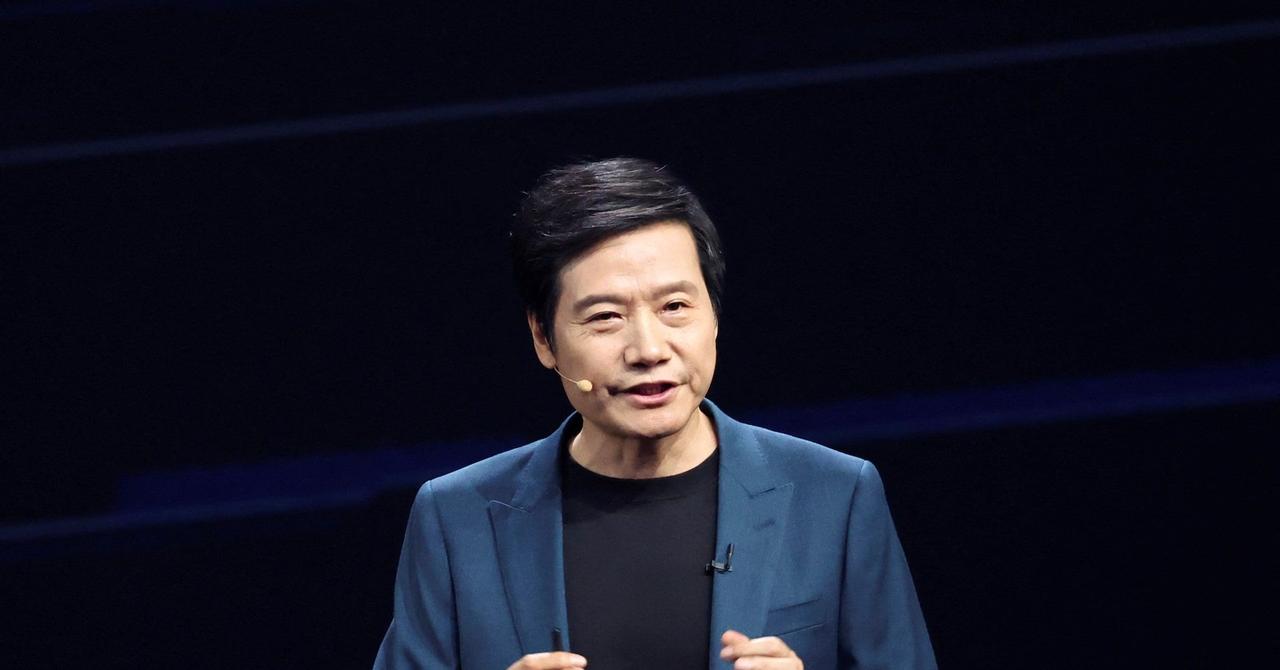
Source: Reuters
MiMo-V2-Pro Large Language Model Gains Global Traction
The investment announcement came just one day after Xiaomi officially unveiled MiMo-V2-Pro, its new flagship large language model that was originally uploaded anonymously onto OpenRouter last week
1
. The model has rapidly climbed the AI gateway platform's leaderboard rankings, processing more than 1.5 trillion tokens or units of data—a clear indication of strong reception from developers worldwide. Lei Jun emphasized the model's global impact, noting that developers have praised V2-Pro for its high intelligence quotient, emotional intelligence, and crucially, its task execution ability that is both fast and accurate1
. The company designed these in-house AI models specifically for agent-based applications, targeting a segment where competition among Chinese tech companies has intensified2
.Targeting the AI Agent Market with Strategic Focus
Xiaomi's increased focus on artificial intelligence comes as competition in China's chatbot space shifts toward agents, which require far less prompting and can execute more complex tasks
1
. While AI chatbots in China have faced intense downward price pressures, particularly since DeepSeek's ascent over the past two years, tech firms are eyeing the much higher token consumption required by agents as a potentially lucrative revenue stream. MiMo-V2-Pro was specifically created to handle agent workloads, according to Lei Jun, as agent frameworks like OpenClaw gain traction across China1
. The company has also begun testing its Miclaw AI agent for mobile devices, supporting Xiaomi's plan to build a connected ecosystem across AI, software, and hardware2
.Related Stories


Investor Sentiment Surges on Foundation Model Development
Xiaomi's stock jumped following the announcements, making it the top performer on the Hang Seng Tech Index during the session, even as the broader tech index fell more than 2%
2
. Investors shifted attention toward Xiaomi's AI push and electric vehicle strategy, moving past earlier concerns about rising memory costs that had weighed on the company's profitability outlook. Goldman Sachs analysts noted that the new model launches could reinforce Xiaomi's standing in foundation model development, though they cautioned that heavier research spending may weigh on near-term profit2
. However, the analysts added that steady delivery could improve the market's view of Xiaomi's long-term value, particularly its ability to combine AI, operating systems, and chip capabilities. Lei Jun also highlighted the youthfulness of the team behind MiMo-V2-Pro, with an average age of 25 and over half holding doctorate degrees or hailing from China's top two universities, PKU and Tsinghua, led by ex-DeepSeek researcher Luo Fuli1
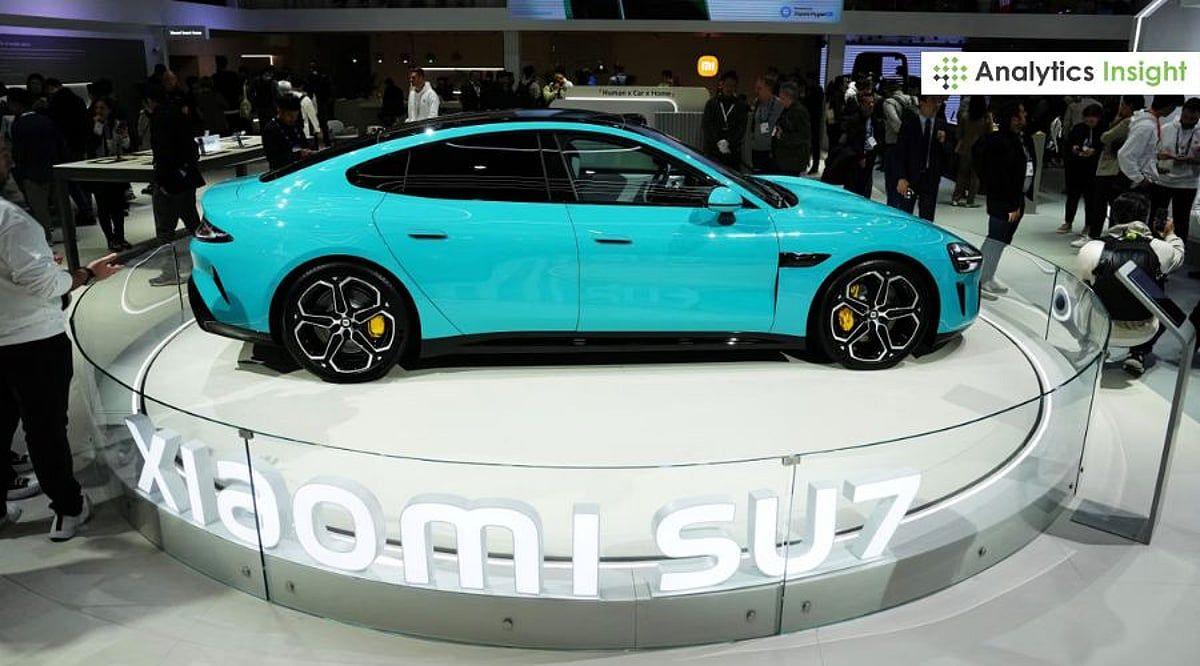
.
Source: Analytics Insight
References
Summarized by

Navi
[2]
Related Stories
Recent Highlights
1
Tennessee Teens Sue Elon Musk's xAI Over Grok AI-Generated Child Abuse Images
Policy and Regulation

2
Supermicro Co-Founder Indicted in $2.5 Billion Nvidia AI Chip Smuggling Scheme to China
Policy and Regulation

3
Val Kilmer to appear posthumously in As Deep as the Grave through AI-generated performance
Entertainment and Society

Recent Highlights
Today's Top Stories







Your Daily Dose of Curated AI News
Don’t drown in AI news. We cut through the noise - filtering, ranking and summarizing the most important AI news, breakthroughs and research daily. Spend less time searching for the latest in AI and get straight to action.

