Alibaba launches Token Hub to consolidate AI divisions and accelerate enterprise monetization


6 Sources
6 Sources
[1]
Alibaba Plans Major Revamp to Heighten Focus on AI Profits
Alibaba Group Holding Ltd. is setting up a business unit to bring its sprawling AI services and development endeavors under a single umbrella, signaling its determination to profit off artificial intelligence. The company is moving the research team that develops its flagship Qwen models, the consumer-facing app division, as well as major AI-related products into a unit headed by Chief Executive Officer Eddie Wu. Simply called Alibaba Token Hub, the new division will also oversee Alibaba's Slack-like DingTalk app and devices under the Quark brand such as smart glasses, Wu said in a memo to employees reviewed by Bloomberg News. The revamp comes as Alibaba grapples with questions about its AI strategy following the recent sudden departure of Qwen's star research lead. The idea is to quicken interaction between the various teams that underpin Alibaba's broader effort, from researchers to product development and design. It also signals the company's clear emphasis on monetizing AI: the division's name is a direct reference to the units of computing that companies charge users. Alibaba didn't say whether it will earmark new investment along with the overhaul, intended also to sharpen its sales pitch to enterprise AI customers and propel the adoption of Qwen -- the GPT-like model that helped establish Alibaba among China's early frontrunners. Domestic AI aspirants from Alibaba to MiniMax Group Inc. are finding it harder than Western rivals such as OpenAI to translate AI advances into profit, given Chinese consumers' reluctance to pay for software subscriptions. Most Chinese models are open-source and free to download, creating a wide disparity in revenue between the nation's leading developers and US peers such as Anthropic PBC. "ATH is built around a single organizing mission: create tokens, deliver tokens, and apply tokens," Wu said in the memo. I will lead ATH directly, with a mandate to drive strategic coordination across our AI businesses, embed AI deeply into how we work, and preserve the agility that lets us move fast." Read more about Alibaba's AI efforts Alibaba AI Whiz Quits After Warning of US-China Tech Gap Alibaba Is Said to Plan IPO for AI Chipmaking Unit T-Head Alibaba Preps Big Revamp of Flagship AI App to Rival ChatGPT China Becomes Agentic AI's Biggest Lab With OpenClaw Stampede Alibaba, scheduled to report quarterly results on Thursday, had mostly focused on selling enterprise-facing AI and cloud computing solutions before revamping its Qwen app last year for consumers. But the app still lags behind competitor ByteDance Ltd.'s Doubao, despite spending billions of yuan in "red packet" consumer promotions during last month's Lunar New Year holiday. With the latest restructuring, Alibaba is likely diverting more resources back to its enterprise-facing businesses. In the near term, Alibaba plans to release a dedicated agentic AI service for companies, according to people familiar with the matter. It's banking on national enthusiasm around artificial intelligence assistants like OpenClaw that help users perform actual tasks. Get the Tech Newsletter bundle. Get the Tech Newsletter bundle. Get the Tech Newsletter bundle. Bloomberg's subscriber-only tech newsletters, and full access to all the articles they feature. Bloomberg's subscriber-only tech newsletters, and full access to all the articles they feature. Bloomberg's subscriber-only tech newsletters, and full access to all the articles they feature. Bloomberg may send me offers and promotions. Plus Signed UpPlus Sign UpPlus Sign Up By submitting my information, I agree to the Privacy Policy and Terms of Service. The Chinese company may announce the new AI agent product, based on its flagship Qwen model and tailor-made for enterprises, as soon as this week, people familiar with the matter said. The company plans to gradually integrate other services with the agent, including online shopping site Taobao and fintech platform Alipay, the people said, asking to remain anonymous discussing private plans. The tool was developed by the team that runs DingTalk, the people added. Wu is one of Alibaba's original co-founders and served as the CEO of the group and the Alibaba Cloud unit since 2023. He outlined a plan last year to get Alibaba building a full-stack of AI offerings, including hardware, and promised over $53 billion of investment in the emerging technology. What Bloomberg Intelligence Says Alibaba is set to deepen its agentic AI ecosystem across Taobao, Amap and Alipay through 2026, using Qwen to move users from intent to payment within a single conversation. By compressing search, recommendations, checkout and fulfillment into one platform, Qwen can reduce funnel drop-off while lifting conversion and order frequency, particularly in food delivery and instant retail. As richer intent data accumulates, Alibaba can roll out more targeted perks and scale back discounts while sustaining engagement. - Catherine Lim and Jason Zhu, analysts Click hereBloomberg Terminal for the research. But this month, the architect of Qwen resigned in a surprise departure that rattled the developer community and raised questions about the Chinese online leader's pivot to artificial intelligence. Junyang Lin was one of the most influential figures behind Alibaba's transition to AI, an endeavor intended to drive its next phase of growth beyond online commerce. During his tenure, the Qwen series of models became the foundation for Alibaba's marquee AI app and services, and consistently ranked among the world's top-performing platforms. In subsequent days, Alibaba sought to quellBloomberg Terminal widespread speculation that Lin's exit would encourage more resignations.
[2]
Alibaba CEO takes helm of new AI-focused business group
SHANGHAI, March 16 (Reuters) - Alibaba Group (9988.HK), opens new tab CEO Eddie Wu will head its newly formed Alibaba Token Hub business group, which will focus on building artificial intelligence work platforms for enterprises, the firm said in a statement on Monday. The new group will comprise existing Alibaba units Tongyi Laboratory, MaaS Business Line, Qwen, Wukong, and AI Innovation. "I will lead ATH directly, with a mandate to drive strategic coordination across our AI businesses, embed AI deeply into how we work, and preserve the agility that lets us move fast," Wu said in a memo to Alibaba staff. The latest move follows questions about its AI strategy raised following the early March exit of Alibaba's Qwen AI model division head, Lin Junyang, the third senior Qwen executive to exit this year. Chinese firms, most of which offer open-source AI models that are free to download, have seen token prices drop dramatically amid intense domestic competition between leading tech firms. Top models like DeepSeek, Qwen and Zhipu's ChatGLM cost up to 10 to 20 times less than U.S. counterparts as Chinese players use cost-effectiveness to shore up global market share, simultaneously raising questions about profitability. Alibaba is due to report quarterly earnings on Thursday. Reporting by Casey Hall; Editing by Bernadette Baum and Jan Harvey Our Standards: The Thomson Reuters Trust Principles., opens new tab
[3]
Alibaba Token Hub to consolidate, boost Group's AI strategy
Alibaba Group has launched the Alibaba Token Hub (ATH), an AI-focused business division led by CEO Eddie Wu, consolidating key AI assets like Tongyi Laboratory and Qwen. This strategic shift separates AI operations from its cloud division, signaling a move towards a token-based monetization model for AI agents and digital assistants, with the recent launch of the Wukong platform. Alibaba Group has created an artificial intelligence (AI)-focussed business division, the Alibaba Token Hub (ATH), led directly by CEO Eddie Wu. Announced on Monday, the group aims to consolidate and accelerate its AI strategy under the new unit. The division will bring together the group's key AI assets, including Tongyi Laboratory, the Model-as-a-Service (MaaS) business line, Qwen, Wukong, and other AI innovation teams. This restructuring signals a shift toward tighter coordination across AI initiatives and a stronger push to integrate AI into enterprise and internal workflows. Tongyi Lab is the group's core AI research institute, established in 2022, to build large language models (LLMs), including the multimodal Qwen. Meanwhile, Alibaba's MaaS line of business used to be a specialised unit within its cloud division. It focusses on building an open, efficient MaaS platform and technical infrastructure to power the AI ecosystem across various industries. The move follows internal disruption, including the recent departure of Lin Junyang and other senior executives from the Qwen team, which had raised concerns about strategic direction. This is significant as the group is separating its AI operations from its cloud computing division, stepping back from the earlier ambition of offering a fully bundled stack of infrastructure, models, and applications. According to a Reuters report, the unit separation measure appears to be a move towards a token-based monetisation model centred on AI agents and digital assistants. Unlike traditional chatbots, these agents operate continuously, executing tasks such as managing emails, scheduling, document editing, and research. This leads to significantly higher token consumption, potentially transforming the economics of AI usage. However, the growing popularity of open-source agents like OpenClaw has accelerated this shift. The company also launched Wukong on Tuesday, a platform that brings together multiple AI agents under a single, unified interface. Chinese AI companies, including DeepSeek and Alibaba, are competing aggressively on price, offering models that are substantially cheaper than their American counterparts. While this advantage is driven by lower electricity costs, domestic chip production, and algorithmic efficiencies, it also raises concerns about long-term profitability.
[4]
Alibaba Consolidates AI Divisions to Power the Agent Economy | PYMNTS.com
The new Alibaba Token Hub (ATH) Business Group is led by Alibaba Group CEO Eddie Wu, the company said in a Monday (March 16) press release. The unit brings together Tongyi Laboratory, which builds multimodal foundation models; MaaS Business Line, which builds technical infrastructure for AI; Qwen Business Unit, which builds a personal AI assistant; Wukong Business Unit, which is a newly created unit focused on building an AI-native work platform for enterprises; and AI Innovation Business Unit, which explores new AI applications, according to the release. ATH will seize the opportunity presented by AI agents powered by tokens, which are set to take on a growing share of digital work, Wu said in an internal announcement letter that was shared in the release. The unit is named after the tokens generated by AI models. Wu said in the letter: "ATH is built around a single organizing mission: create tokens, deliver tokens and apply tokens." "I will lead ATH directly, with a mandate to drive strategic coordination across our AI businesses, embed AI deeply into how we work, and preserve the agility that lets us move fast," Wu said. Alibaba said in August 2025 that it is "embarking on a new chapter of entrepreneurship by investing in two strategic pillars of consumption and AI + Cloud." The company said this in a presentation while reporting that its cloud division earned 26% year-over-year revenue growth, driven in part by its customers' increasing adoption of AI-related products. "During the quarter, AI-related revenue accounted for over 20% of revenue from external customers as AI demand continued to grow rapidly," Wu said at the time during an earnings call. "We're also seeing AI applications driving great growth momentum of traditional products, including compute and storage." Alibaba has introduced several new AI-related products in 2026, including a mobile app designed to help users install OpenClaw and use it to deploy AI agents; an artificial intelligence model designed to help robots grasp their physical surroundings and identify objects; and agentic and payments capabilities that enable is consumer-facing app to order food, complete in-chat payments, call and book travel, and call restaurants.
[5]

Alibaba Forms Alibaba Token Hub to Scale Enterprise AI and Token Revenue
Alibaba's AI Unit Combines Research, Models, and Enterprise Tools Alibaba said its newly formed Alibaba Token Hub, or ATH, will focus on for enterprises. Wu will lead the unit directly. The group will include Tongyi Laboratory, the MaaS Business Line, Qwen, Wukong, and AI Innovation, bringing several major AI functions into a single structure. The change also ties together more of Alibaba's AI products and development work. Details tied to the overhaul show the new division will oversee Qwen-related activities as well as AI products linked to DingTalk and Quark-branded devices. The broader scope suggests Alibaba wants closer coordination between model development, software tools, and commercial applications. Wu described the new group as part of a wider push to coordinate AI strategy across the company while keeping teams flexible enough to move quickly. In his memo to staff, he said the goal is to drive strategic alignment across Alibaba's AI businesses, deepen internal AI adoption, and preserve speed in execution. This message indicates the company wants tighter operational control as competition in AI intensifies.
[6]

Alibaba CEO takes helm of new AI-focused business group
SHANGHAI, March 16 (Reuters) - Alibaba Group CEO Eddie Wu will head its newly formed Alibaba Token Hub business group, which will focus on building artificial intelligence work platforms for enterprises, the firm said in a statement on Monday. The new group will comprise existing Alibaba units Tongyi Laboratory, MaaS Business Line, Qwen, Wukong, and AI Innovation. "I will lead ATH directly, with a mandate to drive strategic coordination across our AI businesses, embed AI deeply into how we work, and preserve the agility that lets us move fast," Wu said in a memo to Alibaba staff. The latest move follows questions about its AI strategy raised following the early March exit of Alibaba's Qwen AI model division head, Lin Junyang, the third senior Qwen executive to exit this year. Chinese firms, most of which offer open-source AI models that are free to download, have seen token prices drop dramatically amid intense domestic competition between leading tech firms. Top models like DeepSeek, Qwen and Zhipu's ChatGLM cost up to 10 to 20 times less than U.S. counterparts as Chinese players use cost-effectiveness to shore up global market share, simultaneously raising questions about profitability. Alibaba is due to report quarterly earnings on Thursday. (Reporting by Casey Hall; Editing by Bernadette Baum and Jan Harvey)
Share
Share
Copy Link
Alibaba Group is consolidating its sprawling AI operations under a new division called Alibaba Token Hub, led directly by CEO Eddie Wu. The restructuring brings together research teams, consumer apps, and enterprise tools under one umbrella, signaling the company's determination to profit from artificial intelligence through a token-based monetization model focused on AI agents and digital assistants.
Alibaba Token Hub consolidates scattered AI operations
Alibaba Group has launched the Alibaba Token Hub (ATH), an AI-focused business group that consolidates the company's fragmented artificial intelligence operations under a single organizational structure. CEO Eddie Wu will lead the new division directly, bringing together Tongyi Laboratory, the MaaS Business Line, Qwen, Wukong, and AI Innovation teams
1
2
. The restructuring also places DingTalk, Alibaba's Slack-like collaboration app, and Quark-branded devices including smart glasses under the new umbrella1
. This Alibaba AI restructuring represents a strategic shift away from bundling AI with cloud computing services, instead separating AI operations to sharpen focus on monetizing AI capabilities3
.
Source: PYMNTS
The move comes as Alibaba grapples with questions about its AI strategy following the recent departure of Lin Junyang, the research lead for Qwen, marking the third senior Qwen executive to exit this year
2
. The reorganization aims to quicken interaction between various teams that underpin Alibaba's broader effort, from researchers to product development and design1
.Enterprise AI and token-based monetization model take center stage
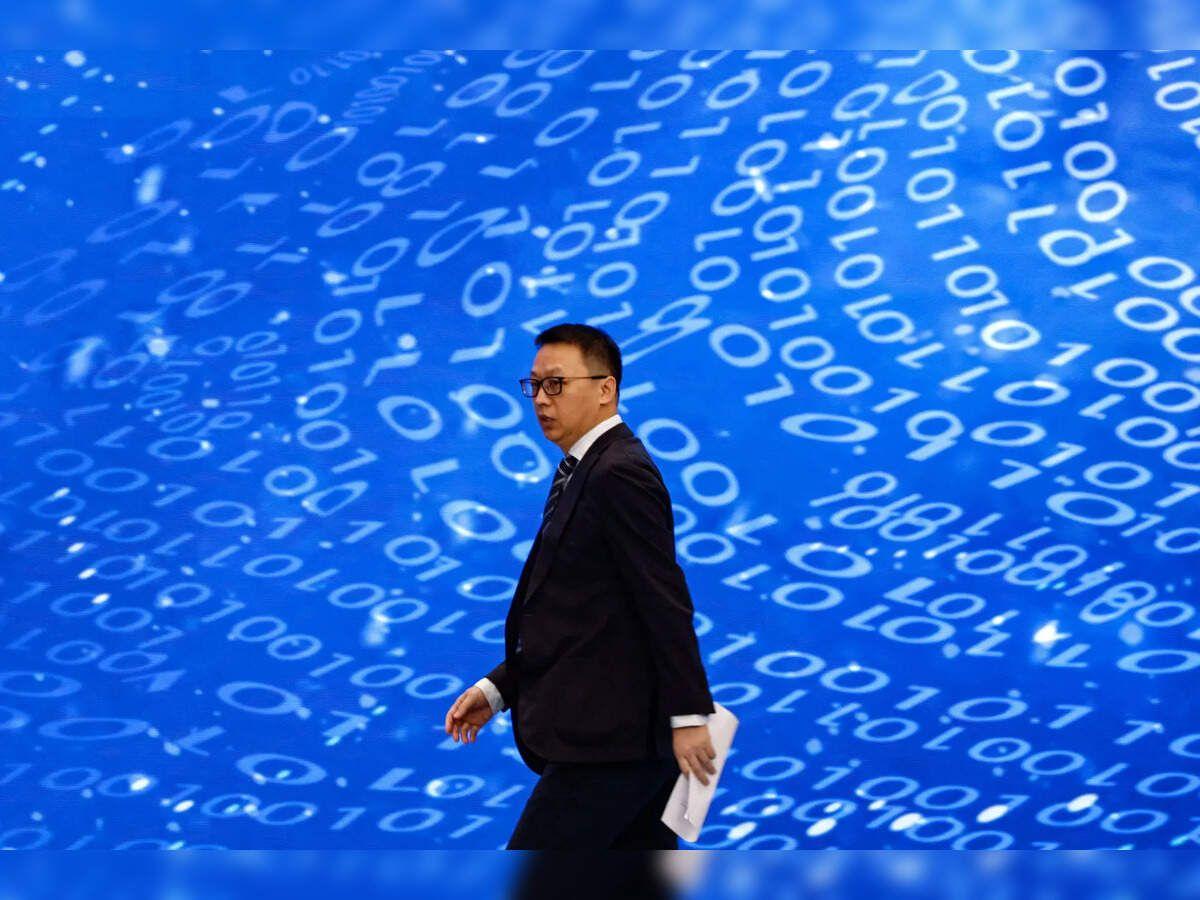
The division's name directly references tokens—the units of computing that companies charge users—signaling Alibaba's clear emphasis on building AI work platforms for enterprises. "ATH is built around a single organizing mission: create tokens, deliver tokens, and apply tokens," Wu stated in an internal memo
1
4
. This token-based monetization model centers on AI agents and digital assistants that operate continuously, executing tasks such as managing emails, scheduling, document editing, and research, leading to significantly higher token consumption3
.
Source: ET
Alibaba plans to release a dedicated agentic AI service for companies in the near term, banking on national enthusiasm around artificial intelligence assistants like OpenClaw that help users perform actual tasks
1
. The company may announce the new AI agent product, based on its flagship Qwen model and tailor-made for enterprises, as soon as this week. The company plans to gradually integrate other services with the agent, including online shopping site Taobao and fintech platform Alipay1
. The tool was developed by the team that runs DingTalk1
.Profitability challenges in the Chinese AI market persist
Domestic AI aspirants from Alibaba to MiniMax Group Inc. are finding it harder than Western rivals such as OpenAI to translate AI advances into profitability, given Chinese consumers' reluctance to pay for software subscriptions
1
. Most Chinese models are open-source and free to download, creating a wide disparity in revenue between the nation's leading developers and US peers such as Anthropic PBC1
. Top models like DeepSeek, Qwen and Zhipu's ChatGLM cost up to 10 to 20 times less than U.S. counterparts as Chinese players use cost-effectiveness to shore up global market share2
.With the latest restructuring, Alibaba is likely diverting more resources back to its enterprise-facing businesses after its consumer-facing Qwen app lagged behind competitor ByteDance Ltd.'s Doubao, despite spending billions of yuan in "red packet" consumer promotions during last month's Lunar New Year holiday
1
. The company also launched Wukong, a platform that brings together multiple AI agents under a single, unified interface, positioning itself to capture opportunities in the agent economy3
.Related Stories

Strategic coordination across the AI ecosystem
Eddie Wu, one of Alibaba's original co-founders who has served as CEO of the group and the Alibaba Cloud unit since 2023, outlined a plan last year to build a full-stack of AI offerings, including hardware, and promised over $53 billion of investment in the emerging technology
1
. In August 2025, Alibaba's cloud computing division earned 26% year-over-year revenue growth, driven in part by customers' increasing adoption of AI-related products. During that quarter, AI-related revenue accounted for over 20% of revenue from external customers as AI demand continued to grow rapidly4
.
Source: Reuters
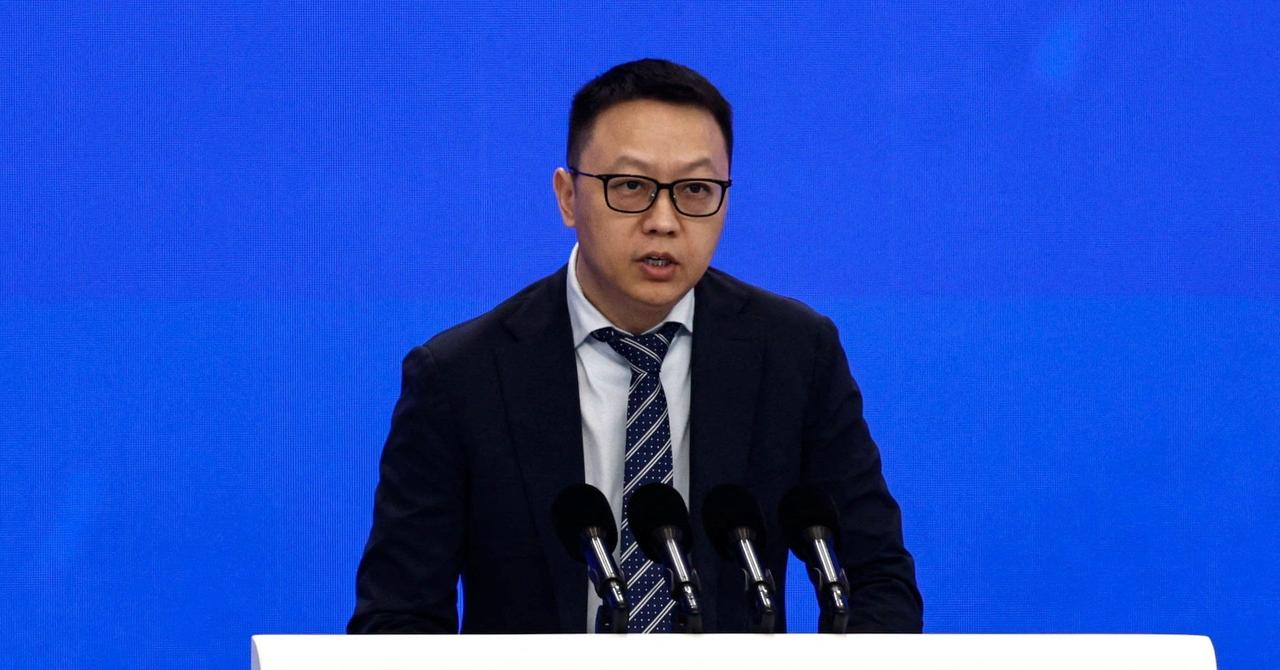
Wu emphasized that he will lead ATH directly "with a mandate to drive strategic coordination across our AI businesses, embed AI deeply into how we work, and preserve the agility that lets us move fast"
2
5
. Bloomberg Intelligence analysts suggest that Alibaba is set to deepen its agentic AI ecosystem across Taobao, Amap and Alipay through 2026, using Qwen to move users from intent to payment within a single conversation, potentially reducing funnel drop-off while lifting conversion and order frequency1
. This approach to AI innovation could transform how enterprises adopt digital assistants while addressing the ongoing challenge of building sustainable revenue streams in a price-competitive market where open-source models dominate.References
Summarized by

Navi
[5]
Related Stories
Alibaba launches Wukong AI agent platform as it restructures amid leadership exits
13 Mar 2026•Technology

Alibaba launches Accio Work agentic AI platform for small and medium-sized businesses
24 Mar 2026•Technology

Alibaba Links Taobao Shopping to Qwen AI App, Advancing Push Into Consumer AI Services
14 Jan 2026•Technology

Recent Highlights


Recent Highlights
Today's Top Stories












Your Daily Dose of Curated AI News
Don’t drown in AI news. We cut through the noise - filtering, ranking and summarizing the most important AI news, breakthroughs and research daily. Spend less time searching for the latest in AI and get straight to action.

