China targets 5x increase in advanced chip output to fuel AI ambitions despite equipment constraints


2 Sources
2 Sources
[1]
China to increase leading-edge chip output by 5x in two years, report claims -- aims to lift 7nm and 5nm production to 100,000 wafers per month, targeting half a million monthly by 2030
China's leading chipmakers are working hard to increase the output of chips made using leading-edge process technologies by five times in two years to satisfy the demand of the domestic AI sector, reports Nikkei. This is going to be particularly hard to achieve given that China-based chipmakers do not have access to leading-edge tools from American, Japanese, and European companies. The country aims to lift production of chips using 7nm- and 5nm-class fabrication technologies from below 20,000 wafer starts per month today to roughly 100,000 within one to two years, according to Nikkei. The longer-term plan includes increasing output of semiconductors produced on leading-edge nodes with an additional 500,000 wafer starts per month by 2030, Nikkei reports, citing sources familiar with the matter. For now, the only company in China capable of making chips on 7nm-class manufacturing processes is Semiconductor Manufacturing International Corp. (SMIC). SMIC has been gradually expanding its leading-edge manufacturing footprint across Shanghai, Shenzhen, and Beijing fabs for years, according to SemiAnalysis, which models that the company was on track to approach roughly 50,000 wafer starts per month on advanced production nodes in 2025. The ramp has been supported by its ongoing ability to procure wafer fabrication equipment from foreign companies despite sanctions, as well as by the limited impact of export controls and their enforcement. If the 50,000-wafer starts per month figure is correct, then doubling that number to 100,000 within a couple of years might seem like a realistic plan as long as the company has the right equipment and could put it into production. However, this is not the case. Zhao Haijun, co-CEO of SMIC, recently complained that some tools the company had procured will not be put to use this year as the foundry has troubles procuring other equipment. "However, due to the impact of external factors, the company has procured some key equipment in advance, while the supporting equipment may not be purchased yet," said Zhao Haijun during a conference call with financial analysts and investors. "This timing difference has brought an even situation that the procured equipment may not be able to form production lines this year." Although SMIC cannot use some of its (presumably) advanced tools, it expects to continue adding capacity, though not necessarily to its advanced product lines, but rather to those producing chips on trailing nodes. "Based on the current situation, it is estimated that by the end of this year, the increase in monthly capacity will be around 40,000 12-inch equivalent wafers compared to the end of last year," Zhao Hauijun said. China's second-largest contract chipmaker, Hua Hong Semiconductor, historically focused on mature nodes, but has now joined the push into advanced logic manufacturing under pressure from central and regional authorities, and is now reportedly ramping its 28nm and 22nm-capable capacities. Huawei has provided technical assistance to support this transition, according to Nikkei. Beyond these two major foundries, Huawei-linked entities such as PengXinWei and Dongguan Guangmao Technologies are building out pilot lines and development capacity, including efforts targeting nodes more advanced than 10nm. When it comes to 22nm/28nm nodes and below, UBS estimates that China's existing capabilities are around 30,000 - 50,000 wafer starts per month, which suggests that SMIC's 7nm-capable production lines produce considerably fewer wafers per month than that. At the same time, UBS seems to be optimistic about China's ability to boost its 22nm/28nm and below capacities in the coming years. "Our industry discussions suggest the combined capacity expansion of multiple 'advanced' fabs could be 50K - 60K wpm or even higher in 2026E from 30K - 50K wpm in 2025," a recent UBS note for clients reads. "Our prior industry discussions suggested China targets to reach 150K -160K wpm advanced note capacity by end-2027." Follow Tom's Hardware on Google News, or add us as a preferred source, to get our latest news, analysis, & reviews in your feeds.
[2]
Top Chinese chipmakers plan to boost advanced chip output, Nikkei reports
Feb 25 (Reuters) - China's top chipmakers, including SMIC and Hua Hong Semiconductor, are aiming to boost their output of advanced semiconductors to meet burgeoning artificial intelligence demand, Nikkei said on Wednesday citing sources. Semiconductor Manufacturing International Co (SMIC), Hua Hong and several Huawei-linked chipmakers are expanding or aiming to start production of chips with the most advanced technology available, including on the 7-nanometer (nm) or even 5-nm performance level, Nikkei said. China is aiming to boost its output of relatively advanced chips to 100,000 wafers in one to two years, from less than 20,000 currently, while also setting a more aggressive target of adding an additional 500,000 wafers of capacity by 2030, the Japanese newspaper said citing sources. (Reporting by Sameer Manekar in Bengaluru; Editing by Jonathan Ananda)
Share
Share
Copy Link
China's top chipmakers including SMIC and Hua Hong Semiconductor are racing to quintuple production of 7nm and 5nm chips within two years, aiming for 100,000 wafers monthly to meet surging AI demand. The ambitious expansion faces significant hurdles as export controls limit access to critical manufacturing equipment from Western suppliers.
China Accelerates Advanced Chip Output to Meet AI Demand
China is mounting an aggressive push to increase leading-edge chip output by five times within the next two years, according to a report from Nikkei
1
. The nation aims to lift production of semiconductors using 7nm and 5nm chips fabrication technologies from below 20,000 wafer starts per month currently to approximately 100,000 within one to two years2
. This expansion directly addresses rising demand from the artificial intelligence industry, as Chinese tech companies scramble to secure domestic chip supplies amid ongoing geopolitical tensions.The longer-term vision extends even further, with plans to add an additional 500,000 wafer starts per month by 2030
1
. These targets underscore Beijing's determination to achieve self-sufficiency in advanced chip manufacturing, reducing dependence on foreign suppliers at a time when access to cutting-edge process technologies remains severely restricted.Top Chinese Chipmakers Lead Capacity Expansion
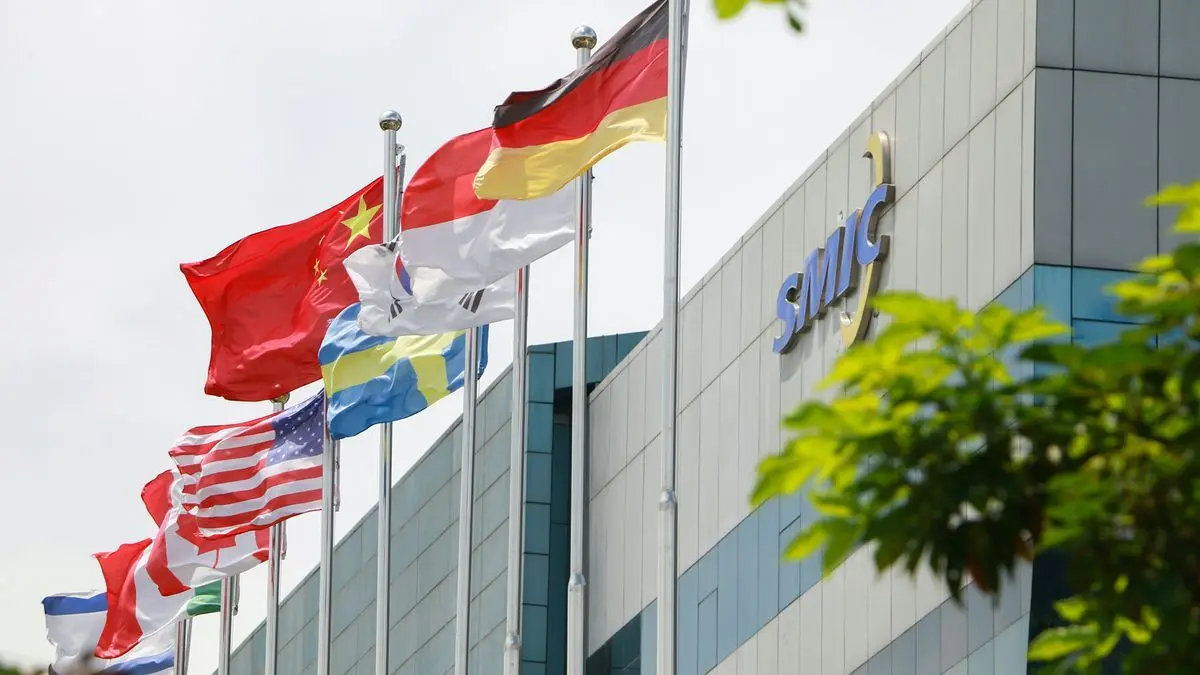
SMIC, currently the only company in China capable of producing chips on 7nm-class manufacturing processes, sits at the center of this expansion effort
1
. The foundry has been gradually expanding its leading-edge semiconductor production footprint across Shanghai, Shenzhen, and Beijing fabs for years. According to SemiAnalysis modeling, SMIC was on track to approach roughly 50,000 wafer starts per month on advanced production nodes in 20251
.
Source: Tom's Hardware
Hua Hong Semiconductor, China's second-largest contract chipmaker, has joined the push into advanced logic manufacturing under pressure from central and regional authorities
1
. The company, which historically focused on mature nodes, is now reportedly ramping its 28nm and 22nm-capable capacities with technical assistance from Huawei1
. Beyond these two major foundries, Huawei-linked entities such as PengXinWei and Dongguan Guangmao Technologies are building pilot lines and development capacity, including efforts targeting nodes more advanced than 10nm1
.Export Controls Create Equipment Bottlenecks
The ambitious expansion to boost advanced chip output faces formidable obstacles, primarily stemming from limited access to wafer fabrication equipment from American, Japanese, and European suppliers
1
. Zhao Haijun, co-CEO of SMIC, recently highlighted these challenges during a conference call with financial analysts, revealing that some procured tools will not enter production this year due to difficulties acquiring supporting equipment1
."Due to the impact of external factors, the company has procured some key equipment in advance, while the supporting equipment may not be purchased yet," Zhao Haijun explained. "This timing difference has brought an even situation that the procured equipment may not be able to form production lines this year"
1
. Despite these sanctions and export controls, SMIC's ramp has been supported by its ongoing ability to procure some fabrication equipment from foreign companies, though enforcement of restrictions continues to tighten1
.Related Stories

Industry Analysts Project Measured Growth
UBS estimates that China's existing capabilities for 22nm/28nm nodes and below currently stand at around 30,000 to 50,000 wafer starts per month, suggesting SMIC's 7nm-capable production lines produce considerably fewer wafers per month than that figure
1
. However, UBS remains optimistic about capacity expansion prospects in the coming years."Our industry discussions suggest the combined capacity expansion of multiple 'advanced' fabs could be 50K - 60K wpm or even higher in 2026E from 30K - 50K wpm in 2025," a recent UBS note for clients reads
1
. The firm's prior industry discussions suggested China targets reaching 150,000 to 160,000 wafer starts per month advanced node capacity by end-20271
.Despite equipment constraints, SMIC expects to continue adding capacity this year, though not necessarily to advanced product lines. Based on current conditions, the company estimates an increase of around 40,000 12-inch equivalent wafers in monthly capacity by year-end compared to last year, likely focused on trailing nodes rather than leading-edge semiconductor production
1
. The AI sector's voracious appetite for advanced chips will determine whether these expansion plans can meet domestic demand or whether China will continue relying on alternative procurement strategies to fuel its technological ambitions.References
Summarized by

Navi
[2]
Related Stories
China's No. 2 chipmaker advances 7 nm production for AI chips amid self-sufficiency push
16 Mar 2026•Technology
Nvidia's AI Chip Dominance Challenged as China Accelerates Domestic Production
23 Sept 2025•Technology

Cambricon Technologies plans to triple AI chip production to fill Nvidia void in China
04 Dec 2025•Technology
Recent Highlights
1
Meta unveils Muse Spark AI model as Superintelligence Labs makes its debut
Technology

2
Anthropic restricts Mythos AI model release, citing unprecedented cybersecurity capabilities
Technology

3
Anthropic sends Claude AI to psychiatrist, discovers functional emotions that shape behavior
Science and Research

Recent Highlights
Today's Top Stories






Your Daily Dose of Curated AI News
Don’t drown in AI news. We cut through the noise - filtering, ranking and summarizing the most important AI news, breakthroughs and research daily. Spend less time searching for the latest in AI and get straight to action.

