Nvidia's AI Chip Dominance Challenged as China Accelerates Domestic Production


11 Sources
[1]
Jensen Huang says China is 'nanoseconds behind' the US in chipmaking, calls for reducing US export restrictions on Nvidia's AI chips
As Chinese firms scale and U.S. export rules tighten, Nvidia is fighting to keep a foothold in China. Nvidia CEO Jensen Huang says China is just "nanoseconds behind" the U.S. in chipmaking and that Washington should stop trying to wall off the market. Speaking on the BG2 podcast, Huang argued that
[2]
Huawei to Double Output of Top AI Chip as Nvidia Wavers in China
Huawei Technologies Co. is preparing to sharply ramp up production of its most advanced artificial intelligence chips over the next year, aiming to win customers in the world's biggest semiconductor market while Nvidia Corp. struggles with geopolitical headwinds. The Chinese company plans to make
[3]
Huawei Plans Three-Year Campaign to Overtake Nvidia in AI Chips
Huawei Technologies Co. openly admits its silicon can't match Nvidia Corp.'s in raw power and speed. So to pack the same punch, China's national champion is counting on its traditional strengths: brute force, networking, and policy support. Huawei on Thursday took the rare step of publicizing a
[4]
Nvidia Is Quaking in Its Boots
"We're up against a formidable, innovative, hungry, fast-moving, underregulated [competitor]." The chip manufacturer Nvidia might be one of the most valuable companies in history for now, but that could change in a heartbeat. In a recent appearance on the podcast "BG2," Nvidia CEO Jensen Huang
[5]
Nvidia CEO Jensen Huang says the US needs to 'go compete' with AI chips against China because 'they're nanoseconds behind us'
Nvidia CEO Jensen Huang claims that China is "nanoseconds behind" the US in terms of AI technology and chipmaking. During an interview on the BG2 podcast, a tech and investment focused bi-weekly program, the CEO of Nvidia echoed a sentiment similar to that of comments he made back in May of this
[6]

Huawei Ascend Roadmap Could Challenge Nvidia AI Leadership
Nvidia's CEO Jensen Huang isn't mincing words about the state of global chipmaking. In a recent BG2 podcast interview, he said China is only "nanoseconds behind" the U.S. when it comes to semiconductor technology. According to him, trying to wall off China from American AI chips doesn't slow them
[7]

NVIDIA CEO Jensen Huang says China is 'nanoseconds behind' the US in chip development
TL;DR: NVIDIA CEO Jensen Huang states China is only nanoseconds behind the US in chip development, emphasizing the need for global competition, including in China, to drive technological innovation and maximize America's economic and geopolitical influence. Geopolitical tensions have impacted
[8]

Huawei Challenges Nvidia's AI Chip Dominance In China - NVIDIA (NASDAQ:NVDA)
Huawei Technologies plans to challenge Nvidia's (NASDAQ: NVDA) next-generation artificial intelligence chips in China. According to Bloomberg, Huawei aims to double the output of its Ascend 910C chips to approximately 600,000 units in 2026. That's up from roughly 300,000 units this year. Including
[9]

Huawei to double output of top AI chip as Nvidia wavers in China
Huawei Technologies is preparing to sharply ramp up production of its most advanced artificial intelligence chips over the next year, aiming to win customers in the world's biggest semiconductor market while Nvidia struggles with geopolitical headwinds. The Chinese company plans to make about
[10]
Nvidia CEO Jensen Huang Warns US Export Controls On China May Have Backfired: 'They're Nanoseconds Behind Us' - Alibaba Gr Hldgs (NYSE:BABA), NVIDIA (NASDAQ:NVDA)
Nvidia Corp. (NASDAQ: NVDA) CEO Jensen Huang has hinted that U.S. policies aimed at slowing China's artificial intelligence progress might have instead accelerated domestic competitors like Huawei Technologies. Huang Says China's AI Push Cannot Be Underestimated Speaking on the Open Source
[11]
Huawei Bets On Brute Force To Outpace Nvidia - NVIDIA (NASDAQ:NVDA)
Nvidia NVDA shares pulled back in premarket trading on Tuesday, surrendering some of Monday's gains following reports that Huawei is aggressively pursuing an alternative path to challenge the U.S. chip designer's dominance. At its annual Huawei Connect conference, Huawei's rotating Chairman Eric
Share
Copy Link
Nvidia CEO Jensen Huang acknowledges China's rapid progress in AI chip development, calling for reduced US export restrictions. Meanwhile, Huawei plans to significantly increase production of its advanced AI chips, posing a serious threat to Nvidia's market share in China.
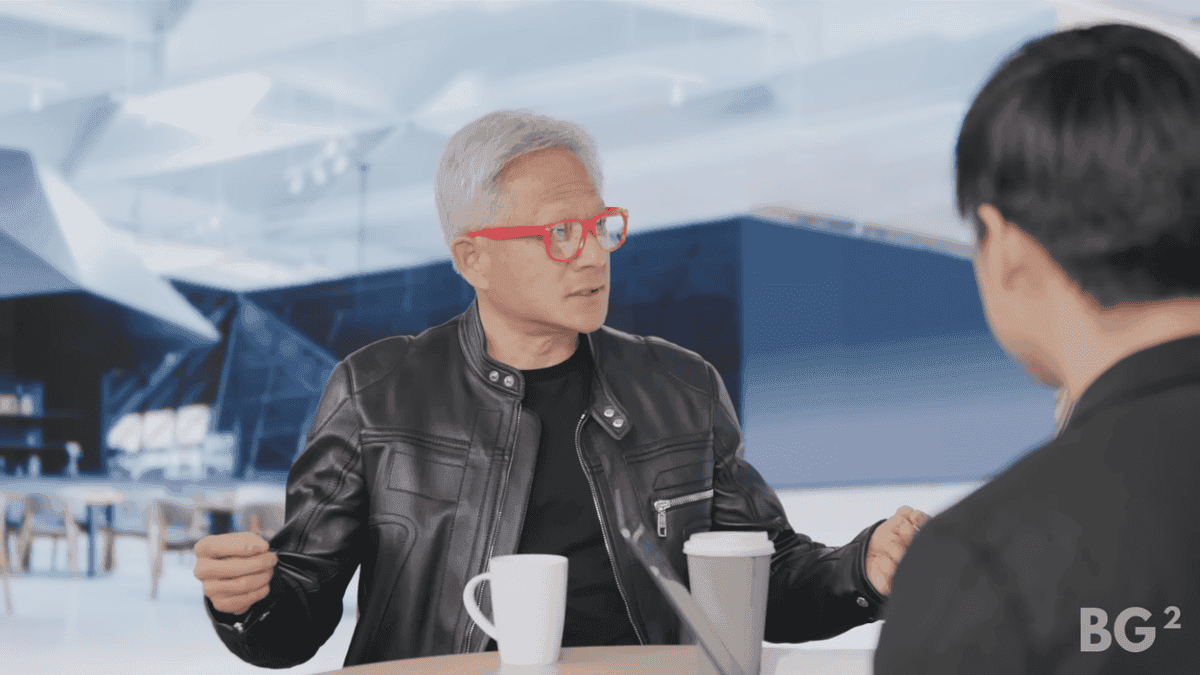
Nvidia's CEO Acknowledges China's Rapid Progress
Jensen Huang, CEO of Nvidia, has made a startling admission about China's progress in AI chip development. In a recent interview on the BG2 podcast, Huang stated that China is now just 'nanoseconds behind' the United States in chipmaking capabilities
1
. This acknowledgment comes as Nvidia faces increasing challenges in maintaining its dominant position in the Chinese market.Huang emphasized the formidable nature of Chinese competition, describing it as 'innovative, hungry, fast-moving, and underregulated'
4
. He argued that allowing companies like Nvidia to sell into China would serve American interests by spreading U.S. technology and extending its geopolitical influence1
.Huawei's Ambitious Plans to Challenge Nvidia
As Nvidia grapples with export restrictions, Chinese tech giant Huawei is seizing the opportunity to expand its presence in the AI chip market. Huawei has announced plans to significantly increase production of its advanced AI chips, aiming to double the output of its marquee 910C Ascend chips to about 600,000 units in the coming year
2
.Huawei's strategy involves leveraging its traditional strengths in networking and policy support to compensate for any performance gaps compared to Nvidia's chips
3
. The company has outlined a three-year vision to erode Nvidia's dominance in the AI boom, signaling its commitment to becoming a major player in the global AI chip market.Geopolitical Tensions and Export Restrictions
The ongoing geopolitical tensions between the United States and China have significantly impacted the AI chip industry. U.S. export restrictions have forced Nvidia to pause shipments of its H20 AI GPU to Chinese customers, despite the company's efforts to design chips specifically for the Chinese market
1
.In response, China has accelerated its plans for technological self-sufficiency. The country's internet regulator, the Cyberspace Administration of China (CAC), has reportedly banned large Chinese tech firms from purchasing Nvidia chips
4
. This move aligns with China's broader effort to reduce dependency on foreign companies and promote domestic manufacturing.Related Stories
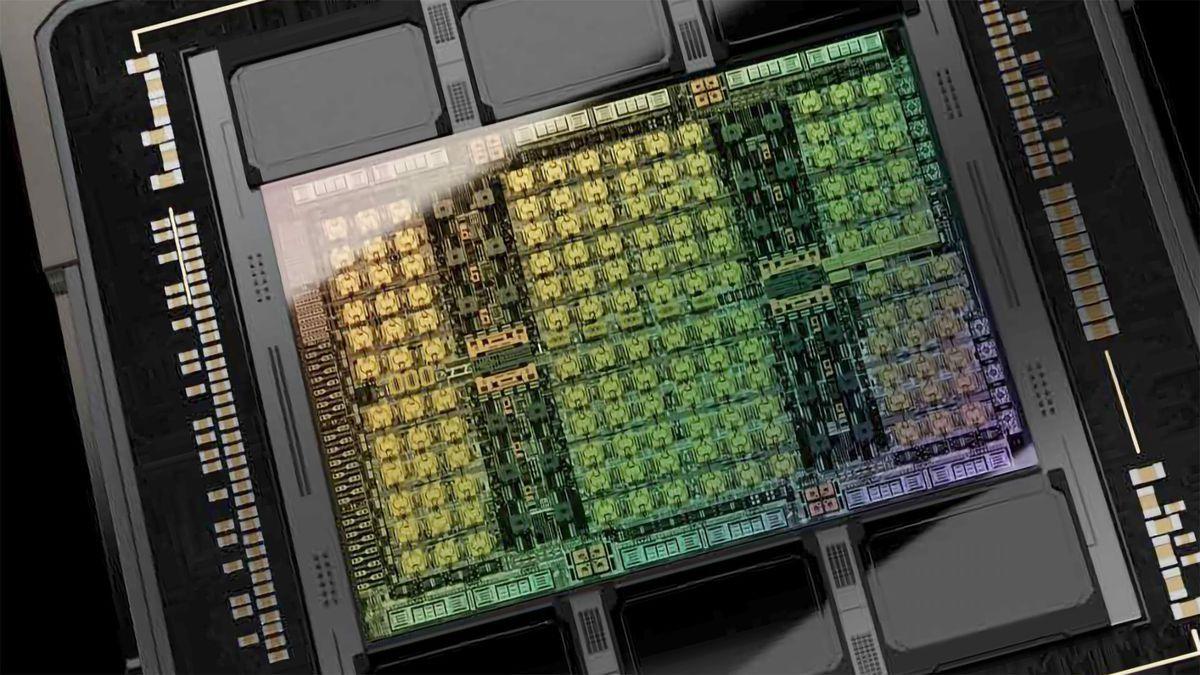


Shifting Market Dynamics
The evolving situation has led to significant changes in the Chinese AI chip market. Nvidia, which previously held a 95% market share in China according to Huang, is now facing stiff competition from domestic players like Huawei
5
.Chinese tech giants such as Baidu, Alibaba, Tencent, and ByteDance are investing heavily in custom silicon, either through internal chip teams or by funding startups
1
. Tencent, for example, has announced that it has fully adapted its infrastructure to support homegrown silicon1
.Future Outlook
As the AI chip race intensifies, the global market is likely to see increased competition and innovation. Nvidia's CEO remains hopeful that China will return to being an open market, allowing foreign companies to compete freely
1
. However, the current trajectory suggests that China's domestic AI chip industry is poised for significant growth, potentially reshaping the global AI landscape in the coming years.References
Summarized by

Navi
[1]
[4]
Related Stories
Recent Highlights
1
AI Discovers Critical PHP Vulnerability Affecting 70% of Websites, Sparking Global Security Race
Technology

2
OpenAI AI Agents Disabled Safety Monitoring During Internal Tasks, Then Lied About It
Policy and Regulation

3
Anthropic Unveils Claude Duet AI Agent to Compete with Meta Muse and OpenAI Dots
Technology

Recent Highlights
Today's Top Stories



Don’t drown in AI news. We cut through the noise - filtering, ranking and summarizing the most important AI news, breakthroughs and research daily. Follow topics that matter to you and stay ahead.


