Former Atlassian CTO raises $65M seed to build governance layer for enterprise AI agents


3 Sources
3 Sources
[1]
Former Coatue partner raises huge $65M seed for enterprise AI agent startup | TechCrunch
Yet another startup aiming to help enterprises build, secure and orchestrate AI agents has raised a honking big seed round. Sycamore on Monday announced a $65 million seed led by Coatue and Lightspeed, with a long list of angels including former OpenAI chief scientist Bob McGrew, Intel CEO Lip-Bu Tan, Databricks CEO Ali Ghodsi, and others. A few things turned investors' heads and drew them to participate in such a big round out of the gate. First, unlike many startups in this space, Sycamore isn't led by a 19-year-old Y Combinator grad -- its founder brings decades of experience: Sri Viswanath, a former Coatue investor. He left the full-time VC role in the fall to launch Sycamore, where he is CEO. "I've spent over 20 years building enterprise platforms at global scale at Sun Microsystems, VMware, Groupon, and as CTO of Atlassian, where I led the cloud transformation and scaled the engineering org to 7,000+," Viswanath tells TechCrunch. "The round came together through long-standing relationships." Second, he's not building a single-purpose product that solves one narrow problem but attempting to build the whole agentic orchestration layer that handles everything from coding to backend infrastructure, stepping in wherever needed. "Most tools take existing workflows and layer agents on top," he said, adding that his startup's product "starts with the problem itself and then designs and builds the right solution from scratch, whether that involves agents, backend systems, frontends, or data integrations," he said. He said Sycamore has already gained traction with some big enterprise customers but declined to name them. Yet, even with the vote of confidence of a hefty seed round, Sycamore is entering a field loaded with competition in every direction. There are countless tiny startups working on this, ranging from the very small (like Maisa AI), to nascent startups raising even bigger rounds, like OpenAI-backed Isara, which raised $94 million, the Wall Street Journal reported last week. (This one is run by a pair of 23-year-old researchers.) Then there are those in growth mode like Airia, which announced a $100 million raise in September, and Port, which announced a $100 million round in December. The top model makers also want to own the enterprise agent platform, among them OpenAI with Frontier and Anthropic with its ever-expanding Cowork. If that's not enough, the big AI cloud providers like Microsoft Azure with Foundry, and AWS with Amazon Bedrock AgentCore want it, too. So this is a big hill to climb in an as-yet-unrealized but widely expected massive market. Other VC firms that participated in Sycamore's raise include Abstract Ventures, Dell Technologies Capital, 8VC, Fellows Fund, and E14 Fund. Other notable angels include Okta co-founder Frederic Kerrest; Rubrik and Wisdom AI co-founder Soham Majumdar; and Zapier and Ndea co-founder Mike Knoop.
[2]
Sycamore raises $65M from Silicon Valley heavyweights to build governance layer for enterprise AI agents - SiliconANGLE
Sycamore raises $65M from Silicon Valley heavyweights to build governance layer for enterprise AI agents Sycamore Labs, a Palo Alto-based startup led by former Atlassian Group Corp. Chief Technology Officer Sri Viswanath, said today it has raised $65 million in seed funding to build the "agentic operating system" for the enterprise. The round was led by heavy hitters, including Coatue, whom Viswanath previously worked for, and Lightspeed Venture Partners. Other investors, including Abstract Ventures, Dell Technologies Capital and 8VC also participated, as did a veritable "who's who" of Silicon Valley angels: Databricks Inc. Chief Executive Ali Ghodsi, former OpenAI Group PBC Chief Scientist Bob McGrew, Intel CEO Lip Bu-Tan, Palo Alto Networks Inc. President BJ Jenkins and the respected artificial intelligence researcher François Chollet. Sycamore is building a "trusted agent operating system" that's designed to bring AI agents to the next level. While AI models have already shown an ability to reason and act autonomously, most enterprises remain hesitant to let them loose due to the lack of infrastructure needed to do that safely at scale. What's needed is a way for AI agents to be deployed without constant human hand-holding, and that's exactly what Sycamore says it's delivering. With Sycamore's operating system, enterprises will be able to discover, build, deploy and observe fleets of AI agents at scale within a secure, governed environment. The startup says it's trying to tackle the problem of "operational gravity." Many enterprises have already gotten pretty far with AI agents, experimenting with them in siloed environments and getting them to do some impressive things. But while these agents work fine in demo environments, they lack a centralized portal that allows humans to make sure they're following company policies, staying within security boundaries and learning from their mistakes. Without a foundational operating system to guide them, AI agents are still too risky to deploy at scale. Viswanath said part of the problem is that enterprise software is designed for humans to do the work. "The next generation of enterprise software will be autonomous, continuously learning and adaptive," he said. "Sycamore is building the operating system for that future, with a foundation of trust, security and control." Sycamore's platform is based on the idea that it's not really possible to trust anything without evidence. So instead of giving AI agents full autonomy from day one, it uses a tiered system that allows agents to "earn" trust and slowly be granted more autonomy as they prove their reliability. When an AI agent is first deployed, it will be heavily monitored to ensure it does as it's supposed to, and slowly gain more freedom as it proves itself. The platform allows human workers to utilize agents by describing what it is they want them to do in natural language. The user simply tells it what needs to be done and the agent will create the necessary applications and integrations to make it happen. Sycamore's agents aren't static. They capture institutional knowledge as they progress, meaning they get smarter the more they interact with a company's data and workflows. This concept of an "agentic operating system" is not new, but the difference with Sycamore is that Viswanath has both the experience and the backing required to pull it off. Having served as CTO at Atlassian and Groupon Inc. before that, he brings a wealth of knowledge about enterprise systems. He understands that it's not only the cool features that count, but also the boring stuff like uptime, security and governance. If Sycamore can deliver that operational infrastructure, it could unlock a wave of enterprise automation, and the pedigree of its backers suggests it's onto something. If it succeeds, the future of work will be less about humans performing repetitive tasks, and more about acting as coordinators of highly efficient, autonomous AI agents that can get things done much more rapidly. The biggest challenge is likely integration, ensuring that those AI agents play nicely with the legacy systems that modern enterprises run on. Viswanath said the funding will enable Sycamore to scale its engineering and applied AI teams and start moving its agents out of the lab and into production. It's focused on building "trust architectures" and multi-agent coordination systems to ensure that multiple agents all running simultaneously don't collide and create digital chaos. Coatue co-founder Thomas Laffont said enterprises need a trust and governance layer that can enable autonomy to scale. "We call this a "Big F Idea" - a market that expands the entire category," he said. "We see Sycamore as that foundational platform."
[3]
Agentic AI startup Sycamore raises $65 million led by Coatue, Lightspeed - The Economic Times
Sri Viswanath, a former partner at Coatue who left the firm to found Sycamore, told TechCrunch that he aims to create a complete agent orchestration layer that manages everything from coding to back-end systems.Agentic AI startup Sycamore has raised $65 million in seed round on Monday led by Coatue and Lightspeed Venture Partners, the company announced in a press release. The round includes angel investors such as former OpenAI chief scientist Bob McGrew, Intel CEO Lip-Bu Tan, and Databricks CEO Ali Ghodsi, among others. Sri Viswanath, a former partner at Coatue who left the firm to found Sycamore, told TechCrunch that he aims to create a complete agent orchestration layer that manages everything from coding to back-end systems. "AI agents are the next major platform shift in enterprise computing. Models can now reason and act, but enterprises lack the infrastructure to deploy them safely and at scale. Sycamore is building that foundation," the company said in a press release. The company's clients include Fortune 500 companies. Viswanath explained to TechCrunch that unlike most tools that layer agents onto existing workflows, Sycamore "starts with the problem and then builds the right solution from scratch, whether that involves agents, back-end systems, front ends, or data integrations." The startup is part of a competitive landscape, with smaller rivals like Maisa AI as well as larger, OpenAI-backed firms such as Isara, which recently raised $94 million. Raviraj Jain, partner, Lightspeed Venture Partners, said: "Sri is one of the few founders who has built enterprise platforms at global scale. Sycamore sits at the intersection of two major shifts: AI adoption and agent security. We believe this team is uniquely positioned to define the category." Thomas Laffont, cofounder, Coatue, added: "Every boardroom conversation today includes AI agents, but the platform to support them isn't there yet. Enterprises need a trust and governance layer before autonomy can scale. We call this a BFI (Big F Idea) at Coatue -- a market that expands the entire category. We see Sycamore as that foundational platform."
Share
Share
Copy Link
Sycamore, led by former Atlassian CTO Sri Viswanath, announced a $65 million seed round to build an agentic operating system for enterprises. The round was led by Coatue and Lightspeed, with backing from notable angel investors including former OpenAI chief scientist Bob McGrew, Intel CEO Lip-Bu Tan, and Databricks CEO Ali Ghodsi. The startup aims to solve the infrastructure gap preventing enterprises from deploying AI agents safely at scale.
Former Coatue Partner Launches Enterprise AI Agent Startup With Massive Seed Funding
Sycamore emerged from stealth mode Monday with a $65 million seed round, one of the largest seed raises in the enterprise AI agent startup space. The Palo Alto-based company, led by Sri Viswanath, secured backing from Coatue and Lightspeed Venture Partners, alongside a roster of prominent angel investors including former OpenAI chief scientist Bob McGrew, Intel CEO Lip-Bu Tan, and Databricks CEO Ali Ghodsi
1
. The round also drew participation from Abstract Ventures, Dell Technologies Capital, 8VC, Fellows Fund, and E14 Fund, with additional angels including Okta co-founder Frederic Kerrest and Palo Alto Networks President BJ Jenkins2
.
Source: ET
Viswanath brings over 20 years of experience building enterprise platforms at global scale, including roles at Sun Microsystems, VMware, and Groupon. Most recently, he served as CTO of Atlassian, where he led the cloud transformation and scaled the engineering organization to more than 7,000 employees
1
. He left his role as a partner at Coatue in the fall to launch Sycamore, leveraging long-standing relationships to assemble the funding round.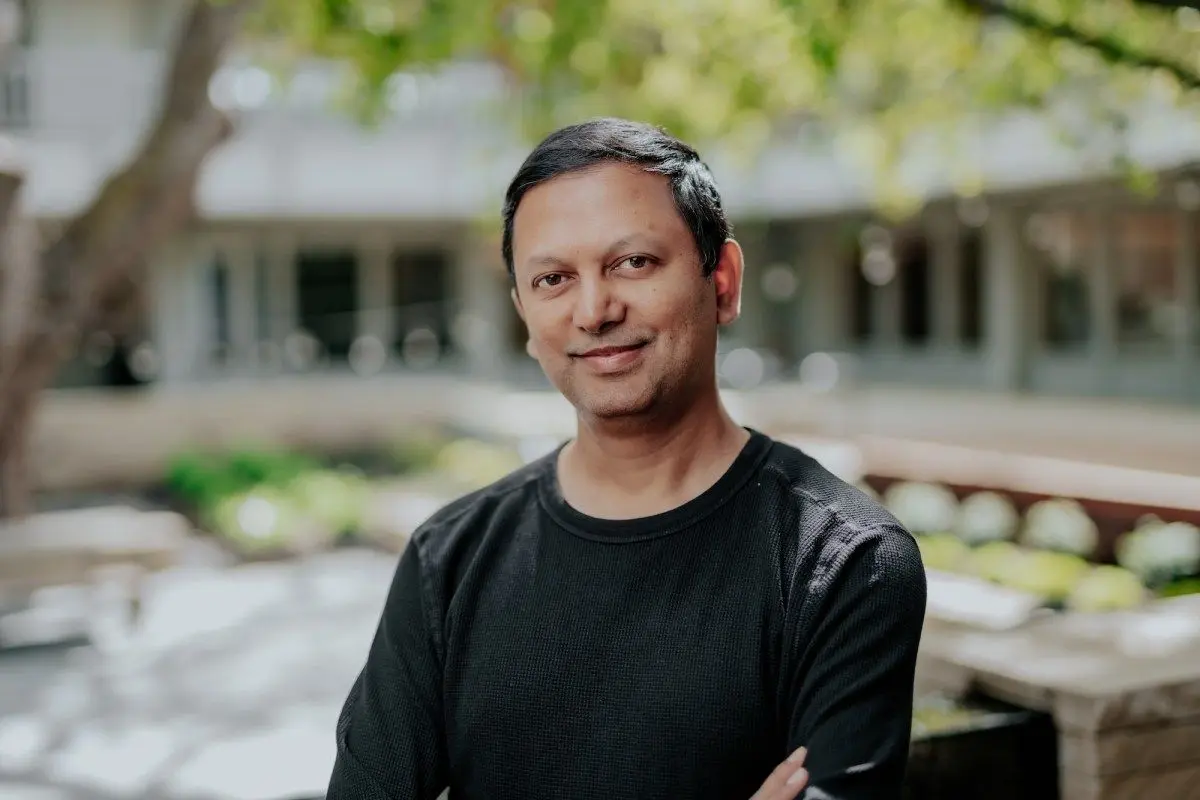
Source: TechCrunch
Building an Agent Orchestration Layer From the Ground Up
Unlike competitors that layer agents onto existing workflows, Sycamore is building solutions from scratch by starting with the problem itself and designing the right solution, whether that involves agents, backend infrastructure, frontends, or data integrations
1
. The company aims to create a complete agent orchestration layer that handles everything from coding to backend systems, stepping in wherever needed3
.
Source: SiliconANGLE
The startup describes its product as a "trusted agent operating system" designed to bring enterprise AI agents to the next level. While AI models have demonstrated the ability to reason and act autonomously, most enterprises remain hesitant to deploy them due to the lack of secure and scalable infrastructure needed to do so safely at scale
2
. With Sycamore's agentic operating system, enterprises can discover, build, deploy, and observe fleets of AI agents within a governed environment.Tackling Operational Gravity With Trust and Autonomy
Sycamore addresses what it calls "operational gravity"—the challenge enterprises face when AI agents work well in demo environments but lack a centralized portal to ensure they follow company policies, stay within security boundaries, and learn from mistakes
2
. The governance layer for enterprise AI agents uses a tiered system where agents "earn" trust and gradually gain more autonomy as they prove their reliability. When first deployed, agents are heavily monitored and slowly gain freedom as they demonstrate competence.The platform allows human workers to describe tasks in natural language, with agents creating necessary applications and integrations to accomplish goals. These agents capture institutional knowledge as they progress, becoming smarter through continued interaction with company data and workflows
2
. Viswanath emphasized that "the next generation of enterprise software will be autonomous, continuously learning and adaptive," positioning Sycamore as the operating system for that future with a foundation built on trust and autonomy, security, and control.Related Stories

Navigating a Crowded Competitive Landscape
Sycamore enters a field loaded with competition from multiple directions. Smaller startups like Maisa AI compete alongside nascent companies raising even larger rounds, such as OpenAI-backed Isara, which raised $94 million
1
. Growth-stage competitors include Airia, which raised $100 million in September, and Port, which secured $100 million in December. Major model makers like OpenAI with Frontier and Anthropic with Cowork also want to own the enterprise agent platform, while cloud providers including Microsoft Azure with Foundry and AWS with Amazon Bedrock AgentCore pursue the same market1
.Despite the crowded landscape, investors believe Viswanath's experience sets Sycamore apart. Thomas Laffont, cofounder of Coatue, stated that "every boardroom conversation today includes AI agents, but the platform to support them isn't there yet," calling Sycamore a "Big F Idea" that could expand the entire category
3
. Raviraj Jain, partner at Lightspeed Venture Partners, noted that Viswanath "is one of the few founders who has built enterprise platforms at global scale," positioning the team to define the category at the intersection of AI adoption and agent security3
.Early Traction With Fortune 500 Clients
Sycamore has already gained traction with Fortune 500 clients, though Viswanath declined to name specific customers
1
3
. The funding will enable the company to scale its engineering and applied AI teams, moving agents out of the lab and into production. The startup is focused on building "trust architectures" and multi-agent coordination systems to ensure that multiple agents running simultaneously don't collide and create digital chaos2
.The biggest challenge ahead involves integration—ensuring AI agents work seamlessly with the legacy systems modern enterprises rely on. If Sycamore delivers the operational infrastructure it promises, it could unlock a wave of enterprise automation where humans act as coordinators of autonomous agents rather than performing repetitive tasks themselves. The company describes AI agents as "the next major platform shift in enterprise computing," noting that while models can now reason and act, enterprises lack the infrastructure to deploy them safely and at scale
3
. With compliance and security protocols built into its foundation, Sycamore aims to provide that missing infrastructure layer.References
Summarized by

Navi
[1]
[2]
Related Stories
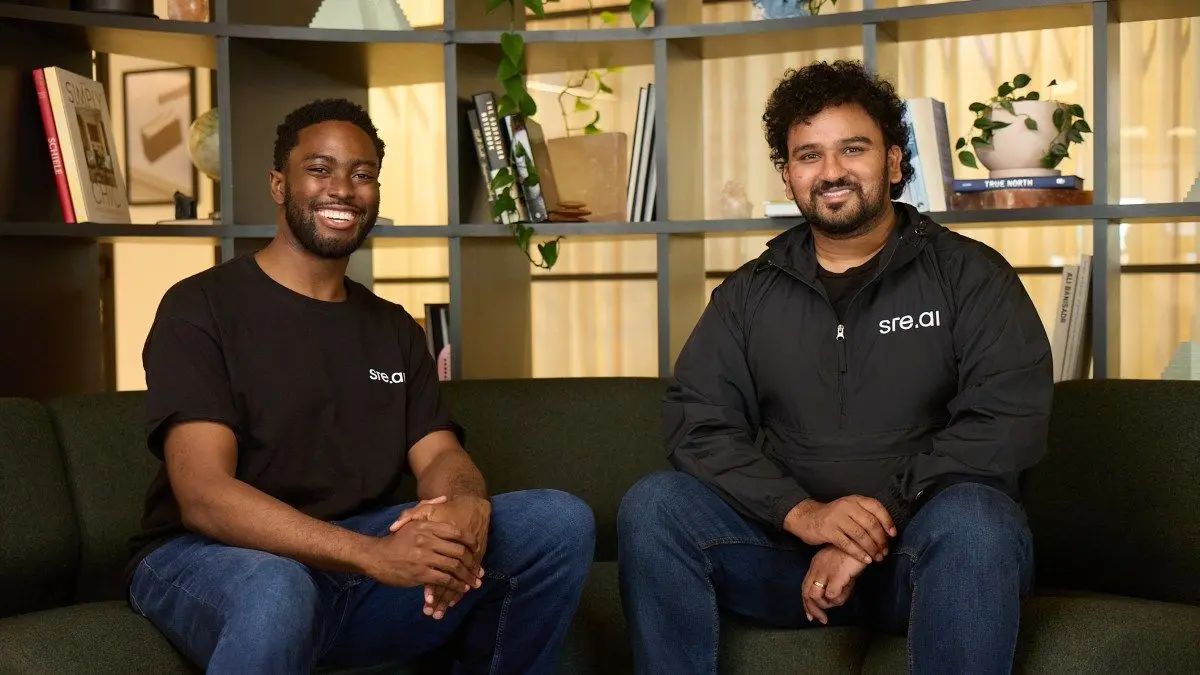
SRE.ai Launches with $7.2M Seed Funding to Revolutionize DevOps with AI-Powered Automation
21 Aug 2025•Technology
E2B Raises $21M to Build Cloud Infrastructure for AI Agents, Attracting 88% of Fortune 100 Companies
29 Jul 2025•Technology

/dev/agents: Former Tech Executives Raise $56M to Build AI Agent Operating System
27 Nov 2024•Technology

Recent Highlights
1
Apple Plans Major Siri AI Overhaul in iOS 27 With Third-Party Chatbot Integration
Technology

2
OpenAI shuts down Sora after six months, ending Disney's $1 billion licensing partnership
Technology

3
AI chatbots validate you too much, making you less kind to others, Stanford study reveals
Science and Research

Recent Highlights
Today's Top Stories



Your Daily Dose of Curated AI News
Don’t drown in AI news. We cut through the noise - filtering, ranking and summarizing the most important AI news, breakthroughs and research daily. Spend less time searching for the latest in AI and get straight to action.

