Framework CEO warns personal computing faces existential threat from AI boom component shortage


3 Sources
3 Sources
[1]
Framework founder says that 'personal computing as we know it is dead' -- vows to keep building 'computers that you can own at the deepest level'
Framework founder Nirav Patel has decried the "winner takes all" race currently happening in the computer industry, especially as various AI tech companies are consuming memory and storage chips, and even processors, at an unprecedented pace. He said in the blog announcing the company's Framework [Next Gen] Event 2026 on April 21 that despite its achievements in helping push for a more repairable, upgradable, and customizable laptop ecosystem, "There is a very real scenario in which personal computing as we know it is dead." All of this stems from the massive demand that the buildout of AI infrastructure has placed on computing and other resources. What began as a GPU shortage from 2023 to 2025 eventually turned into a memory and storage chip shortage that started in late 2025. Now, we're seeing inklings of a CPU shortage, as data centers now demand massive amounts of server CPUs to power AI agents. This also does not include the massive increases in electricity costs as energy suppliers and grid operators invest in new power plants and upgrade infrastructure to handle the massive amounts of power that data centers demand. Unfortunately, these AI companies are backed by massive investments, meaning the average consumer has no recourse against these tech giants. "It's clear that the fundamentals of computing and electronics have changed. The computer in the cloud has increasingly greater economic output than the computer in the hand. This means that to the extent that there are constraints on the supply that feeds both, the cloud will win every time," Patel said. He also added, "The industry is asking you to own nothing and be happy. Computers are no longer a bicycle for the mind. They are becoming the self-driving car that takes you directly to the destination." Still, Framework said that it will not take this lying down. Its event announcement also doubled as its own manifesto, saying that "as long as there is a person in the world who still wants to own their means of computation, we will be here to build the hardware that enables it," and that it "will always be fighting for a future where you can own everything and be free." This niche company has been going against the grain of the wider laptop industry trend of non-repairable, non-upgradeable parts. Framework laptops are fully upgradeable -- from memory and storage to the GPU, motherboards, and even the display. The Framework Laptop 16 (RTX 5070) is one of its latest products, which proved that you can actually upgrade the graphics cards on a laptop; something that Dell tried (and failed at) with its Alienware Area-51m gaming laptops. The ever-increasing RAM and SSD pricing have got the entire computing industry on edge, but Framework is providing monthly updates to the community to help navigate these shortages. Follow Tom's Hardware on Google News, or add us as a preferred source, to get our latest news, analysis, & reviews in your feeds.
[2]
The Death of PC Ownership? Framework Computer CEO Issues Chilling Warning
Upgradable laptop maker Framework Computer is warning that the AI-driven memory shortage is more than just a supply issue, but a potential threat to the future of PC ownership. "There is a very real scenario in which personal computing as we know it is dead," CEO Nirav Patel wrote in a blog post. San Francisco-based Framework has been forced to announce successive price increases due to the memory crunch inflating component costs. It's ensnared all kinds of products, including phones, laptops, and consoles, forcing consumers to pay more or hold off on purchases. However, Patel worries the memory shortage will get so severe that it'll push the tech industry to ditch traditional PC sales and explore subscription models, essentially renting hardware to consumers. He alludes to the economics around the ongoing AI data center scramble; the big tech giants have been willing to pay top dollar for GPUs and memory components, consuming them at "unprecedented levels in a 'winner takes all' race to an AI-first world." "It's clear that the fundamentals of computing and electronics have changed. The computer in the cloud has increasingly greater economic output than the computer in the hand. This means that to the extent that there are constraints on the supply that feeds both, the cloud will win every time," he wrote. Patel then adds, "What does this all mean? The industry is asking you to own nothing and be happy. Computers are no longer a bicycle for the mind. They are becoming the self-driving car that takes you directly to the destination." The situation is certainly dire; some analysts predict that smaller electronics vendors will need to exit the industry due to rising costs and limited memory supplies. Meanwhile, consumers are wondering when or if next-generation video game consoles and graphics cards will arrive amid concerns that the memory shortage will sap their output. However, Framework's CEO used his blog post as a "manifesto" to push back against the doom and gloom. "No matter how inevitable the AI-takes-all scenario may sound, as long as there is a person in the world who still wants to own their means of computation, we will be here to build the hardware that enables it," Patel says. "That means computers that you can own at the deepest level and do what you want with, whether that is choosing your OS, modifying your hardware, or even just keeping your data and computation local rather than leased from the cloud." Still, Patel didn't offer any specifics on how to keep costs down; the company has thus far been at the mercy of component suppliers. For now, he simply said, "We won't get there all at once, but we will always be fighting for a future where you can own everything and be free. Every step we take and every product we ship serves that goal." Framework is preparing to debut new products on Tuesday, April 21 at an event in San Francisco. Stay tuned for our coverage.
[3]
'Personal computing as we know it is dead': Framework CEO issues dire warning over AI boom
Prices of memory, storage, and silicon keep rising as the likes of OpenAI, Microsoft, and Google burn through stock of components at an unprecedented pace to build out AI infrastructure. Framework CEO Nirav Patel warns that consumers are the ones getting left in the dust in this "winner-take-all race to an AI-first world," and, at this rate, "there is a very real scenario in which personal computing as we know it is dead." He said as much in a self-described manifesto posted this week announcing the company's Framework [Next Gen] Event 2026 on April 21. For the uninitiated, Framework specializes in modular laptops that prioritize upgradeability and repairability. Despite Framework's achievements in pushing for a more repairable, upgradable, and customizable laptop ecosystem, the rising costs of computer components paint a grim picture at the consumer level. One where your average PC user has less agency than ever before. "The industry is asking you to own nothing and be happy," Patel said. "Computers are no longer a bicycle for the mind. They are becoming the self-driving car that takes you directly to the destination." Framework pushes back At the heart of this industry upset is the enormous strain that the rapid expansion of AI infrastructure has placed on computing and related resources. Data centers need vast quantities of server processors and memory to support AI agents, and tech giants are gobbling up available resources to fuel them. To keep up with the surging demand from AI data centers, leading memory manufacturers are reallocating production toward stacked high-bandwidth memory (HBM) and server-grade DDR5, which leaves only so much capacity for consumer devices and mainstream systems. This year, AI-centric memory is projected to consume 70% of global memory hardware production, according to TrendForce, a Taiwan-based industry analysis and consulting firm that tracks the semiconductor industry. The result? PC component prices have climbed far beyond what most enthusiasts can reasonably afford. "It's clear that the fundamentals of computing and electronics have changed," Patel said. "The computer in the cloud has increasingly greater economic output than the computer in the hand. This means that to the extent that there are constraints on the supply that feeds both, the cloud will win every time." It's not all doom and gloom, though. He ended the post by stating: "No matter how inevitable the AI-takes-all scenario may sound, as long as there is a person in the world who still wants to own their means of computation, we will be here to build the hardware that enables it. That means computers that you can own at the deepest level and do what you want with. "Whether that is choosing your OS, modifying your hardware, or even just keeping your data and computation local rather than leased from the cloud. We won't get there all at once, but we will always be fighting for a future where you can own everything and be free." It's not clear just yet what Framework plans to unveil on April 21, but this scathing manifesto is undoubtedly aimed at getting eyes on its event to build hype for whatever it's cooking up. Announcements will be unveiled on Framework's YouTube channel, Patel said, and the company plans to open up invitations to the Framework community to get their hands on the newest products. Follow Tom's Guide on Google News and add us as a preferred source to get our up-to-date news, analysis, and reviews in your feeds.
Share
Share
Copy Link
Framework CEO Nirav Patel issued a stark warning that personal computing as we know it may be dead, as AI companies consume memory and processors at unprecedented rates. The modular laptop maker vows to keep building computers users can truly own despite rising costs and component shortages driven by data center demands.
Framework CEO Issues Stark Warning About Personal Computing's Future
Framework founder Nirav Patel has issued a sobering assessment of the computing industry's trajectory, declaring that "there is a very real scenario in which personal computing as we know it is dead."
1
The statement came in a manifesto-style blog post announcing the company's Framework [Next Gen] Event 2026 on April 21, where the CEO outlined how the AI boom has fundamentally altered the economics of computing hardware.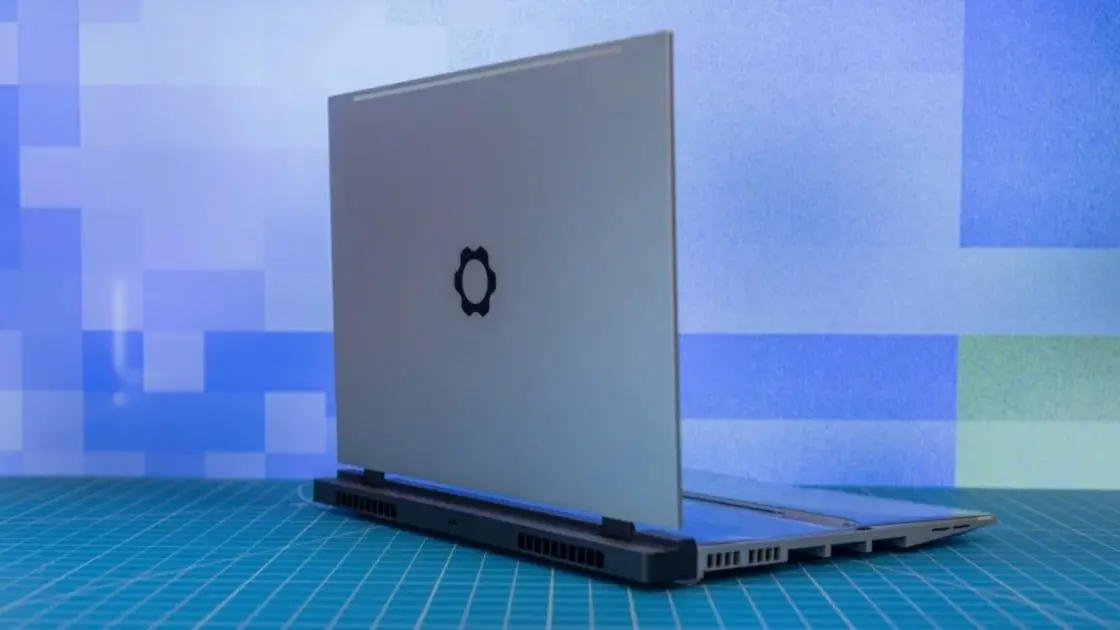
Source: PC Magazine
The warning centers on what Patel describes as a "winner takes all" race among tech giants building AI infrastructure. These companies are consuming memory components, GPUs, and processors at unprecedented levels, creating cascading component shortages that have left consumer devices struggling for supply.
1
What began as a GPU shortage from 2023 to 2025 evolved into an AI-driven memory shortage in late 2025, and now signals of a CPU shortage are emerging as data centers demand massive quantities of server processors to power AI agents.AI Infrastructure Consumes 70% of Global Memory Production
The scale of resource allocation toward AI has reached staggering proportions. According to TrendForce, a Taiwan-based semiconductor industry analysis firm, AI-centric memory is projected to consume 70% of global memory hardware production this year.
3
Leading memory manufacturers are reallocating production capacity toward stacked high-bandwidth memory (HBM) and server-grade DDR5, leaving limited capacity for mainstream systems and consumer devices.This shift has driven component costs far beyond what most enthusiasts can afford, forcing Framework to announce successive price increases.
2
The shortage has ensnared all kinds of products, including phones, laptops, and consoles, forcing consumers to either pay more or delay purchases entirely. Some analysts predict smaller electronics vendors will need to exit the industry due to rising costs and limited memory supplies.Cloud-Based Computing Economics Threaten Hardware Ownership
Patel's concerns extend beyond mere supply chain disruptions to the fundamental economics reshaping the industry. "It's clear that the fundamentals of computing and electronics have changed. The computer in the cloud has increasingly greater economic output than the computer in the hand," he explained.
1
This means that when constraints exist on silicon production, cloud infrastructure will win every time against individual user agency.The Framework CEO worries the memory shortage could become so severe that it pushes the tech industry to ditch traditional PC sales and explore subscription models, essentially renting hardware to consumers rather than selling it outright.
2
"The industry is asking you to own nothing and be happy," Patel said. "Computers are no longer a bicycle for the mind. They are becoming the self-driving car that takes you directly to the destination."1
Related Stories

Framework Commits to Repairable and Upgradable Laptops
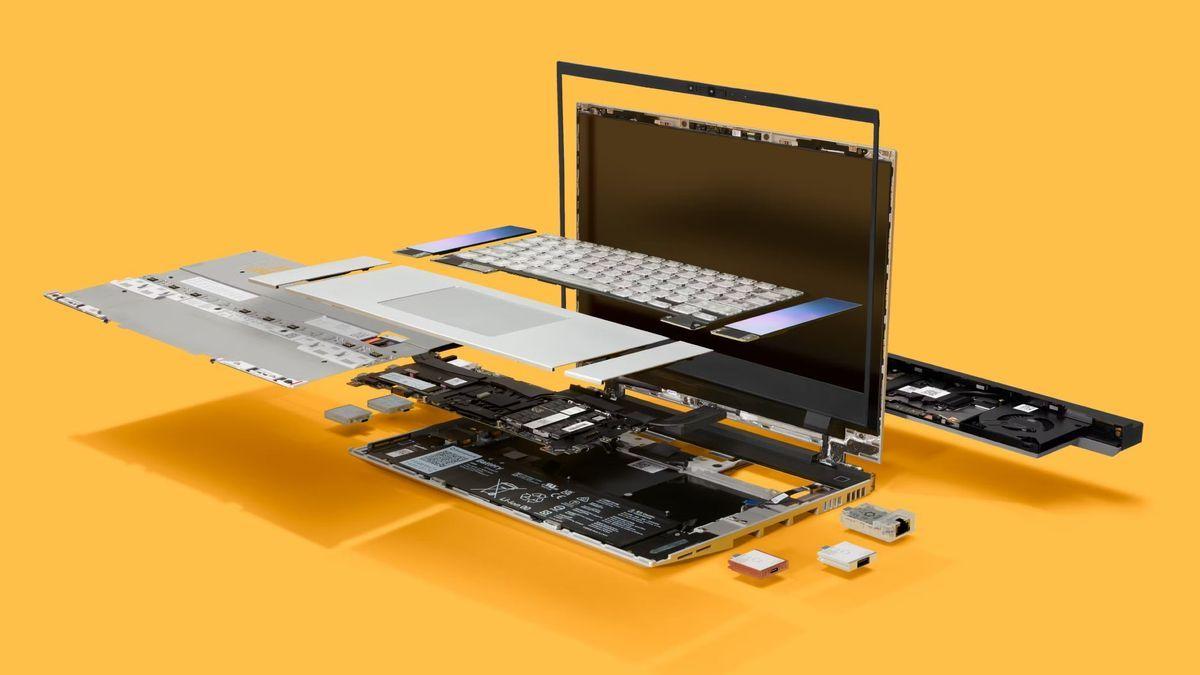
Despite the dire outlook, Framework has positioned itself as a bulwark against the death of personal computing and the threat to PC ownership. The company specializes in modular laptops that prioritize upgradeability and repairability, going against the grain of the wider laptop industry trend of non-repairable, non-upgradeable parts.
1
Source: Tom's Guide
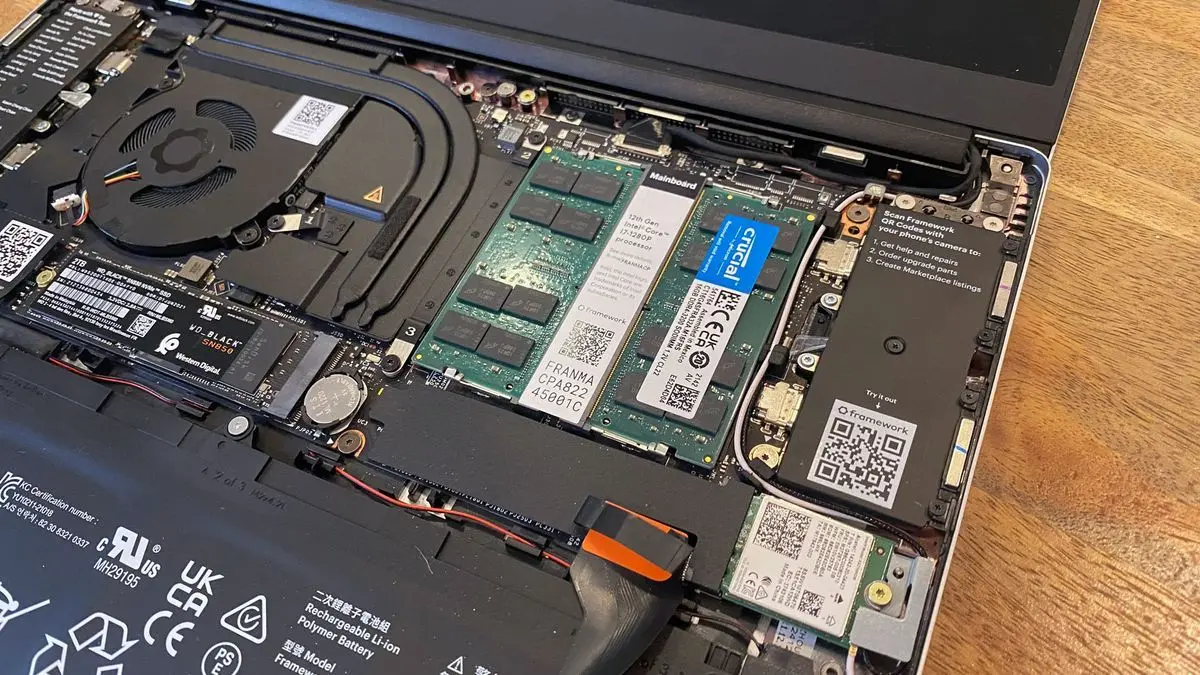
Framework laptops are fully upgradeable—from memory and storage to GPUs, motherboards, and even displays. The Framework Laptop 16 (RTX 5070) is one of its latest products, proving that graphics cards can actually be upgraded on a laptop, something Dell attempted and failed at with its Alienware Area-51m gaming laptops.
1
"No matter how inevitable the AI-takes-all scenario may sound, as long as there is a person in the world who still wants to own their means of computation, we will be here to build the hardware that enables it," Patel declared.
2
This means computers that users can own at the deepest level and do what they want with, whether that involves choosing their OS, modifying their hardware, or keeping data and computation local rather than leased from cloud computing services.What This Means for the Future of Computing
The implications extend beyond pricing concerns to fundamental questions about hardware ownership and the right to repair. Unfortunately, AI companies are backed by massive investments, meaning average consumers have no recourse against these tech giants.
1
The situation also doesn't account for massive increases in electricity costs as energy suppliers and grid operators invest in new power plants and upgrade infrastructure to handle the enormous power demands of data centers.Framework is providing monthly updates to the community to help navigate these component shortages, though Patel didn't offer specifics on how to keep costs down as the company remains at the mercy of component suppliers.
2
The San Francisco-based company plans to unveil new products at its April 21 event, with announcements streaming on Framework's YouTube channel and invitations extended to the Framework community to access the newest products.3
References
Summarized by

Navi
[1]
Related Stories
Jeff Bezos predicts AI will push users to rent your PC from the cloud as RAM crisis accelerates
16 Jan 2026•Technology

AI Crunch Pushes Laptop Prices Up 40% as Memory and Storage Costs Spiral Out of Control
10 Mar 2026•Business and Economy
Framework Unveils Innovative Modular Desktop PC with AMD Ryzen AI Max Processors
26 Feb 2025•Technology

Recent Highlights


Recent Highlights
Today's Top Stories





Your Daily Dose of Curated AI News
Don’t drown in AI news. We cut through the noise - filtering, ranking and summarizing the most important AI news, breakthroughs and research daily. Spend less time searching for the latest in AI and get straight to action.

