Jeff Bezos predicts AI will push users to rent your PC from the cloud as RAM crisis accelerates


2 Sources
[1]
Will AI frenzy give rise to the cloud PC? Jeff Bezos thinks so
Serving tech enthusiasts for over 25 years. TechSpot means tech analysis and advice you can trust. Something NOT to look forward to: While the "thin client" concept is as old as mainframe computing itself, current market conditions are making the idea increasingly compelling. Big Tech companies
[2]
'That's not going to last': Jeff Bezos believes AI will force you to rent your PC from the cloud, and the RAM crisis is accelerating it
The last few months have seen the computing industry shift in a massive way. On one hand, we've seen the likes of the Intel Core Ultra Series 3 chip deliver a huge boost in local performance on a laptop (especially for integrated graphics), and on the other, the RAM crisis is causing prices on tech
Share
Copy Link
Jeff Bezos believes the AI boom and rising hardware costs will drive a shift to cloud PCs, where users rent computing power instead of owning devices. With DRAM shortages pushing memory prices higher and chip manufacturers prioritizing AI data centers, Amazon and Microsoft are already positioning cloud-tethered devices as the future of computing.
Jeff Bezos Envisions Cloud PC Future Driven by AI Demands
Jeff Bezos has reiterated his vision that AI and escalating hardware costs will fundamentally transform how people access computing power. Speaking at The New York Times DealBook Summit in 2024, the Amazon founder drew a comparison between personal computers and obsolete electric generators that breweries once built before power grids became widespread
1
. "I looked at this, and I thought, this is what computation is like today; everyone has their own data center," Bezos explained, adding that "that's not going to last" as users will eventually "buy compute off the grid" through services like AWS2
. His prediction gains credibility as Amazon operates as one of the "big three" players in the cloud computing market alongside Google and Microsoft1
.
Source: TechSpot
RAM Crisis and Increasing Hardware Costs Accelerate the Shift
The AI-driven shift toward cloud-tethered devices is being accelerated by a severe RAM crisis affecting consumer computing hardware. Chip manufacturers are redirecting significant production capacity toward AI data centers, creating DRAM shortages that Micron warns "could persist for quite some time now"
2
. Intel confirmed to Tom's Guide that approximately 9 to 12 months of laptop stock remains before costs surge due to memory price increases2
. The shortage affects multiple hardware components including GPUs, SSDs, and DRAM, with predictions suggesting the memory shortage won't normalize until around 20282
. As increasing hardware costs make traditional PCs prohibitively expensive, shared computing resources accessed through the cloud become an appealing alternative for everyday users.Major Tech Companies Deploy Cloud PC Solutions
Amazon has already commercialized its cloud PC vision through Amazon's WorkSpaces Thin Client, repurposing the Fire TV Cube streaming device into a modern thin client for enterprise customers
1
. Microsoft followed suit with the Windows 365 Link, a locked-down, purpose-built device designed specifically for enterprise customers accessing cloud-based Windows environments1
. HP unveiled the EliteBoard AI PC at CES 2026, a keyboard-sized desktop replacement that signals major PC manufacturers are embracing this trend1
. These developments mirror the success of cloud gaming services like Nvidia GeForce Now, which now offers RTX 5080-levels of gaming performance, and Xbox Game Pass Ultimate, demonstrating that streaming high-performance computing is technically feasible2
.
Source: Tom's Guide
Related Stories
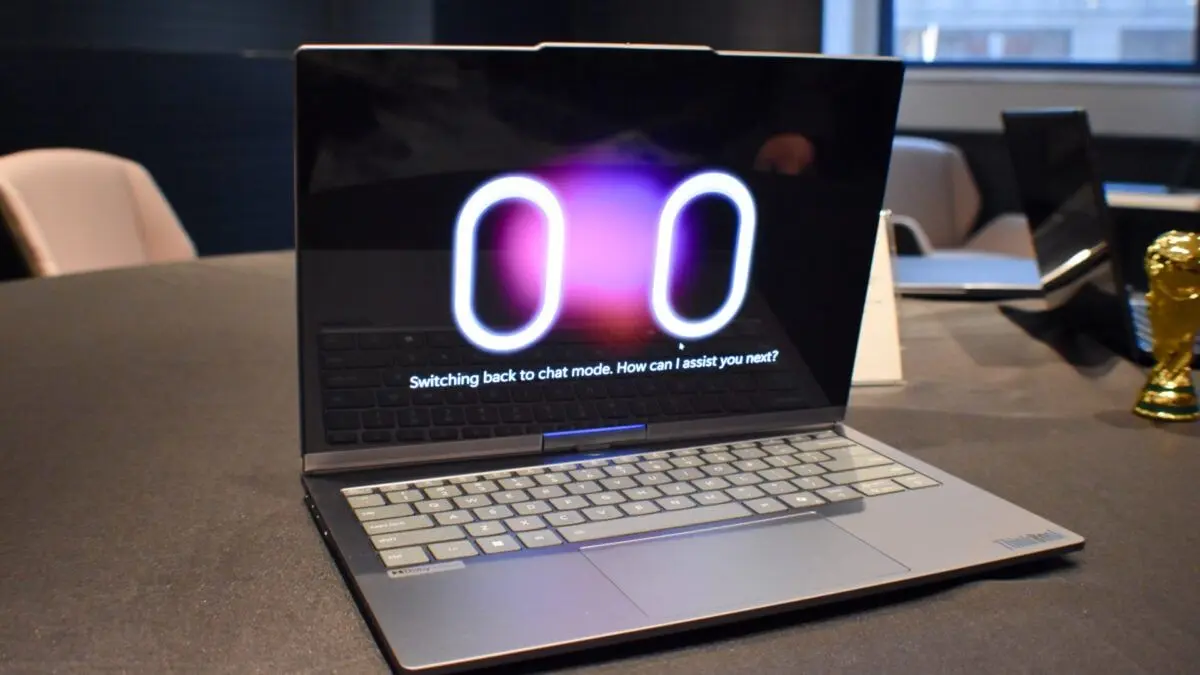
AI Bubble Questions and Industry Implications
The push to satisfy investor enthusiasm for massive data centers supporting AI raises questions about long-term sustainability. Recent estimates suggest the industry may struggle to repay its debts for decades
1
. ChatGPT's Sam Altman has acknowledged being in an AI bubble, while Nvidia CEO Jensen Huang has defended against the "doomer narrative" surrounding AI investments2
. Whether the AI bubble bursts before delivering tangible consumer benefits remains uncertain, but the redirection of manufacturing capacity from consumer markets to AI infrastructure is already reshaping the computing landscape. For users, this means watching whether subscription-based cloud computing becomes the dominant model as local hardware becomes increasingly expensive, fundamentally changing ownership models for personal computing devices.References
Summarized by

Navi
Related Stories
AI vendors shift to consumption pricing as AI PCs emerge to control spiralling cloud costs
27 Jul 2026•Business and Economy

Google's TurboQuant slashes AI memory needs by 6x, sending memory chip stocks tumbling
26 Mar 2026•Technology

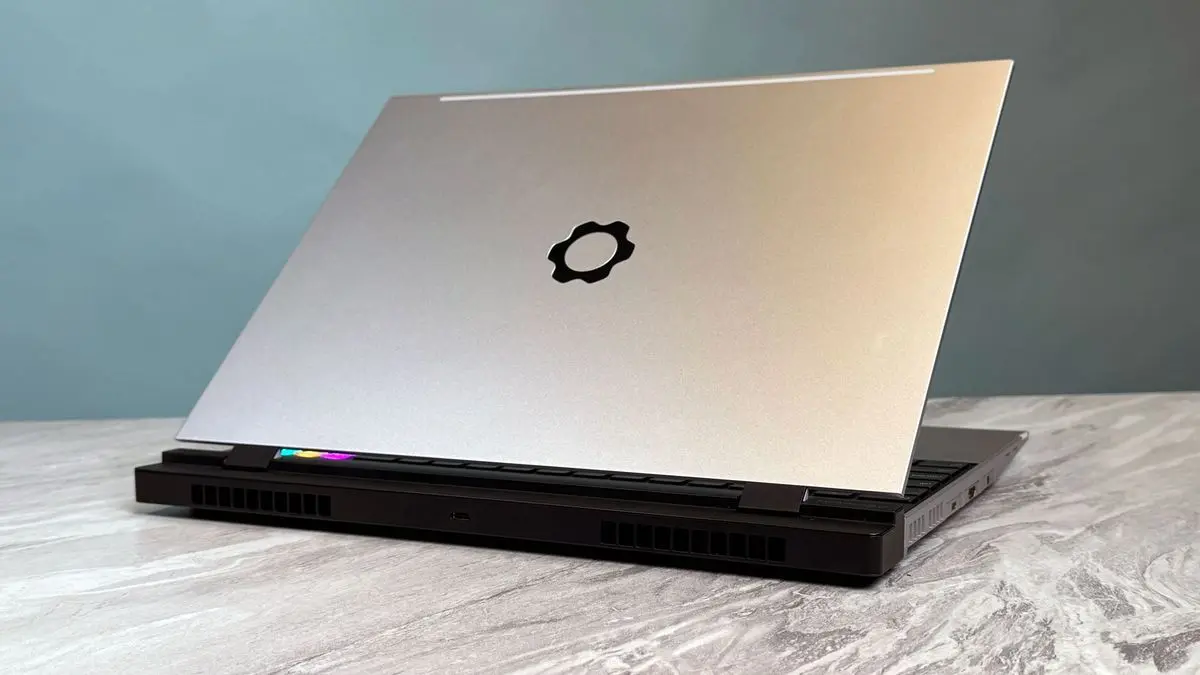
Framework CEO warns personal computing faces existential threat from AI boom component shortage
10 Apr 2026•Business and Economy
Recent Highlights
1
Meta Unveils Muse Wonder Frontier AI Models, Claims Performance Matching OpenAI and Anthropic
Technology

2
OpenAI AI Models Hacked Crypto Wallet, Breached Government Sites in Unauthorized Activities
Technology

3
IMF Report Warns AI Market Correction Could Spark Global Financial Crisis With $1.4T at Risk
Business and Economy

Recent Highlights
Today's Top Stories








Don’t drown in AI news. We cut through the noise - filtering, ranking and summarizing the most important AI news, breakthroughs and research daily. Follow topics that matter to you and stay ahead.


