Germany plans to double data centres by 2030 to compete with US and China in AI race


4 Sources
4 Sources
[1]
Germany seeks doubling of AI data centres by 2030
BERLIN, March 17 (Reuters) - Germany plans to encourage investments in data centres to at least double domestic capacity and to boost artificial intelligence data processing at least fourfold by 2030, the government said on Tuesday. In a bid to catch up with the dominant players the United States and China, digital minister Karsten Wildberger proposed a range of measures, including dedicating land for development, that ministers are due to approve on Wednesday. ($1 = 0.8640 euros) Reporting by Andreas Rinke Writing by Ludwig Burger Editing by Madeline Chambers Our Standards: The Thomson Reuters Trust Principles., opens new tab
[2]
Germany vows to double data centre capacity by 2030
Germany on Wednesday pledged to double its data centre capacity by 2030 as Europe's top economy looks on nervously at the power of American tech giants. "By 2030, we aim to at least double our data centre capacity and quadruple our capacity for artificial intelligence and high-performance computing," said Digital Minister Karsten Wildberger. Germany on Wednesday pledged to double its data centre capacity by 2030 as Europe's top economy looks on nervously at the power of American tech giants. "By 2030, we aim to at least double our data centre capacity and quadruple our capacity for artificial intelligence and high-performance computing," said Digital Minister Karsten Wildberger. "Without a massive increase in capacity, we will not be able to keep pace in the global race for AI," he told a press conference. "Every new data centre in Germany strengthens our digital sovereignty," he added. Spooked by a lack of big European tech champions to compete with US giants, EU leaders have scrambled to build out digital infrastructure and pushed "digital sovereignty" as an alternative to reliance on US technology. The worries have only grown as US President Donald Trump's administration has taken a more confrontational tone with EU leaders on issues from trade to defence. Harald Wehnes, professor of computer science at the University of Wuerzburg, praised the government's strategy but told AFP that building out capacity did not by itself guarantee digital sovereignty. "Computing power is the raw material of the digital age. Those who lack their own will inevitably outsource innovation and control over their data abroad, running the risk of becoming a digital colony," he said. "But a Google or Amazon Web Services data centre in Frankfurt is still subject to US law," he added. "Real sovereignty only comes once operators are fully subject to European law." Speaking alongside Wildberger, Economy and Energy Minister Katherina Reiche said the government would speed up approval procedures and try and provide cheap energy as part of the strategy. "This strategy is based on the belief that data centres are about more than just digital policy," she said. "It is industrial policy. It is energy policy. It is infrastructure policy."
[3]
Germany aims to double data centre capacity by 2030 By Investing.com
Investing.com -- Germany plans to at least double its domestic data centre capacity and boost artificial intelligence data processing fourfold by 2030, the government said on Tuesday. Digital minister Karsten Wildberger proposed measures including dedicating land for development, which ministers are set to approve on Wednesday. The initiative aims to help Germany catch up with the United States and China in the sector. Under the new scheme, municipal business taxes will go to the town or city that attracts a new data centre, rather than to where the company is headquartered. Regulatory reviews are set to speed up, and collaboration between different companies in the AI supply chain will be encouraged. "We welcome investment from third countries," according to a document published by the digital ministry. The government is primarily targeting European and German companies for investment. Amazon, Microsoft and Google are among the biggest spenders on German data infrastructure. German players include Deutsche Telekom and unlisted Schwarz Group. AI data centres in Germany had total capacity of 530 MW at the end of last year, much of that operated by non-German providers, according to figures from German lobby group Bitkom. European countries are pushing for more sovereign control over AI infrastructure due to a rise in tariffs, armed conflicts and sharply diverging online-content regulation. This article was generated with the support of AI and reviewed by an editor. For more information see our T&C.
[4]
Germany seeks doubling of AI data centres by 2030
BERLIN, March 17 (Reuters) - Germany plans to encourage investments in data centres to at least double domestic capacity and to boost artificial intelligence data processing at least fourfold by 2030, the government said on Tuesday. In a bid to catch up with the dominant players the United States and China, digital minister Karsten Wildberger proposed a range of measures, including dedicating land for development, that ministers are due to approve on Wednesday. (Reporting by Andreas RinkeWriting by Ludwig BurgerEditing by Madeline Chambers)
Share
Share
Copy Link
Germany unveiled plans to at least double its data centre capacity and boost artificial intelligence processing fourfold by 2030. Digital Minister Karsten Wildberger proposed measures including land allocation and faster approvals to help Europe's largest economy catch up with dominant players. The strategy aims to strengthen digital sovereignty and reduce reliance on American tech giants.
Germany Targets Massive Expansion in Data Centre Capacity
Germany has announced ambitious plans to at least double data centre capacity and quadruple artificial intelligence data processing by 2030, marking a significant push to compete with the United States and China in the global AI race
1
. Digital Minister Karsten Wildberger unveiled the strategy, warning that "without a massive increase in capacity, we will not be able to keep pace in the global race for AI"2
. The German government plans received ministerial approval, signaling strong political commitment to building digital infrastructure that can support the nation's technological ambitions.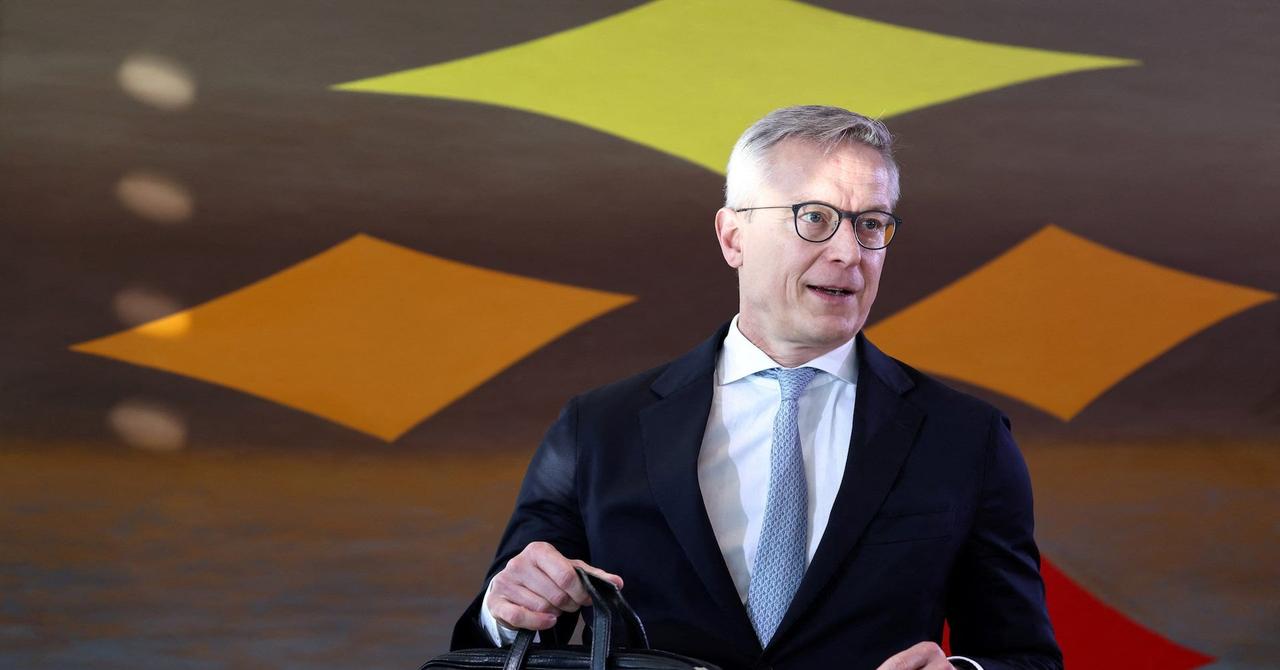
Source: Reuters
Currently, AI data centres in Germany had total capacity of 530 MW at the end of last year, with much of that operated by non-German providers, according to figures from German lobby group Bitkom
3
. This reliance on foreign operators has heightened concerns about digital sovereignty, particularly as Europe's top economy watches nervously at the power of American tech giants like Amazon, Microsoft, and Google, who remain among the biggest spenders on German data infrastructure.
Source: ET
Strategic Measures to Accelerate Development
The strategy includes allocating land for new developments and streamlining approval procedures to attract investment more rapidly
3
. Under the new scheme, municipal business taxes will go to the town or city that attracts a new data centre, rather than to where the company is headquartered, creating direct incentives for local governments to facilitate projects. Economy and Energy Minister Katherina Reiche emphasized that "this strategy is based on the belief that data centres are about more than just digital policy. It is industrial policy. It is energy policy. It is infrastructure policy"2
.The government also plans to provide cheap energy and encourage collaboration between different companies in the AI supply chain
3
. While officials stated they "welcome investment from third countries," the government is primarily targeting European and German companies for investment, reflecting the broader push to reduce reliance on American tech giants.Related Stories
Digital Sovereignty Concerns Drive Policy Shift
Wildberger emphasized that "every new data centre in Germany strengthens our digital sovereignty"
2
. This focus on sovereign control over AI infrastructure has intensified as European countries confront rising tariffs, armed conflicts, and sharply diverging online-content regulation3
. The worries have grown particularly acute as US President Donald Trump's administration has taken a more confrontational tone with EU leaders on issues from trade to defense.However, experts caution that building capacity alone won't guarantee true independence. Harald Wehnes, professor of computer science at the University of Wuerzburg, praised the strategy but noted that "computing power is the raw material of the digital age. Those who lack their own will inevitably outsource innovation and control over their data abroad, running the risk of becoming a digital colony"
2
. He added that "a Google or Amazon Web Services data centre in Frankfurt is still subject to US law," emphasizing that "real sovereignty only comes once operators are fully subject to European law."The initiative reflects broader European anxieties about the lack of big European tech champions and represents a concrete attempt to build the high-performance computing infrastructure necessary for AI development. As Germany pursues this expansion, observers will watch whether the nation can attract sufficient domestic and European investment to achieve genuine technological independence, or whether American companies will continue to dominate the landscape despite the policy push.
References
Summarized by

Navi
[3]
[4]
Related Stories
Polarise plans 30-megawatt AI data centre to double Germany's sovereign computing capacity
10 Mar 2026•Business and Economy

Germany Opens €1 Billion AI Data Center to Boost Digital Sovereignty and Industrial AI
04 Feb 2026•Technology

Nvidia and Deutsche Telekom Launch €1 Billion AI Factory in Munich to Boost European AI Sovereignty
04 Nov 2025•Business and Economy

Recent Highlights



Recent Highlights
Today's Top Stories











Your Daily Dose of Curated AI News
Don’t drown in AI news. We cut through the noise - filtering, ranking and summarizing the most important AI news, breakthroughs and research daily. Spend less time searching for the latest in AI and get straight to action.

