Google Translate integrates Gemini AI for smarter translations and real-time headphone features


2 Sources
2 Sources
[1]
Google Translate Gets Gemini AI for Smarter Translations and Real-Time Headphone Translation
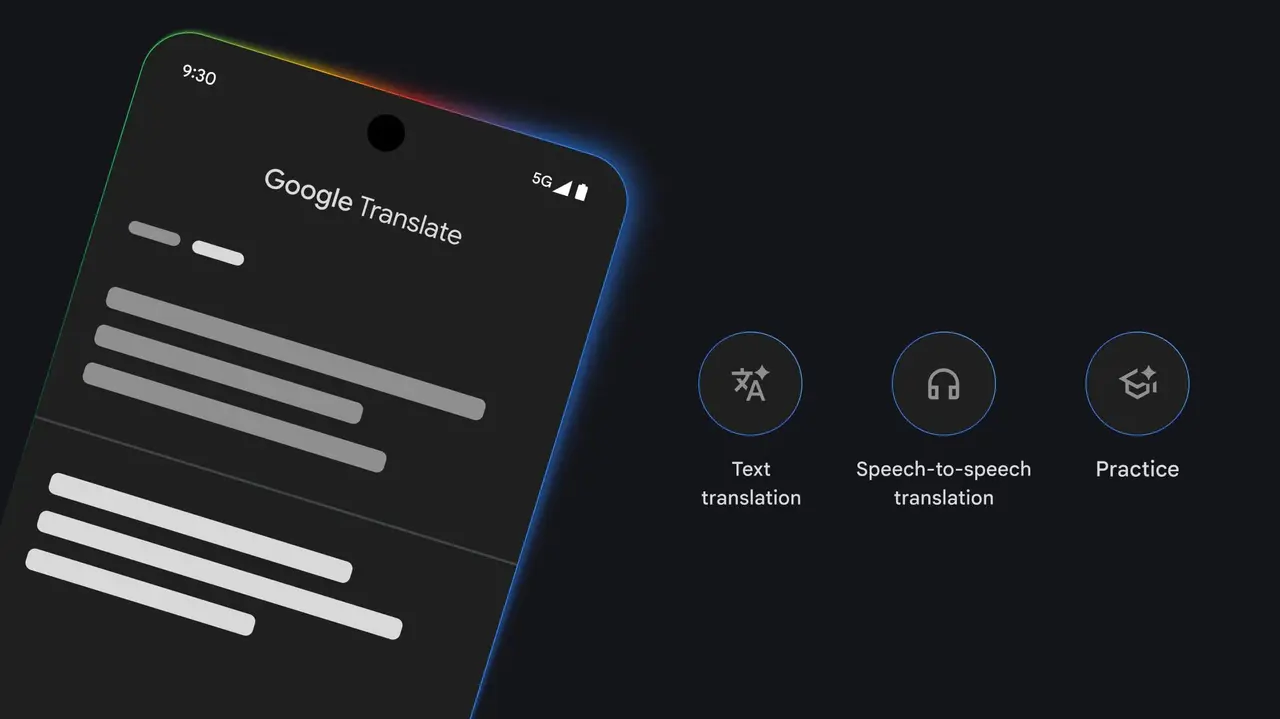
Google is improving its translation features with Gemini integration, adding AI in search and the Google Translate app. Users can expect smarter and more natural text translations, with improvements to phrases with nuanced meanings. Idioms, local expressions, and slang will be translated with Gemini for improved accuracy, and Gemini will parse context instead of giving a literal word-for-word translation. The changes are rolling out on March 26 in the Translate app for iOS and on the web, and Gemini translate works with English and nearly 20 languages like Spanish, Hindi, Chinese, German, and Japanese. Google is debuting a beta experience for real-time translations in headphones. Google says the live translation preserves the tone, emphasis, and cadence of each speaker for more natural translations. The feature can be used by putting on any headphones, opening up the Google Translate app, and tapping on "Live Translate." As of now, the beta is limited to Android users, but Google plans to expand it to iOS users later in 2026.
[2]
Google Translate now turns any headphones into a real-time interpreter
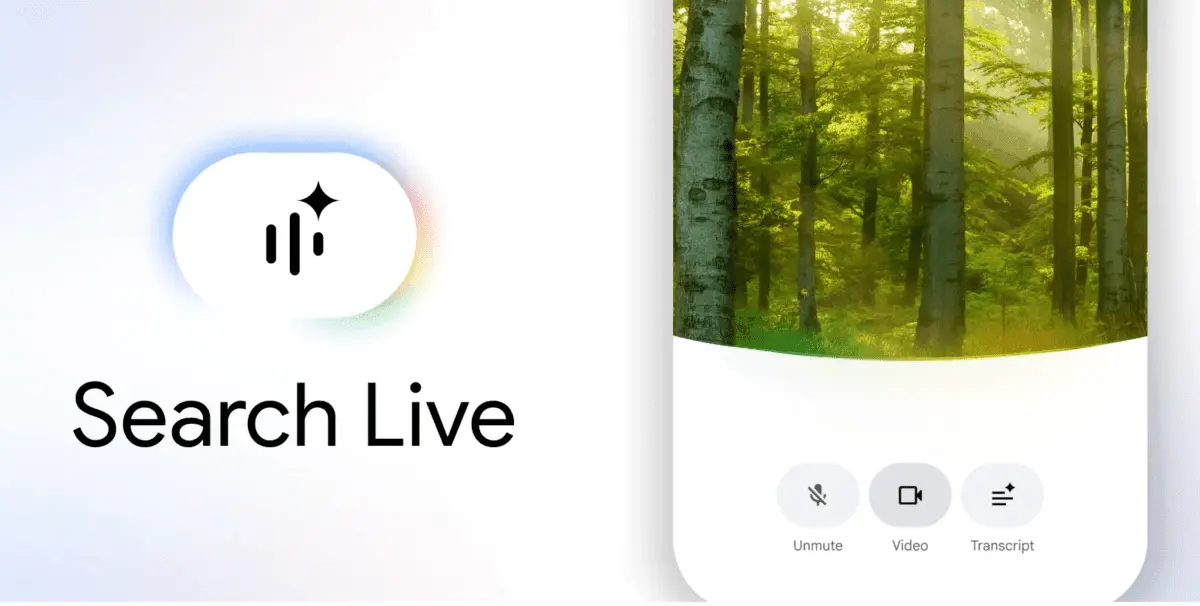
Google expanded its "Live Translate" feature for real-time headphone translations to iOS devices and additional countries. The expansion increases the feature's availability, allowing more users to access AI-powered translations directly through their headphones, facilitating cross-lingual communication. Live Translate, which uses Google's Gemini AI, now functions on both iOS and Android in the U.S., India, Mexico, Germany, Spain, France, Nigeria, Italy, the United Kingdom, Japan, Bangladesh, and Thailand. Previously, it was limited to Android in the U.S., India, and Mexico. Google stated the feature maintains each speaker's tone, emphasis, and cadence, aiding conversation flow and speaker identification. The company suggests uses such as following conversations with relatives or understanding train announcements while traveling. The feature supports over 70 languages and works with any headphones. Users access Live Translate by opening the Google Translate app, selecting the "Live Translate" option, and connecting headphones. This expansion coincides with Google's global rollout of its AI-powered conversational search feature, Search Live, to all languages and locations where AI Mode is available. More than 200 countries and territories will gain access to Search Live, which was previously available only in the U.S. and India. Search Live, launched in July 2025, enables users to point their phone camera at objects for real-time assistance and engage in conversations using visual context from the camera feed. Users can access this feature via the Google app on Android or iOS by tapping the Live icon under the Search bar.
Share
Share
Copy Link
Google has enhanced its translation capabilities by integrating Gemini AI into Google Translate, delivering smarter translations with improved handling of idioms and slang. The Live Translate feature now offers real-time headphone translation on both iOS and Android devices across more than 12 countries, supporting over 70 languages while preserving tone and cadence.
Google Translate Enhances Translation Accuracy with Gemini AI Integration
Google has rolled out significant improvements to Google Translate by integrating Gemini AI, marking a shift toward more contextually aware text translations. The update, which launched on March 26 in the Translate app for iOS and on the web, focuses on delivering smarter translations that go beyond literal word-for-word conversions. Powered by Gemini AI, the service now handles idioms and slang with greater accuracy, parsing context to provide translations that capture nuanced meanings in phrases and local expressions
1
.
Source: MacRumors
The enhanced translation capabilities currently work with English and nearly 20 languages, including Spanish, Hindi, Chinese, German, and Japanese
1
. This integration addresses a long-standing challenge in machine translation: understanding context rather than simply replacing words. For users navigating cross-cultural communication, this means more natural conversations that preserve the intended meaning of complex expressions.Real-Time Headphone Translation Expands to iOS and 12 Countries
Google has expanded its Live Translate feature for real-time headphone translation beyond its initial limited release. Originally available only on Android devices in the U.S., India, and Mexico, the feature now functions on both iOS and Android platforms across 12 countries: the U.S., India, Mexico, Germany, Spain, France, Nigeria, Italy, the United Kingdom, Japan, Bangladesh, and Thailand
2
.The real-time translation feature supports over 70 languages and works with any headphones, eliminating the need for specialized hardware
2
. Users access the functionality by opening the Google Translate app, selecting the "Live Translate" option, and connecting their headphones2
. Google emphasizes that the feature preserves tone and cadence of each speaker, which aids conversation flow and speaker identification during multilingual exchanges1
2
.Related Stories
Practical Applications and AI-Powered Conversational Search Expansion
Google suggests several practical uses for the real-time headphone translation, including following conversations with relatives who speak different languages or understanding train announcements while traveling abroad
2
. The expansion coincides with Google's global rollout of Search Live, its AI-powered conversational search feature, to all languages and locations where AI Mode is available2
.More than 200 countries and territories will gain access to Search Live, which launched in July 2025 and was previously available only in the U.S. and India
2
. This feature enables visually-contextualized conversations by allowing users to point their phone camera at objects for real-time assistance, accessible via the Google app on Android or iOS by tapping the Live icon under the Search bar2
. Together, these updates position Google's translation and search tools as increasingly capable assistants for navigating multilingual environments and accessing information across language barriers.References
Summarized by

Navi
[1]
Related Stories
Google Translate brings real-time translation to any headphones with Gemini AI across 70+ languages
12 Dec 2025•Technology

Google Translate Unveils AI-Powered Live Translation and Language Learning Features
27 Aug 2025•Technology

Google Translate AI update brings Gemini-powered tools to decode idioms and handle nuance
26 Feb 2026•Technology
Recent Highlights
1
OpenAI shuts down Sora video app after six months, ending Disney's $1 billion investment deal
Technology

2
Apple plans major Siri AI overhaul in iOS 27 with standalone app and third-party chatbot support
Technology

3
Claude AI can now control your computer to complete tasks, but security risks remain
Technology

Recent Highlights
Today's Top Stories








Your Daily Dose of Curated AI News
Don’t drown in AI news. We cut through the noise - filtering, ranking and summarizing the most important AI news, breakthroughs and research daily. Spend less time searching for the latest in AI and get straight to action.

