Intel Wildcat Lake leak reveals 15W budget AI PC chip with 40 TOPS for entry-level laptops


2 Sources
2 Sources
[1]
Intel Wildcat Lake Leak Points to 15W Budget AI PC Chip
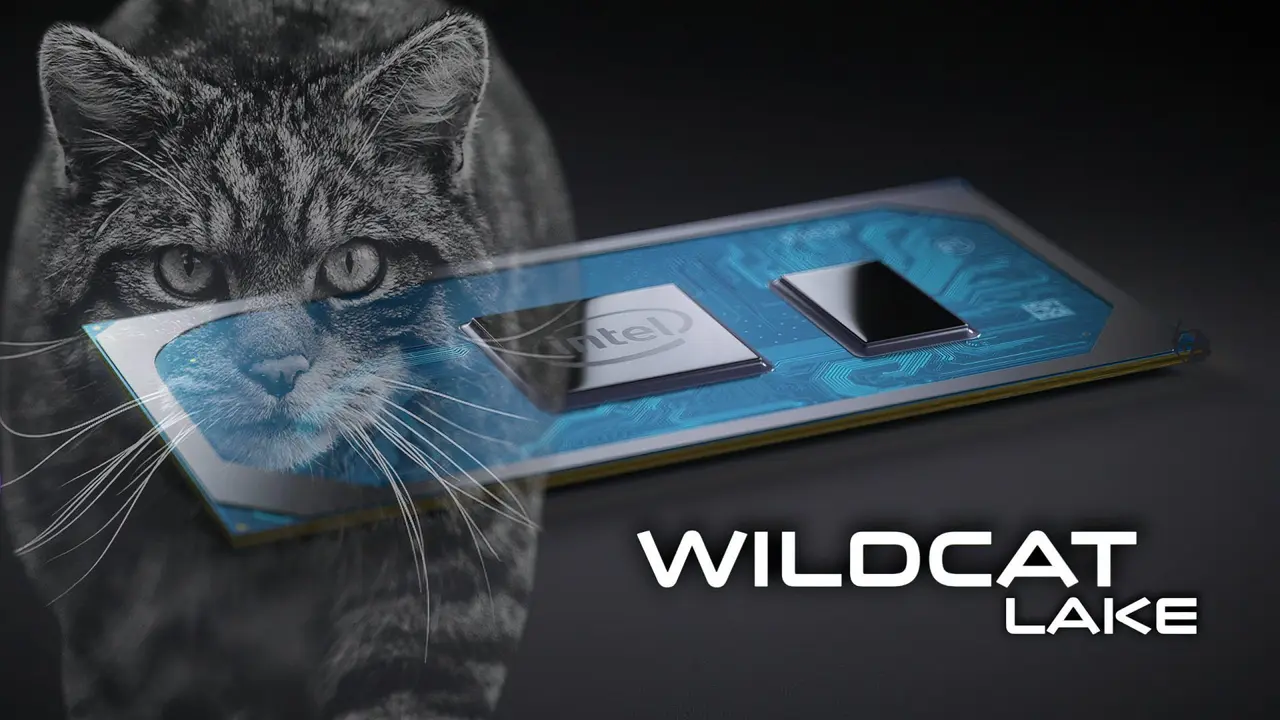
Intel's upcoming Wildcat Lake processor has appeared again through leaked shipping information, giving a clearer look at what may become the company's next low-power platform for entry-level laptops and mini PCs. Based on recent coverage, the chip is expected to replace Alder Lake-N and Twin Lake in Intel's lower-power client stack while sitting below Panther Lake in the broader Core Ultra Series 3 family. The reported specifications are modest on paper, including a 15 W TDP, up to 1.5 GHz boost clock, and 6 MB of L3 cache, but the platform looks more significant once the surrounding architecture is taken into account. Wildcat Lake is said to use a 2+4 core configuration built from two Cougar Cove performance cores and four LP-E cores. What stands out is the absence of conventional E-cores, suggesting Intel is tuning this design specifically for low-power background behavior and simple efficiency scaling rather than pursuing a more typical hybrid layout. For budget notebooks, classroom hardware, and compact desktops, that kind of approach may be more practical than trying to maximize thread counts on a constrained thermal budget. Earlier reporting also indicates that Wildcat Lake is not monolithic. Instead, Intel appears to be applying a chiplet-oriented design even at this lower end of the mobile market, paired with a compact BGA 1516 package. That is a useful detail because it points to reduced board footprint and potentially lower platform costs for OEMs building thin notebooks or small mini-PC systems. In this market segment, mechanical and integration efficiency can be just as important as benchmark performance, particularly when vendors are targeting aggressive price points. The bigger strategic angle is AI capability. Wildcat Lake has been linked to up to 40 TOPS of total AI throughput, with previous coverage outlining a split across CPU, integrated Xe3 graphics, and NPU resources. One earlier breakdown put that at around 4 TOPS from the CPU, 18 TOPS from the GPU, and 18 TOPS from the NPU. That would make Wildcat Lake much more than a routine N-series successor, because it would give Intel a way to bring baseline AI PC positioning into cheaper systems that previously focused almost entirely on power efficiency and cost. Feature support looks current as well. Prior reports associate the platform with Thunderbolt 4 connectivity and support for LPDDR5X and DDR5 memory, which would help keep low-cost devices from feeling immediately outdated. Intel's official CES 2026 messaging around Core Ultra Series 3 broadly emphasized AI PCs, graphics, and mobile efficiency, and Wildcat Lake appears to fit that strategy from the bottom up. If the leaked specifications are accurate, this may end up being one of Intel's more important volume products of the year, not because it is fast, but because it could reset expectations for what an entry-level AI-capable notebook platform should include.
[2]
Wildcat Lake NBD Shipment Reveals 1.5 GHz Boost And 15W Of TDP
Some of the specifications of the upcoming Wildcat Lake CPUs have been leaked through the NBD shipping manifest. Intel's power-efficient Wildcat Lake family has been spotted in an NBD shipping manifest, unveiling some of its specifications. The series will be based on the same Cougar Cove Performance cores and Darkmont LP-E cores used in the current Panther Lake series. However, the Wildcat Lake is aimed at ultra-power-efficient devices, including laptops and mini PCs, succeeding the Alder Lake-N/Twin Lake series. As per the leaked NBD shipment manifest, the new series will offer up to 1.5 GHz of boost clock and 6 MB of L3 cache. As previously expected, the chips will be rated at up to 15 W, which is a bit higher than the previous-gen ultra-power-efficient Intel chips. Wildcat Lake will offer a 2+4 core configuration, featuring 2 Performance cores and 4 LP-E cores. However, the chips will skip the Efficient cores, as we know from earlier reports. The series will boast a chiplet design and won't be monolithic. According to earlier leaks, these CPUs will have Thunderbolt 4, LPDDR5X/DDR5 support as well. Since these will be smaller compared to the Panther Lake SoCs, a BGA 1516 package will be used for them, which is significantly smaller than the BGA 2540 socket for the Panther Lake. That said, despite being entry-level chips, the processors will feature up to 40 TOPS of AI power through a CPU+GPU+NPU combination. The GPU will boast 18 AI TOPS of power, the NPU will have a similar AI power, while the CPU will deliver up to 4 AI TOPS. The GPU won't be as strong as the integrated graphics on Panther Lake, and we are expected to see 2 Xe3 cores. As far as the release is concerned, we don't have any official information, but it's expected that the Wildcat CPUs will launch in the first half of this year. Its Refreshed lineup is expected to make a debut next year, as we recently reported.
Share
Share
Copy Link
Intel's upcoming Wildcat Lake processor has surfaced through leaked shipping documents, revealing a low-power AI PC chip designed for budget laptops and mini PCs. The chip features a 15W TDP, 40 TOPS of AI performance, and a unique 2+4 core configuration with Cougar Cove performance cores and LP-E efficiency cores, positioning Intel to bring AI capabilities to entry-level systems.
Intel Wildcat Lake Emerges as Budget AI Platform
Intel's Wildcat Lake processor has appeared in leaked shipping manifests, offering detailed specifications for what appears to be the company's strategy to bring AI PC capabilities to the budget market
1
2
. The chip is positioned to replace Alder Lake-N and Twin Lake in Intel's low-power client lineup while sitting below Panther Lake in the broader Core Ultra Series 3 family. With a 15W of TDP, up to 1.5 GHz boost clock, and 6 MB of L3 cache, the specifications may appear modest on paper, but the surrounding architecture reveals a more strategic play for ultra-power-efficient devices including classroom hardware, compact desktops, and budget notebooks2
.
Source: Wccftech
Unconventional Core Architecture for Low-Power Efficiency
Wildcat Lake employs a 2+4 core configuration built from two Cougar Cove performance cores and four LP-E cores, notably skipping conventional E-cores entirely
1
. This design choice suggests Intel is optimizing specifically for low-power background behavior and simple efficiency scaling rather than maximizing thread counts on a constrained thermal budget. For this market segment targeting aggressive price points, mechanical and integration efficiency can be just as critical as benchmark performance. The platform also adopts a chiplet design rather than a monolithic approach, paired with a compact BGA 1516 package that is significantly smaller than the BGA 2540 socket used for Panther Lake2
. This reduced board footprint points to potentially lower platform costs for OEMs building thin notebooks or small mini-PC systems.
Source: Guru3D
40 TOPS of AI Throughput Redefines Entry-Level Expectations
The most significant aspect of this 15W budget AI PC chip is its reported 40 TOPS of AI throughput, distributed across CPU, Xe3 graphics, and NPU resources
1
. The breakdown allocates approximately 4 TOPS from the CPU, 18 TOPS from the GPU, and 18 TOPS from the NPU . This makes Wildcat Lake substantially more than a routine N-series successor, as it provides Intel a pathway to bring baseline AI PC positioning into cheaper systems that previously focused almost entirely on power efficiency and cost. The GPU is expected to feature 2 Xe3 cores, though it won't match the integrated graphics strength found in Panther Lake2
.Related Stories

Modern Feature Set for Entry-Level AI-Capable Platforms
Feature support appears current, with the platform associated with Thunderbolt 4 connectivity and support for both LPDDR5X and DDR5 memory
1
2
. This combination would help keep low-cost devices from feeling immediately outdated in a market increasingly focused on AI workloads. Intel's official CES 2026 messaging around Core Ultra Series 3 broadly emphasized AI PCs, graphics, and mobile efficiency, and Wildcat Lake appears to fit that strategy from the bottom up. While no official release date has been confirmed, industry expectations point to a launch in the first half of this year, with a refreshed lineup potentially arriving next year2
. If these leaked specifications prove accurate, this low-power chip for entry-level laptops may become one of Intel's more important volume products of the year, not because it delivers flagship performance, but because it could reset expectations for what an entry-level AI-capable notebook platform should include at accessible price points.References
Summarized by

Navi
Related Stories
Intel's Future CPU Roadmap: Panther Lake, Wildcat Lake, and Nova Lake Specifications Leaked
08 Feb 2025•Technology

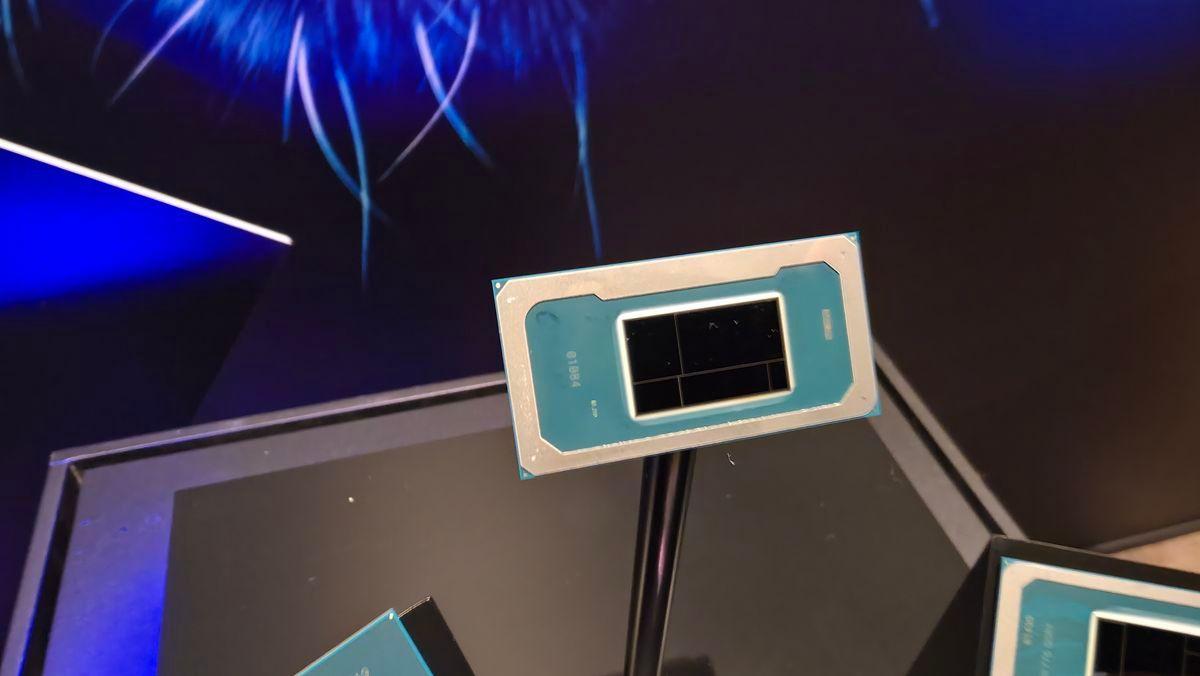
Intel's Panther Lake: A Leap Forward in CPU Technology with AI Boost
28 Apr 2025•Technology
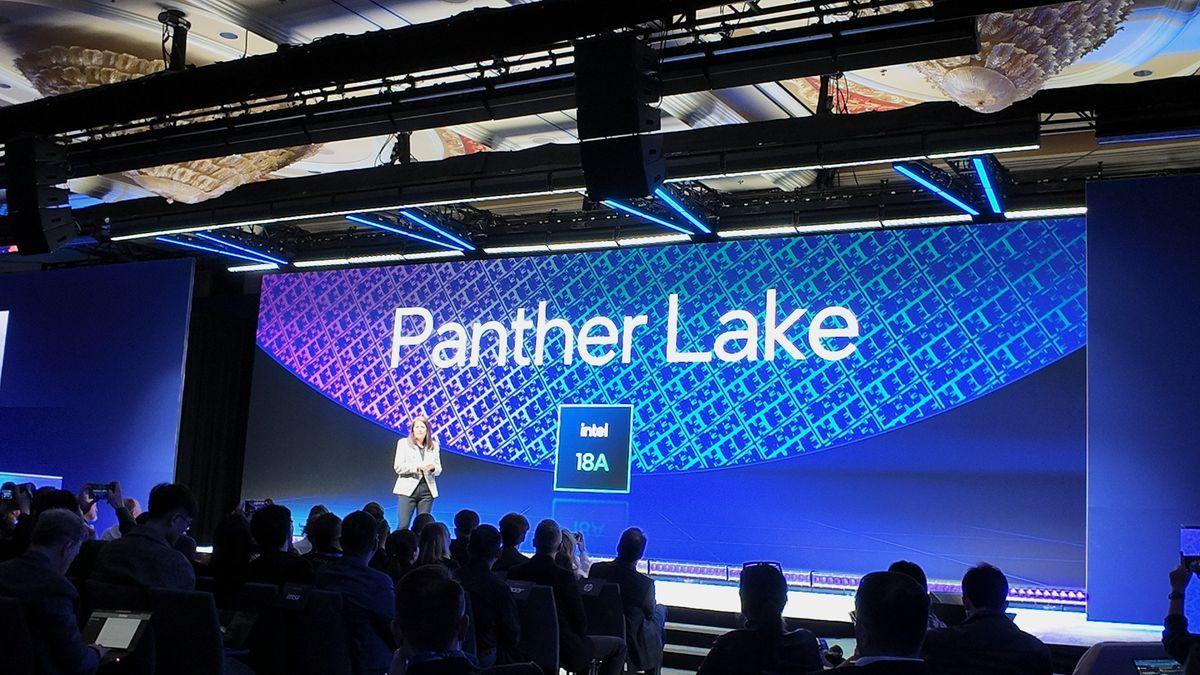
Intel Unveils Panther Lake CPUs at Computex 2025: A Leap in Performance and Efficiency
19 May 2025•Technology
Recent Highlights


Recent Highlights
Today's Top Stories












Your Daily Dose of Curated AI News
Don’t drown in AI news. We cut through the noise - filtering, ranking and summarizing the most important AI news, breakthroughs and research daily. Spend less time searching for the latest in AI and get straight to action.

