Jeff Bezos predicts AI will push users to rent your PC from the cloud as RAM crisis accelerates


2 Sources
2 Sources
[1]
Will AI frenzy give rise to the cloud PC? Jeff Bezos thinks so
Serving tech enthusiasts for over 25 years. TechSpot means tech analysis and advice you can trust. Something NOT to look forward to: While the "thin client" concept is as old as mainframe computing itself, current market conditions are making the idea increasingly compelling. Big Tech companies are eager to begin replacing traditional personal computers, driven in large part by... you guessed it, AI. Major IT corporations have attempted to replace personal computers with cloud-tethered devices for years, across different eras of computing history. The concept of a "cloud PC" is not new, but with hardware costs continuing to rise, the idea may finally be gaining traction. From Jeff Bezos's perspective, the internet-connected box is ready to become the primary computing device for most users. As highlighted by Windows Central, Bezos reiterated his familiar views on cloud-based PCs during the DealBook Summit hosted by The New York Times back in 2024. The Amazon founder recounted a visit to a historic brewery that featured a 100-year-old electric generator on display. Such generators were once essential, before electric grids became widespread and reliable, but today they exist mainly as historical artifacts. Bezos argued - and likely still believes - that local computing systems are now in a similar position. While consumers may still view personal computers as essential devices, he suggested that they will eventually transition to a cloud-only model. Amazon started as an online book retailer but is now one of the "big three" players in the cloud computing market, alongside Google and Microsoft. The company began selling its own version of a modern thin client several years ago, repurposing the Fire TV Cube streaming device into the WorkSpaces Thin Client. More recently, Microsoft introduced the Windows 365 Link, a locked-down, purpose-built device designed to meet the needs of enterprise customers. Other major PC manufacturers are following the trend as well, with HP unveiling the EliteBoard AI PC - a keyboard-sized desktop replacement - at CES 2026. Bezos has made many accurate predictions over the years, but he is also one of several Big Tech executives who tend to get carried away with ambitious and often unrealistic concepts, such as artificial general intelligence or Mars colonization. The push to satisfy investor enthusiasm for massive AI data centers arguably falls into the same category, with recent estimates suggesting that the industry may struggle to repay its debts for decades. Meanwhile, chip manufacturers are redirecting a significant portion of their production toward supporting this AI-driven frenzy, often at the expense of consumer markets. As DRAM, SSDs, GPUs, and other essential hardware components become increasingly expensive for most users, cloud PCs may start to look like an appealing alternative for everyday computing. Bezos is actively working to turn that vision into reality.
[2]
'That's not going to last': Jeff Bezos believes AI will force you to rent your PC from the cloud, and the RAM crisis is accelerating it
The last few months have seen the computing industry shift in a massive way. On one hand, we've seen the likes of the Intel Core Ultra Series 3 chip deliver a huge boost in local performance on a laptop (especially for integrated graphics), and on the other, the RAM crisis is causing prices on tech to skyrocket. The key factor connecting it all? The push for AI. With the largest memory manufacturers shifting priorities to allow AI data centers to flourish, with even Micron stating, "DRAM shortages could persist for quite some time now," it's become clear that PCs, phones, gaming consoles and everything in between will become a premium as soon as this year. Heck, there's even a scare that some of Nvidia's RTX 50-series GPUs are on their way out. Consumer RAM is dwindling in favor of power-consuming AI, and even SSD storage is looking to be a pricey venture. At the very least, Intel confirmed to Tom's Guide that there's "about 9 to 12 months" of laptop stock left before costs start to rise due to the memory price surge, and an expert also believes there's still some time left. Nevertheless, it's looking more likely than ever that there will be a shockwave of price hikes across tech, and that very much includes upcoming PCs. Mind you, that's all for the likes of AI services such as ChatGPT, Gemini and Copilot, whether you use them or not. In light of all this, the RAM crunch alludes to consumer PCs being a vastly expensive purchase, and it's not looking to ease up anytime soon -- with predictions being around 2028 until the memory shortage normalizes. So, what will the landscape of computing look like in just a few years? As Jez Corden of Windows Central rightfully brings up, a prediction made by Amazon founder Jeff Bezos may be the path the computing industry is leading to: ditching local PCs for subscription-based cloud computing. Rent-a-cloud In an interview with the New York Times, Bezos talks about how AI is the main focus at Amazon. That's hardly a surprise, seeing as every company is doubling down on incorporating artificial intelligence into their products, apps, services and more these days. But the real kicker comes in when Bezos mentions a brewery he visited, and this company had to build its own power station to "improve the efficiency of their brewery with electricity." Since there was no power grid, they had to build their own form of electricity. "At the time, that's what everyone did. If a hotel wanted electricity, they had their own electric generator," Bezos explains. "I looked at this, and I thought, this is what computation is like today; everyone has their own data center." Interestingly, he continues to say, "that's not going to last. It makes no sense. You're going to buy compute off the grid. That's AWS." That comment was said in 2024, and today, it rings more true than ever. Many online services and sites rely on Amazon's AWS to run (which is why the AWS outage last year brought down Snapchat, Venmo, Ring, Zoom and plenty more). So, what if this solution is carried over to the likes of local PCs? You'd have all the PC peripherals ready in place, like a mouse, keyboard and monitor, just without the PC itself -- all due to an operating system running in the cloud you can tap into. For one, this has already been in the works. The best cloud gaming services like Xbox Game Pass Ultimate, Nvidia GeForce Now and even Amazon Luna have steadily been making progress over the years, so much so that Microsoft now calls everything an Xbox. Even GeForce Now also offers RTX 5080-levels of gaming performance. But even before that, Netflix made streaming movies and shows the norm over physical media. Now, this isn't to say these services aren't expensive (the Xbox Game Pass price hike to $30 per month isn't ideal), but compared to the inflated prices we'll pay for PCs due to the RAM crisis, it gives companies reason to start renting out hardware to be used for cloud computing. It's a scary thought, but one that RAMageddon is further pushing. Will the AI bubble burst first? AI is the priority for a majority of tech companies, and billions of dollars are being pumped into data centers to make sure the results are worth the price. But right now, virtually everything a consumer sees is AI slop and Grok being used to generate sexualized images. Not exactly "next-gen." ChatGPT's Sam Altman has stated we're in an AI bubble, and Nvidia CEO Jensen Huang has defended against the "doomer narrative" people have tagged it. The question is, will the bubble burst before we see all the real benefits of artificial intelligence come to light? That's hard to say, but either way, tech will become expensive in the process. Whether it will become costly enough for companies to resort to subscription-based cloud computing to favor the demand for AI or not? I doubt that will happen anytime soon, but Bezos' comments reveal a shift for the future of computing -- one that sees PC hardware become such a premium that we'd resort to the cloud instead. Either way, PCs are going to get expensive, so if you're looking for an upgrade, you'll want to buy now or wait for RAMageddon to blow over. Follow Tom's Guide on Google News and add us as a preferred source to get our up-to-date news, analysis, and reviews in your feeds.
Share
Share
Copy Link
Jeff Bezos believes the AI boom and rising hardware costs will drive a shift to cloud PCs, where users rent computing power instead of owning devices. With DRAM shortages pushing memory prices higher and chip manufacturers prioritizing AI data centers, Amazon and Microsoft are already positioning cloud-tethered devices as the future of computing.
Jeff Bezos Envisions Cloud PC Future Driven by AI Demands
Jeff Bezos has reiterated his vision that AI and escalating hardware costs will fundamentally transform how people access computing power. Speaking at The New York Times DealBook Summit in 2024, the Amazon founder drew a comparison between personal computers and obsolete electric generators that breweries once built before power grids became widespread
1
. "I looked at this, and I thought, this is what computation is like today; everyone has their own data center," Bezos explained, adding that "that's not going to last" as users will eventually "buy compute off the grid" through services like AWS2
. His prediction gains credibility as Amazon operates as one of the "big three" players in the cloud computing market alongside Google and Microsoft1
.
Source: TechSpot
RAM Crisis and Increasing Hardware Costs Accelerate the Shift
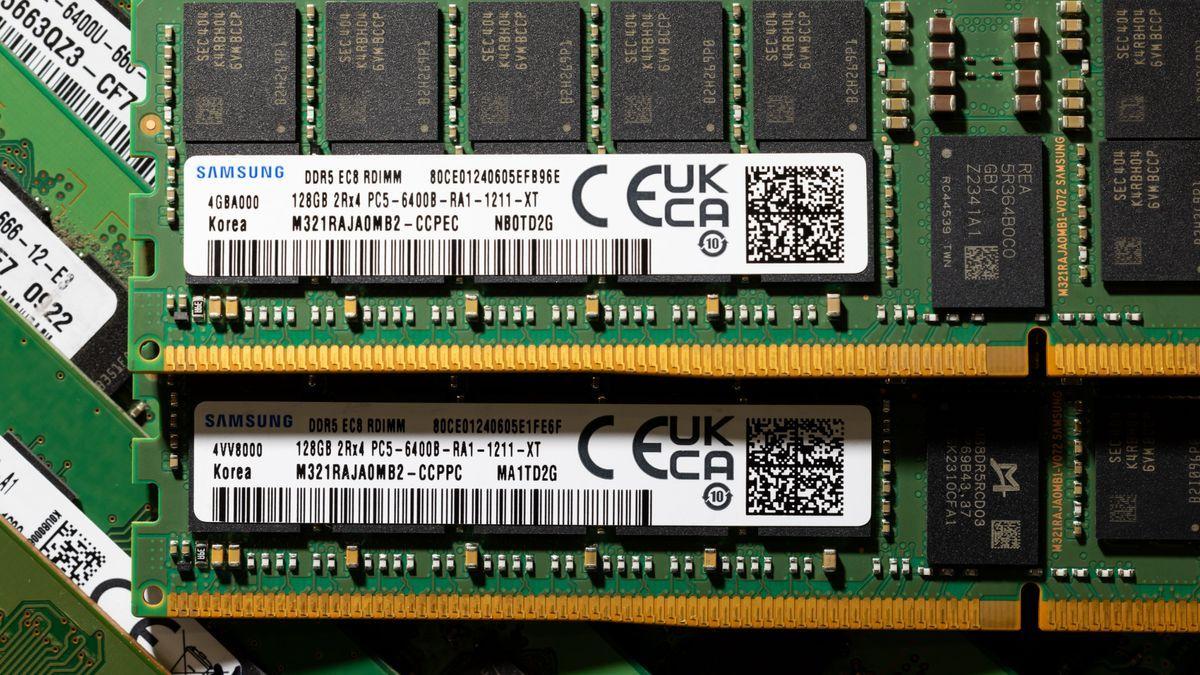
The AI-driven shift toward cloud-tethered devices is being accelerated by a severe RAM crisis affecting consumer computing hardware. Chip manufacturers are redirecting significant production capacity toward AI data centers, creating DRAM shortages that Micron warns "could persist for quite some time now"
2
. Intel confirmed to Tom's Guide that approximately 9 to 12 months of laptop stock remains before costs surge due to memory price increases2
. The shortage affects multiple hardware components including GPUs, SSDs, and DRAM, with predictions suggesting the memory shortage won't normalize until around 20282
. As increasing hardware costs make traditional PCs prohibitively expensive, shared computing resources accessed through the cloud become an appealing alternative for everyday users.Major Tech Companies Deploy Cloud PC Solutions
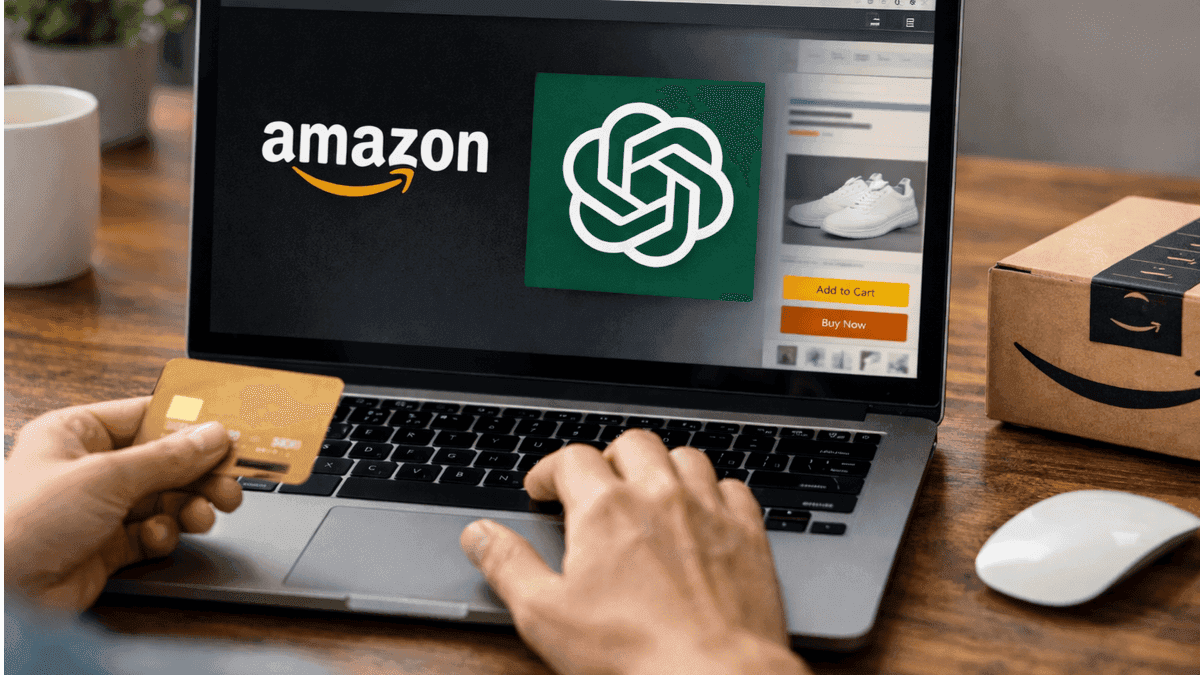
Amazon has already commercialized its cloud PC vision through Amazon's WorkSpaces Thin Client, repurposing the Fire TV Cube streaming device into a modern thin client for enterprise customers
1
. Microsoft followed suit with the Windows 365 Link, a locked-down, purpose-built device designed specifically for enterprise customers accessing cloud-based Windows environments1
. HP unveiled the EliteBoard AI PC at CES 2026, a keyboard-sized desktop replacement that signals major PC manufacturers are embracing this trend1
. These developments mirror the success of cloud gaming services like Nvidia GeForce Now, which now offers RTX 5080-levels of gaming performance, and Xbox Game Pass Ultimate, demonstrating that streaming high-performance computing is technically feasible2
.
Source: Tom's Guide
Related Stories
AI Bubble Questions and Industry Implications
The push to satisfy investor enthusiasm for massive data centers supporting AI raises questions about long-term sustainability. Recent estimates suggest the industry may struggle to repay its debts for decades
1
. ChatGPT's Sam Altman has acknowledged being in an AI bubble, while Nvidia CEO Jensen Huang has defended against the "doomer narrative" surrounding AI investments2
. Whether the AI bubble bursts before delivering tangible consumer benefits remains uncertain, but the redirection of manufacturing capacity from consumer markets to AI infrastructure is already reshaping the computing landscape. For users, this means watching whether subscription-based cloud computing becomes the dominant model as local hardware becomes increasingly expensive, fundamentally changing ownership models for personal computing devices.References
Summarized by

Navi
Related Stories
Google's TurboQuant slashes AI memory needs by 6x, sending memory chip stocks tumbling
26 Mar 2026•Technology

RAM prices surge over 500% as AI data centers consume 70% of memory supply, reshaping PC market
14 Jan 2026•Business and Economy
Framework CEO warns personal computing faces existential threat from AI's resource demands
10 Apr 2026•Business and Economy
Recent Highlights


Recent Highlights
Today's Top Stories





Your Daily Dose of Curated AI News
Don’t drown in AI news. We cut through the noise - filtering, ranking and summarizing the most important AI news, breakthroughs and research daily. Spend less time searching for the latest in AI and get straight to action.

