Dell admits consumers don't care about AI PCs as Microsoft's Copilot strategy falters


13 Sources
[1]
AI PCs aren't selling, and Microsoft's PC partners are scrambling
Microsoft's CEO has become the company's "most influential product manager" to try to fix things. Microsoft wants you to replace your old Windows 10 laptop with a new Copilot PC, one that's ready for the AI-powered "agentic OS" that Windows 11 will become. But one of the world's biggest PC makers
[2]
Dell admits consumers don't care about AI PCs
Dell has revealed that consumers aren't buying PCs for AI features right now. In an interview with PC Gamer ahead of CES, Dell has made it clear its 2026 products aren't all about being AI-first, and it's moving beyond being "all about" AI PCs. "We're very focused on delivering upon the AI
[3]
Dell admitted nobody cares about AI PCs - and they're right
His love of PCs and their components was born out of trying to squeeze every ounce of performance out of the family computer. Tinkering with his own build at age 10 turned into building PCs for friends and family, fostering a passion that would ultimately take shape as a career path. Besides being
[4]
Dell admits customers are not buying PCs just because they "have AI"
Serving tech enthusiasts for over 25 years. TechSpot means tech analysis and advice you can trust. Crystal ball: Nearly every major tech company is now trying to oversell this inflated "AI-powered" narrative, and the PC market is no exception. Dell, who happens to be shipping a lot of PCs to
[5]

Dell admits that PC buyers don't actually care about AI - 9to5Mac
AI has been a huge buzzword at Apple and other tech companies for years. But Dell just admitted that PC buyers don't actually care about AI -- at least not yet. Dave James at PC Gamer published an article yesterday featuring quotes from Dell about its latest PC offerings. The company's CES
[6]

Dell's head of product: 'I think AI probably confuses more than it helps'
Follow all of our CES 2026 live coverage for the biggest gadget news straight from Las Vegas. And be sure to follow Tom's Guide on TikTok for the coolest videos from the show. That's not a huge surprise given basically the same story played out last year at CES 2025, where nearly every major
[7]

Dell reveals people don't care about AI in PCs - and a new truly embarrassing Windows 11 fail shows why
This admission comes just as another Windows 11 AI fail is going viral, which is unfortunate timing for Microsoft Dell is telling it straight as far as the contemporary world of PCs goes, with the computer maker bluntly explaining that consumers aren't buying laptops based on AI abilities. PC
[8]

Dell Admits That Customers Are Disgusted by PCs Stuffed With AI Features
The tech industry's insistence on cramming AI into virtually every aspect of their consumer-facing offerings, from AI apps you can't uninstall to hallucinating assistants that nobody asked for, has been nothing short of insufferable. Tech enthusiasts and average consumers alike have watched
[9]

Who asked for this? PC gamers left wondering after AI takes center stage at CES 2026
AI and fears of further price increases have made for a strange CES for gamers. I've covered CES for years and each one feels different to the last. Some are great for PC gamers; others aren't. This year, prototypes, concepts and artificial intelligence dominated the show, which is not surprising,
[10]

Dell Exec Admits Nobody's Buying AI PCs Because They're Too Confusing - Phandroid
Sometimes the truth hurts, and Dell just delivered a reality check the entire PC industry needed to hear. At CES 2026, Dell exec Kevin Terwilliger admitted what everyone's been thinking but nobody wanted to say out loud: consumers aren't buying Dell AI PC models because the features confuse buyers
[11]

People aren't buying PCs because of AI, but that's not stopping AMD, Intel and Qualcomm talking up AI chips
If AI isn't selling more PCs, perhaps PC makers need to focus on what people actually want right now One of the key trends at CES 2026 was certainly the slew of new PCs it generated, with AMD, Intel and Qualcomm all launching new AI chips amidst a backdrop of uncertain sales and memory shortages,
[12]

Dell Pulls Back "AI-First" Push After Admitting Customers Aren't Interested
While most PC manufacturers have leaned heavily into AI marketing, Dell is the first to come out and publicly admit that it will scale back the AI-focused strategy. Finally, someone has decided not to push "AI" down consumers' throats. The giant tech companies were not hesitant to spam "AI"
[13]

Consumers don't care about AI PCs: Dell drops truth bomb at CES
In January 2023, AMD made headlines for introducing NPUs in laptops for the first time ever. With their Ryzen PRO 7040 series processors, there was a new technology on the block that promised to accelerate performance for AI tasks. Intel too announced its own processors with a built-in NPU the same
Share
Copy Link
Dell executives revealed at CES 2026 that consumer interest in AI PCs has fallen short of expectations, with buyers finding AI features more confusing than helpful. The admission marks a significant shift in marketing strategy from last year's AI-first approach and raises questions about Microsoft's Copilot vision as the company scrambles to salvage its AI PC initiative.
Dell Abandons AI-First Marketing as Consumer Interest Falls Flat
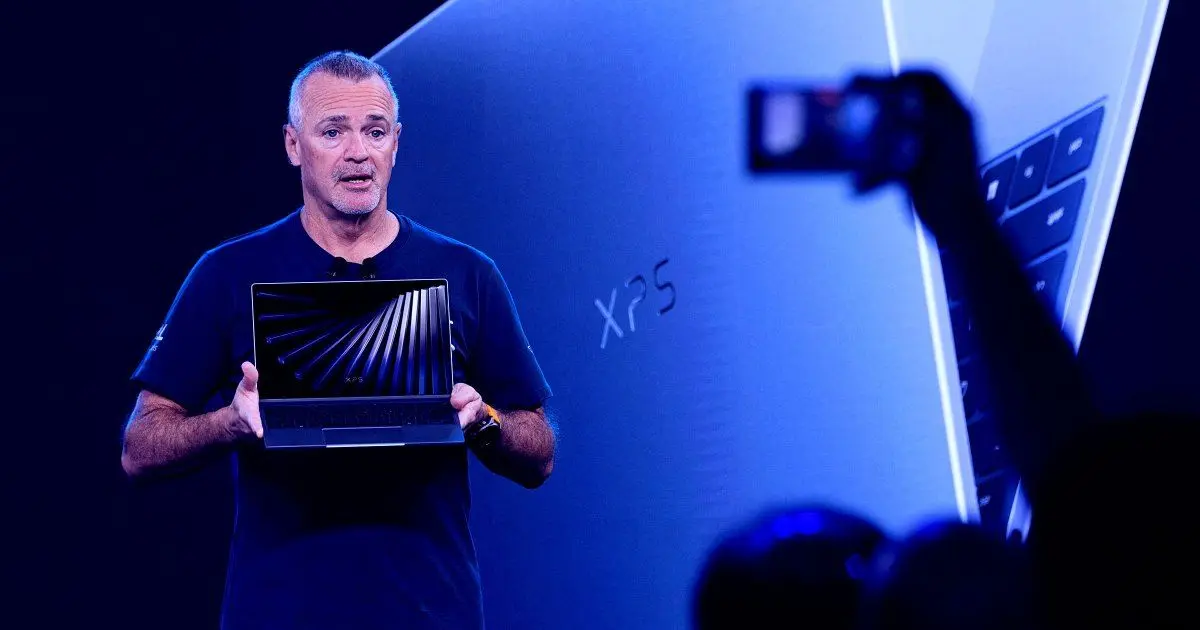
Dell has made a striking admission that challenges the tech industry's AI hype: consumers don't care about AI PCs. At a press briefing ahead of CES 2026, Kevin Terwilliger, Dell's head of product, acknowledged that the company's messaging about its 2026 PC lineup is not "AI first"—a significant departure from last year's strategy. "What we've learned over the course of this year, especially from a consumer perspective, is they're not buying based on AI," Terwilliger stated bluntly. "In fact I think AI probably confuses them more than it helps them understand a specific outcome."
1
2
Source: Futurism
This honest assessment from one of Microsoft's biggest PC partners comes as a blow to the software giant's push for Copilot Plus PCs. Dell Vice Chairman and Chief Operating Officer Jeff Clarke described AI as an "unmet promise," noting that the company had "an expectation of AI driving end-user demand" but "it hasn't quite been what it was going to be a year ago."
1
4
Microsoft's Copilot Struggles to Gain Traction
The shift in marketing strategy exposes deeper problems with Microsoft's Copilot initiative. While every new PC that leading OEMs ship this year will technically be an AI PC—equipped with either a Qualcomm Snapdragon X processor, Intel Core Ultra Series 3, or AMD Ryzen AI CPUs with NPU (Neural Processing Unit) capabilities—the AI features themselves aren't driving sales.
1
3

Source: Stuff
Microsoft's flagship Recall feature exemplifies these challenges. The controversial AI feature eventually launched nearly a year after it was originally scheduled, delayed following security concerns raised by security experts.
2
Even when AI capabilities do arrive, they haven't delivered obvious benefits for home users or taken much share from competitors like ChatGPT, Google's Gemini, or Anthropic's Claude—none of which require a fancy new "AI PC" to work.1

Source: XDA-Developers
Satya Nadella Takes Direct Control Amid Growing Concerns
The lackluster reception has prompted Microsoft CEO Satya Nadella to become what The Information described as the company's "most influential product manager." Nadella, who saw Microsoft miss the platform shift to mobile devices and tablets, desperately wants to avoid another failure in this momentous platform shift. He is conscious of the perception that the consumer version of Copilot lags behind competitors like Gemini, and has recently sent notes directly to product groups working on Copilot's consumer app with feedback on bugs and shortcomings.
1
This represents a familiar pattern for Microsoft: shipping half-baked products, then iterating slowly as the market experiments. That approach might work for a startup, but it's proven problematic for a company of Microsoft's size. Customers try the unfinished product, develop negative impressions, and those reviews spread even as flaws get fixed.
1
Related Stories


Hardware Improvements Overshadow AI Capabilities
Dell was among Microsoft's partners for the initial Copilot Plus PC launch in 2024, adding Qualcomm's Snapdragon X Elite chips to its popular XPS 13 and Inspiron line of laptops. However, most of the benefits in Copilot Plus PCs come from the improved battery life and performance of Qualcomm's chips, instead of AI features alone.
2
At CES 2026, Dell revived the XPS brand and refocused on hardware improvements that are not directly tied to generative AI or chatbots.4
While Terwilliger confirmed that every new Dell system announced at CES 2026 has an NPU inside for AI workloads, he acknowledged consumers aren't buying new hardware simply because it contains AI components.
4
Power users, who typically run more intense workloads and require stability and horsepower, aren't hitting the Copilot button because their needs are fundamentally different and AI wouldn't help them with their tasks anyway.3
Business Market Faces Similar Skepticism
The challenges extend beyond consumer markets. While Microsoft's real revenue engine is business customers—where licenses are sold 100,000 at a time and IT controls the ecosystem—even there, enterprise customers may decide they don't need to pay another $20 per user per month for a benefit that isn't materializing.
1
With consumers already spending thousands of dollars to build or buy capable systems for work or gaming, and a major memory shortage expected in 2026, no amount of chatbot acceleration is likely to drive satisfaction.4
Dell's decision to refocus on meeting actual customer demand rather than where the industry insists they should be represents a pragmatic approach. The powerful neural processing units in these machines may find workloads where they can demonstrate value in a year or two, but until Microsoft's many Copilots are ready for that role, Windows PC makers will have to sell their new hardware the old-fashioned way.
1
4
References
Summarized by

Navi
[2]
[3]
Related Stories
Recent Highlights



Recent Highlights
Today's Top Stories








Don’t drown in AI news. We cut through the noise - filtering, ranking and summarizing the most important AI news, breakthroughs and research daily. Follow topics that matter to you and stay ahead.


