MWC 2026 reveals how AI boom collides with memory chip shortage, threatening smartphone market


2 Sources
2 Sources
[1]
Mobile Chiefs Reckon With AI Boom and Geopolitics at MWC 2026
Telecommunications companies announced alliances with big winners of the AI boom, such as Nvidia Corp., to build out AI-ready 6G mobile networks and integrate AI into their networks. At the mobile industry's biggest annual gathering this week, telecom companies are trying to show that new partnerships and artificial intelligence-driven innovation can overcome supply chains strained by surging demand and geopolitics. In early announcements from MWC Barcelona 2026 so far, telecom companies and phone makers are adding AI capabilities to help overcome the threat. Network providers are pairing up with major tech companies to integrate AI into their networks while phone makers are adding AI functions to devices. That's in the shadow of a crippling memory shortageBloomberg Terminal, rising prices for key materials such as copper, aluminum and gold, and the fallout from the conflict in the Middle East. Executives flying to Barcelona from Asia were held up in transit due to flight disruptions caused by the conflict in Iran, and the European Union's digital chief Henna Virkkunen pulled out of a keynote speech. Memory Crunch The AI-driven shortage of memory chips is set to shrink smartphone sales by a record 13% this year. "This is going to be a big talking point at MWC, it doesn't just affect phones, but laptops, smartwatches and any consumer electronic devices," said Ben Wood, analyst at CCS Insight. Insatiable demand for memory from AI data center operators like Alphabet Inc.'s Google, Meta Platforms Inc. and Microsoft Corp. has stymied device makers, elevated component prices and starved the entry-level segments of device categories. In the lead-up to MWC, chipmaker Qualcomm Inc.'s Chief Executive Officer Cristiano Amon pinned the blame for a shrinking phone market on memory supply constraints. Wood said the supply choke would drive up phone prices, as handset makers move toward expensive, premium devices to offset rising costs. Network Partnerships As the conference kicked off, telecommunications companies announced alliances with some of the biggest winners of the AI boom. Nvidia Corp., which makes the leading chips to train and run AI models, announced an effort to build out AI-ready 6G mobile networks, in partnership with Nokia Oyj, SoftBank Corp. and others. Qualcomm announced a similar effort with Swedish network equipment maker Ericsson AB, Google and Meta. "Nvidia's approach is to use best-of-breed technologies partners," said Nokia Chief Executive Officer Justin Hotard in an interview. "And at Nokia, I'm challenging us to do the same." Nvidia invested $1 billion Bloomberg Terminalin Nokia last year, pledging to supply the Finnish network equipment maker with AI-powered computers for wireless networks. Hotard is banking on that move to turn Nokia's fortunes around, after years of sluggish growth. Asked about rival Huawei Technologies Co., a Nokia infrastructure rival that also designs chips like Nvidia, Hotard talked up the value of partnerships. "Very few vertically integrated players win over time," he said. AI and Folding Devices On the show floor, brands such as Shenzhen-based Honor Device Co. and Lenovo Group Ltd.'s Motorola debuted new foldable phones, ahead of Apple Inc. unveiling the first foldable iPhone later this year. Honor's Magic V6 is a thin foldable powered by Qualcomm's latest high-end chip and a powerful battery. It also touts compatibility with Apple devices. Its specifications are on par with the Motorola Razr Fold, which comes with a brighter screen. Device makers also showed off AI-enhanced phones, though there's little evidence as yet that the technology really drives sales. Lenovo unveiled various AI concept devices, while Honor presented both a humanoid robot and the first demo of its so-called Robot Phone, which includes an articulating arm with a camera that emulates human-like gestures.
[2]
MWC 2026: Chinese Phone Giants Pivot to AI Amid Chip Crunch
The pivot comes at a time when a global memory chip shortage is driving up costs, tightening supplies, and forcing manufacturers to rethink their growth strategies. From Xiaomi and Honor to Huawei, companies participated in the Barcelona event to present AI as the new core of their product ecosystems. The emphasis was not limited to smarter cameras or voice assistants. Instead, brands showcased on-device AI tools, cross-device connectivity, and concepts that blur the line between smartphones, PCs, and smart home products. The shift reflects a broader attempt to move beyond the crowded and price-sensitive smartphone market. Companies develop AI-led experiences and services to create new revenue streams, which will help them market their products as .
Share
Share
Copy Link
At MWC 2026 in Barcelona, telecommunications companies and phone makers confronted a severe memory chip shortage threatening to shrink smartphone sales by 13% this year. The AI boom has created insatiable demand from data centers, forcing device makers to pivot strategies. Major alliances emerged as Nvidia, Nokia, and Qualcomm announced partnerships to build AI-ready 6G mobile networks.
Telecommunications Companies Navigate Supply Crisis at MWC 2026
The mobile industry's largest annual gathering in Barcelona this week exposed a fundamental tension reshaping the sector. As telecommunications companies announced ambitious alliances with AI boom winners like Nvidia, they simultaneously grappled with a global memory chip shortage that threatens to contract smartphone sales by a record 13% this year
1
. The crisis stems from insatiable demand for memory from AI data center operators including Google, Meta, and Microsoft, which has elevated component prices and starved entry-level device segments1
.
Source: Bloomberg
Geopolitical Challenges Compound Industry Pressures
MWC 2026 unfolded against a backdrop of significant geopolitical challenges that extended beyond supply chain economics. Executives traveling from Asia faced flight disruptions caused by conflict in Iran, while the European Union's digital chief Henna Virkkunen withdrew from a keynote speech
1
. Rising prices for copper, aluminum, and gold further strained manufacturers already dealing with memory constraints. Ben Wood, analyst at CCS Insight, emphasized that the memory crunch affects not just phones but laptops, smartwatches, and any consumer electronic devices, making it a central talking point at the conference1
.Strategic Partnerships Drive 6G Mobile Networks Innovation
Network providers responded to these pressures by forging major partnerships designed to integrate AI capabilities into next-generation infrastructure. Nvidia announced an effort to build AI-ready 6G mobile networks in collaboration with Nokia, SoftBank, and others
1
. Qualcomm followed with a similar initiative alongside Ericsson, Google, and Meta. These alliances reflect a strategic pivot toward collaborative innovation rather than vertical integration. Nokia CEO Justin Hotard, referencing Nvidia's $1 billion investment in Nokia last year, emphasized the value of best-of-breed technology partnerships over vertically integrated approaches like rival Huawei's1
.Related Stories


Chinese Phone Manufacturers Showcase On-Device AI Tools
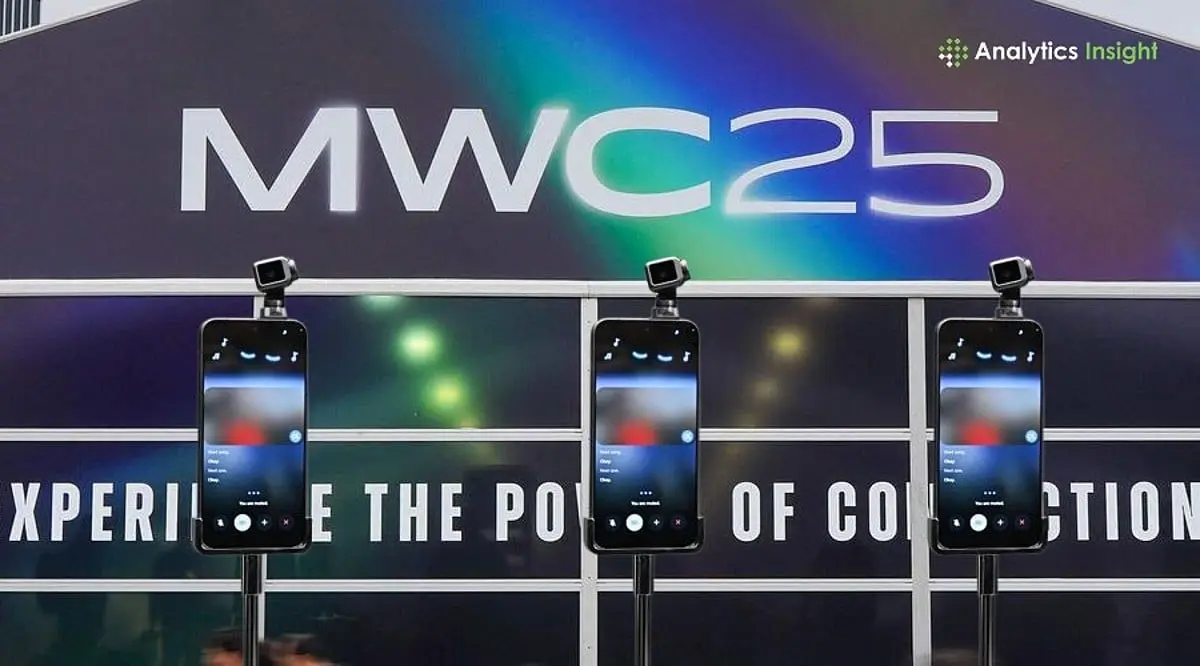
Chinese phone manufacturers including Xiaomi, Honor, and Huawei used MWC 2026 to position AI as the core of their product ecosystems
2
. The emphasis extended beyond conventional features like smarter cameras, with brands demonstrating on-device AI tools and cross-device connectivity concepts that blur boundaries between smartphones, PCs, and smart home products2
. This pivot represents an attempt to escape the crowded, price-sensitive smartphone market by developing AI-led experiences that create new revenue streams2
.
Source: Analytics Insight
AI-Enhanced Foldable Devices Target Premium Segments
On the show floor, manufacturers unveiled AI-enhanced foldable devices aimed at premium segments. Honor debuted the Magic V6, a thin foldable powered by Qualcomm's latest high-end chip with compatibility for Apple devices, while Motorola presented the Razr Fold with an enhanced display
1
. These launches preceded Apple's anticipated first foldable iPhone later this year. Honor also demonstrated a Robot Phone featuring an articulating camera arm that emulates human gestures1
. The supply choke is driving handset makers toward expensive premium devices to offset rising costs, though evidence remains limited that AI technology truly drives smartphone sales1
. Qualcomm CEO Cristiano Amon directly blamed memory supply constraints for the shrinking phone market, underscoring how the memory chip shortage has become the defining challenge for an industry simultaneously pursuing ambitious AI integration and navigating complex geopolitics1
.References
Summarized by

Navi
[2]
Related Stories
Recent Highlights



Recent Highlights
Today's Top Stories








Your Daily Dose of Curated AI News
Don’t drown in AI news. We cut through the noise - filtering, ranking and summarizing the most important AI news, breakthroughs and research daily. Spend less time searching for the latest in AI and get straight to action.

