New app detects smart glasses nearby as privacy concerns mount over hidden cameras


2 Sources
2 Sources
[1]
This app warns you if someone nearby is wearing smart glasses, and I hate that it makes sense
Nearly 20% of smart glasses users have admitted to filming others without their consent, according to one study. With Meta adding to the creepiness by bringing facial recognition to its specs and the smart glasses space exploding with Samsung, Google and Apple all throwing their hats in the ring soon, one hobbyist app developer is fighting back. Called "Nearby Glasses," this Android app is able to notify people when someone nearby is wearing camera-equipped smart glasses. You can download it right now from the Play store or via GitHub, and being real, I'm disappointed but not surprised that this has to exist. Because in the words of William Gibson, a pioneer of cyberpunk: "The street finds its own uses for things." And it doesn't matter what the "official" purpose of a gadget may be, the users will find their own ways to use it -- be it practical, profitable or (unfortunately) subversive enough that we're in a situation to make software like this needed. How 'Nearby Glasses' works So how does the app spot smart glasses? It comes down to a combination of Bluetooth Low Energy (BLE) and something called "advertising frames." Every now and again, devices like the Ray-Ban Meta Smart Glasses will broadcast small packets of data that tell nearby devices "I am a Meta device," so you know what to pair with. This unique identifier is easy to pick up on, and with that, Jeanrenaud's app can send you a push notification to warn you. On top of that, you can alter the detection distance depending on how widely you wish to scan. Now, that's not to say it's completely reliable, and the developer does acknowledge this. Since it looks at a wide range of unique Bluetooth identifiers across Meta and Luxottica (the frame manufacturers for Meta and the upcoming Snap Specs), it can notify you of false positives of devices like the Meta Quest 3S or even smartwatches. And that's not to say this resistance will be thwarted in the future. If apps like this become popular, you may see manufacturers randomize Bluetooth signals to make them harder to identify. Or users themselves could just turn off the Bluetooth and use them as recording glasses, making them invisible to the app. The price of progress Honestly, while I appreciate the work of Jeanrenaud here, I'm sad that this even has to exist at all. It's a heavy realization that we've reached a point where privacy isn't a default state, but a service you have to actively run on your phone. Smart glasses sales are spiking (that's only going to go higher when the big players enter the scene), cases of targeted harassment using smart glasses to record women without their knowledge are on the rise and there have been reported incidents of "surveillance voyeurism" in beauty salons and locker rooms. As historian Edward Tenner noted, new tech often produces the exact opposite of its intent -- smart glasses are meant to connect us to our world, yet they've created a new wall of suspicion between us and every stranger we pass. And until companies prioritize society -- making recording lights unhackable and veering away from the more dystopian developments like facial recognition and always-on AI features -- apps like "Nearby Glasses" stop being a hobbyist project and start becoming an essential tool. Follow Tom's Guide on Google News and add us as a preferred source to get our up-to-date news, analysis, and reviews in your feeds.
[2]
This App Will Detect People Wearing Smart Glasses Near You
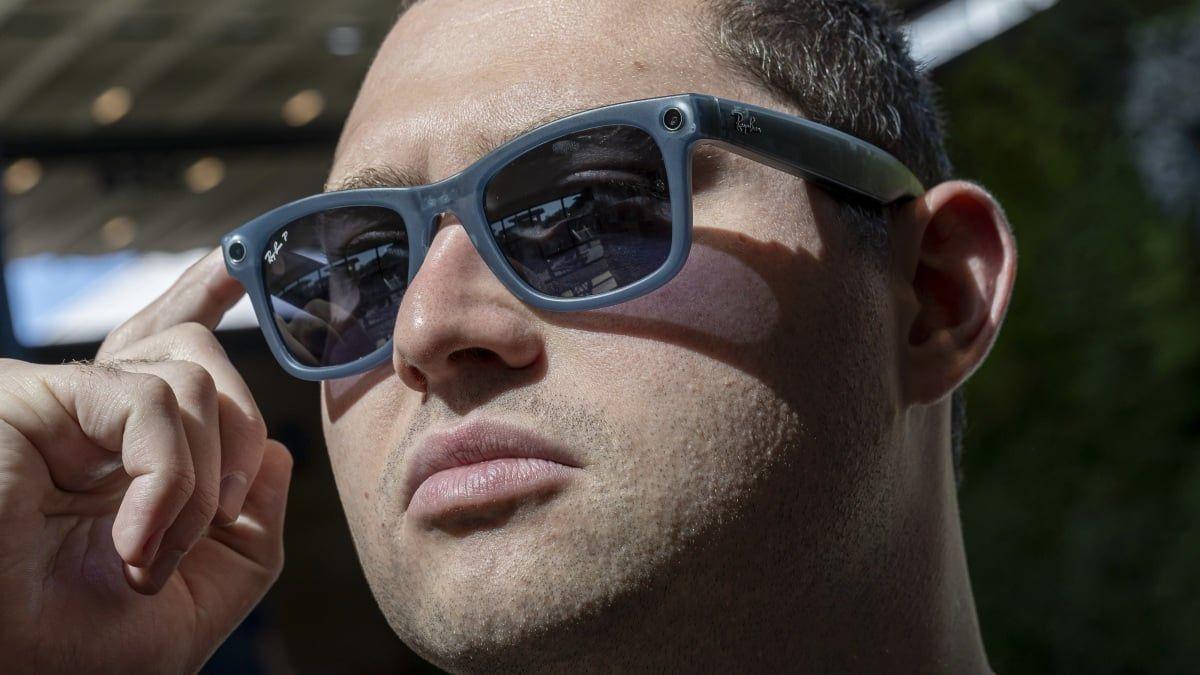
Nearby Glasses is available for Android, and the developer is working on an iOS port. Smart glasses aren't just the stuff of Hollywood anymore: You can buy a pair right now. Devices like Ray-Ban Metas come equipped with speakers, a microphone, embedded cameras, and connectivity to your smartphone -- all in a package that largely looks like a normal pair of glasses. That's great for enthusiasts who want a hands-free smartphone experience when out and about, but not so great for anyone who dislikes the idea of invisible cameras everywhere. There are two sides to these privacy worries. One is the personal angle. Many of us don't want the people around us shoving their smartphone cameras in our faces when we're out in public, but at least then we'd know we're being recorded. These embedded cameras are tough to spot unless you know what you're looking for, which means there's a feeling of always being watched by anyone walking past wearing glasses. On the other hand, there's the larger privacy concern that comes with the territory of a huge company like Meta. Just last week, we learned the company plans to bring facial recognition tech to its Ray-Ban and Oakley smart glasses with a feature called "Name Tag," which would give the wearer insights into the people they encounter using Meta AI. Taken together, smart glasses pose an unprecedented privacy and security risk for those of us living our lives, when both our neighbors and law enforcement have the accessibility to spy on us without our knowledge. Of course, what can you do? If these glasses are legal, and they're relatively inconspicuous, how can you protect yourself from the average Ray-Ban Meta-wearing Joe? By the time you get close enough to tell whether or not they're wearing smart glasses, you're already in view of the camera. Enter "Nearby Glasses," a new app that spills the beans on smart glasses wearers near your location. As reported by 404 Media, the app is made by developer Yves Jeanrenaud, and scans for smart glasses' "distinctive Bluetooth signatures" (also known as "advertising frames") to identify them in your immediate area. Jeanrenaud was able to use a directory of Bluetooth Low Energy (BLE) manufacturers to build a list of smart glasses the app can scan for, including devices from Meta, Luxottica Group S.p.A, and Snap. If the app spots one, it sends you a push notification. The app can't currently distinguish between smart glasses and mixed reality headsets, however. As such, you may get an alert saying there are smart glasses nearby, but because the app picked up the Bluetooth signals from a Meta Quest headset. That said, these are much easier to spot than smart glasses, and are far less likely to be worn inconspicuously in public spaces.
Share
Share
Copy Link
A new Android app called Nearby Glasses can detect when someone nearby is wearing camera-equipped smart glasses by scanning their Bluetooth signatures. The app emerged after studies showed nearly 20% of smart glasses users have filmed others without consent, raising urgent questions about privacy in an era of invisible surveillance technology.
Detecting Smart Glasses Through Bluetooth Signals
A hobbyist developer has created an Android app that addresses growing privacy concerns around camera-equipped smart glasses. Nearby Glasses, developed by Yves Jeanrenaud, can detect smart glasses in your vicinity by scanning for distinctive Bluetooth signatures that these devices broadcast
1
. The app is available now on the Play Store and GitHub, with an iOS version currently in development2
.
Source: Lifehacker
The technology works by monitoring Bluetooth Low Energy (BLE) advertising frames—small data packets that devices like Ray-Ban Metas periodically broadcast to identify themselves to nearby devices for pairing purposes. When the app identifies these unique identifiers from manufacturers including Meta, Luxottica Group S.p.A, and Snap, it sends users a push notification
2
. Users can also adjust the detection distance based on how widely they want to scan their surroundings1
.Privacy Risks Drive Demand for Detection Tools
The app's emergence reflects mounting concerns about non-consensual filming and surveillance. According to one study, nearly 20% of smart glasses users have admitted to filming others without their consent
1
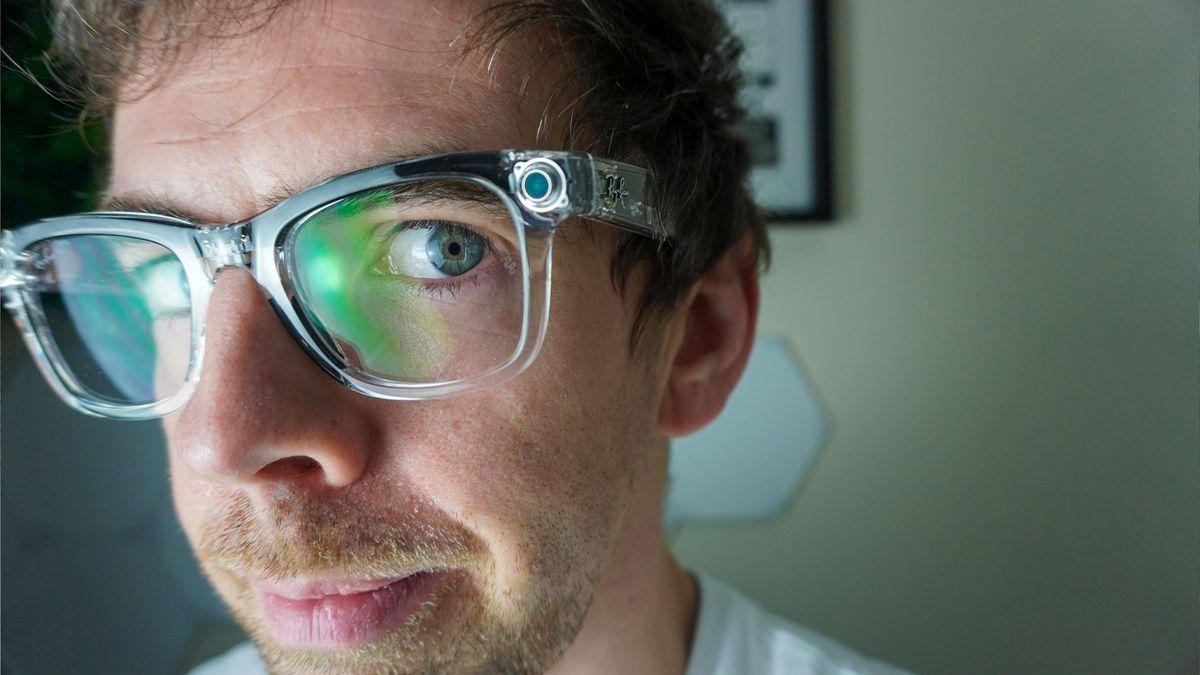
. These embedded cameras are difficult to spot unless you know exactly what to look for, creating a persistent feeling of being watched by anyone wearing glasses in public spaces2
.
Source: Tom's Guide
The privacy risks extend beyond individual concerns. Meta recently announced plans to bring a facial recognition feature called "Name Tag" to its Ray-Ban and Oakley smart glasses, which would provide wearers with AI-powered insights about people they encounter through Meta AI
2
. Cases of targeted harassment using smart glasses to record women without their knowledge are rising, with reported incidents of "surveillance voyeurism" in beauty salons and locker rooms1
.Limitations and Future Challenges
While Nearby Glasses offers a layer of protection, Jeanrenaud acknowledges the app isn't completely reliable. Because it scans a wide range of Bluetooth identifiers across Meta and Luxottica, it can generate false positives from devices like the Meta Quest 3S or even smartwatches
1
. The app currently cannot distinguish between smart glasses and mixed reality headsets, though the latter are far more conspicuous in public settings2
.Looking ahead, this detection method faces potential obsolescence. If apps like Nearby Glasses gain popularity, manufacturers might randomize Bluetooth signals to make identification harder. Users could also simply disable Bluetooth and use the glasses purely for recording, rendering them invisible to the app
1
. The situation highlights a troubling shift where privacy is no longer a default state but requires active monitoring through apps on your phone.Related Stories

What This Means for Smart Glasses Adoption
Smart glasses sales are spiking, and the market is set to expand dramatically as Samsung, Google, and Apple prepare to enter the space
1
. This growth trajectory makes the privacy debate increasingly urgent. As cyberpunk pioneer William Gibson observed, "The street finds its own uses for things"—regardless of a gadget's official purpose, users will find their own applications, whether practical, profitable, or problematic1
.Until companies prioritize making recording lights unhackable and reconsider dystopian developments like facial recognition and always-on AI features, tools like Nearby Glasses shift from hobbyist projects to essential privacy protection
1
. The app represents both a practical solution and a sobering reminder that smart glasses designed to connect us to the world have instead created new walls of suspicion between strangers.References
Summarized by

Navi
[1]
Related Stories
Harvard Students Demonstrate Privacy Risks of Smart Glasses with AI-Powered Surveillance Tool
03 Oct 2024•Technology

Ray-Ban Smart Glasses Face Privacy Backlash Over AI Training and Recording Without Consent
16 Mar 2026•Policy and Regulation
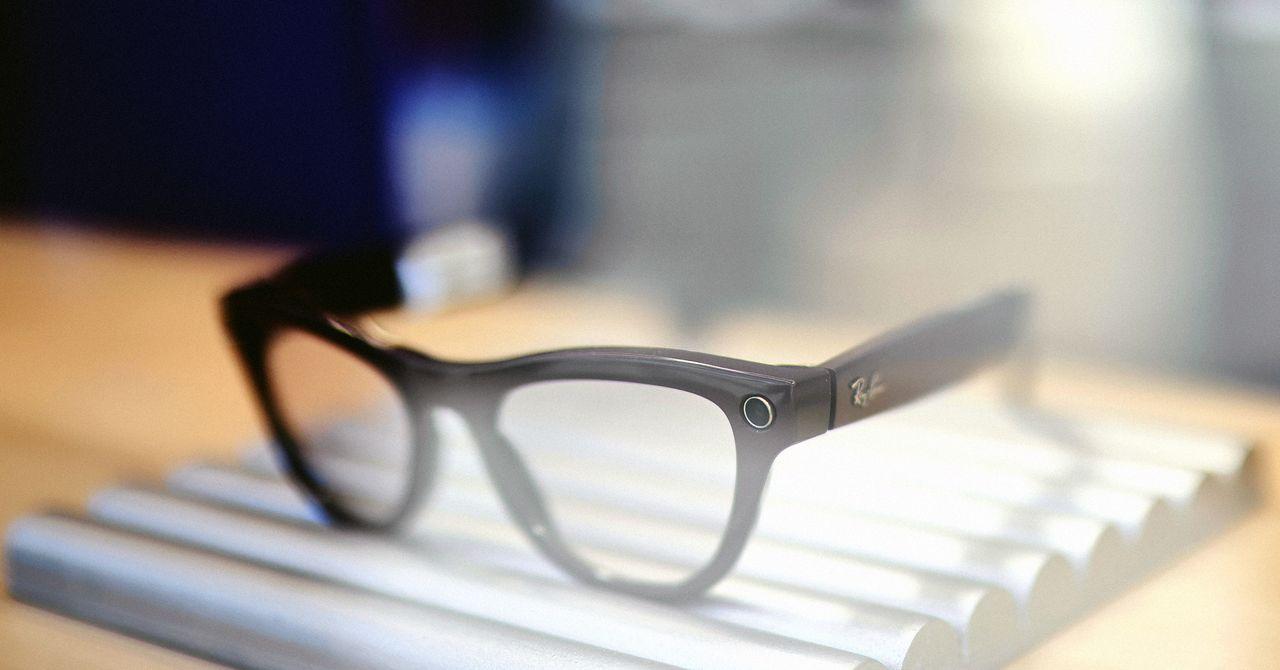
Meta plans facial recognition for smart glasses amid privacy uproar over political timing
13 Feb 2026•Technology

Recent Highlights
1
Tennessee Teens Sue Elon Musk's xAI Over Grok AI-Generated Child Abuse Images
Policy and Regulation

2
Supermicro Co-Founder Indicted in $2.5 Billion Nvidia AI Chip Smuggling Scheme to China
Policy and Regulation

3
Val Kilmer to appear posthumously in As Deep as the Grave through AI-generated performance
Entertainment and Society

Recent Highlights
Today's Top Stories



Your Daily Dose of Curated AI News
Don’t drown in AI news. We cut through the noise - filtering, ranking and summarizing the most important AI news, breakthroughs and research daily. Spend less time searching for the latest in AI and get straight to action.

