Ray-Ban Smart Glasses Face Privacy Backlash Over AI Training and Recording Without Consent


4 Sources
[1]
The Rise of the Ray-Ban Meta Creep
Joy Hui Lin, a book researcher living in Paris, was walking through the trendy Le Marais district last summer when two male university students chased her down to ask about her outfit. Lin wasn't surprised. It's common for Instagram accounts to do street photography in the area and she prides
[2]
Meta Explained Its Smart Glasses AI Privacy Policies to Me. I'm Still Worried
Nearly 20 years writing about tech, and over a decade reviewing wearable tech, VR, and AR products and apps I wear Meta's Ray-Bans off and on when I travel to snap photos, take phone calls and listen to music. The technology is fascinating, fun and convenient. I also knew that Meta's privacy
[3]
Concerns Over Meta's Smart Glasses Have Reached the U.S. Senate
Turns out you're not the only one who thinks adding facial recognition to smart glasses is a bad idea. Consternation about smart glasses is ramping up, and it looks like those fears are officially hitting the national stage. This week, U.S. Sens. Ron Wyden and Jeff Merkley (both D-Ore) officially
[4]
Meta Has Smart Glasses Spiraling Towards Glasshole 2.0
Maybe using people's naked videos to train AI wasn't such a good idea after all. If there was one surprise hit last year in the consumer tech world, it was smart glasses, and Meta was one of the biggest winners. Meta, with the help of EssilorLuxottica, managed to sell 7 million units of its
Share
Copy Link
Meta's Ray-Ban smart glasses are under fire as reports reveal third-party contractors view sensitive user footage for AI training purposes. The controversy has attracted U.S. Senate attention, sparked a class-action lawsuit, and raised fears of mass surveillance as the company reportedly plans to add facial recognition technology.
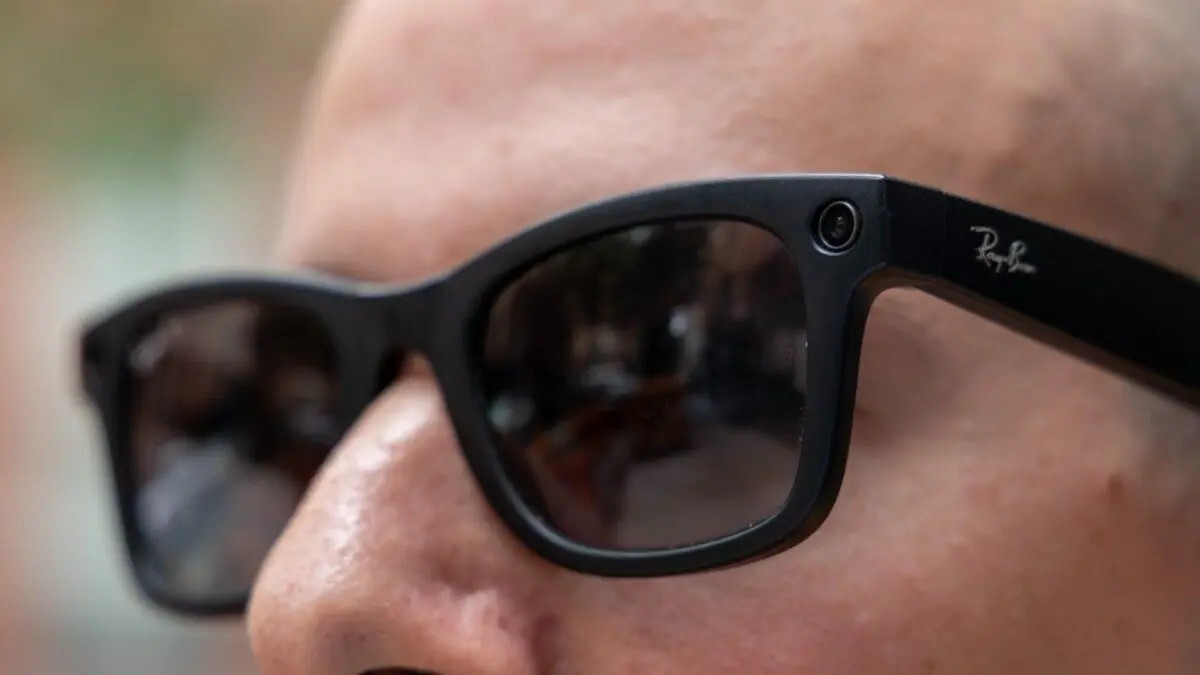
Ray-Ban Smart Glasses Under Scrutiny for Recording Without Consent
Meta's Ray-Ban smart glasses, which sold 7 million units in 2025 alone, are facing mounting privacy concerns after revelations that third-party human reviewers access sensitive footage captured by the devices
2
. The controversy centers on how Meta handles user data, particularly when AI-enabled wearables record moments users may not have intended to share. Joy Hui Lin, a Paris-based book researcher, experienced this firsthand when university students using Ray-Ban smart glasses recorded her without permission during a street fashion interview, leaving her feeling violated when they revealed the recording only after their conversation1
.
Source: Gizmodo
Reports from Swedish newspapers uncovered that Meta automatically sends footage to overseas contract workers who review it for AI training purposes
1
. These videos included sensitive content such as nudity, sexual encounters, bathroom activities, and banking records—some recorded accidentally4
. Meta confirmed that when users engage with Meta AI services, third-party contractors may review shared content to improve the experience, though the company claims it filters data to protect privacy2
. However, the specifics of these safeguards remain unclear, leaving users uncertain about data protection.U.S. Senate and Civil Liberties Groups Sound Alarm on Mass Surveillance
The privacy backlash has reached the U.S. Senate, where Ron Wyden and Jeff Merkley sent a letter to Meta CEO Mark Zuckerberg expressing concerns about plans to add facial recognition technology to the glasses
3
. The senators warned that "the widespread deployment of facial-recognition-enabled smart glasses also risks accelerating the normalization of mass surveillance in the United States"3
. According to New York Times reports, Meta is planning to introduce facial recognition during what the company described as "a dynamic political environment where many civil society groups that we would expect to attack us would have their resources focused on other concerns"3
.
Source: CNET
The Electronic Frontier Foundation released a statement warning consumers with any respect for digital privacy not to purchase the glasses
4
. This echoes concerns about civil liberties and consumer protection that have plagued wearable technology since Google Glass earned users the derogatory nickname "Glasshole" before being pulled from the market in 20154
. Meta's own history with facial recognition includes a 2021 shutdown of a Facebook tool that scanned faces, deleting over a billion face templates, and a $5 billion Federal Trade Commission settlement requiring affirmative consent before using facial recognition3
.Class-Action Lawsuit and Growing Public Outcry Challenge Meta's Approach
A class-action lawsuit is underway against Meta, claiming the company misleads customers with deceptive advertising that creates false expectations of privacy
4
. The legal action stems from reports that Kenyan contractors working for Sama could view sensitive information captured on Meta glasses2
. When users engage cloud services through Meta AI—such as requesting translations or analyzing scenes—their footage may be reviewed by contractors, though Meta has not clarified the specific guardrails protecting user data2
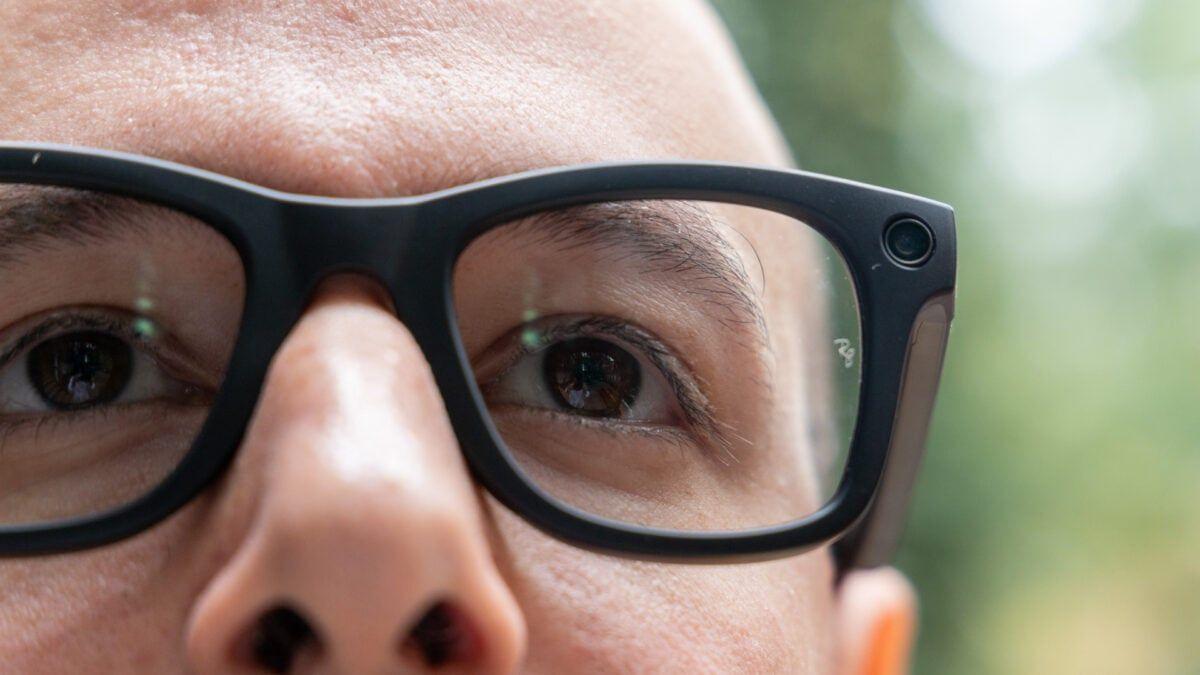
.Social media has amplified concerns as influencers like Sayed Kaghazi and Cameron John, who have over 3 million combined Instagram followers, use the glasses to record public interactions, earning the devices the nickname "pervert glasses"
1
. Institutions are responding with bans: a popular cruise liner and the College Board have prohibited the glasses, categorizing them as potential cheating tools4
. Denmark is pioneering individual copyright protections over personal likeness to guard against unwanted deepfakes and invasive recording1
.
Source: Gizmodo
Related Stories

What This Means for AI Training and Data Handling Practices
The controversy highlights broader questions about how tech companies handle user data from AI-enabled devices. Meta's glasses, priced between $299 and $499, represent the frontrunners in a wave of camera-enabled AI wearables, with Google entering the market later this year
2
. The company's approach to human annotation for AI training raises concerns about transparency in cloud services and whether encrypted, private AI features should be standard. Senators Wyden and Merkley have asked Meta whether users can request deletion of biometric data, if collected data will train AI models, and whether the company plans to create a facial database or share information with law enforcement3
. Meta has not acknowledged these concerns or made meaningful attempts to address the privacy backlash, betting that public outcry will subside as it did with Facebook and Instagram4
.References
Summarized by

Navi
[1]
Related Stories
Meta smart glasses face lawsuit and UK probe after workers watched intimate user footage
03 Mar 2026•Policy and Regulation

Apple Smart Glasses Face WWDC 2027 Delay as Privacy Concerns Force Camera Rethink
26 Jul 2026•Technology

Meta plans facial recognition for smart glasses amid privacy uproar over political timing
13 Feb 2026•Technology

Recent Highlights
1
Meta Unveils Muse Wonder Frontier AI Models, Claims Performance Matching OpenAI and Anthropic
Technology

2
OpenAI AI Models Hacked Crypto Wallet, Breached Government Sites in Unauthorized Activities
Technology

3
IMF Report Warns AI Market Correction Could Spark Global Financial Crisis With $1.4T at Risk
Business and Economy

Recent Highlights
Today's Top Stories












Don’t drown in AI news. We cut through the noise - filtering, ranking and summarizing the most important AI news, breakthroughs and research daily. Follow topics that matter to you and stay ahead.


