Nvidia partners with major utilities to build flexible AI factories that adapt to grid demands


2 Sources
2 Sources
[1]
Nvidia, Emerald AI team with energy companies on "flexible" data centers
Why it matters: The effort reflects a growing push to turn AI data centers from massive power consumers into more dynamic grid participants, as electricity demand from AI surges. Driving the news: The companies -- including AES, Constellation, NextEra Energy, Invenergy and Vistra -- plan to collaborate on energy and infrastructure approaches to support so-called "flexible AI factories." * The design pairs Nvidia's new reference architecture with Emerald AI software that can adjust computing workloads in response to grid conditions. How it works: These facilities could ramp power use up or down during periods of grid stress, similar to demand response programs, rather than running at constant full capacity. * We wrote about the concept in depth last fall. Inside the room: Emerald AI CEO Varun Sivaram previewed the approach at a dinner hosted by Axios on Sunday on the sidelines of the massive CERAWeek energy conference getting underway Monday in Houston. * "The next generation of data centers, even if it has on-site generation, should be able to give back to the grid, give back to communities, help keep rates affordable and help to achieve grid reliability," Sivaram said. Yes, but: The announcement is light on firm project commitments or timelines, suggesting the effort is -- for now -- more of a framework for collaboration than a buildout plan. The intrigue: Other participants at Sunday's Axios dinner said building on-site power generation -- often referred to as "behind the meter," meaning it primarily (and sometimes exclusively) serves the facility -- is increasingly seen as critical as data center power demand soars. * "Behind the meter is not a choice -- it's a necessity," said Will Jordan, EQT chief legal and policy officer. What we're watching: How this debate unfolds this week at CERAWeek by S&P Global, considered the world's most influential energy conference.
[2]
Nvidia, Emerald AI Partner With Power Companies on New AI Factories
Nvidia and Emerald AI said they would work with several power producers to develop a new class of AI factories, designed to connect to energy grids faster and support power systems as surging demand for artificial intelligence strains electricity infrastructure. The facilities will operate as what the companies on Monday called flexible energy assets, supporting power grids by modulating consumption and leveraging on-site generation and storage. Participating energy companies include AES, Constellation, Invenergy, NextEra Energy, Nscale Energy & Power, and Vistra. Nvidia said the facilities would use its Vera Rubin DSX reference architecture, alongside a software layer known as DSX Flex, which allows operators to align computing workloads with power availability. Emerald AI's Conductor platform will coordinate computing demand with on-site generation, batteries and other energy resources. The companies said projects could be deployed more quickly by using co-located generation and storage before securing full grid interconnection, with those resources later used to provide flexibility to the broader power system. Executives said flexible operation could help unlock additional capacity on the U.S. grid by reducing the need to build infrastructure sized for peak demand. "AI factories are the engines of the intelligence era, and like any great engine, every system must be designed together--energy, compute, networking and cooling as one architecture," Nvidia Chief Executive Jensen Huang said.
Share
Share
Copy Link
Nvidia and Emerald AI are collaborating with AES, Constellation, NextEra Energy, Vistra, and Invenergy to develop a new generation of flexible AI factories. These facilities will adjust computing workloads based on grid conditions, transforming data centers from massive power consumers into dynamic grid participants as electricity demand from AI surges.
Nvidia and Emerald AI Launch Flexible AI Factories Initiative
Nvidia has announced a collaboration with Emerald AI and several major energy companies to develop a new class of AI factories designed to address surging data center power demand while supporting electrical grid stability
1
2
. The participating energy companies include AES, Constellation, NextEra Energy, Invenergy, Vistra, and Nscale Energy & Power, signaling broad industry support for this approach to managing electricity demand from AI infrastructure2
.How Flexible Data Centers Transform Grid Dynamics
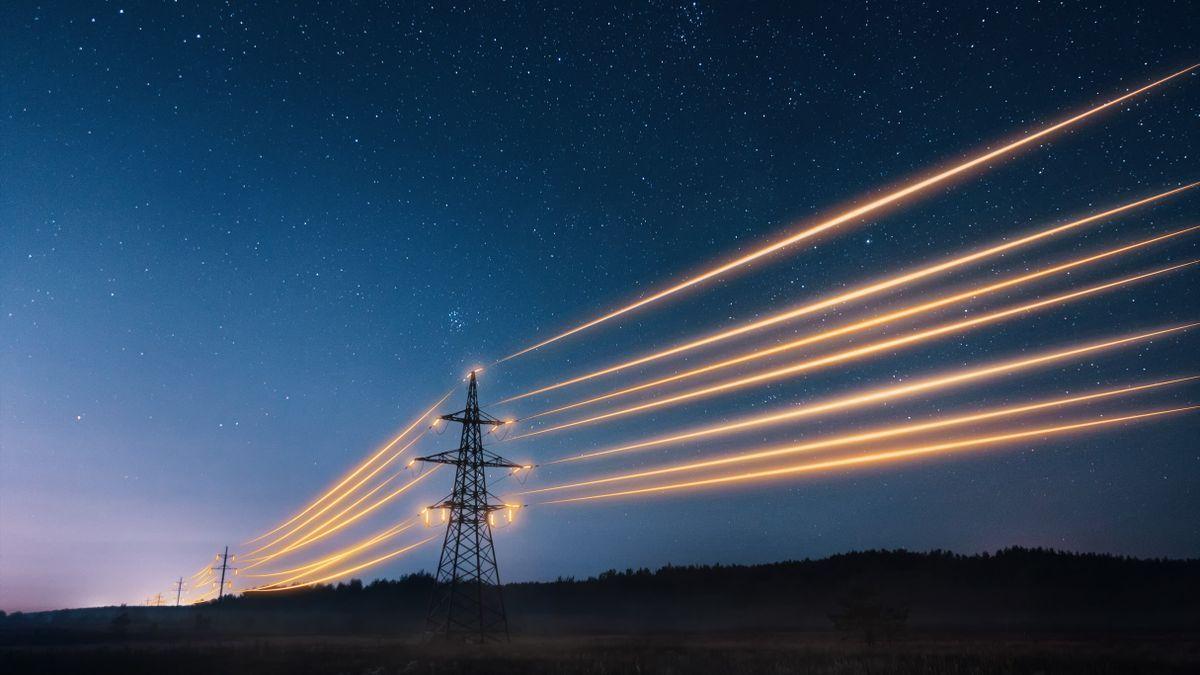
These flexible AI factories represent a shift from traditional data centers that run at constant full capacity to facilities that can modulate their power consumption based on grid conditions
1
. The design pairs Nvidia's new Vera Rubin DSX reference architecture with DSX Flex, a software layer that allows operators to align computing workloads with power availability2
. Emerald AI's Conductor platform will coordinate computing demand with on-site generation, batteries, and other energy resources to create adaptable grid participants2
.The facilities can ramp power use up or down during periods of grid stress, functioning similarly to demand response programs rather than maintaining constant consumption
1
. This flexibility could help unlock additional capacity on the U.S. grid by reducing the need to build infrastructure sized for peak demand, according to executives involved in the initiative2
.Behind-the-Meter Generation Becomes Essential
Emerald AI CEO Varun Sivaram previewed the approach at a dinner hosted by Axios on the sidelines of CERAWeek, the world's most influential energy conference in Houston
1
. "The next generation of data centers, even if it has on-site generation, should be able to give back to the grid, give back to communities, help keep rates affordable and help to achieve grid reliability," Sivaram said1
.
Source: Axios
On-site power generation is increasingly viewed as critical as data center power demand soars. At the same Axios dinner, Will Jordan, EQT chief legal and policy officer, emphasized this urgency: "Behind the meter is not a choice -- it's a necessity"
1
. The companies indicated that projects could be deployed more quickly by using co-located generation and storage before securing full grid interconnection, with those resources later providing flexibility to broader power systems2
.Related Stories
Vision Versus Implementation Timeline
Nvidia CEO Jensen Huang framed the initiative within a broader architectural vision: "AI factories are the engines of the intelligence era, and like any great engine, every system must be designed together--energy, compute, networking and cooling as one architecture"
2
. However, the announcement remains light on firm project commitments or timelines, suggesting the effort currently functions more as a framework for collaboration than a concrete buildout plan1
. The approach reflects a growing recognition that AI data centers must evolve from massive power consumers into dynamic participants that support grid reliability while meeting their own computing workloads1
.References
Summarized by

Navi
[2]
Related Stories
AI data centers slash power draw by 40% on demand, UK trial shows grid flexibility is possible
03 Mar 2026•Technology
AI's Energy Dilemma: Data Centers Push Power Grids to the Limit
15 Oct 2024•Technology

AI's Surging Energy Demands Pose Challenges and Opportunities for Power Grids
27 Jun 2025•Technology

Recent Highlights
1
Tennessee Teens Sue Elon Musk's xAI Over Grok AI-Generated Child Abuse Images
Policy and Regulation

2
Pentagon designates Palantir Maven AI as core US military system in major defense shift
Technology
3
Supermicro Co-Founder Indicted in $2.5 Billion Nvidia AI Chip Smuggling Scheme to China
Policy and Regulation
Recent Highlights
Today's Top Stories











Your Daily Dose of Curated AI News
Don’t drown in AI news. We cut through the noise - filtering, ranking and summarizing the most important AI news, breakthroughs and research daily. Spend less time searching for the latest in AI and get straight to action.

