Nvidia pushes open-source 6G with telecom giants, challenging how mobile networks get built


3 Sources
3 Sources
[1]
Nvidia Turns Its AI Ambitions Toward 6G, Argues It Should Be Open Source
At Mobile World Congress this week, Nvidia said it would team up with several telecom infrastructure companies on 6G technology, and it wants to make it open source. As TechSpot reports, this is partly to ensure that the mobile internet has the power it needs to support future AI devices while allowing smaller firms to innovate without paying licensing fees. And, of course, it ensures that Nvidia hardware remains at the heart of the buildout. "AI is redefining computing and driving the largest infrastructure buildout in human history -- and telecommunications is next," Nvidia CEO Jensen Huang said in a statement. "Together with a global coalition of industry leaders, Nvidia is building AI-RAN [radio access network] to transform the world's telecom networks into AI infrastructure everywhere." Nvidia will work with BT Group, Cisco, Deutsche Telekom, Nokia, SK Telecom, Softbank, and T-Mobile, among others. Together, Nvidia wants them to develop an AI-capable backbone for mobile connectivity. This AI-powered, accessible RAN would enable the onboarding of billions of AI-connected devices, providing the security, speed, and trust they require, Huang says. This is quite different from the rollout of 5G internet, which was largely locked down by Ericsson and Nokia's proprietary hardware and software. With the next generation, Nvidia is getting ahead of the game and bringing together many interested parties that want a piece of that next-gen pie. It's also drawn interest from the US government, which sees open-source platforming as a way to reduce its reliance on technology from foreign firms. But LightReading argues that Nvidia might be looking to position itself as a keystone within that open-source ecosystem. It's developed an early example of how an AI RAN might operate with Aerial, an open-source reference platform for radio access developed by DeepSig. Aerial, however, requires developers to work with Nvidia's CUDA, as it won't work with general-purpose CPUs from Intel or AMD, or on a system based on ARM Holdings' architecture. Nokia is reportedly trialling Nvidia GPUs with "Layer 1" RAN software from T-Mobile in the US. Ericsson, on the other hand, is pushing to develop solutions that can run on more general CPUs, which could open up greater options for hardware to power this next generation of RANs. The sheer scale of interest from other telecom companies in developing a more open 6G network seems likely to win the day, especially with Nvidia putting its shoulder behind the initiative. But it also seems very clearly driven by self-interest. Embedding CUDA into the very backbone of future mobile internet and AI infrastructure would make Nvidia even more of a key player in an industry where it is already the key player.
[2]
Nvidia's plan to open-source 6G might be bad news for the companies that built 5G
Serving tech enthusiasts for over 25 years. TechSpot means tech analysis and advice you can trust. The big picture: 6G is still years away from showing up in anyone's phone, but the fight over how it gets built is already underway. One big factor behind it is that it's expected to be far more reliant on AI than 5G ever was. Nvidia, for its part, has a pretty clear answer - it wants those networks running on its chips. And to get there, the company is leaning hard into something the telecom industry has historically wanted nothing to do with: open source. At this year's Mobile World Congress in Barcelona, Nvidia announced a "commitment" to make 6G both AI-native and open from the ground up. The list of companies backing this includes major telcos like Deutsche Telekom, T-Mobile, and SoftBank. But the names that really jump out are Ericsson and Nokia, the two Nordic giants that currently dominate mobile network infrastructure outside of China. The involvement of that duo comes as a bit of a surprise. As for why, you'd have to look at where 5G ended up first. For all the excitement it generated years ago, it never really delivered a dramatic leap over 4G beyond adding more capacity. It also wasn't designed with AI in mind, which has become a real problem now. And throughout all of this, Ericsson and Nokia have kept a tight grip on the proprietary systems powering those networks. That's made it difficult for smaller companies to break in and innovate on top of them. So the conversation has now shifted toward actual open-source code. And the US government is now backing that idea through a partnership with the Linux Foundation called OCUDU, which wants to embed open-source software directly into the foundation of 6G networks. The government's interest isn't purely altruistic here. Washington actually sees open-source as a way to reduce dependency on a handful of foreign vendors for critical communications infrastructure, especially for military use. As reported by Light Reading, Ronnie Vasishta, who leads Nvidia's telecom work, frames the problem pretty directly. He told the publication that the closed nature of 5G has kept developers and smaller companies from having the flexibility to build on those network platforms. If 6G were open-sourced, someone with a better algorithm for something like beamforming - a technique used to direct wireless signals more efficiently - could just plug it into the broader stack without needing to be part of some exclusive ecosystem first. Nvidia already has a proof of concept for this. Its open-source RAN reference platform, called Aerial, has let a company called DeepSig insert an AI-native waveform directly into the stack. And as pointed out by the publication, this doesn't mean well for Ericsson and Nokia in the long run. That's because both companies make a significant share of their profits by licensing proprietary technology to network operators. So, when that same technology becomes freely available, their core revenue stream starts to erode. That said, Ranny Haiby, the Linux Foundation's networking CTO, said in the report that he doesn't expect either company to tear up their existing code overnight. He sees something more gradual, like a slow drift toward compatibility as the benefits become harder to ignore.
[3]
Nvidia Expands Telecom Push With AI-Native 6G Initiative | PYMNTS.com
The initiative brings together major players including Booz Allen, BT Group, Cisco, Deutsche Telekom, Ericsson, Mitre, Nokia, OCUDU Ecosystem Foundation, ODC, SK Telecom, SoftBank and T-Mobile in a shared effort to create wireless infrastructure capable of meeting the demands of artificial intelligence at scale. Nvidia described this coalition's work as foundational to a new era of connectivity where networks are not merely conduits for data but intelligent systems that embed AI across the radio access network (RAN), network edge and core. These AI-native platforms are intended to support emerging use cases that go beyond traditional communication, such as autonomous vehicles, industrial robotics, smart cities and vast arrays of connected sensors, all of which require real-time intelligence, resilient performance and high trustworthiness. Jensen Huang, founder and chief executive of Nvidia, said AI is redefining computing and driving one of the largest infrastructure buildouts in history, with telecommunications next in line for transformation. The partners underscored the importance of open and software-defined platforms to empower a broad ecosystem of operators, vendors, developers and researchers. These open platforms aim to accelerate innovation, simplify interoperability, and build resilience into supply chains critical for future network deployments. Allison Kirkby, CEO of BT Group, framed connectivity as the backbone of economic growth, arguing that open and trustworthy AI-native platforms will help the industry scale beyond 5G while unlocking powerful new capabilities at scale. Likewise, Deutsche Telekom CEO Tim Höttges said an intelligent and trusted 6G infrastructure will be essential for delivering superior customer experiences and unlocking new value streams for enterprises and consumers alike. The coalition also drew comments from U.S. government officials. Arielle Roth, assistant secretary of commerce for communications and information, highlighted the role of U.S. leadership in shaping secure, next-generation networks, stressing that this global collaboration aligns with broader national competitiveness and security objectives. Asian and European operators echoed the need for AI-native design, with SK Telecom and SoftBank executives noting that open, software-defined 6G will serve as the platform for future innovation and ecosystem growth. T-Mobile's leadership described 6G as the backbone of the AI era, enabling autonomous systems and new digital business models at scale. The 6G effort arrives as Nvidia posts record financial results, reflecting the explosive demand for AI computing infrastructure that also underpins its networking ambitions.
Share
Share
Copy Link
Nvidia announced a coalition with major telecom companies to develop AI-native 6G networks using open-source platforms. The initiative includes Nokia, Ericsson, Deutsche Telekom, T-Mobile, and others, marking a sharp departure from the proprietary systems that dominated 5G. The move could reshape mobile internet infrastructure while positioning Nvidia's hardware at the center of future connectivity.
Nvidia Leads Coalition to Build Open-Source 6G Networks
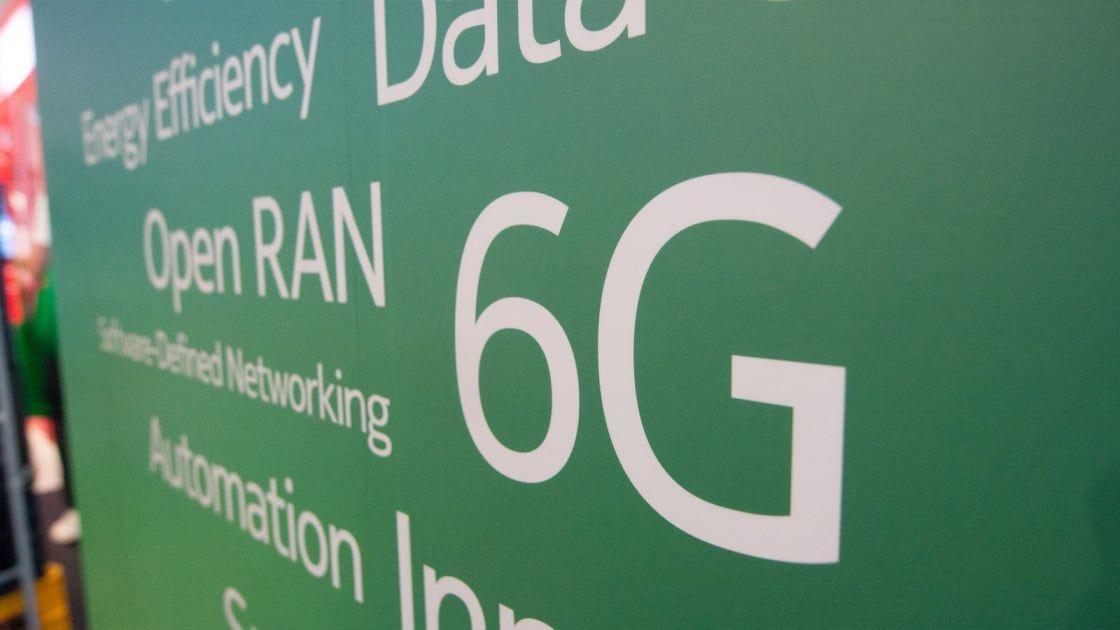
At Mobile World Congress this week, Nvidia announced a sweeping initiative to develop AI-native 6G networks built on open-source platforms, assembling a coalition that includes some of the biggest names in telecommunications
1
. The partnership brings together BT Group, Cisco, Deutsche Telekom, Ericsson, Nokia, SK Telecom, SoftBank, and T-Mobile, among others, in what Nvidia CEO Jensen Huang described as an effort to transform telecom networks into AI infrastructure everywhere3
. "Artificial Intelligence (AI) is redefining computing and driving the largest infrastructure buildout in human history -- and telecommunications is next," Huang said in a statement1
.
Source: PYMNTS
The initiative marks a dramatic shift from how 5G was developed. That previous generation relied heavily on proprietary systems controlled by Ericsson and Nokia, which made it difficult for smaller firms to innovate without paying licensing fees
1
. The involvement of both Nordic giants in Nvidia's open-source 6G effort comes as something of a surprise, given their historical dominance of mobile network infrastructure outside China through closed ecosystems2
.Why Open-Source Matters for Next-Generation Mobile Connectivity
The push for open-source 6G addresses fundamental limitations that emerged with 5G. Despite initial excitement, 5G never delivered a dramatic leap over 4G beyond adding capacity, and critically, it wasn't designed with AI in mind
2
. Ronnie Vasishta, who leads Nvidia's telecom work, told Light Reading that the closed nature of 5G prevented developers and smaller companies from having the flexibility to build on those network platforms2
. With software-defined platforms, someone with a better algorithm for techniques like beamforming could plug it directly into the broader stack without needing exclusive ecosystem access2
.
Source: PC Magazine
The US government has thrown its weight behind this approach through a partnership with the Linux Foundation called OCUDU, which aims to embed open-source software directly into the foundation of 6G networks
2
. Washington sees open-source platforming as a way to reduce reliance on technology from foreign firms, particularly for critical communications infrastructure and military use1
. Arielle Roth, assistant secretary of commerce for communications and information, emphasized that this global collaboration aligns with broader national competitiveness and security objectives3
.AI Infrastructure Takes Center Stage in Radio Access Network Design
Nvidia's vision centers on creating an AI-powered radio access network (RAN) capable of supporting billions of AI-connected devices with the security, speed, and trust they require
1
. These AI-native platforms are designed to support emerging use cases that go beyond traditional communication, including autonomous vehicles, industrial robotics, smart cities, and vast arrays of connected sensors, all requiring real-time intelligence and resilient performance3
.
Source: TechSpot
Nvidia has already developed an early proof of concept through Aerial, an open-source reference platform for radio access developed with DeepSig
1
. The Aerial reference platform has enabled DeepSig to insert an AI-native waveform directly into the stack2
. Nokia is reportedly trialling Nvidia GPUs with "Layer 1" RAN software from T-Mobile in the US1
.Related Stories


Strategic Positioning Raises Questions About True Openness
While Nvidia champions openness, the company appears to be positioning itself as a keystone within the open-source ecosystem. Aerial requires developers to work with Nvidia's CUDA platform, as it won't function with general-purpose CPUs from Intel or AMD, or on systems based on ARM Holdings' architecture
1
. Embedding CUDA into the backbone of future mobile internet infrastructure would make Nvidia even more central to an industry where it already dominates1
.Ericsson is pushing to develop solutions that can run on more general CPUs, which could open greater hardware options for powering next-generation RANs
1
. For Nokia and Ericsson, the shift toward open-source presents a direct threat to their business models, as both companies derive significant profits from licensing proprietary technology to network operators2
. When that technology becomes freely available, their core revenue streams could erode2
. Ranny Haiby, the Linux Foundation's networking CTO, expects a gradual transition rather than an overnight transformation, with a slow drift toward compatibility as benefits become harder to ignore2
.Industry Leaders Signal Commitment to AI-Native Networks
Telecom executives across the coalition emphasized the strategic importance of this shift. BT Group CEO Allison Kirkby described connectivity as the backbone of economic growth, arguing that open and trustworthy AI-native platforms will help the industry scale beyond 5G while unlocking powerful new capabilities
3
. Deutsche Telekom CEO Tim Höttges stated that intelligent and trusted 6G infrastructure will be essential for delivering superior customer experiences and unlocking new value streams for enterprises and consumers3
. T-Mobile leadership described 6G as the backbone of the AI era, enabling autonomous systems and new digital business models at scale3
.References
Summarized by

Navi
Related Stories
Recent Highlights


Recent Highlights
Today's Top Stories








Your Daily Dose of Curated AI News
Don’t drown in AI news. We cut through the noise - filtering, ranking and summarizing the most important AI news, breakthroughs and research daily. Spend less time searching for the latest in AI and get straight to action.

