Nvidia slashes RTX 50-series production to prioritize AI demand, triggering GPU drought


4 Sources
4 Sources
[1]
Nvidia is reportedly cutting RTX 50-series production to focus on AI demand
Serving tech enthusiasts for over 25 years. TechSpot means tech analysis and advice you can trust. Rumor mill: The AI boom is turning into an even bigger headache for PC builders than previously expected. Not only has it made DDR5 memory prohibitively expensive, but it is also driving another round of GPU shortages. Fueled by surging demand from AI data centers, Nvidia is reportedly cutting production of its RTX 50-series GPUs by 15 - 20 percent through at least Q3 2026. The production cuts are reportedly affecting all RTX 50-series models, including the flagship RTX 5090, making it even scarcer than before. Output of the 5070 Ti will be drastically reduced, while the RTX 5080 and 5060 Ti 8GB will remain available in limited quantities. The RTX 5060, one of the most affordable models in the lineup, is expected to be taken off the market entirely. According to unnamed sources cited by YouTube channel Moore's Law Is Dead, Nvidia is halting consumer graphics card production due to "vastly overbooked AI sales." A distributor reportedly confirmed that the RTX 5060 will be out of production for at least six months, while the 5090, 5070 Ti, and 5060 Ti 16GB will remain effectively "unobtainable" for an indefinite period. Another source, reportedly a major retailer, appeared to confirm the shortage, stating that the RTX 5060 supply will soon run dry and remain unavailable until at least Q4. They added that the 5050 and 5060 Ti 8GB will be the only affordable models available in decent quantities through the summer. The 5080 and 5070 will also stay on the market, though in very limited volume. Nvidia reportedly informed its board partners, distributors, and retailers that it will reevaluate its strategy in Q4. However, that doesn't mean production will return to normal anytime soon, so graphics card availability is likely to remain a significant problem for gamers and professionals for the foreseeable future. What began as a memory crunch last year is now spreading to other segments of the PC hardware market, including SSDs, hard drives, and GPUs. Asus recently announced it was discontinuing the RTX 5070 Ti but later retracted the statement after Nvidia assured that it would continue shipping all RTX 50-series GPUs to board partners. Soaring DRAM prices are also impacting the broader consumer electronics market, with smartphones expected to become more expensive this year. A recent IDC report suggested that PC and smartphone prices could rise by nearly 10 percent in 2026 if DRAM shortages continue.
[2]
Report: Nvidia cancels GPU MSRP program
The RTX 5080 could see a significant 40-50% price increase, making gaming hardware less accessible to consumers. Finding an in-demand graphics card at retail price -- or at least the price originally announced by the manufacturer at launch -- is hard. Sometimes it's effectively impossible. And if you're hunting for Nvidia cards, the MSRP might just be completely irrelevant soon, according to unverified reports from the GPU industry. Germany-based YouTuber Roman "der8auer" Hartung, who's been doing reliable reporting on graphics cards and their manufacturers for years, said as much in his latest video. Hartung is also the CEO of performance cooling supplier Thermal Grizzly, so he knows his stuff. He reports on an Nvidia program that offers discounts to add-in board (AIB) partners like Asus and Gigabyte, specifically so they can sell at least some graphics cards at the prices Nvidia sets when it announces new products. At the best of times, those MSRP cards are a small sliver of what actually gets sold. But according to Hartung, the program ("OPP" or possibly "Open Price Program") has been shut down. He cites two industry sources, but does not name them. The mechanisms behind retail price, the way it's inflated by companies, and how those companies agree to sell cards at MSRP are complicated. But the idea is that Nvidia offered discounts and/or after-sale rebates to companies to incentivize cards sold at those "low" prices. And again, this information is coming from behind the curtain -- we don't have a way to independently confirm that OPP exists, though it does match the general state of the GPU industry for the last decade or so. But now? The state of the industry is chaos. Memory prices are getting insane -- including the chips that Nvidia has to supply from companies like Micron, Samsung, and SK Hynix -- and demand for both memory and GPUs to power "AI" data centers is out of control. There's some waffling at the moment over whether Nvidia is canceling some consumer-grade graphics cards, especially those with lots of RAM at (relatively) low prices, like the 16GB RTX 5060 Ti and 5070 Ti. Supplies are vanishing, though, and scalpers are making bank. Hartung expects Nvidia to shift production to the much more expensive RTX 5080, and even that card may rise much higher in price as the better-reviewed 5070 Ti and 5090 become impossible to find. Hartung estimates a 40 to 50 percent price increase for the RTX 5080, even before scalpers come into the equation. We can't confirm Hartung's statements, but it only makes sense that Nvidia would prioritize its limited output of GPUs (and the momory that comes with them) to the most profitable sector: AI. That leaves regular consumers like you and me in a lurch if we want any recent gaming hardware... or just general hardware at all.
[3]
'Yes. The entire series. Effectively': Nvidia RTX 50-series production reportedly on hold, and it's all because of AI demand
The state of Nvidia's RTX 50-series GPUs is in flux. With the RAM crisis causing prices to skyrocket and supply to dwindle, Nvidia was put in the position to confirm that it will "continue to ship" its graphics cards. But a recent leak claims otherwise. Speaking with industry sources, reputable tipster Moore's Law Is Dead (MLID) claims Nvidia is now putting its entire RTX 50-series GPU production on hold, and it's in order to meet AI demand. What's more, the RTX 5060 with 8GB of GDDR7 VRAM will be cut for the foreseeable future. According to the leak, which sees several sources commenting on the cut in RTX 50-series production, RTX 5060 supply will "get worse until at least Q4 [2026]," while other models in the lineup, including the RTX 5060 Ti with 16GB, RTX 5070 Ti, RTX 5090 will be "unobtanium" -- in other words, unobtainable. As MLID puts it on a post on X, the "5060 is done," and "the entire series" is put on hold. But going into the comments, there's more to it, as GPUs such as the RTX 5050, RTX 5060 Ti with 8GB, RTX 5070 and RTX 5080 will still be available, albeit still in low supply. Previously, Asus had allegedly put the RTX 5070 Ti into End of Life (EoL) status, but this was retracted after Nvidia claimed RTX 50-series would continue to ship as usual. However, with the memory shortage hitting the tech market hard, and Gigabyte stating Nvidia's GPU strategy is about "revenue per gigabyte," it's looking more likely that Team Green's graphics cards won't be easy to buy this year. Is RTX 50-series production shifting? We've heard that Nvidia's plan is to prioritize GPUs with lower video memory, which means that since the RTX 5060 Ti comes in bother 8GB and 16GB models, Team Green will push production of the 8GB version. One source speaking to MLID appears to back this up. "I [Distributor] just got done with multiple phone calls with AIBs -- it sounds like the 5060 is done for the next 6 months. Everyone says that Nvidia vastly overbooked Al sales, and therefore needs to pause almost all RTX 50 Series Production until at least Q3 2026. The 5090, 5070 Ti, 5060 Ti 16GB, and 5060 will soon be unobtanium... and the 5080, 5070, and 5060 Ti 8GB will trickle in with incredibly low volume." So, while some GPUs, which include many of the best graphics cards you can get, will soon be near-impossible to grab, the rest will still be in production, but still at a "low volume." Or, at least, until Q3 of 2026 (around July to September). However, according to an unknown major retailer, there's a different idea. "On Monday we [Major Retailer] were told that we should soon expect 5060 supply to get worse until at least Q4. In fact, we were specifically told that the 5050 and 5060 Ti 8GB are going to be most of the volume through summer. Yes, there will be a trickle of 5080s and 5070 supply... but not enough. Nvidia will 're-examine' in Q4." With this in mind, it's looking like the RTX 5050 and RTX 5060 Ti with 8GB will be most seen on shelves, while Nvidia will rethink its production plans towards the end of 2026. In any case, it's another reason to believe that we'll soon see the RTX 5060 on its way out. The last source also supports this claim. "For the foreseeable future, Nvidia's effectively only selling us [AIB] 5080, 5070, 5060 Ti 8GB, and 5050 kits. As for "why" Nvidia's effectively pausing 5060 production - it all comes down to cost & RAM. The 5050 uses GDDR6, and the 5060 Ti uses the same amount of GDDR7 as a 5060 -- so they are preferable. Oh, and get ready for a ~30% baseline price increase to GPUs imminently." Not only can we expect a cut in production on Nvidia's most popular GPUs, but now, it appears we may also see a 30% price increase. Of course, this isn't entirely surprising, considering Intel also expects costs to rise after 'about 9 to 12 months' of stock on laptops runs out, but it's still something to anticipate -- if these comments ring true. Prepare for a GPU drought It's still uncertain just how Nvidia's GPU strategy will play out, but with even more sources pointing to a limited supply of RTX 50-series graphics cards, it's looking like GPUs will become a precious commodity in the near future. Interestingly, Tom's Guide got to chat with CEO of U.K. PC supplier Scan, Elan Raja, who said the "RTX 5070 GPU is the sweet spot" when it comes to what PC gamers are actually buying. Fortunately, this is one of the graphics cards that apparently won't be in such short supply (for now), and that's due to its offering 12GB of VRAM, as opposed to its sibling, the RTX 5070 Ti, delivering 16GB of video memory. In any case, if MLID's sources are predicting the near future, expect many of Nvidia's GPUs to be in incredibly short supply, with some being near impossible to find. So, would you grab an RTX 50-series GPU now or wait for supply to return after the RAM crisis passes? Let us know your thoughts! Follow Tom's Guide on Google News and add us as a preferred source to get our up-to-date news, analysis, and reviews in your feeds.
[4]
Rumor: NVIDIA May Pause RTX 5060 Output, Tighten 50-Series Supply
A new rumor is making the rounds in the graphics card channel, and it does not paint a friendly picture for anyone shopping midrange GPUs in 2026. According to claims attributed to YouTuber Moore's Law Is Dead, NVIDIA is allegedly preparing to cut back GeForce RTX 50-series production to reallocate capacity toward AI-related deliveries. The most direct part of the leak targets the GeForce RTX 5060, described by sources as being effectively paused for roughly six months. If that translates into real-world allocations, it would mean fewer units reaching board partners and, in turn, fewer cards showing up in retail inventory throughout a sizeable portion of the year. The DIY impact would likely be less about a total disappearance and more about unreliable availability. When supply shifts from steady volume to intermittent batches, the market typically swings toward uneven regional stock, shorter-lived replenishments, and a higher chance of retailers holding pricing firm. Board partners may also end up focusing on higher-margin configurations if the number of GPUs they can ship is limited, which can further reduce the number of "good value" options in the mainstream stack. Earlier rumors about RTX 5060 Ti and RTX 5070 Ti constraints suggested a more selective squeeze, with 16 GB models being harder to source while 8 GB versions remained broadly available. The latest claim widens that scope, suggesting the 8 GB variants are not immune and may arrive only in low volumes. That matters because the 8 GB cards are usually the volume movers in this segment, especially when pricing is tight. If those units turn into occasional drops rather than consistent stock, the street-price floor tends to lift and stay elevated. The report also suggests the RTX 5050 could be less exposed to the same pressure because it is expected to use GDDR6 memory, which is characterized as less constrained than the memory used on higher-tier products. If true, that could make the 5050-class cards the most consistently available entries in the lineup, even if the rest of the stack feels constrained. Timing remains the biggest question mark. One source cited in the rumor stream suggests that the situation could begin easing in Q4 2026, implying a finite window where AI commitments dominate NVIDIA's capacity planning. However, there is also a more aggressive claim bundled in: NVIDIA may be aiming for an approximately 30% pricing uplift across the board, linked to higher bill-of-materials kit costs. If that price pressure shows up alongside reduced volume, buyers could face a longer period of elevated prices and limited choice in the mainstream GeForce range. As always with leaks, the real confirmation will come from allocation patterns -- how much product board partners can actually ship, how quickly distributors refill, and whether retail shelves look thinner than expected over the next few months.
Share
Share
Copy Link
Nvidia is reportedly cutting production of its RTX 50-series consumer graphics cards by 15-20% through at least Q3 2026 to meet surging AI demand. The RTX 5060 may be discontinued for six months, while flagship models like the RTX 5090 and 5070 Ti could become nearly unobtainable. Industry sources warn of potential 30-50% price increases as the company prioritizes AI data centers over gaming hardware.
Nvidia Prioritizes AI Data Centers Over Consumer Graphics Cards
Nvidia is reportedly implementing significant production cuts across its RTX 50-series lineup, redirecting manufacturing capacity toward AI data centers amid what industry sources describe as "vastly overbooked AI sales." According to unnamed sources cited by YouTube channel Moore's Law Is Dead, Nvidia RTX 50-series production will be reduced by 15-20% through at least Q3 2026, affecting all models in the lineup
1
. The move marks a dramatic shift in Nvidia's strategy as the company weighs the profitability of AI hardware against traditional gaming markets. A distributor reportedly confirmed that multiple phone calls with board partners revealed Nvidia has "vastly overbooked AI sales" and needs to pause almost all RTX 50-series production until at least Q3 20263
. This decision comes as memory shortage conditions intensify across the tech industry, with DRAM prices soaring and affecting everything from smartphones to SSDs.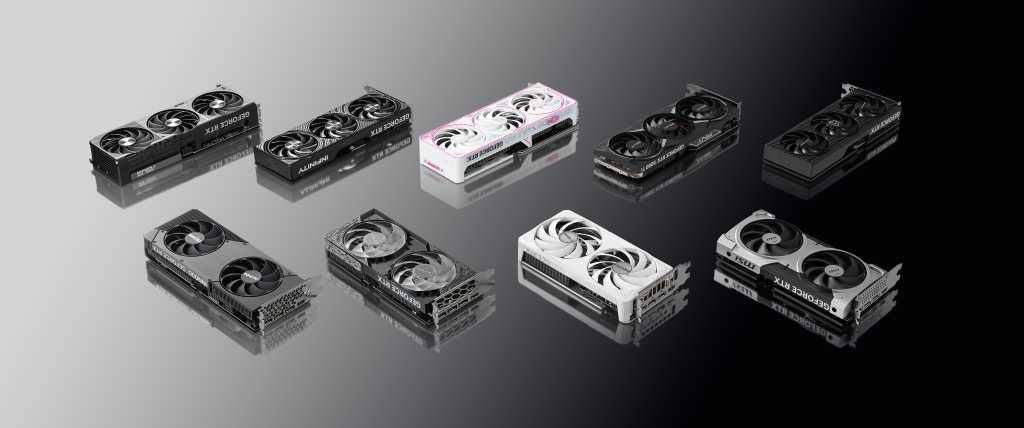
Source: PCWorld
GPU Shortages Hit Mainstream Models Hardest
The production cuts appear most severe for mid-range and high-memory configurations. The RTX 5060 with 8GB of GDDR7 VRAM will reportedly be out of production for at least six months, while the RTX 5090, RTX 5070 Ti, and RTX 5060 Ti 16GB models are expected to become "unobtanium"—effectively unobtainable for an indefinite period
3
. A major retailer source indicated that RTX 5060 supply will deteriorate until at least Q4 2026, with the RTX 5050 and RTX 5060 Ti 8GB becoming the primary volume offerings through summer1
. The RTX 5080 and RTX 5070 will remain available but in "incredibly low volume," according to distributor sources3
. Interestingly, the RTX 5050 may face less pressure because it uses GDDR6 memory rather than the more constrained GDDR7 found in higher-tier products4
. This selective approach reflects what Gigabyte has characterized as Nvidia's strategy focused on "revenue per gigabyte"3
.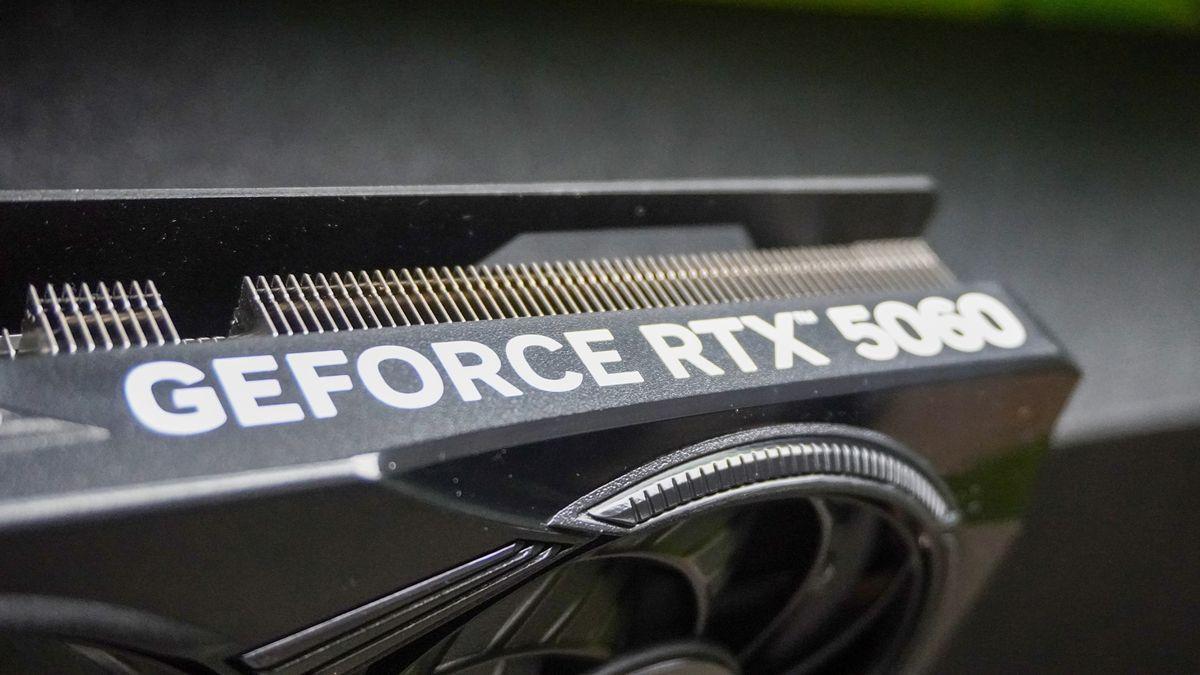
Source: Tom's Guide
MSRP Program Cancellation Signals Price Surge
Compounding supply concerns, Germany-based YouTuber and Thermal Grizzly CEO Roman "der8auer" Hartung reports that Nvidia has canceled its MSRP discount program for board partners. The program, known as "OPP" or possibly "Open Price Program," previously offered discounts and rebates to companies like Asus and Gigabyte to incentivize selling cards at manufacturer-suggested retail prices
2
. Without this program, gaming hardware becomes significantly less accessible to consumers. Hartung estimates the RTX 5080 could see a 40-50% price increase even before scalpers enter the equation2
. Another industry source speaking to Moore's Law Is Dead warned of an imminent 30% baseline price increase across GPUs3
. These projections align with broader market trends, as an IDC report suggested PC and smartphone prices could rise nearly 10% in 2026 if DRAM shortages continue1
.Related Stories
What This Means for PC Builders and Gamers
The timing creates a challenging environment for anyone planning system builds or upgrades. Nvidia reportedly informed its board partners, distributors, and retailers that it will reevaluate its strategy in Q4 2026, but that doesn't guarantee production will return to normal levels
1
. Graphics card availability is likely to remain a significant problem for gamers and professionals for the foreseeable future. What began as a memory crunch last year has now spread to other PC hardware segments including SSDs and hard drives1
. The situation echoes earlier supply crises, but with the added complexity of AI demand fundamentally reshaping manufacturing priorities. For consumers, the choice becomes stark: purchase available RTX 50-series cards now at elevated prices, or wait until late 2026 hoping supply normalizes. According to Scan CEO Elan Raja, the RTX 5070 GPU with 12GB VRAM represents the "sweet spot" for what PC gamers are actually buying3
—fortunately one of the models expected to maintain some availability, albeit limited. Watch for allocation patterns from board partners and retail restocking frequency over the coming months as the clearest indicators of how severe these constraints will become.References
Summarized by

Navi
[2]
[3]
Related Stories
Nvidia plans to slash RTX 50 GPU production by up to 40% as memory shortage bites
18 Dec 2025•Business and Economy

Nvidia's RTX 5000 Super Series Faces Cancellation as AI Demand Drives GDDR7 Memory Shortage
07 Nov 2025•Technology
Nvidia delays next-gen graphics cards until 2028 as AI chips take priority over gaming GPUs
05 Feb 2026•Business and Economy

Recent Highlights
1
Google releases Gemma 4 with Apache 2.0 license, enabling unrestricted local AI on devices
Technology

2
AI Models Lie and Deceive to Protect Other AI Models From Deletion, Study Reveals
Science and Research

3
OpenAI closes $122 billion funding round amid fierce AI competition and profitability questions
Startups

Recent Highlights
Today's Top Stories






Your Daily Dose of Curated AI News
Don’t drown in AI news. We cut through the noise - filtering, ranking and summarizing the most important AI news, breakthroughs and research daily. Spend less time searching for the latest in AI and get straight to action.

