Nvidia's RTX 5000 Super Series Faces Cancellation as AI Demand Drives GDDR7 Memory Shortage


2 Sources
[1]
Nvidia's RTX 5000 Super could be cancelled or get pricier due to AI-induced GDDR7 woes -- rumor claims 3 GB memory chips are now too valuable for consumer GPUs
The demand for hardware to power and train AI models has steadily been devouring computing component supplies. The latest casualty, if a rumor posted by X user Uniko's Hardware is to be believed, could be next-gen consumer GPUs. They claim that the shortage of 3 GB GDDR7 chips will lead to Nvidia
[2]
NVIDIA may cancel the GeForce RTX 50 SUPER series
TL;DR: NVIDIA's GeForce RTX 50 SUPER series launch faces delays or cancellation due to severe DRAM and GDDR7 memory shortages driven by AI industry demand. Rising memory prices are impacting desktop GPU availability and costs, prompting NVIDIA to potentially prioritize more profitable RTX PRO 6000
Share
Copy Link
Nvidia may cancel or delay its RTX 5000 Super graphics cards due to severe GDDR7 memory shortages caused by AI industry demand, potentially prioritizing more profitable professional GPUs instead.
Memory Shortage Crisis Threatens Consumer GPU Market
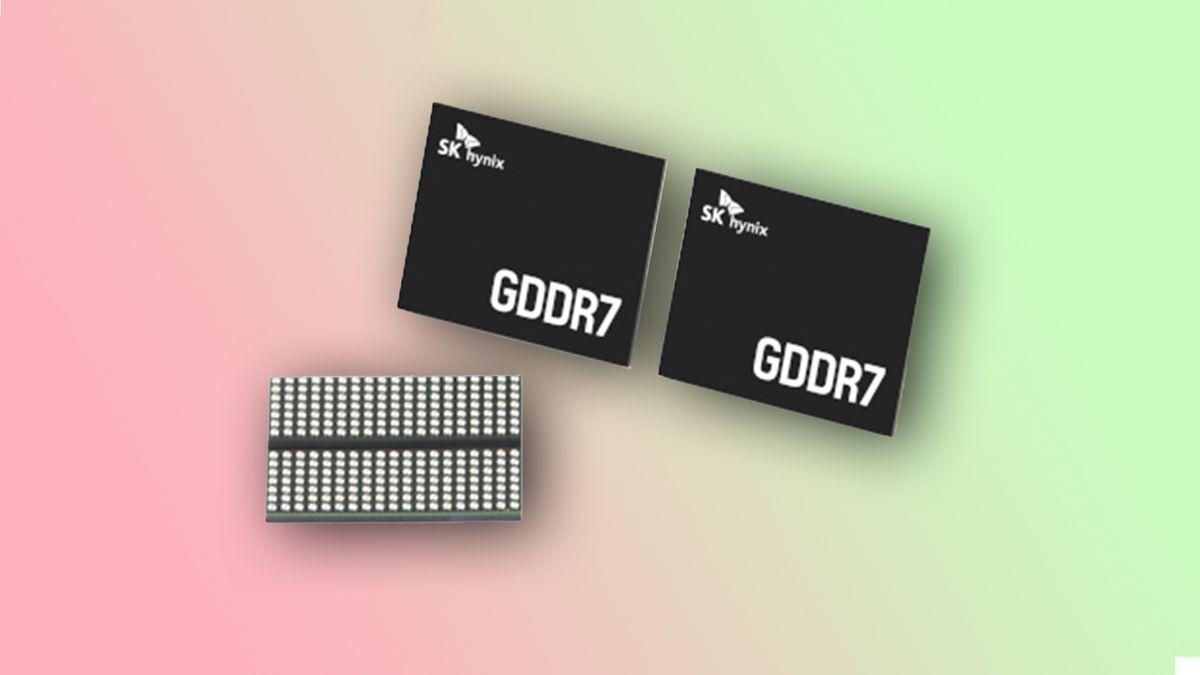
Nvidia's highly anticipated RTX 5000 Super series graphics cards face potential cancellation or significant delays due to severe shortages of GDDR7 memory chips, according to recent industry rumors. The crisis stems from the AI industry's voracious appetite for high-performance memory components, which has disrupted traditional supply chains and forced semiconductor manufacturers to prioritize more lucrative markets
1
.
Source: Tom's Hardware
The shortage specifically affects 3GB GDDR7 memory chips, which were intended to be the cornerstone of the Super series refresh. Current RTX 50-series cards utilize 2GB GDDR7 chips, while the planned Super variants were designed to leverage the larger 3GB modules for enhanced performance. However, these premium memory components have become increasingly scarce as AI accelerator manufacturers compete for the same supply
2
.AI Industry Dominates Memory Production
The root cause of this shortage traces back to the explosive growth in AI hardware demand, which has fundamentally altered the semiconductor landscape. Major memory manufacturers including Samsung, Micron, and SK Hynix have redirected substantial portions of their production capacity toward AI-focused products, leaving consumer markets with limited supply. This shift has been particularly pronounced in the high-bandwidth memory (HBM) and advanced GDDR7 segments, where profit margins are significantly higher than traditional consumer applications
1
.The situation has been exacerbated by Chinese AI companies, which have been aggressively securing memory supplies amid ongoing trade restrictions. This additional demand pressure has further constrained global GDDR7 availability, creating a perfect storm for consumer GPU manufacturers who rely on these components for their flagship products
1
.Strategic Pivot to Professional Markets
Faced with limited 3GB GDDR7 supply, Nvidia appears to be prioritizing its professional RTX Pro 6000 Blackwell GPUs over consumer Super variants. This strategic decision reflects the company's focus on maximizing profitability during a period of constrained resources. Professional graphics cards typically command significantly higher margins than consumer models, making them more attractive when supply is limited
2
.The potential cancellation or delay of the RTX 5000 Super series represents a significant shift in Nvidia's traditional product roadmap. The Super variants were originally planned as direct replacements for the existing RTX 5070, 5070 Ti, and 5080 models, with launches expected in the first or second quarter of 2025. These refreshed cards were anticipated to help normalize pricing in the high-end consumer GPU market
1
.Related Stories
Market Impact and Price Implications
The memory shortage crisis extends beyond potential product cancellations to immediate market effects. DRAM and NAND flash prices have increased substantially in recent months, with DDR5 desktop memory prices approximately doubling since late 2024. This inflationary pressure is expected to cascade through the entire graphics card ecosystem, making existing RTX 50-series models more expensive in the near term
2
.European markets are already showing signs of strain, with high-end Nvidia card inventory steadily depleting and prices increasing. The situation mirrors previous GPU launches where limited stock and inflated MSRPs became the norm, often taking months or years for prices to stabilize at advertised levels
1
.References
Summarized by

Navi
[1]
[2]
Related Stories
Nvidia slashes RTX 50-series production to prioritize AI demand, triggering GPU drought
22 Jan 2026•Business and Economy

Nvidia plans to slash RTX 50 GPU production by up to 40% as memory shortage bites
18 Dec 2025•Business and Economy

Nvidia delays next-gen graphics cards until 2028 as AI chips take priority over gaming GPUs
05 Feb 2026•Business and Economy

Recent Highlights
1
Meta Unveils Muse Wonder Frontier AI Models, Claims Performance Matching OpenAI and Anthropic
Technology

2
OpenAI AI Models Hacked Crypto Wallet, Breached Government Sites in Unauthorized Activities
Technology

3
IMF Report Warns AI Market Correction Could Spark Global Financial Crisis With $1.4T at Risk
Business and Economy

Recent Highlights
Today's Top Stories




Don’t drown in AI news. We cut through the noise - filtering, ranking and summarizing the most important AI news, breakthroughs and research daily. Follow topics that matter to you and stay ahead.


