Nvidia plans to slash RTX 50 GPU production by up to 40% as memory shortage bites


2 Sources
[1]
Nvidia could slash GeForce RTX 50 production by up to 40% next year
Serving tech enthusiasts for over 25 years. TechSpot means tech analysis and advice you can trust. Rumor mill: Analysts and other sources anticipate that memory shortages stemming from the AI boom could disrupt supplies of numerous hardware products beginning next year. AMD is expected to
[2]
Nvidia's GeForce RTX 50 Series GPUs Are About to Be Scarce
* Nvidia will reportedly reduce supply by 30-40 percent YoY in H1 2026 * GeForce RTX 5070 Ti and 5060 Ti 16GB GDDR7 are said to be affected first * Nvidia has not confirmed the production cuts officially Nvidia is reportedly preparing to reduce production of its GeForce RTX 50 series graphics
Share
Copy Link
Nvidia is reportedly preparing to cut GeForce RTX 50 series production by 30-40% in early 2026, with the RTX 5070 Ti and RTX 5060 Ti hit hardest. The decision stems from a global memory shortage driven by AI data centers consuming high-performance chips, forcing the company to prioritize enterprise products over consumer graphics cards.
Nvidia RTX 50 Faces Significant GPU Production Cut
Nvidia is preparing to reduce production of its GeForce RTX 50 series GPUs by 30 to 40 percent during the first half of 2026, according to reports from China's BoBantang and Board Channels
1
2
. The cuts represent a year-over-year comparison with the same period in 2025, marking a substantial shift in the company's manufacturing strategy. While Nvidia has not officially confirmed these production adjustments, multiple Asian sources have corroborated the information, though it remains unclear whether these cuts will affect global markets uniformly or focus primarily on specific regions like mainland China.
Source: TechSpot
Memory Shortage Drives Strategic Decisions
The global memory shortage has emerged as the primary driver behind Nvidia's decision to scale back consumer graphics cards production. High demand from AI data centers has fundamentally reshaped the memory market, with planned facilities absorbing most backlogged DRAM and NAND from manufacturers including Samsung, SK Hynix, and Micron
1
. These data centers consume far larger volumes of high-performance memory than traditional consumer hardware, and chipmakers have increasingly prioritized data-center-grade products for AI companies due to higher profit margins2
. The AI boom has created supply constraints that industry analysts expect to persist through 2027 or 2028, fundamentally altering production priorities across the semiconductor industry.
Source: Gadgets 360
RTX 5070 Ti and RTX 5060 Ti Bear the Brunt
The RTX 5070 Ti and the 16GB version of the RTX 5060 Ti are specifically mentioned as the first cards that could see reduced supply in 2026
2
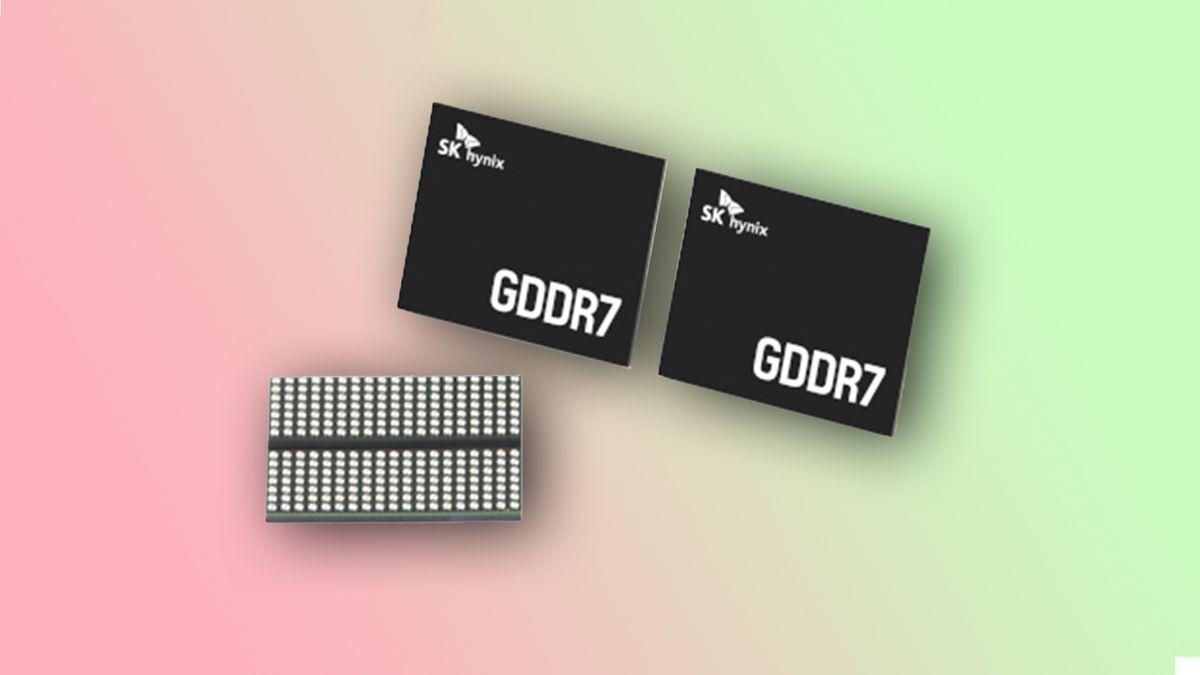
. Both models utilize 16GB configurations, and memory accounts for a large portion of the bill of materials for these mid-range GPUs. The shortage has particularly affected GDDR7 memory variants, which Nvidia chose for its Blackwell architecture-based RTX 50 lineup1
. This decision to use cutting-edge GDDR7 memory contributed to supply constraints and inflated prices at the early 2025 launch. Nvidia appears to be allocating available memory chips strategically across its GPU product stacks, favoring higher-margin enterprise AI products over affordable consumer-focused offerings.Related Stories

Broader Market Implications and GPU Price Hikes
The VRAM shortages are affecting the entire graphics card ecosystem. AMD is expected to pass higher memory costs directly to consumers, possibly beginning in January, while Nvidia may delay or even cancel the RTX 50 Super series that was anticipated to launch in 2026 with enhanced memory configurations
1
. Reports indicate that Nvidia has not yet informed its third-party customers about potential GPU price hikes for consumer products, though such announcements may be imminent2
. The memory crisis extends beyond graphics cards, with upcoming smartphones potentially shipping with less RAM than previous models and Micron exiting the consumer RAM business after three decades. For those considering upgrades, industry observers suggest the current holiday season represents an opportune window before availability deteriorates and prices potentially increase in 2026.References
Summarized by

Navi
[2]
Related Stories
Nvidia slashes RTX 50-series production to prioritize AI demand, triggering GPU drought
22 Jan 2026•Business and Economy

Nvidia's RTX 5000 Super Series Faces Cancellation as AI Demand Drives GDDR7 Memory Shortage
07 Nov 2025•Technology
Nvidia delays next-gen graphics cards until 2028 as AI chips take priority over gaming GPUs
05 Feb 2026•Business and Economy

Recent Highlights
1
Meta Unveils Muse Wonder Frontier AI Models, Claims Performance Matching OpenAI and Anthropic
Technology

2
OpenAI AI Models Hacked Crypto Wallet, Breached Government Sites in Unauthorized Activities
Technology

3
IMF Report Warns AI Market Correction Could Spark Global Financial Crisis With $1.4T at Risk
Business and Economy

Recent Highlights
Today's Top Stories






Don’t drown in AI news. We cut through the noise - filtering, ranking and summarizing the most important AI news, breakthroughs and research daily. Follow topics that matter to you and stay ahead.


