Nvidia delays next-gen graphics cards until 2028 as AI chips take priority over gaming GPUs


6 Sources
[1]
Report: Nvidia's RTX 6000 Graphics Cards Might Not Launch Until 2028
In some unwelcome news for PC builders, Nvidia might delay next-generation RTX 6000 graphics cards because of the ongoing memory shortage. Mass production of the RTX 6000 series was originally slated for late 2027, but the global memory shortage caused by the race to build AI data centers has
[2]
NVIDIA reportedly won't release new graphics cards this year
With gaming becoming an ever-smaller part of NVIDIA's lucrative business, the company reportedly won't bother releasing new graphics cards this year. The Information reported on Thursday that NVIDIA has pushed back its plan to release an update to the RTX 50 line in 2026. This would be the first
[3]
You Couldn't Afford Nvidia’s Next Gen GPUs, Even if You Wanted Them
Are we honestly upset that the pace of tech product releases is slowing down? Nvidia may have already pushed back the launch of its next-generation RTX GPUs for PC gaming. The bigger issue at play isn’t the loss of future graphics cards bearing minimal performance boosts. Even if it launched new
[4]
Nvidia's gaming GPU roadmap just hit a weird speed bump
Memory shortages and booming AI demand are reshuffling RTX plans for 2026 and beyond. NVIDIA is reportedly set to skip releasing any new gaming graphics chips in 2026, a rare and unexpected twist in an industry where new GPUs traditionally roll out annually. According to a report in The
[5]

Nvidia RTX 6000 GPUs might not actually happen next year, but I'm more concerned about what Dynamic Multi-Frame Generation will mean for current-gen cards
If your current PC upgrade plans revolve around waiting for new Nvidia RTX 6000 graphics cards, I've got bad news for you. While the company's current release cadence would point towards a new generation of GPUs in 2027, rumours are already suggesting 60-series models won't happen until 2028. At
[6]

The Nvidia GeForce RTX 5080 Super is Probably Dead, Thanks To AI - IGN
Nvidia Blackwell graphics cards launched more than a year ago, starting with the RTX 5090. And while this generation had a controversial launch, the RTX 5080 Super could have redeemed the generation. But that's probably not going to happen. Thanks to its immense success with AI hardware, it seems
Share
Copy Link
Nvidia is pushing back its RTX 6000 graphics cards to 2028, marking a three-year gap without new gaming GPU releases. The delay stems from a global memory shortage fueled by AI data center demand, forcing the company to prioritize its lucrative AI chips over consumer gaming products. With gaming GPUs now representing just 8% of Nvidia's revenue compared to 35% in 2022, PC gamers face extended waits and rising prices.
Nvidia Shifts Focus From Gaming GPUs to AI Chips
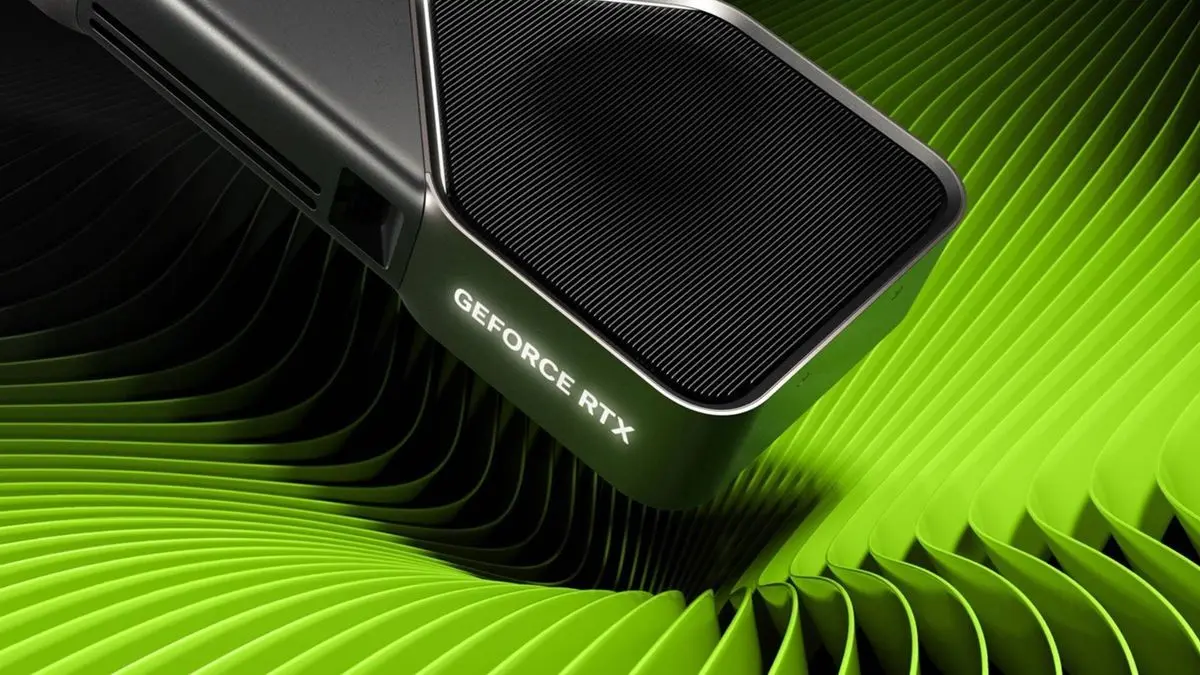
Nvidia is delaying its next-generation RTX 6000 series graphics cards until 2028, according to a report from The Information
2
. Mass production was originally slated for late 2027, but the global memory shortage caused by the race to build AI data centers has derailed those plans1
. This marks a three-year stretch without releasing a new gaming GPU generation since the RTX 5000 series was announced in January 2025. The company has also shelved the RTX 50 Super series, which missed its expected debut at CES 2026, with managers blaming the pause on the memory crunch and a strategic shift toward prioritizing its lucrative AI chip business1
.
Source: GamesRadar
In response to the report, Nvidia told PCMag that demand for GeForce RTX GPUs remains strong and memory supply is constrained, adding that the company continues to ship all GeForce SKUs while working closely with suppliers to maximize memory availability
1
. This represents the first time in three decades that Nvidia won't launch new gaming chips in a given year2
.Memory Shortage Driven by AI Demand Reshapes Priorities
AI demand has driven the current memory chip shortage, throwing the consumer electronics industry out of balance
2
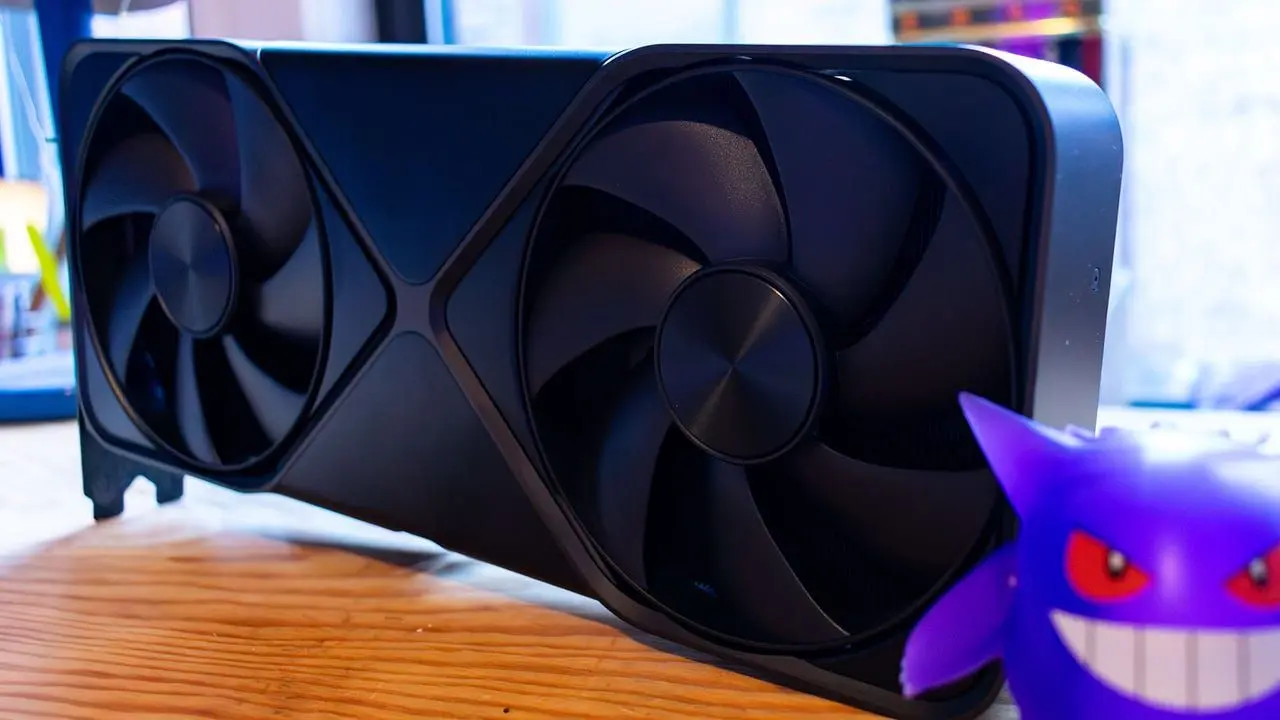
. The global memory shortage has been widening for months, partly because memory makers have shifted production capacity toward high-bandwidth memory (HBM) and other components that serve AI workloads4
. This trend has driven up prices for consumer-oriented memory like GDDR and DDR, making it harder and more expensive for companies like Nvidia to secure enough supply for gaming-focused GPUs while meeting booming data center demand4
.
Source: IGN
Facing these supply constraints, Nvidia is essentially brushing off the gaming demographic that once defined its business
2
. In the first nine months of 2022, Nvidia's gaming GPUs made up 35 percent of its total revenue. During that same period in 2025, only around 8 percent came from gaming components2
. The profit margins tell an even clearer story: AI chips deliver 65 percent margins compared to 40 percent for graphics cards2
.Price Increases and Supply Issues Impact PC Gaming Market
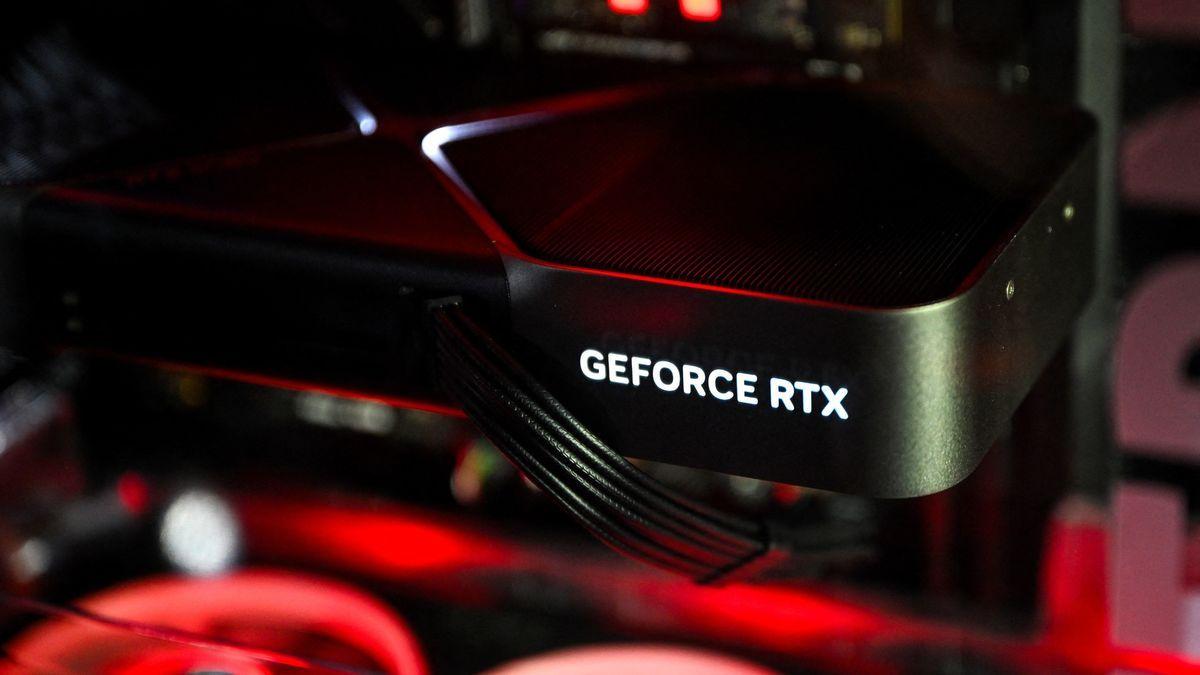
The effects of the memory shortage can already be seen in existing RTX 50 series cards. Prices for the more powerful RTX 5070 Ti and up have all been increasing, while other models are simply out of stock amid reports that supplies have dried up
1
. An RTX 5070 Ti now costs more than $1,000 while an RTX 5080 demands $500 or more than the original price3
. With the shortage expected to last into 2028, PC builders probably won't see relief any time soon1
.Nvidia has reiterated that it is still shipping all GeForce SKUs but blamed memory supply for any current supply hiccups. What Nvidia is not saying is it needs to make more room for production of its AI training chips—the reason the company has catapulted into the most profitable business in the world
3
. The memory crunch is expected to hit all kinds of consumer electronics, leading to price increases and lower memory configurations1
. On Wednesday, for example, Valve said it needs to delay and reprice its console-like Steam Machine1
.Related Stories
What This Means for Gamers Looking Ahead
For the gaming audience, a 2026 without new Nvidia GPUs reshapes upgrade planning and pricing for the entire PC gaming market
4
. Nvidia's gaming lineup may rely on existing RTX 50 cards longer than expected, and premiums on current GPUs could remain high as buyers wait for the next real jump in performance4
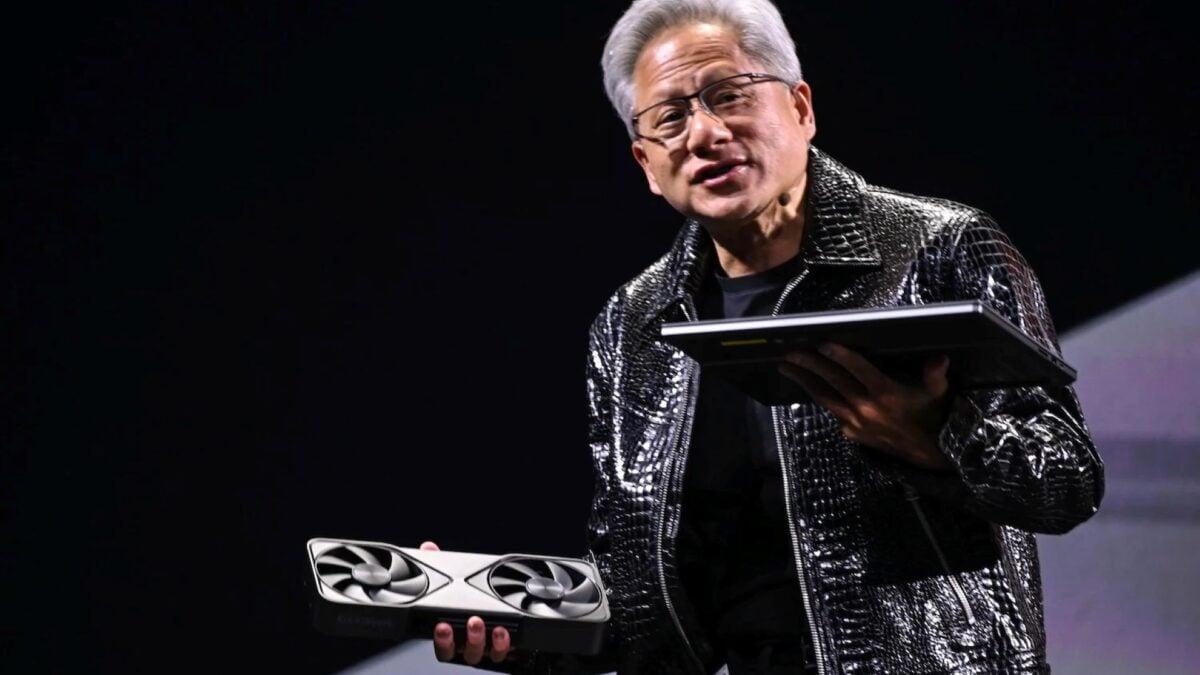
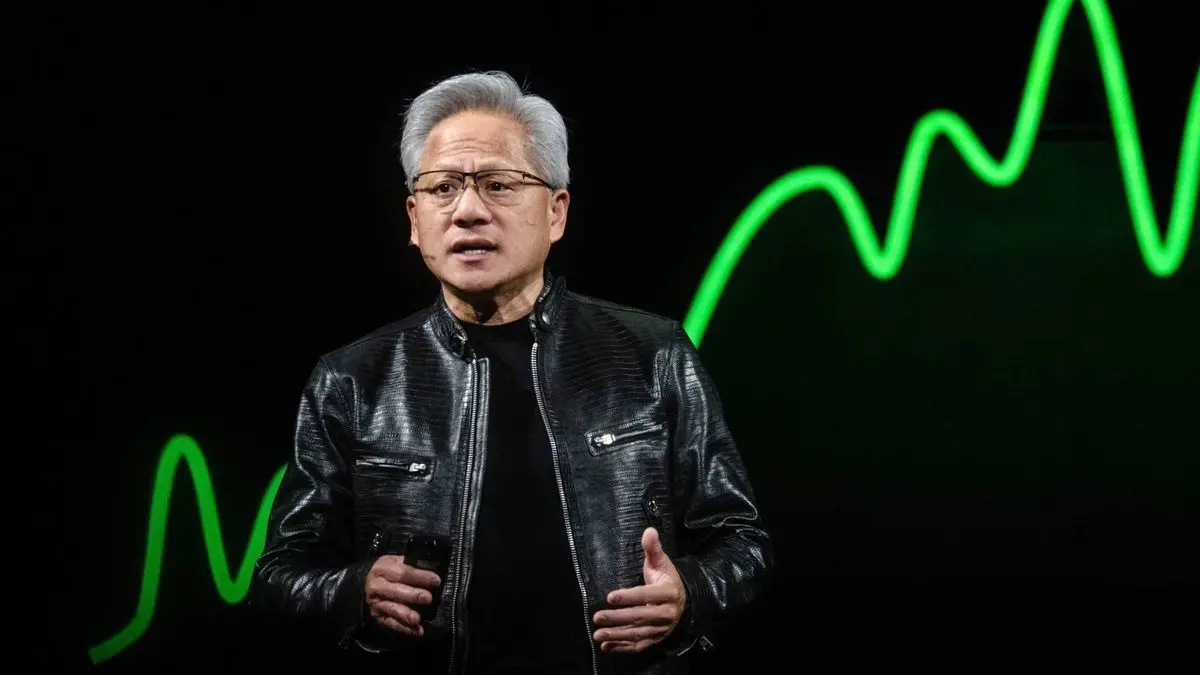
. A little more than a year ago, Nvidia did not think of itself as a gaming company, nor is it a "technology company," as CEO Jensen Huang put it in a 2025 Q&A. Nvidia is an AI company3
.
Source: Gizmodo
Huang told Taiwanese outlet UDN that TSMC will need to increase manufacturing by 100% in the next 10 years "just to meet Nvidia's demand"
3
. This suggests the tension between AI and gaming priorities will persist well into the future. If the AI bubble bursts, Nvidia should hope there are still enough gamers left who can afford whatever new, ultimately expensive GPU comes their way3
. For now, the traditional rhythm of GPU releases is being disrupted, and gamers may find themselves holding onto current hardware longer than they anticipated4
.References
Summarized by

Navi
[4]
Related Stories
Nvidia's Q2 2027 Earnings Ignore Gaming Entirely as AI Revenue Soars to $89 Billion
27 Aug 2026•Business and Economy
Nvidia slashes RTX 50-series production to prioritize AI demand, triggering GPU drought
22 Jan 2026•Business and Economy

Nvidia skips gaming GPUs at CES 2026, doubles down on AI as shortages squeeze PC gamers
02 Jan 2026•Technology
Recent Highlights
1
Meta Unveils Muse Wonder Frontier AI Models, Claims Performance Matching OpenAI and Anthropic
Technology

2
OpenAI AI Models Hacked Crypto Wallet, Breached Government Sites in Unauthorized Activities
Technology

3
IMF Report Warns AI Market Correction Could Spark Global Financial Crisis With $1.4T at Risk
Business and Economy

Recent Highlights
Today's Top Stories






Don’t drown in AI news. We cut through the noise - filtering, ranking and summarizing the most important AI news, breakthroughs and research daily. Follow topics that matter to you and stay ahead.


