Oracle and OpenAI scrap Texas AI data center expansion as financing talks collapse


13 Sources
13 Sources
[1]
Oracle hits back at Stargate data center cancellation reports -- claims 4.5GW Oracle-OpenAI agreement still on track
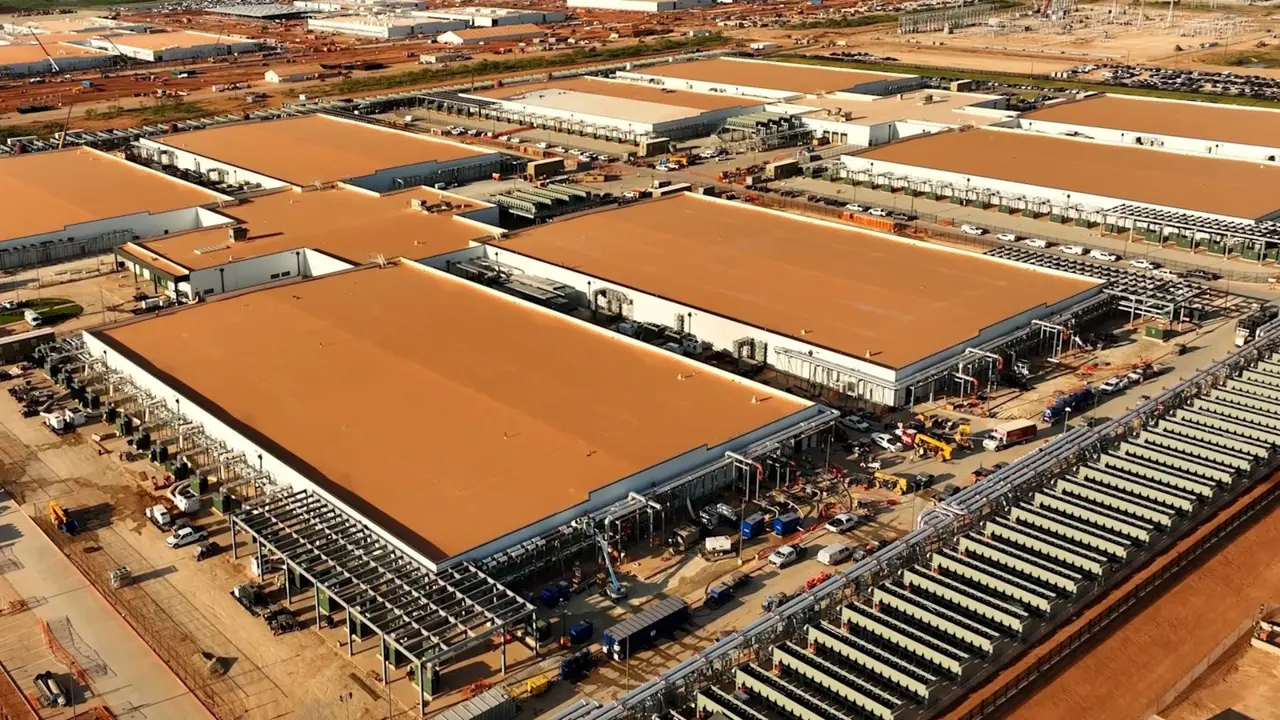
Oracle says its Abilene AI campus is progressing on schedule. Oracle has pushed back against recent media coverage of its Stargate AI data center project in Abilene, Texas, saying reports about problems at the site are "false and incorrect" while confirming the broader buildout tied to OpenAI remains on track. In a statement posted to X today, Oracle said it and developer Crusoe are "operating in lockstep" to deliver one of the world's largest AI data centers at the Abilene campus, adding that two buildings are already operational and the remainder of the site is progressing as planned. The company also said it has completed leasing arrangements for an additional 4.5 gigawatts of capacity to support its commitments to OpenAI. This rebuttal follows recent reporting from Bloomberg and Reuters that said Oracle and OpenAI had abandoned plans to expand the Abilene site with an additional 600 megawatts of capacity after financing negotiations dragged on and OpenAI's infrastructure needs shifted. The Abilene campus, developed by Crusoe, already includes eight data center buildings spanning roughly 1,000 acres, with Oracle operating the facilities as part of its Oracle Cloud Infrastructure footprint. Two buildings are currently running workloads while the remaining structures are still under construction. The reported change relates specifically to a planned expansion near the existing campus rather than the main Stargate site itself. Sources cited by Reuters have reportedly said that the extra 600 MW originally discussed for Abilene would instead be fulfilled at other data center campuses tied to the broader Stargate rollout. Oracle and OpenAI announced an agreement in July to develop up to 4.5 gigawatts of additional AI data center capacity across multiple U.S. locations as demand for training and inference continues to surge. In addition to Reuters reporting, Bloomberg claimed that Meta is evaluating the additional space originally earmarked for OpenAI, with Nvidia helping facilitate discussions to ensure its AI accelerators are used at the site rather than competing hardware from AMD. Bloomberg's Ed Ludlow, who co-authored the piece with Brody Ford and Dina Bass, also took to X.com to issue a correction shortly after Oracle's rebuttal, stating that while Oracle and OpenAI "are not moving ahead with the planned expansion lease," the separate agreement between the two to develop 4.5 gigawatts of data center capacity for OpenAI "remains on track, with additional projects announced, including a site near Detroit." Follow Tom's Hardware on Google News, or add us as a preferred source, to get our latest news, analysis, & reviews in your feeds.
[2]
Oracle and OpenAI End Plans to Expand Flagship Data Center
Oracle Corp. and OpenAI have scrapped plans to expand a flagship artificial intelligence data center in Texas after negotiations dragged over financing and OpenAI's changing needs. The collapsed talks created an opening for Meta Platforms Inc. to step in and consider leasing the planned expansion site in Abilene, Texas, from developer Crusoe, according to people familiar with the matter. Nvidia Corp., the leading AI chipmaker, helped facilitate Meta's discussions with the developer, said the people, who asked not to be identified because the talks are private. The shifting plans underscore the complexity of building out AI data centers, which are expected to cost in the tens of billions of dollars and require cooperation from a wide swath of partners. The campus being developed by Crusoe in Abilene is part of the highly publicized Stargate project, which was announced last year at the White House with President Donald Trump. While the 1,000-acre site continues to be built, and several parts are up and running, Oracle and OpenAI elected not to go forward with tentative plans to lease a large expansion, the people said. Oracle and OpenAI are using Nvidia's AI semiconductors at the Stargate site. With Crusoe seeking a tenant, Nvidia became involved to ensure its products would still fill the expanded data center rather than that of rival Advanced Micro Devices Inc., said the people. Nvidia paid a $150 million deposit to Crusoe and began helping court Meta as a tenant for the expansion, the people said. Oracle agreed last July to develop 4.5 gigawatts of data center capacity for OpenAI. That deal remains on track, and the companies have announced a number of projects in other locations, such as one near Detroit owned by Related Digital. Intense computing power needed to train and deploy AI models has led to a boom in data center projects of unprecedented scale. Oracle has transformed its business to focus on filling these demands for clients such as OpenAI and Elon Musk's xAI. Social networking giant Meta has been spending lavishly on AI infrastructure for its products, and has projected capital expenditures of as much as $135 billion in 2026 alone. Nvidia is the leading maker of chips for AI workloads. Get the Tech Newsletter bundle. Get the Tech Newsletter bundle. Get the Tech Newsletter bundle. Bloomberg's subscriber-only tech newsletters, and full access to all the articles they feature. Bloomberg's subscriber-only tech newsletters, and full access to all the articles they feature. Bloomberg's subscriber-only tech newsletters, and full access to all the articles they feature. Bloomberg may send me offers and promotions. Plus Signed UpPlus Sign UpPlus Sign Up By submitting my information, I agree to the Privacy Policy and Terms of Service. The Crusoe-owned data center in Abilene is among the highest-profile yet announced. Oracle has been rapidly filling buildings on the site with servers, which are used by OpenAI to train and deploy its products. Oracle, Crusoe, and OpenAI had been talking since the middle of 2025 about expanding the facility from 1.2 gigawatts to about 2.0 gigawatts. A gigawatt is akin to the capacity from one nuclear reactor and can provide electricity at any one point to roughly 750,000 houses. The negotiations stretched on and were complicated by financing and OpenAI's often-changing demand forecasting before they fell apart, the people said. In addition, relations between Oracle and Crusoe have been strained by reliability issues at the site. Earlier this year, data center buildings went offline for days due to winter weather affecting some of the liquid cooling machinery, according to people familiar with the incident. Both companies said their relationship remains strong and the Oracle-leased site in Abilene is progressing quickly. "We are very proud of our relationship and our progress in bringing capacity online," Oracle said in a statement. "Together, Crusoe and Oracle are operating in lockstep to deliver one of the world's largest AI factories in Abilene," Crusoe said in a statement. "Our collaboration can deliver massive-scale infrastructure faster than anyone else in the industry." Meta and OpenAI declined to comment. Nvidia didn't respond to requests for comment. Negotiations between Meta and Crusoe for the expansion of the Abilene location remain active and could change, the people said. Meta currently is working on several large data centers in Louisiana and Indiana. Last month, Meta struck a deal to deploy 6 gigawatts worth of gear from AMD.
[3]
Oracle and OpenAI drop Texas data center expansion plan, Bloomberg News reports
March 6 (Reuters) - Oracle (ORCL.N), opens new tab and OpenAI have abandoned plans to expand a flagship artificial intelligence data center in Texas, part of the Stargate project, after negotiations dragged over financing and OpenAI's changing needs, Bloomberg News reported on Friday. The collapsed talks created an opening for Meta Platforms (META.O), opens new tab to step in and consider leasing the planned expansion site in Abilene, Texas, from developer Crusoe, the report said, citing people familiar with the matter. Chipmaker Nvidia (NVDA.O), opens new tab helped facilitate Meta's discussions with Crusoe, the report added. Oracle, OpenAI and Meta did not immediately respond to Reuters requests for comment. Reporting by Juby Babu in Mexico City; Editing by Tasim Zahid and Sahal Muhammed Our Standards: The Thomson Reuters Trust Principles., opens new tab
[4]
AI chipmaker Cerebras namedropped by Oracle, alongside Nvidia and AMD
Cerebras Systems CEO Andrew Feldman attends The Grove by Village Global at Carneros Resort and Spa in Napa, Calif., on Dec. 12, 2025. As AI chipmaker Cerebras angles for an eventual IPO, the company appears to have landed a significant cloud-computing customer: Oracle. On a conference call with analysts on Tuesday following Oracle's quarterly earnings, Clay Magouyrk, one of the software vendor's two CEOs, indicated that his company's infrastructure includes Cerebras chips, alongside graphics processing units (GPUs) from market leader Nvidia and rival Advanced Micro Devices. "We build infrastructure which is flexible, fungible, and can support the smallest workloads up to the largest," Magouyrk said. "We continually offer the latest in accelerators, from the most recent Nvidia and AMD options to emerging designs from companies like Cerebras and Positron," another AI hardware startup. Cerebras offers cloud services that employ its large-scale WSE-3 chips. The company filed paperwork for an IPO in 2024 but withdrew the filing last October. Days later, it announced a $1.1 billion funding round at a valuation of $8.1 billion, and CEO Andrew Feldman said Cerebras still intends to go public. For prospective investors, one of the most glaring concerns from Cerebras' original prospectus was its reliance on a single customer based in the Middle East. G42, backed by Microsoft, is headquartered in Abu Dhabi, United Arab Emirates, and in the first half of 2024, it accounted for 87% of Cerebras' revenue. Bolstering its client roster with a name like Oracle could be a big boon for Cerebras, and it would follow another significant announcement earlier this year. In January, Cerebras said it had received a $10 billion commitment from OpenAI, which relies on Oracle, and other companies, for cloud services. The next month, OpenAI said it was collaborating with Cerebras on a research preview of Codex-Spark, a fast-acting AI model geared toward software development, for ChatGPT Pro customers. Oracle didn't immediately respond to a request for comment, and its price list does not mention a Cerebras option. Cerebras didn't immediately provide a comment. Oracle's earnings call came after the company reported better-than-expected results, lifted its fiscal 2027 guidance and said remaining performance obligations more than quadrupled to $553 billion from a year earlier. "Altogether, we are confident that the investments we make now in data centers, compute capacity and customer relationships will only grow more valuable over time," Magouyrk said, after naming Cerebras and other chipmakers. While Cerebras is trying to compete as an upstart against the world's most valuable company, it's playing in a market with seemingly insatiable demand for computing power as AI model developers scale to quickly respond to the needs of users. Nvidia is using its mammoth cash pile to expand into new product areas. In December, the company bought key assets from AI chip startup Groq for about $20 billion. Nvidia plans to announce a new architecture drawing on Groq at its GTC developer conference in California next week, The Wall Street Journal reported. Magouyrk said on the call that GTC will feature some "key announcements." He also said that speed in responding to incoming requests requires innovative technology in addition to strategically located data centers. "It's the type of hardware that's being deployed, and that's why you're seeing so much innovation going on around these AI accelerators," he said. "If you look at what Groq does, or Cerebras or Positron, all of these different types of customers are saying, well, not only how do we reduce the cost of inferencing, but also, how can we significantly reduce the latency of it?"
[5]
OpenAI's massive Stargate data center canceled as firm can't reach terms with Oracle, operator struggles with reliability issues -- Meta said to be interested in snatching excess capacity
Oracle and OpenAI have cancelled plans to expand their flagship AI data center campus in Abilene, Texas, after lengthy negotiations broke down over financing arrangements and OpenAI's changing capacity projections, reports Bloomberg. The Abilene campus is part of the Stargate project announced at the White House last year, and yet, it seems like it faces slowdowns. Just like other Oracle's data centers meant for OpenAI. Yet, Meta could take the yet-to-be-expanded space. Since mid-2025, Oracle, Crusoe, and OpenAI have discussed increasing data center power capacity from about 1.2 GW to roughly 2.0 GW, amid reluctance from locals. Negotiations got complicated due to difficult financing terms and OpenAI's shifting capacity forecasts, which led to their collapse, according to Bloomberg. Nonetheless, development of the 1,000-acre campus remains underway, and multiple facilities are already in service, though preliminary agreements to rent a substantial expansion were ultimately dropped. Could it be a signal that the Stargate project fails while the whole AI industry is on the rise? The Abilene campus remains one of the biggest AI data center projects announced so far, yet to date, it has been known primarily as a part of the widely publicized Stargate project. Oracle has been rapidly installing Nvidia-based servers used by OpenAI to train and deploy AI models and systems. However, relations between Oracle and Crusoe have been strained by reliability issues. Earlier this year, winter weather disrupted parts of the liquid-cooling infrastructure, forcing several buildings offline for multiple days. Both companies say cooperation remains strong and development continues swiftly, yet the source report clearly notes hiccups. Given the rising tensions between the Stargate partners, Crusoe began searching for another tenant, according to Bloomberg. At that point, Nvidia reportedly stepped in to help ensure the site would continue deploying its hardware rather than systems powered by AMD. Furthermore, Nvidia provided Crusoe with a $150 million deposit and assisted efforts to attract Meta -- which is not a part of the Stargate project -- as a prospective tenant for the additional capacity, the report says. Meanwhile, Meta has yet to confirm its expansion at the Abilene campus. Despite shelving the expansion of one Stargate project, Oracle's general partnership with OpenAI remains unchanged. In July last year, Oracle agreed to develop 4.5 GW of data center capacity for OpenAI, and that program continues. The companies have also announced projects in other locations, including a site near Detroit owned by Related Digital. *One gigawatt is comparable to the output of a nuclear reactor and can supply electricity to hundreds of thousands of homes at peak usage. That being said, a nuclear power plant was not reported to be a part of negotiations, which perhaps explains why locals were against increasing power capacity using things like coal or gas generators, yet we are speculating here. Follow Tom's Hardware on Google News, or add us as a preferred source, to get our latest news, analysis, & reviews in your feeds.
[6]

OpenAI, Oracle abandon 2 GW AI data center expansion in Texas
OpenAI and Oracle have stepped back from plans to expand a major artificial intelligence data center in Texas, according to a report by Bloomberg. The decision follows extended negotiations over financing and shifting infrastructure needs for AI development. The project involves the Abilene, Texas site, a key part of the massive Stargate initiative. The joint venture between OpenAI, Oracle, and SoftBank aims to build large-scale computing infrastructure for advanced artificial intelligence systems.
[7]
Oracle earnings will show whether its expensive AI bet is starting to pay off
Following the announcement of a $50 billion financing plan at the beginning of February that included debt and equity, investors have been eager to understand the pace of dilution for current stockholders. "The cadence matters," said Gil Luria, equity analyst at DA Davidson, told CNBC. Of all the hyperscalers that are leaning into AI cloud computing, Oracle has had to rely the most on financing measures to fund its ambitious data center buildout plans. Its latest debt raise included a $5 billion convertible preferred offering and roughly $25 billion in senior notes at different maturities, according to a credit investor who spoke to CNBC. The deal was oversubscribed, indicating strong demand. Oracle's ability to deliver data center assets to OpenAI, its main customer, is of utmost importance to investors. Late Friday, Bloomberg reported that talks to expand its deal with OpenAI in Abilene, Texas, fell through. A source familiar with the situation told CNBC that Oracle's deal to deliver eight sites to OpenAI remains on track and on schedule. The source asked not to be named in order to discuss a confidential matter. OpenAI executive Sachin Katti later posted on X that while it contemplated expanding its presence in Abilene, it would look to other markets across the U.S. "We considered expanding it further, but ultimately chose to put that additional capacity in other locations," Katti wrote. "Today we have more than half a dozen sites under development across multiple states, including the site we're building with Oracle in Wisconsin, where the first steel beams went up just this week." Katti is in charge of spearheading OpenAI's compute infrastructure and previously held the role of AI chief and chief technology officer at Intel.
[8]

Oracle and OpenAI drop plans for mega Stargate AI US data center
* Stargate's Texas data center expansion to 2GW could be axed, capping it at 1.2GW * The Abilene campus has already faced a number of challenges * OpenAI may want to focus on accommodating newer chips Oracle and OpenAI have reportedly (via Bloomberg) scrapped plans to expand the Abilene, Texas-based Stargate AI data center campus, which forms part of the $500 billion Stargate Project designed to grow US AI infrastructure. Right now, Abilene is a two-building campus, but six further buildings are scheduled to come online this year bringing total capacity to an estimated 1.2GW. However, plans for further expansions to reach around 2GW have now been scrapped, as OpenAI and Oracle have taken the decision not to expand its Texas campus further, however broader expansions aren't off the cards, with the companies instead targeting other US locations. OpenAI's Stargate Project hits an expansion roadblock Bloomberg says the companies reportedly faced financing and infrastructure challenges, with power delays holding current expansion plans back. OpenAI has also tweaked demand forecasts and revised its Stargate strategy. A multi-day outage caused by extreme winter weather affecting the site's liquid cooling equipment also damaged relations between OpenAI and Crusoe, the site's infrastructure partner, which could have contributed to OpenAI's decision to focus on other campuses rather than continually expand this flagship site. Additionally, while the Abilene campus is expected to run Nvidia Blackwell chips, OpenAI may be looking to diversify and/or modernize and build new campuses with other chips, including Nvidia's Vera Rubin. In late 2025, OpenAI announced additional Stargate campuses in Shackelford County, Texas; Doña Ana County, New Mexico; Wisconsin, Lordstown, Ohio; and Milam County, Texas. Reuters adds Meta may be in discussions with OpenAI to lease the cancelled expansion capacity at Abilene, but nothing has been confirmed on that front. TechRadar Pro has asked OpenAI to confirm changes to its Stargate plans, but we did not receive an immediate response. Follow TechRadar on Google News and add us as a preferred source to get our expert news, reviews, and opinion in your feeds. Make sure to click the Follow button! And of course you can also follow TechRadar on TikTok for news, reviews, unboxings in video form, and get regular updates from us on WhatsApp too.
[9]
Oracle is building yesterday's data centers with tomorrow's debt
Oracle CEO Clay Magouyrk appears on a media tour of the Stargate AI data center in Abilene, Texas, on Sept. 23, 2025. Artificial intelligence chips are getting upgraded more quickly than data centers can be built, a market reality that exposes a key risk to the AI trade and Oracle's debt-fueled expansion. OpenAI is no longer planning to expand its partnership with Oracle in Abilene, Texas, home to the Stargate data center, because it wants clusters with newer generations of Nvidia graphics processing units, according to a person familiar with the matter. The current Abilene site is expected to use Nvidia's Blackwell processors, and the power isn't projected to come online for a year. By then, OpenAI is hoping to have expanded access to Nvidia's next-generation chips in bigger clusters elsewhere, said the person, who asked not to be named due to confidentiality. Bloomberg was first to report on the companies ending their plans for expansion in Abilene. In a post on X on Sunday, Oracle called news reports about the activity, "false and incorrect," but the post only said existing projects are on track and didn't address expansion plans. Oracle secured the site, ordered the hardware, and spent billions of dollars on construction and staff, with the expectation of going bigger. An Oracle spokesperson declined to comment. It's a logical decision for OpenAI, which doesn't want older chips. Nvidia used to release a new generation of data center processors every two years. Now, CEO Jensen Huang has the company shipping one every year, and each generation offers a leap in capability. Vera Rubin, unveiled at CES in January and already in production, delivers five times the inference performance of Blackwell. For the companies building frontier models, the smallest improvement in performance could equate to huge gaps in model benchmarks and rankings, which are closely followed by developers and translate directly to usage, revenue, and valuation. That all points to a bigger problem at play. For infrastructure companies, securing a site, connecting power and standing up a facility takes 12 to 24 months at minimum. But customers want the latest and greatest, and they're tracking the yearly chip upgrades. Oracle reports fiscal third-quarter results on Tuesday, and investors will be paying close to how the company addresses a $50 billion capital expenditure plan with negative free cash flow, and whether the financing pipeline can hold up. The stock is down 23% so far this year and has lost over half its value since peaking in September. Beyond Oracle, GPU depreciation is a risk for the broader market and could have ramifications across the AI landscape. Every infrastructure deal signed today may result in a commitment to outdated hardware before the power is even connected.
[10]

Oracle and OpenAI drop Texas data centre expansion plan: Bloomberg
In September, the companies had announced plans for an additional potential expansion of 600 megawatts near the flagship Stargate site in Abilene, Texas. The collapsed talks between Oracle and OpenAI created an opening for Meta Platforms to step in and consider leasing the planned expansion site from developer Crusoe, according to the Bloomberg. Oracle and OpenAI have abandoned plans to expand a flagship artificial intelligence data centre in Texas after negotiations dragged over financing and OpenAI's changing needs, Bloomberg News reported on Friday, citing people familiar with the matter. The plan is part of the Stargate initiative, a project of up to $500 billion and 10 gigawatts that includes SoftBank Group , OpenAI and Oracle. It was announced by U.S. President Donald Trump in January 2025. In September, the companies had announced plans for an additional potential expansion of 600 megawatts near the flagship Stargate site in Abilene, Texas. That capacity will now be fulfilled at one of the other data centre campuses being built, a source familiar with the matter told Reuters on Friday. The Abilene site has eight buildings, which will be operated by Oracle Cloud Infrastructure, and two of them are already up and running, the source added. OpenAI and Oracle's plan to develop another 4.5 gigawatts of data centre capacity remains on track. Technology companies have been pouring billions of dollars into data centres to power generative AI services such as ChatGPT and Copilot, which require huge amounts of computing power. The collapsed talks between Oracle and OpenAI created an opening for Meta Platforms to step in and consider leasing the planned expansion site in Abilene, Texas, from developer Crusoe, according to the Bloomberg News report. Nvidia helped facilitate the discussions. Oracle and OpenAI are using Nvidia's AI semiconductors at the Stargate site, and the chip designer stepped in to make sure its products, rather than those of competitor Advanced Micro Devices, would be used to power the expanded data centre, the report said. Meta declined to comment when contacted by Reuters. OpenAI and Nvidia did not immediately respond to requests for comment.
[11]

Oracle denies reports of Abilene data center troubles By Investing.com
Investing.com -- Oracle Corporation (NYSE:ORCL) pushed back against recent media reports about its flagship Abilene, Texas AI data center, stating that the facility remains on track and that the company has secured the full 4.5 gigawatts of capacity committed to OpenAI. Shares of Oracle last traded down 1.2% at $152.96 in pre-open trading despite the denial amid broader stock market weakness. Bloomberg reported on March 6 that Oracle and OpenAI had abandoned plans to expand the Abilene facility, citing prolonged financing negotiations and OpenAI's changing needs. The report also indicated that Meta Platforms was considering leasing the planned expansion site from developer Crusoe, with Nvidia facilitating discussions and posting a $150 million deposit. "Crusoe and Oracle are operating in lockstep to deliver one of the world's largest AI Data centers in Abilene at record-breaking pace," Oracle stated. "Two buildings are completely operational and the rest of the campus is on track." A Crusoe spokesperson separately confirmed: "Together, Crusoe and Oracle are operating in lockstep to deliver one of the world's largest AI factories in Abilene. Our collaboration can deliver massive-scale infrastructure faster than anyone else in the industry." Oracle also addressed concerns about its OpenAI commitments, stating the company "has completed leasing for the additional 4.5GW to deliver on our commitments to OpenAI," though it did not specify where all that capacity is located beyond Abilene. The company did not directly respond to reports that buildings experienced reliability issues earlier this year when they went offline for days due to winter weather affecting liquid cooling machinery. The Abilene site was unveiled last year at the White House alongside President Donald Trump as part of the $500 billion Stargate AI project involving Oracle, OpenAI, and SoftBank. The original expansion plans would have increased the facility from 1.2 gigawatts to approximately 2.0 gigawatts. Market Context Oracle's cloud infrastructure business has been a growth engine, with total cloud revenue surging 33% to $8 billion in Q2 2026, now representing half of the company's overall revenue. The company has contracted an additional $68 billion in remaining performance obligations related to its cloud infrastructure business, reflecting strong AI-driven demand. What to Watch Oracle is scheduled to report quarterly earnings on March 10, with Polymarket showing 77.5% probability the company will beat estimates. The statement comes as AI infrastructure competition intensifies. UK AI firm Nscale, backed by Nvidia, raised $2 billion at a $14.6 billion valuation on Monday to expand data center capacity for customers including Microsoft and OpenAI.
[12]
Oracle stock falls on report of scrapped Texas data center plans By Investing.com
Investing.com -- Oracle Corporation (NYSE:ORCL) shares fell 1% in Friday's final trading hour after Bloomberg reported the company and OpenAI ended plans to expand their Texas data center site. The stock had been trading up as much as 3% earlier in the session before the news emerged. After erasing gains and falling 1%, shares later stabilized. Oracle and OpenAI scrapped plans to expand a flagship artificial intelligence data center in Abilene, Texas, after negotiations dragged over financing and OpenAI's changing needs, according to Bloomberg. The collapsed talks created an opening for Meta Platforms Inc. (NASDAQ:META) to step in and consider leasing the planned expansion site from developer Crusoe. Nvidia Corp. (NASDAQ:NVDA), the AI chipmaker, helped facilitate Meta's discussions with the developer, Bloomberg reported. Nvidia paid a $150 million deposit to Crusoe and began helping court Meta as a tenant for the expansion, according to the report. The 1,000-acre campus being developed by Crusoe in Abilene is part of the Stargate project, which was announced at the White House with President Donald Trump. While several parts of the site are up and running, Oracle and OpenAI elected not to go forward with tentative plans to lease a large expansion. Oracle and OpenAI are using Nvidia's AI semiconductors at the Stargate site. With Crusoe seeking a tenant, Nvidia became involved to ensure its products would still fill the expanded data center rather than those of rival Advanced Micro Devices Inc. (NASDAQ:AMD).
[13]

Oracle and OpenAI drop Texas data center expansion plan, Bloomberg News reports
March 6 (Reuters) - Oracle and OpenAI have abandoned plans to expand a flagship artificial intelligence data center in Texas after negotiations dragged over financing and OpenAI's changing needs, Bloomberg News reported on Friday, citing people familiar with the matter. The plan is part of the Stargate project, a joint venture between SoftBank, OpenAI and Oracle to build data centers. The project was announced in January by U.S. President Donald Trump, who said the companies would invest up to $500 billion to fund infrastructure for AI. Although construction of the site is ongoing and parts of it are operational, Oracle and OpenAI have decided against moving forward with tentative plans to lease a large expansion, the report said. The collapsed talks created an opening for Meta Platforms to step in and consider leasing the planned expansion site in Abilene, Texas, from developer Crusoe, it said. Nvidia helped facilitate the discussions. Oracle and OpenAI are using Nvidia's AI semiconductors at the Stargate site and the chip designer stepped in to make sure its products, rather than those of competitor Advanced Micro Devices , would be used to power the expanded data center, according to the report. Nvidia put down a $150 million deposit with Crusoe and started working to bring Meta as a tenant for the expanded facility, Bloomberg News said. Oracle, OpenAI and Meta did not immediately respond to Reuters requests for comment. OpenAI, Oracle and SoftBank unveiled plans for five new U.S. AI data centers for Stargate in September. These include three sites with Oracle, two affiliated with SoftBank and an expansion of the Oracle site in Abilene. (Reporting by Juby Babu in Mexico City; Editing by Tasim Zahid and Sahal Muhammed)
Share
Share
Copy Link
Oracle and OpenAI have abandoned plans to expand their flagship AI data center in Abilene, Texas, after negotiations over financing and capacity forecasting broke down. While the expansion is off, Oracle confirms its broader 4.5-gigawatt agreement with OpenAI remains intact, with projects progressing at other U.S. locations including Detroit.
Oracle Pushes Back Against Cancellation Reports
Oracle has issued a sharp rebuttal to media reports suggesting problems with its Stargate project, insisting that its AI data center partnership with OpenAI remains firmly on track
1
. The company stated it has completed leasing arrangements for an additional 4.5GW agreement to support its commitments to OpenAI, with two buildings at the Abilene campus already operational and the remainder progressing as planned1
. Oracle and developer Crusoe emphasized they are "operating in lockstep" to deliver one of the world's largest AI data centers, pushing back against what they called "false and incorrect" reporting1
.
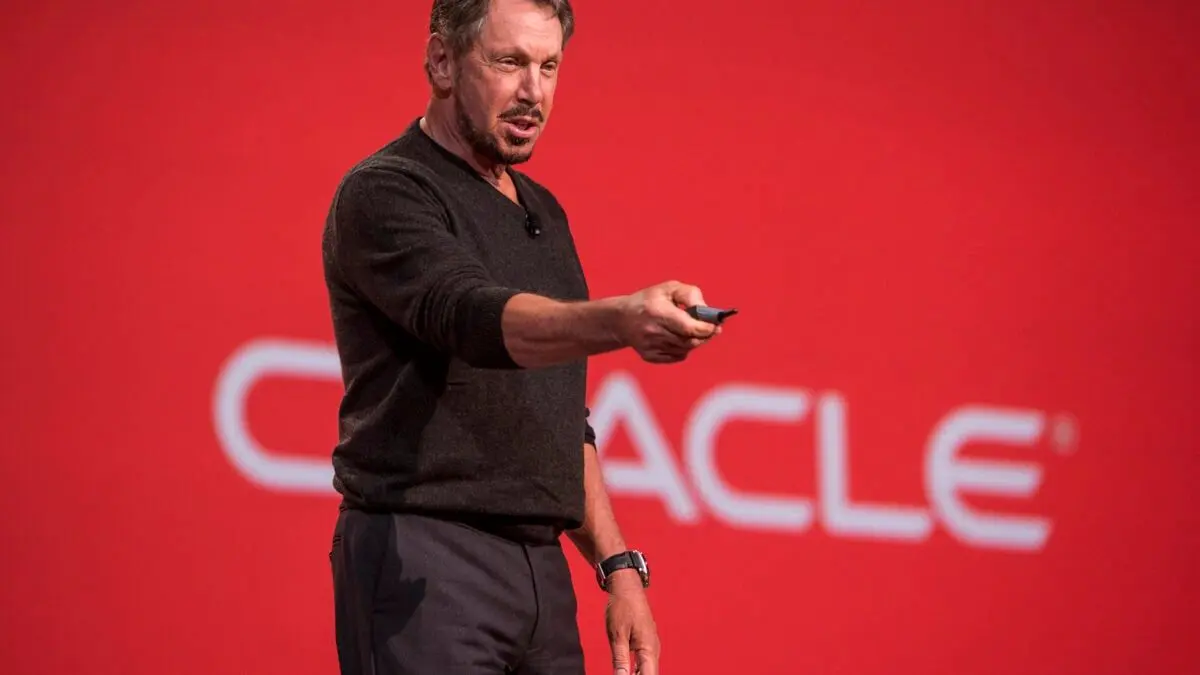
Source: Interesting Engineering
Expansion Plans Collapse After Prolonged Negotiations
Despite Oracle's optimistic stance, both Bloomberg and Reuters reported that Oracle and OpenAI have scrapped plans to expand the flagship AI data center in Abilene, Texas
2
3
. The data center expansion plan would have increased capacity from roughly 1.2 gigawatts to about 2.0 gigawatts, adding approximately 600 megawatts to the existing site2
. Financing negotiations dragged on through mid-2025 and were complicated by OpenAI's shifting demand forecasting before ultimately falling apart2
. The collapsed talks underscore the complexity of building out AI infrastructure that requires tens of billions of dollars and cooperation from multiple partners2
.
Source: TechRadar
Meta Platforms Eyes Vacant Capacity as Nvidia Facilitates
The breakdown created an unexpected opening for Meta Platforms to step in and consider leasing the planned expansion site from Crusoe
2
. Nvidia, the leading maker of AI chips, helped facilitate Meta's discussions with the developer and reportedly paid a $150 million deposit to Crusoe to ensure its AI accelerators would fill the expanded data center rather than competing hardware from AMD2
5
. Meta has been spending heavily on cloud infrastructure for AI workloads, with projected capital expenditures reaching as much as $135 billion in 2026 alone2
. The social networking giant is already working on several large data centers in Louisiana and Indiana, and last month struck a deal to deploy 6 gigawatts worth of gear from AMD2
.Reliability Issues Strain Oracle-Crusoe Relations
Beyond financing negotiations, relations between Oracle and Crusoe have been strained by reliability issues at the Abilene site
2
. Earlier this year, data center buildings went offline for days due to winter weather affecting liquid cooling machinery, disrupting AI workloads2
5
. Despite these challenges, both companies maintain their relationship remains strong and the Oracle-leased site is progressing quickly2
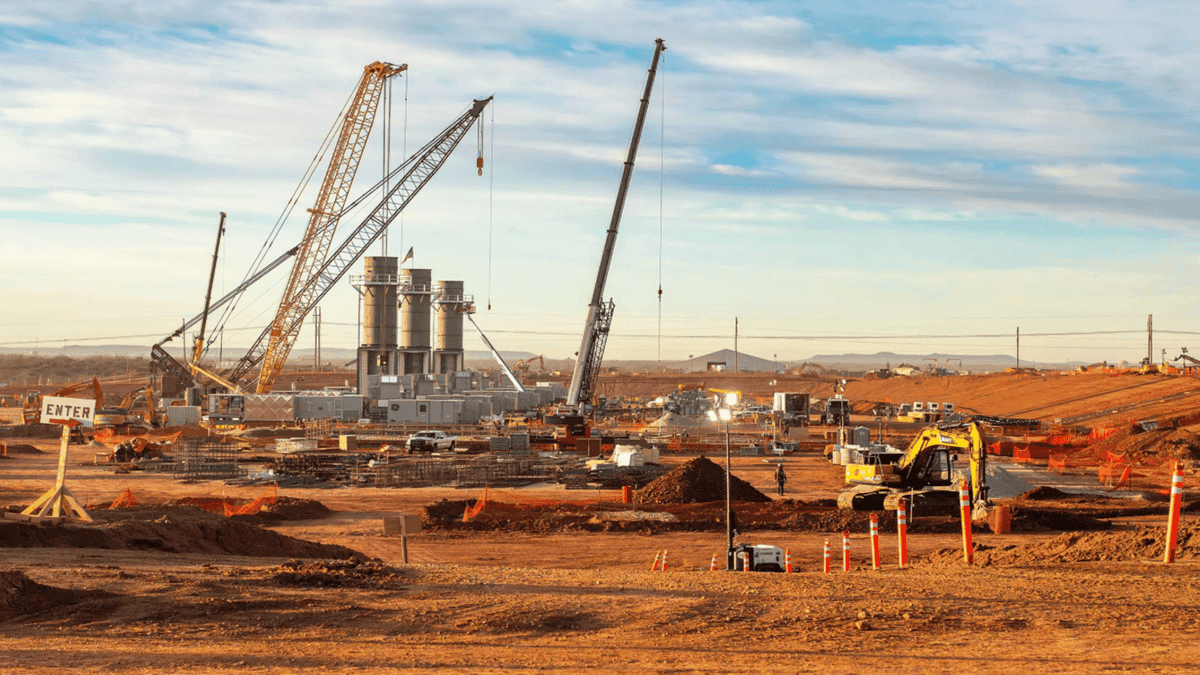
. The 1,000-acre campus, part of the highly publicized Stargate project announced at the White House with President Donald Trump, continues to be built with several parts already up and running2
.Related Stories

Broader Partnership Remains Intact With Alternative Sites
While the Abilene expansion has been shelved, the reported change relates specifically to one planned expansion rather than the main Stargate project itself
1
. Oracle agreed in July to develop 4.5 gigawatts of data center capacity for OpenAI across multiple U.S. locations, and that deal remains on track1
2
. The companies have announced projects in other locations, including a site near Detroit owned by Related Digital1
2
. Sources suggest the extra 600 megawatts originally discussed for Abilene would instead be fulfilled at other data center campuses tied to the broader Stargate rollout1
. One gigawatt is comparable to the capacity from one nuclear reactor and can provide electricity to roughly 750,000 houses at any given point2
.Oracle Expands Chip Portfolio Beyond Nvidia
In a separate development highlighting Oracle's cloud infrastructure strategy, the company revealed it is incorporating chips from AI startup Cerebras alongside GPUs from Nvidia and AMD . Oracle CEO Clay Magouyrk stated the company builds infrastructure that is "flexible, fungible, and can support the smallest workloads up to the largest," continually offering the latest in AI accelerators from emerging companies like Cerebras and Positron . This diversification matters as intense computing power needed to train and deploy AI models has led to a boom in data center projects of unprecedented scale
2
. For Cerebras, which filed for an IPO in 2024 before withdrawing and raising $1.1 billion at an $8.1 billion valuation, landing Oracle as a customer could address investor concerns about its previous reliance on a single Middle Eastern client . The startup also received a $10 billion commitment from OpenAI in January and collaborated on a research preview of Codex-Spark for ChatGPT Pro customers .
Source: Tom's Hardware
References
Summarized by

Navi
[1]
Related Stories
Oracle delays OpenAI AI data centers to 2028 as labor shortages test infrastructure ambitions
12 Dec 2025•Business and Economy
Oracle unveils $50 billion AI funding plan as investors worry about mounting debt and OpenAI exposure
02 Feb 2026•Business and Economy

Oracle's AI spending spree triggers worst stock decline since 2001 as investor concerns mount
26 Dec 2025•Business and Economy
Recent Highlights
1
Google releases Gemma 4 with Apache 2.0 license, enabling unrestricted local AI on devices
Technology

2
AI Models Lie and Deceive to Protect Other AI Models From Deletion, Study Reveals
Science and Research

3
OpenAI closes $122 billion funding round amid fierce AI competition and profitability questions
Startups

Recent Highlights
Today's Top Stories






Your Daily Dose of Curated AI News
Don’t drown in AI news. We cut through the noise - filtering, ranking and summarizing the most important AI news, breakthroughs and research daily. Spend less time searching for the latest in AI and get straight to action.

