Oracle's AI Gamble Triggers Market Concerns as Debt Soars Past $100 Billion


7 Sources
[1]
Oracle hit hard in Wall Street's tech sell-off over its huge AI bet
Oracle has been hit harder than Big Tech rivals in the recent sell-off of tech stocks and bonds, as its vast borrowing to fund a pivot to artificial intelligence unnerved Wall Street. The US software group founded by Larry Ellison has made a dramatic entrance to the AI race, committing to spend
[2]
Big Red borrows green, hopes AI puts it in the black
Cost of insuring against Oracle debt default spikes as September seems a long time ago opinion The weather's cooling, and so is Wall Street's patience with Oracle's AI makeover. Big Red is spending big, and the risk metrics aren't looking cozy. It all started so well in September. Despite
[3]
Oracle's astonishing $300bn OpenAI deal is now valued at minus $74bn
It's too soon to be talking about the Curse of OpenAI, but we're going to anyway. Since September 10, when Oracle announced a $300bn deal with the chatbot maker, its stock has shed $374bn in market value: OK, yes, market caps don't work like that and the post headline is clickbait. But
[4]
What's Going on With Oracle? Its Stock Price Has Dropped More Than 40% in Two Months.
The company is enmeshed in the web of deals linking different parts of the AI complex together, which means that its pain could be felt by others. Betting big on artificial intelligence is proving to be a double-edged sword. Shares of Oracle (ORCL), the almost-50 year-old software company turned
[5]

Will Moody's and S&P reclassify Oracle's bonds as junk debt? Key points investors need to know
Oracle's credit risk is rising fast as its $300 billion AI contracts and massive cloud build-out push debt above $100 billion and toward 4x EBITDA. Free cash flow is still negative. Moody's rates Oracle at Baa2 with a negative outlook, citing leverage and counterparty risk tied to OpenAI. S&P holds
[6]

Oracle's AI Strategy Shake-Up Sparks Market Jitters As Shares Plunge 25% - Oracle (NYSE:ORCL)
Oracle Corporation (NYSE:ORCL) has seen a significant market reaction following its bold shift towards artificial intelligence (AI), resulting in a 25% drop in shares over the past month. What Happened: Oracle's ambitious entry into the AI sector, fueled by substantial borrowing, has caused unease
[7]

The most important chart in AI today? Oracle's default swaps blow out By Investing.com
Investing.com -- Shares in Oracle Corporation (NYSE:ORCL) are down as much as 37% from the record high set in September as investors turned wary of its debt-financed jump into artificial-intelligence infrastructure, with bond and credit-default‐swap (CDS) markets flashing caution. In layman's
Share
Copy Link
Oracle's massive $300 billion AI infrastructure bet with OpenAI has sparked investor concerns as the company's debt exceeds $100 billion and credit default swap prices triple, raising questions about the sustainability of its AI transformation strategy.
Oracle's Dramatic AI Pivot Faces Market Skepticism
Source: Benzinga
Oracle has emerged as one of the most aggressive players in the artificial intelligence infrastructure race, but its bold strategy is now facing intense scrutiny from Wall Street. The software giant's stock has tumbled more than 40% from its September peak, erasing over $250 billion in market value despite announcing what appeared to be a game-changing $300 billion deal with OpenAI
1
3
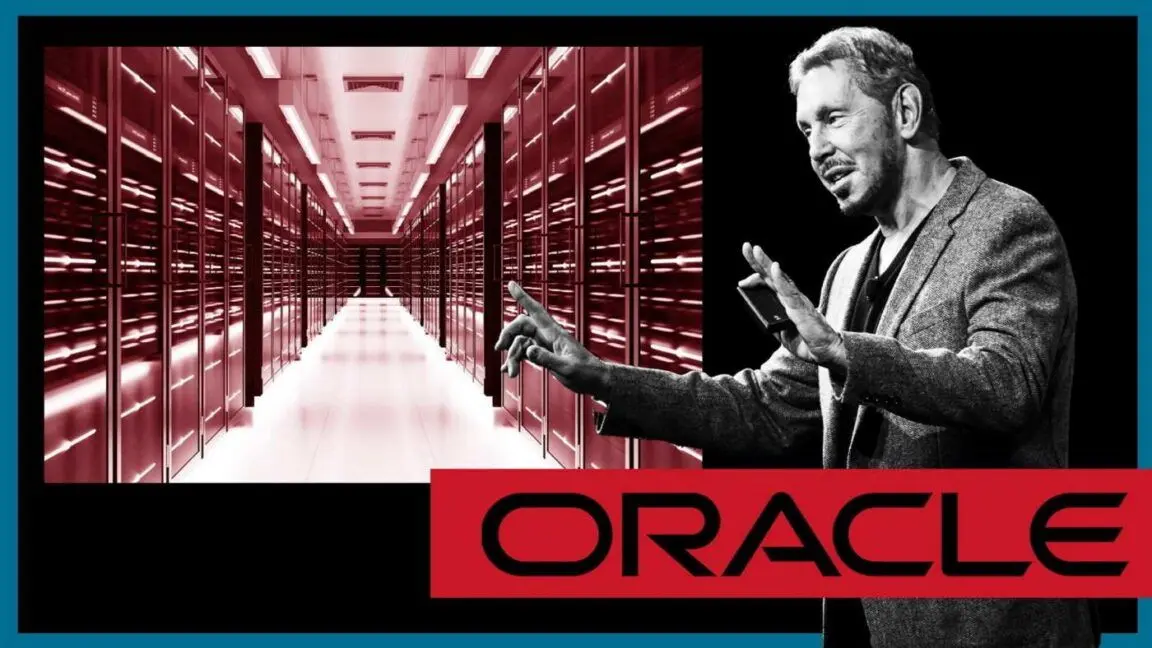
.The dramatic reversal highlights growing investor concerns about the sustainability and profitability of massive AI infrastructure investments. Oracle's shares initially soared 36% in a single day following its September earnings report, briefly making co-founder Larry Ellison the world's richest person. However, the euphoria has since evaporated as market participants question the financial wisdom of the company's debt-fueled expansion
4
.
Source: Ars Technica
Unprecedented Debt Accumulation Raises Red Flags
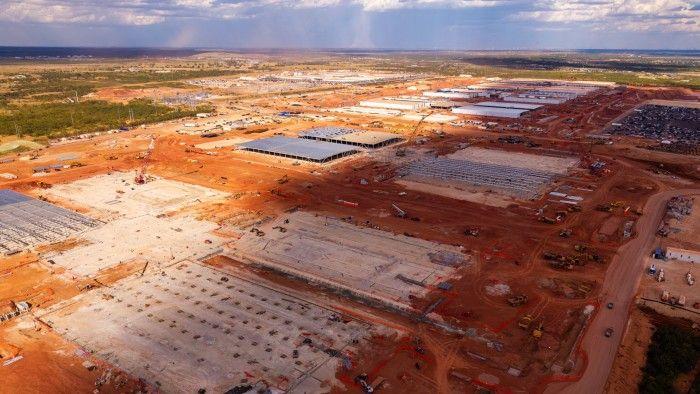
Oracle's transformation from a traditional software company to an AI infrastructure provider has come at an extraordinary financial cost. The company's long-term debt has surged to approximately $96 billion, up from $75 billion just a year ago, with Morgan Stanley forecasting this figure could reach $290 billion by 2028
1
.
Source: FT
The borrowing spree accelerated dramatically in September when Oracle raised $18 billion in bonds, and the company is currently in talks to secure an additional $38 billion in debt financing through multiple US banks. This aggressive capital raising has pushed Oracle's debt-to-equity ratio to 500%, far exceeding competitors like Amazon at 50% and Microsoft at 30%
1
.Capital expenditures are set to reach $35 billion in fiscal 2026, up from $21 billion in the previous year, with consensus estimates suggesting annual spending could level out at around $80 billion by 2029
2
3
.Credit Risk Concerns Intensify
The financial markets have responded with increasing alarm to Oracle's debt accumulation. Credit default swap prices—essentially insurance against debt default—have tripled in recent months, indicating a perceived increase in risk. Trading volume in Oracle's credit default swaps has surged to over $5 billion since September, compared to just $200 million in the same period last year
2
.Both major credit rating agencies have issued warnings about Oracle's financial trajectory. Moody's rates Oracle at Baa2 with a negative outlook, citing leverage concerns and counterparty risk tied to OpenAI. S&P Global maintains a BBB rating but also with a negative outlook, warning that continued spending could push the company toward junk bond territory
5
.Barclays analysts have downgraded Oracle's debt from market neutral to underweight, noting that large AI infrastructure expenses have outpaced free cash flow generation
1
.Related Stories
OpenAI Dependency Creates Concentration Risk
A significant concern for analysts is Oracle's heavy reliance on OpenAI for future revenue growth. S&P Global warns that approximately one-third of Oracle's revenues will be tied to this single customer by 2028. Andrew Chang, a director at S&P Global, characterized this as "a huge liability and credit risk for Oracle," noting that the company's biggest customer is "a venture capital-funded start-up"
1
.This concentration risk is compounded by questions about OpenAI's own financial sustainability. The AI company has not yet turned a profit and faces commitments to spend $1.4 trillion on AI infrastructure over the next eight years. Oracle's data center leases extend for much longer periods than its contracts with OpenAI, creating potential mismatches in cash flow timing
1
.Among the five major hyperscalers—Amazon, Google, Microsoft, Meta, and Oracle—Oracle stands alone in having negative free cash flow, highlighting the unique financial pressures it faces in its AI transformation
1
.References
Summarized by

Navi
[2]
[4]
Related Stories
Oracle plans $70B AI infrastructure buildout as investors flee, sending stock down 12%
11 Jun 2026•Business and Economy

Oracle's AI spending spree triggers worst stock decline since 2001 as investor concerns mount
26 Dec 2025•Business and Economy
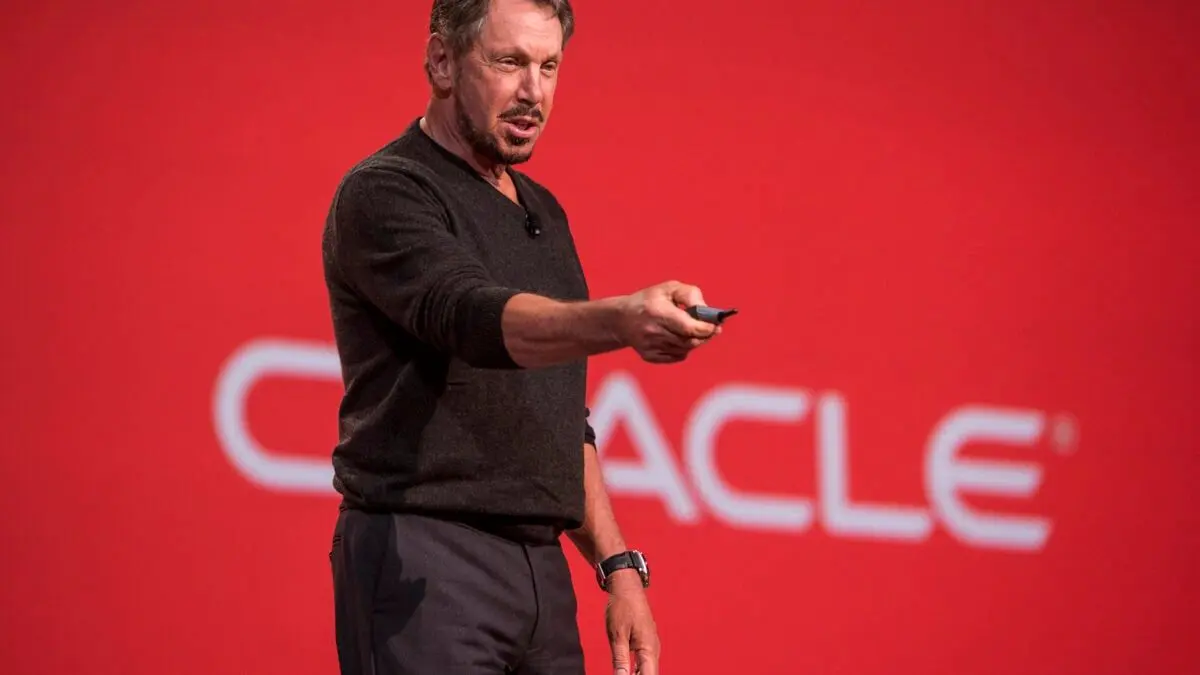
Oracle unveils $50 billion AI funding plan as investors worry about mounting debt and OpenAI exposure
02 Feb 2026•Business and Economy

Recent Highlights



Recent Highlights
Today's Top Stories





Don’t drown in AI news. We cut through the noise - filtering, ranking and summarizing the most important AI news, breakthroughs and research daily. Follow topics that matter to you and stay ahead.


