RAM prices surge over 500% as AI data centers consume 70% of memory supply, reshaping PC market


10 Sources
10 Sources
[1]
What Happens When PC Memory Prices Are Too Much to Handle?
The world's largest PC maker tells us why the next PC you buy may be more premium or less powerful than ever. Despite the hit of President Donald Trump’s boneheaded tariff scheme, the tumult of 2025, and rampant price fluctuations, laptops did alright in 2025. Unfortunately, 2026 will bear even less sunshine and rainbows. The largest PC makers don’t imagine the personal computer will stay the same. The next PC you buy may either be more powerful than ever, or it could be dependent on the cloud computing that is the reason prices are skyrocketing in the first place. Data released by analyst firm IDC on Monday showed that PC shipments grew nearly 10% year-over-year compared to 2024. None of today’s largest laptop makers did better than Lenovo. The company still holds 25% of the PC market share with 70.8 million PCs shipped in 2025 (HP, the next-largest company, shipped 57.5 million). The company’s market share grew compared to 2024. There’s more likelihood that a PC buyer will be looking at a ThinkPad or a ThinkBook than the next Dell XPS. The memory shortage has wreaked havoc throughout the entire PC market. Desktop PCs took the initial hit, with RAM costs soaring through the stratosphere and up into high orbitâ€"more than 500% in some cases. Laptops were sure to follow. Dell has already told Gizmodo it would modify prices depending on what happens in the future. IDC warned PCs won’t just be more expensive; they may have less RAM inside to compensate for ballooning costs. In recent months, SSD (solid-state drives for storage) prices have similarly blown through the roof. This won’t just impact do-it-yourself PC builders, but every single PC buyer in 2026. During CES 2026, I sat down for an exclusive interview with Steve Long, Lenovo’s commercial head in charge of its intelligent devices group. I wanted to gather more about the future of PCs, beyond mere prices. I’ve heard the fears from more than one consumer about the end of consumer-end computing. AI data center compute has created such a fervor for high-end memory that all three major semiconductor companies in charge of memoryâ€"namely Samsung, Micron, and SK Hynixâ€"have tuned their business to supplying firms like OpenAI for its multi-state Stargate data centers. With data centers sucking all the oxygen out of the room, what’s left for consumers who want higher-end compute for work or gaming? The future may be split between those who have access to local compute for high-end tasks and those who don't. “I don't believe in a world that it's all going to the cloud [or] it's all going to be local,†Long said. “It’s going to be a hybrid world.†Lenovo may be able to manage the memory shortage better than other companies. Last November, Bloomberg reported that the world’s largest PC maker had hoarded RAM just before prices started getting truly untenable, stockpiling upwards of 50% more than usual. Long confirmed the company had made long-term agreements with vendors all the way back in late September and October to meet the expected memory demand for 2026. However, the memory shortage will likely last far longer than just this year. Experts have claimed the RAM shortage will last through 2027 and into 2028. I asked Long if Samsung was the PC maker’s main memory supplier, at least based on recent reports from reliable outlets like DigiTimes, though he demurred and said the company used “multiple vendors†for all the regions the company operates in. Meanwhile, other companies as large as Google, Microsoft, and Meta have reportedly camped operatives in South Korea, home to two of the big three memory makers, to relentlessly beg for DRAM. Lenovo made it clear that it may have to raise future prices due to the RAM shortage. Long said, “We’re getting prices from our supply chain that are coming up higher for us.†The Lenovo exec is in charge of the company’s B2B (business-to-business) side of the chain, though he’s had previous experience at other companies on the consumer end. When tariffs drove up prices on gadgets, consumers saw a variance of impact since OEMs (original equipment manufacturers) and retailers all had to take a hit at varying points in the chain. For example, in 2025 Lenovo raised the price of gaming gear like its Legion Go S with SteamOS twice in the year, from an expected $550 to $600, and later to $650 after release. Long said more PCs will edge toward premium with higher-end specsâ€"more RAM and more storageâ€"plus higher-performance chips. Better specs will inevitably cost more, even when PC producers try to offer finer components to go along with pricey memory. The lower-end market, on the other hand, may be forced to rely on expanding cloud compute. It won’t be an immediate shift but a long slide toward a changing PC ecosystem. PC makers may have fewer choices of RAM sizes. In an interview with Wccftech, Micron’s VP of marketing, Christopher Moore, said that having so many options for RAM, such as 12GB, 16GB, and 24GB would “drop our output.†Instead, Micron is trying to produce more standardized quantities of DRAM for PCs. Essentially, RAM sizes used to be dictated by PC makers. Now, memory is being generated by the whims of the silicon manufacturers. Even if Micron ends up supplying consumer products, it will have more say over how much RAM your next PC gets to use. Costs for computing components were already at record highs, though chipmakers are starting to push the highest-end processors harder than ever. At CES 2026, Intel finally dropped the full details of its Intel Core Ultra Series 3 (Panther Lake) chips slated for this year’s laptops. AMD and Qualcomm also sport new higher-end processors, most notably the top-end ARM-based Snapdragon X2 Elite Extreme. Whereas most of the previous-gen lightweight laptops came with mid-range Intel Lunar Lake chips, a greater number of Intel-based devices this year will come with a Core Ultra X9 388H CPU, the top-end configuration. “Memory is a hard business, from a silicon standpoint,†Long said. “Silicon is going to be constrained as well, like your CPUs and some of the other components.†Lenovo is managing the situation better than most, at least according to Long. So what happens to the smaller companies who don’t have the advantages Lenovo has? The Lenovo VP said, at least from his company’s standpoint, they “wouldn’t mind†some consolidation. That doesn’t mean we’ll only have one or two PC providers. Consumers may have fewer brands that don’t linger on Best Buy shelves to choose from. Companies like Framework, which makes customizable and repairable PCs, have had to increase the costs of their laptops and desktops several times since the tail end of 2025. Sure, PCs likely won’t become monopolized any time soon. One of the reasons I enjoy covering the computing landscape is because of the depth of work spinning out of makers big and small. Perhaps the one good thing to come from this mess of AI is the expansion of operating systems on offer. There has been a sizable backlash to Microsoft’s push for Copilot AI in Windows 11. That leaves an opening for open-source Linux. Long said Lenovo is open to more devices running different software (the company’s Legion Go 2 handhelds will include a version running Linux-based SteamOS). Hell, we now have Valve coming out with its own Steam Machines that have the gaming-specific version of Linux set to arrive early this year. Meanwhile, Google is planning to combine ChromeOS with Android, meaning low-end Chromebooks may have more native app options available. All but the most high-end Chromebooks (like the overpowered Lenovo Chromebook Plus 14) will still need to rely on the cloud for most on-device tasks. Our options for personal computers aren’t dwindling, at least not yet. There’s still a huge market among the hardcore DIYers and the laypeople alike for personal computing power. However, the era of cheap PCs may be coming to an end, to be replaced with even more devices reliant on the cloudâ€"plus a paid cloud subscriptionâ€"to handle what we could once do on our own.
[2]
RAM is $400 and GPUs are $3,700: The PC market has officially crashed
The topic of the ongoing RAM-pocalypse has been done to death. Yes, we get it, RAM is expensive. But have you ever thought about what the entirety of the PC market will look like when this shortage finally ends? I have, and there's one thing I'm quite sure of: it's not going to be pretty. This crash might end up being one of the worst we've ever seen, and components that seem entirely unrelated to RAM could end up in huge trouble. It's time to look at the big picture Let's look beyond not just RAM, but other predictable components. RAM prices have been wild for months now, with 32GB of DDR5 RAM skyrocketing from around $150-$170 up to $350-$400 or more. Many kits are sold out. If you hoped to upgrade, I'd say give up the idea for at least a couple of years. But RAM pricing isn't rising in a vacuum. Multiple trackers and analysts point out the same root cause: memory makers prioritizing server and AI demand, especially HBM. Consumer PCs are the easy place to squeeze when capacity is tight, as those profit margins are much thinner. Just take a look at Micron, which is shuttering its Crucial consumer brand to spend more resources on enterprise products. The scary part isn't that RAM is expensive today -- it's that it'll still be expensive in a few months, a year, and perhaps beyond. Contract prices are still trending upward; TrendForce forecasts conventional DRAM contract prices up 55-60% in the first quarter of 2026. We've not yet seen the worst of the RAM shortage, with Reuters noting that availability is unlikely to improve until 2027 or 2028. Those predictions have been echoed time and time again by industry sources. And yeah, that's awful, and I hate it. But we've barely touched the tip of the iceberg, and this one goes a lot deeper than you might think. What comes after RAM? What happens to a PC market that can't exist without memory? PC owners have gone through various shortages before; the 2021 GPU shortage is a recent one that comes to mind. But this one might turn out to be even worse for one simple reason: you cannot build a PC without RAM. It's entirely possible to build your own computer (or buy a prebuilt) without discrete graphics. It'll be no gaming beast, but it'll get you by until you're ready to invest in a graphics card. Meanwhile, RAM is a non-negotiable. Even the cheapest, most basic desktop needs some in order to run. The same is true for storage, and NAND flash is headed for the same kind of disaster that already plagues DRAM, with prices rising rapidly. Seeing as HDDs are nearly obsolete outside of pure storage, expensive SSDs will add to a problem that no one can overcome: a lack of DRAM. Without RAM, there'll be fewer new PCs. That means fewer motherboards will be sold, along with processors, power supplies, and other desktop PC staples. Components that are seemingly unaffected by any shortages may soon be in trouble simply due to the lack of RAM available in the consumer market. Is a CPU shortage likely? I thought CPUs were safe, but ... CPUs don't depend on DRAM supply the same way GPUs do. It's not like processors can't be produced in the midst of the RAM shortage; they can. But will they have reason to be, given the current market landscape? That's the more realistic risk, and one that isn't talked about enough. A lack of RAM makes it impossible for system builders to produce their prebuilts, and it makes it even harder for consumers to build their own PCs. And that may soon lead to a market-wide slowdown. With rising prices on components, many people will choose to sit this one out and stick to less-obvious, cheaper PC upgrades rather than refreshing their whole build. This could have two side effects. One, I wouldn't be surprised if CPU production slows down due to lower demand. Intel and AMD undoubtedly consider all the possibilities, and if they deem it worthwhile, they might divert more of their attention to data center products and tighten the supply levels on the consumer side. In time, that could lead us to something resembling a CPU shortage. I don't believe that CPUs will be completely gone from the shelves. I think that a likelier scenario would be rising prices combined with less abundance -- right now, CPUs are everywhere, and many are quite budget-friendly. That may not last long. Will GPUs soon be out of stock? Hello, 2021, literally nobody missed you. If we're ever short on CPUs, that may be a result of mere supply and demand. But GPUs are uniquely exposed to the current memory crisis because they're married to VRAM pricing. If memory makers keep prioritizing HBM and server demand, VRAM costs will rise, and that'll trickle down to consumers eventually. In fact, it's already started, and high-end GPU prices are worse than they were back at the launch of the RTX 50-series. Searching for Nvidia's RTX 5090 on Amazon is a terrifying experience right now. The $1,999 MSRP is a lot to handle as it is, but it feels like a blessing compared to what we're seeing now. The cheapest model I could find on Amazon was $3,720 at the time of writing, but some overclocked models cost as much as $5,495. The RTX 5080 is suffering from similar problems, with the $999 MSRP being left in the rear view mirror. The cheapest one I can find is $1,300 right now, and Amazon's price tracker shows a notable increase between October 2025 and now. Subscribe to our newsletter for RAM and PC market insight Want smarter context? Subscribe to the newsletter for focused coverage and analysis of the RAM shortage, rising VRAM and NAND costs, and how memory constraints can ripple through CPUs, GPUs, motherboards, and the wider PC component market. Detailed analysis and context to understand availability and pricing shifts. Subscribe By subscribing, you agree to receive newsletter and marketing emails, and accept Valnet's Terms of Use and Privacy Policy. You can unsubscribe anytime. Worse yet, even mainstream cards like AMD's RX 9070 XT are drifting further away from their MSRPs. The GPU never quite came back down to its MSRP after a tumultuous launch, and now, it's $700 at the minimum. Will GPUs go out of stock entirely? Unlikely. But will their prices keep rising? Probably. It's not the time to panic buy, but we're not safe Analyzing the current market conditions did nothing to help me quiet my worries about the PC building landscape. We're dealing with really high prices now, and they're not about to get any better. Does that mean you should shop now before it gets even worse? A few weeks ago, I would've said yes, go for it. But now, I'm not so sure. We're at this stage in the shortage where a lot of components are already stupidly overpriced. No matter the situation, paying $400 for 32GB of RAM or $5,000 for a graphics card will never be worth it, and I would strongly advise against it. Ultimately, it all comes down to your circumstances. If the idea of waiting a year or two to upgrade your PC (potentially longer, depending on what else goes wrong in the PC market along the way) is unacceptable, shop now rather than in a few months. And if you're desperate for upgrades, aim for the stuff that's yet to be affected, such as CPUs and motherboards. Everything else is still available, but it'll hurt your wallet in a big way.
[3]
'PC gaming's never been as strong': computer retailer CEO talks about the 'chaotic' RAM pricing crisis, and how this 'blip' will not kill PC gaming
One of the more fascinating things I found out about the history of computing retailer Scan UK is its history. In 1994, the company operated an online bulletin board that tracked volatile component prices (like RAM), which potential buyers could track and call in to make orders. This puts CEO Elan Raja in a unique position with a lot of historical knowledge of RAM price fluctuations over time. So after finding out RTX 5070 is the 'sweet spot' GPU for gamers, I had to ask him two questions about the RAM pricing crisis: Is there anything cyclical to all of what's happening right now? And what advice do you have for aspiring PC builders out there? "It's just another market cycle." "I think it's only fair to accept what's going on around the world. It's chaotic," Raja commented. "There are certain things which are just completely outside of anyone's control." For context, those "certain things" refer to the overwhelming demand for DRAM chips from AI companies to meet their computing needs. OpenAI is taking up to 40% of the world's supply in one fell swoop, and demands from other companies are quickly rising, too, which has created a crisis in the consumer RAM market. Pricing has quickly spiked in excess of 200% for RAM sticks for your PC, and signs are pointing towards more consumer tech like laptops, phones, and tablets also going up in cost too. "The way I view it is over a long period of time, and through that lens, it's just another market cycle," Raja added. "You call it cyclical, and while it's not over the period of one year, if you were to stretch it out over a long period of time, it's a blip." The history of RAM prices So one important bit of context that you may be getting from Raja's comments here is that memory chip volatility is not a new thing. * The RAM drought of 1988: A slump in the industry led to an oversupply of RAM chips, which, when demand finally went up, led to severe underproduction. This caused RAM prices to spike by hundreds of percent in a single month. * The DRAM conspiracy of the early 2000s: As XDA developers point out, there was a notorious period of price fixing where major memory manufacturers pleaded guilty to conspiring to artificially inflate DRAM prices. That includes the three leaders dominating the market today: SK Hynix, Samsung, and Micron. * DRAM tripling of the 2010s: As smartphone adoption grew massively between 2016 and 2018, alongside the increased demand for new servers, DRAM prices tripled over 18 months. That's not to say this recent spike isn't completely normal. The skyrocketing AI demand for high-bandwidth memory, paired with only a few companies controlling the supply and panic buying, has compounded this into a more serious issue than in the past. But take a step back, and it's clear to see that this market has always been super volatile with global tech pressures. So, what does that mean for you? "PC gaming's never been as strong" While other tech categories like laptops may be a bit more insulated for now -- Intel said most suppliers have "9-12 months of stock" to run through -- the hardest hit community is PC builders. But Elan thinks that no matter how much indirect pressure there may be to move gaming and computing into the cloud, PC hardware will not be killed. "[PC gaming] has never been as popular, and when you consider people are spending over £1,000 on graphics cards because of the value of a GPU, the DRAM will just go with its market cycle," Raja said. "And yes, it's uncomfortable for the market, but one thing is for sure. This is worldwide." As to how to unpick this, it's all about ensuring transparency by working with the right partners. "The way we view it is just to adopt an 'order with confidence' policy, and be as transparent as we can," Raja outlined. "That means being aligned with the right partners, giving as much transparency with information." That being said, looking at the strong, sustained growth of the computing business over at Scan, while there are concerns, they're not enough to make Elan think that we're heading the way Jeff Bezos predicts. We're not going to the cloud -- physical computing is here to stay. "The demand's always going to be there in my opinion, and it's a hot topic, but at the same time, people still use PCs and love to game," Raja proclaimed. Follow Tom's Guide on Google News and add us as a preferred source to get our up-to-date news, analysis, and reviews in your feeds.
[4]
'It really is the craziest time ever': data centers to grab 70% of all high-end memory chips in 2026 as AI boom leaves consumers in the cold
It's expected that data centers will hoover up over 70% of the total supply of high-end memory chips this year As the RAM crisis appears to intensify on a weekly basis, a new report makes it clear that the results could have a more far-reaching impact for consumers than you might expect, leaving a range of tech facing price hikes in a similar scenario to the disruption that the pandemic caused to supply chains. Tom's Hardware flagged the article from The Wall Street Journal (WSJ) which underlines just how bad the RAM crisis has gotten, and indeed how much worse it's likely to get. We're told that according to Counterpoint Research, prices for memory are expected to increase by another 40% to 50% by the end of Q1 (March) 2026, with pricing already having risen by 50% in the final quarter of 2025. This is all happening due to the AI boom, with memory being hoovered up by the data centers required to drive the ever-more-popular LLMs (Large Language Models) such as ChatGPT, Copilot and Gemini among others (such as DeepSeek and Kimi K2 in China). The servers in those data centers need copious amounts of RAM, and the heavyweight graphics cards that are also key to driving the AI responses you may use on a daily basis also require video RAM (and lots of it). In short, AI is very RAM-hungry, and booming AI companies are paying out a lot of cash so they can keep driving growth. As the WSJ report explains, the colossal buying power of AI is barging aside other industries trying to procure memory, and this could have a knock-on effect with all sorts of technology. Meaning not just the RAM in your laptop or PC, or smartphone, but consumer electronics like TVs, cars, and, well, anything with memory inside - all of which are facing potential price hikes thanks to the wonky memory supply caused by AI. (And, it's worth noting, also caused by decisions made by memory chip makers some time back when there was a glut of inventory, and production was scaled back to correct that - with AI demand resulting in a massive overcorrection in the other direction). So, talk has turned to this being another situation like the pandemic, where the supply chain is hit badly and prices rise (and certain products are difficult, or even impossible, to get hold of - we can already see this happening to some extent, such as with high-end GPUs). As Avril Wu, a senior research VP at analyst firm TrendForce, puts it: "I have tracked the memory sector for almost 20 years, and this time really is different. It really is the craziest time ever." Another analyst firm, IDC, is estimating that memory (and storage) price hikes will impact the sales of PCs and phones to the tune of a 9% and 5% dip respectively in 2026 (as those costs are inevitably passed on to consumers). Furthermore, IDC notes that a "permanent reallocation" of supply is happening to favor AI firms, and obviously that'll be to the detriment of, well, everything else that uses memory. The prediction is that data centers (not just those for AI processing, but all of these facilities) will consume over 70% of the total supply of high-end memory chips that'll be manufactured in 2026. Ouch. So, is there any hope to cling on to here for us beleaguered consumers in the face of the RAM-eating AI juggernaut? Well, the big memory chip makers - Micron, Samsung and SK Hynix - have put the pedal to the metal in terms of accelerating the building of new production facilities to churn out more chips. However, the catch is that those plans are longer-term, and won't really have any bearing on the supply of RAM until 2028. Which, of course, marries with a lot of those predictions we've been hearing about the RAM crisis not just making itself felt for this year, but also throughout 2027. Meanwhile, creative solutions may come into play, like reusing old memory chips. The WSJ points out the case of Caramon, a company that reclaims RAM from decommissioned servers, which has seen the value of its sales nearly double from $500,000 to $900,000 per month, in the space of the few months since the memory crisis took hold. Consumers may look to buy used RAM on auction sites in a similar fashion, or even scavenge memory from an old PC at home for a new build (as a temporary stopgap). And we could pin some hopes on the AI industry finding its own creative solutions to reduce the reliance on huge chunks of RAM - see this recent development with DeepSeek. For now, though, the AI RAM monster is very real, and could be a punishing beast to deal with for consumers over the next couple of years.
[5]
Nvidia insists all RTX 50-series GPUs will 'continue to ship' -- here's what that actually means
Well, it's been an interesting 24 hours for the best Nvidia graphics cards. To catch you up, the RAM price crisis has hit the computing industry hard -- AI data center demand is eating up a lot of the supply, which is impacting how much you pay for your tech. And as was reported yesterday, Asus had allegedly placed the RTX 5070 Ti into End of Life (EoL) status. Then, Nvidia commented saying that the company will "continue to ship" all RTX 50-series GPUs, and Asus walked back its statement. This was then followed up on again by Moore's Law Is Dead with a report that claims that Nvidia has killed the "RTX 5080, 5070, 5060 Ti to supply AI bubble! (Laptops Included)." Here's a timeline of everything that happened, how we got here and what my advice to you is right now. As we originally reported yesterday, Hardware Unboxed reported that Asus had effectively killed its RTX 5070 Ti, as Nvidia was realigning memory prioritization to its AI data center business. This is reportedly part of a bigger move to prioritize more performant consumer GPUs with the same amount of memory. An example from HEKPC makes this clear: "When two different models, such as the RTX 5060 8GB and RTX 5060 Ti 8GB, share the same memory capacity, the higher-tier model (the RTX 5060 Ti) will be prioritized for supply." Not only is the RTX 5070 Ti brought into question, but also the RTX 5060 Ti with 16GB VRAM -- with the connection being made to the RTX 5080 sporting the same amount of memory. You've seen PC gaming come under real pressure, as AI companies snap up a significant chunk of the memory allocation. Looking further back, this started with the RTX 50-series being potentially scrapped outright. Talking to companies on the CES 2026 show floor, it seemed clear to me that the expectation was for new GPUs, but they didn't materialize. This is where it gets a little messy. We reached out to Nvidia for comment, and Team Green confirmed that the company will "continue to ship all GeForce SKUs and are working closely with our suppliers to maximize memory availability." Hardware Unboxed also got a clarifying statement from Asus walking back their original comments. "The GeForce RTX 5070 Ti and GeForce RTX 5060 Ti 16 GB have not been discontinued or designated as end-of-life (EOL)," the statement reads. "Current fluctuations in supply for both products are primarily due to memory supply constraints, which have temporarily affected production output and restocking cycles." This, in Asus' words, will result in supply appearing "limited in certain markets." So to quote the timeline of this story directly from Hardware Unboxed's X post: And those memory supply constraints can be felt in some of the price variations. Our friends at Tom's Hardware have been tracking the street prices vs MSRPs, and have spotted RTX 50-series going up by as much as 32%. Plot twist. More reports came out during this period of time, too. First, according to MEGAsizeGPU (and reported by Tom's Hardware), Nvidia has allegedly slashed GPU supply by 15-20%, and there won't be any new GeForce cards until 2027. While it's easy to connect this potential drought to the above price jump I mentioned above, this could also be to do with panic buying surrounding this evolving story. But in a world of supply and demand where the demand is outstripping the supply (and could be made worse based on this rumor), prices could continue to go up. Then, Moore's Law Is Dead posted a video saying that "the reports are true." According to the video, the presenter, Tom, had spoken to his sources close to the matter and found out that it is "not just the 5060 Ti 16GB nor the 5070 Ti 16GB." Instead, he claims that Nvidia is "basically exiting high-end PC gaming in 2026." Anything with more than 8GB of VRAM is "having its supply throttled," and this isn't just limited to desktop GPUs. A couple of sources have told Tom that "even laptops with dedicated Nvidia graphics cards" are "receiving far fewer shipments." One final note: he also confirms the reports of the RTX 3060 12GB coming back are true -- "some retailers" have told him that "they just got a fresh shipment" of these GPUs that launched back in 2021. In our Q&A session with Nvidia CEO Jensen Huang, he talked about this challenge in two ways. First, he mentioned how the company is a "significant consumer" of GDDR video memory for graphics cards and has been "planning that out with all our suppliers for quite some time." And Paul Alcorn from Tom's Hardware asked a question about bringing back old GPUs, to which Jensen said this is a "good idea" -- highlighting that "we could bring the latest generation AI technology to the previous generation GPUs." But let's get down to brass tacks. What does this actually mean for you? There's a lot of people saying a lot of different things, but one thing is clear: RAMageddon has come for GPUs. Dramatic wording aside, you've got two choices if you're in the market: I'm not going to give a take one way or the other on the evolving situation -- this is just a timeline of events. One thing is clear: AI looks set to impact what you pay for PCs in a big way.
[6]

Because of AI 'memory's become sexy again'. That's what Micron told us as the alarm bells for the RAMpocalypse began ringing in 2024, but we just didn't listen
In the summer of 2024, at the annual Computex event, we were treated to all kinds of new PC hardware, from outlandish coolers, funky new memory sticks, and ear-splitting robots. We also got the chance to sit down with Micron and chat about all things DRAM and SSD, and even though it barely registered at the time, we were told in no uncertain terms that a memory pricing crisis was on its way. It wasn't couched in hedge-betting, weasel words, or any other roundabout way of masking the truth. Micron's vice president, Dinesh Bahal, set the table as clear as it could have possibly been when discussing the AI industry's rampant consumption of memory. "This thing called high bandwidth memory. Okay? The reason I'm bringing that up is all three of us, the big three -- Hynix, us, Samsung -- all three of us are spending a lot of energy and effort towards building HBM products towards getting those out into the market," he began. "That investment is really going to impact the supply-demand balance, which may not impact your readers in the short term in terms of 'hey, there's pricing issues, etc'. But that is really what we believe is going to continue to happen over the course of the next few years, which has already been happening over the last nine or 10 months." I could stop there because those statements alone are all the evidence you need to see that Micron was signalling that trouble was on its way. Bahal went even further, though, putting into numbers that anyone could understand. "A bunch of consumers are in a sticker shock kind of environment of 'Hey, RAM prices have always gone down. NAND prices have always gone down. I could buy a terabyte for 50 bucks. That terabyte is now 80 bucks, what's going on?'" Okay, so $80 for a 1 TB SSD was very much a last year kind of thing, because you're now looking at over $100 for a cheap gaming SSD. But the actual size of the price hike is almost irrelevant, because what matters here is that Micron was warning us that things were about to head south to our faces. We reported on this immediately and then, like everyone else, we forgot about it. Even as DRAM prices were starting to rapidly rise, the doom-laden prophecy lay dormant in our memories. There's probably some deep and complex scientific reason for why this happened, but I personally think it's down to Micron's barely-contained glee at the prospects of AI swallowing up all the DRAM. "I just wanted to mention that we're really excited because it makes you know, anybody who's talking AI, anybody who's doing AI, memory becomes at the core of it, as opposed to sitting at the edge of it. We were kind of an afterthought of 'yeah, there's memory.' "But now it's like, without memory, it ain't gonna happen. Right? So I think there's this real big change and, you know, I'm going to use the phrase, memory's become sexy again." Compared to graphics cards, RAM sticks have arguably never had the same kind of allure, but it's always been important. From Micron's perspective, though, it's been third-tier to GPUs and CPUs in terms of outright demand. It's a different story now, of course, and AI's insatiable desire for memory is affecting the entire electronics market. Memory isn't sexy; it's a vital part of anything that does computational work, from a simple embedded system, phones and watches, to complex networks that monitor and control trade, traffic, health, and security. Naturally, Micron's vice president was simply making an off-the-cuff remark, and had he known just how bad things were going to get, I should imagine his comments would have carried a more serious tone. But even if they did, would we have paid any attention to such doom-laden warnings? History suggests that we would not.
[7]

Global memory chip shortage sends PC prices soaring
A global memory chip shortage has driven up prices for personal computers, smartphones, and consumer electronics, as manufacturers prioritize artificial intelligence applications. TrendForce forecasts conventional DRAM contract prices will surge 55% to 60% in the first quarter of 2026, following a 45% to 50% increase in Q4 2025. This increase stems from Samsung Electronics, SK Hynix, and Micron Technology redirecting wafer capacity to high-bandwidth memory (HBM) chips for AI accelerators. Micron's Chief Business Officer Sumit Sadana said, "We're sold out for 2026." Micron CEO Sanjay Mehrotra warned that tight industry conditions in DRAM and NAND flash memory will "persist through and beyond" 2026. HBM uses approximately three times as much wafer space as standard DDR5 due to larger chip sizes and lower production yields, according to IDC analysts. Profit margins on advanced server-grade modules reach up to 75%. Dell Technologies COO Jeff Clarke stated that the company has "never seen costs move at the rate" they are currently rising. Lenovo notified customers that all pricing would expire on January 1, 2026, and began stockpiling memory components. Framework, the modular PC maker, has raised prices multiple times; its 128GB desktop configuration increased from $1,999 to $2,459. Framework CEO Nirav Patel wrote that "the memory outlook as we enter 2026 continues to get worse." Taiwanese memory packaging and testing firms, including Powertech, Huatong, and ChipMOS, have raised service prices by up to 30%, operating near full capacity. Mainstream PC memory and storage costs rose 40% to 70% between Q1 and Q4 2025, according to Omdia. The International Data Corporation (IDC) warns that PC shipments could shrink by up to 9% in 2026 under pessimistic scenarios, with average selling prices rising 6% to 8%. Consumer device prices could rise up to 20%. SK Hynix announced plans to invest $13 billion in a new advanced packaging plant for AI memory, with construction beginning in April, though new production capacity will not arrive until 2027. Jitesh Ubrani, research manager at IDC, said, "Memory shortages are affecting the entire industry, and the impact will likely reshape market dynamics over the next two years. The severity of the shortage raises the risk that smaller brands may not survive."
[8]
Asus says memory shortage should 'start to normalize' by 2027, but 'nobody wants to be the first one to lower prices'
It's set to be an exciting year for laptops, with Intel Core Ultra Series 3 chips bringing newfound performance and Nvidia DLSS 4.5 pushing gaming to new heights. But the ongoing RAM price crisis is here to spoil the fun. With prices already skyrocketing on RAM sticks, along with manufacturers like Framework raising the cost of its PCs, it's only a matter of time before we see laptop makers charge more for their products -- and that goes for phones, consoles and more. Now, many have been questioning when we'll start to see RAM prices go back to normal. With Micron claiming the RAM crisis won't improve until 2028, it's looking like the shortage will be drawn out. That said, there is still a glimmer of hope, seeing as Intel says there's about "9 to 12 months" of stock before we see price hikes. As for Asus, it has a different take. Speaking with Sascha Krohn, Asus' Director of Technical Marketing, he believes the memory shortage should "start to normalize" by 2027, but there may be a battle between brands on who will start to lower prices first. If predictions ring true, it could only be a year until RAM comes back down in cost, but there are other factors at play. "It's really hard to say," Krohn starts off. "I think, like memory vendors or like the actual memory chip manufacturers, they never run their factories at 100% capacity. They try to always run their fabs at maximum capacity because, you know, for the best price, you want to use all the resources you have, but they usually have some idle capacity that they can also use to then adjust, right? "They can bring additional manufacturing lines online or reactivate maybe some older ones to have extra capacities. So if there's an increase in demand, they can increase their supply. But there's only so much flexibility there. And I think the demand right now for memory is so high, and we all know where it comes from." If you're not aware, the RAM crisis kicked off due to a higher demand for High Bandwidth Memory (HBM) for AI data centers, all to power services like ChatGPT and Gemini. Consumer memory supply is dwindling, but it's all needed for all the upcoming tech. Krohn continues: "My personal gut feeling is that it's going to be relatively long. I think prices are not going to come down very soon. I saw that some people expect prices to already drop in the middle of 2026 or towards the end of 2026. That's the most optimistic I heard. And then the most pessimistic is like 2028 or maybe even beyond 2028. "I think it's probably going to be something in between. So my personal gut feeling is that it's probably going to be 2027 when we see memory prices start to normalize." Of course, it's understandable that it's basically impossible to predict just when we'll finally see prices come down from their new heights, but there's also the matter of when companies themselves will start to lower prices. Even when the memory crisis starts to even out and prices start to drop, Krohn brings up an important point about what companies will do once costs plummet. If the price is right for a brand, it may be a tad longer before the cost of tech from manufacturers drops, too. "I think as long as that demand is going to continue like this, the memory price situation will probably continue like this. And if past situations have taught us anything, it's that even once the supply constraint is no longer there, it still takes a while until prices go back to what they would naturally be," Krohn details. We've seen costs rise well above the asking price when Nvidia's RTX 50-series GPUs launched, and even today, prices generally stick above retail price for each GPU, especially from third-party brands. Now, the same could possibly happen with RAM. "There's a lot of hesitation in lowering prices, right? Everybody who's selling something, obviously, if you could sell it for a high price last week, why would you sell it for a lower price this week, right? And nobody wants to be the first one to lower prices. So it usually takes like a couple of months or even quarters for prices to slowly go down again." It's a matter of who pulls the trigger first, and once one company drops its price, the rest are sure to follow. But even if the memory shortage ends by 2027, it could be a few months longer until costs start to normalize again. There are a ton of devices we're looking forward to from Asus and more, namely the Asus ROG Zephyrus Duo and even the new Death Stranding-inspired Asus ROG Flow Z13 we saw during CES 2026. But it appears that those after a new PC or upgrade will be paying a hefty chunk of change this year. Fortunately, we may have a bit of wiggle room before prices start to rise on laptops, phones, gaming consoles and more, according to Asus. Once costs start to jump, though, it will be a matter of when RAMageddon starts to ease and when companies start to drop their prices again.
[9]
Major memory module manufacturer says: 'Trust me, we're not laughing our way to the bank'
'If you're going to buy memory, now might be a good time,' says Patriot marketing manager as prices still haven't peaked. Having written about games and hardware for over a decade, believe me when I say an even slightly candid interview is a rare treat. As such, Kyle Hansen's live-streamed, down-to-earth chat with memory manufacturer Patriot's marketing manager Shannon Robb about all things system memory was a particular delight during CES 2026. As entertaining as Robb and Hansen's well-established rapport is, the full 40-minute interview is also eye-opening. For a start, while we already know AI is a big reason why we're experiencing a supply crisis, Robb eloquently communicates the sheer scale of the industry's hunger for memory. He puts it in stark terms for Hansen, "The AI companies bought, like, 40% of the wafer production. We're not even talking finished goods, like, packages -- not even chips. They're just wafers." And what's even wilder is that a lot of that stock may not even be in active use, instead hoarded in storage as the industry struggles to find sufficient power to fit out functional data centers. Robb later adds that companies like Patriot aren't the reason for the sky-high RAM prices consumers are seeing, echoing similar comments recently made by Micron. He quips, "Trust me, we're not laughing our way to the bank with that because we've got to pay to get these parts." He also says, "We literally just have to get what we can get. Make it work, and obviously the market price -- because [of how] supply and demand works -- that goes up and we have to pay it," before going on to later elaborate, "The key driver of price right now is the IC components, which we can't do nothing with." To be clear, Patriot is a module manufacturer in the memory space, not a chip manufacturer. There are precious few of those, which is one of the reasons prices are spiking. The likes of Samsung, Micron, and key Patriot supplier SK Hynix are responsible for making most of the actual integrated circuits (ICs) that go into the market's memory modules. But in such a challenging landscape, Patriot has no plans to make like Micron and pivot away from the consumer memory market and focus on serving the data center community. Robb offers, "The market is eventually going to correct. It's just a matter of when. And the fact is we're here to stay. We've been here, Patriot, we're on our 41st year." That said, Robb shares that he doesn't believe we've yet seen memory prices peak. As for when we may finally see slightly more sensible RAM prices, he says, "As a company I'll say, 'Your guess is about as good as ours'. [Personally], I've been following it and it's been rough because originally I thought, you know, 'hey, maybe first half 2026 we might see it,' but then you look at some of the statements by like SK [hynix] and whatnot where they're like, 'we're not going to increase capacity. We're not going to,' because they don't want to be left holding the bag when this eventually pops." So, with even the big memory makers grappling with an expensive state of affairs, what's a PC gamer to do? Robb actually has some advice. When it comes to memory upgrades, he does offer a familiar line: "If you're going to buy memory, now might be a good time. I can't say 100%, but [pricing] looks like it's going to continue to go up for a bit." However, he then follows this up with a more level-headed observation: "It's just like GPUs; If GPUs are going crazy, if [your current hardware] still plays your games, don't upgrade till you need to. Same thing with memory." Hansen himself even quips, "No one needs a 5090!" Robb also observes, "There's so many people that could buy a Jedec stick, put it in, and have the same performance that they have now because they never even enable XMP," before later returning to his most salient point, "Get a kit that makes sense." It's simple, but advice that I think bears repeating. Rather than going for the top-of-the-line sticks bound to cost a frankly eye-watering amount right now, it's important to take stock of what you actually need. For instance, while I enjoy hiding in a bush in Arc Raiders from time to time, I'm much more likely to be shuffling decks and selecting dialogue options in what are arguably not the most demanding releases. If you're anything like me, then chances are you can hold off on that pricey upgrade. Robb elaborates, "I [say], 'Hey, focus on what makes sense.' Because the thing is, if you save on that crazy [memory] kit, who knows? You can go another tier up on your GPU or CPU or, even better, motherboard, cooling, maybe more -- maybe another terabyte of storage so you can fit more games, not sit there and swap them out all the time." This is all well and good advice, but components beyond RAM, like power supplies and CPU coolers, may also see price increases due to raw material prices surging on top of everything else. Bottom line, if your rig ain't broke, you can afford to hold off on upgrading any time soon.
[10]

With The RTX 5070 Ti Reportedly Dead, the RAM Crisis Has Officially Hit Graphics Cards - IGN
Due to increased demand for hardware from AI data centers, 2026 was already going to suck for anyone looking to upgrade or build a gaming PC. Now it looks like things are getting even worse, as the RTX 5070 Ti is apparently dead, according to a report from Hardware Unboxed. According to Hardware Unboxed's Tim Schiesser, a source at Asus claimed at CES 2026 that the RTX 5070 Ti has essentially reached end of life, with Asus unable to get supply to continue shipping the graphics card. This is reportedly due to the 16GB of VRAM on the card, which is likely driving up the costs of production. And with the more-expensive RTX 5080 also sporting this VRAM allocation, it wouldn't be surprising for Nvidia to prioritize its production. Rather than making the 5070 Ti impossible to get, this is instead making the graphics card much more expensive. Already, on Newegg, prices have ballooned since Hardware Unboxed's video premiered. As of this writing, there are still a handful of listings available below $1,000, but most sellers have already bumped prices up to $1,100 or more - and remember, this is a GPU that's supposed to retail for $749. These are similar to prices that we saw when the graphics card first came out, and it's unlikely that it's going to stop here. At the moment, it seems like only Nvidia's highest-end cards are affected. The RTX 5060, RTX 5050, and RTX 5070 are still within range of their starting prices. Though, according to this report, the RTX 5060 Ti, which also has 16GB of VRAM, could be next on the chopping block. Schiesser also claims the same sources within Nvidia board partners said that the RTX 5080 Super - along with the rest of Nvidia's mid-generation refresh - have been put on hold or canceled due to RAM supply issues. So, if you've been on the fence about upgrading your graphics card, you might want to either jump on it before prices go up further, or wait for the RTX 60-series launch sometime next year. I reached out to Nvidia and Asus for comment, and Nvidia told me, "Demand for GeForce RTX GPUs is strong, and memory supply is constrained. We continue to ship all GeForce SKUs and are working closely with our suppliers to maximize memory availability." Even so, Asus abandoning the RTX 5070 Ti suggests costs have gone up enough to severely limit the supply of the graphics card either way. I'll update this article if I hear back from Asus. A big reason behind these supply issues is the state of the memory market. Ever since November, RAM prices have been exploding, with memory kits costing nearly four times as much as they did in October 2025. This is due to large AI models and data centers needing vast quantities of memory, which is driving up demand for RAM. We even reached the point where Crucial, Micron's consumer RAM brand, has shut its doors. Just yesterday I reached out to Anshel Sag, Principal Analyst for Moor Insight and Strategy, and he told me that this memory crisis we've entered is likely to last into 2027 or even 2028. He said that while past memory shortages were typically cyclical, this one might be different because "with AI we might see a structural change to how memory is consumed." Until now, the crisis has seemed limited to the actual memory modules, but if the RTX 5070 Ti is effectively discontinued like Hardware Unboxed suggests, the problem has spilled over into mid- to high-end graphics cards. The most powerful graphics cards were already affected by this shortage, judging by RTX 5090 prices. That graphics card launched for $1,999, but right now will set you back at least $4,500, if you can even buy it at all. Prebuilt gaming PCs haven't been hit by these component price jumps yet, as the manufacturers buy product in bulk. But if the market keeps going the way it's going, it's a matter of time until the only gaming PC you can reasonably buy is packing an 8GB RTX 5060 or Radeon RX 9060 and 16GB of RAM. So much for Nvidia and AMD pushing 4K gaming as the new normal.
Share
Share
Copy Link
The global memory shortage has pushed RAM prices beyond $400 for 32GB kits, with AI data centers claiming 70% of high-end memory chips in 2026. Major manufacturers like Samsung, Micron, and SK Hynix have pivoted to serving OpenAI and other AI firms, leaving consumers facing a crisis that analysts predict will extend through 2028. The shortage threatens not just PCs, but the entire consumer electronics ecosystem.
RAM Prices Skyrocket as AI Demand Reshapes Supply
The PC market faces an unprecedented crisis as RAM prices have surged over 500% in some cases, with 32GB DDR5 kits now costing $350-$400 compared to $150-$170 previously
1
. The memory shortage has created a fundamental shift in the PC component market, driven primarily by demand from AI data centers that are consuming the majority of available memory supply. According to Counterpoint Research, data centers will absorb over 70% of all high-end memory chips in 2026, with prices expected to climb another 40-50% by the end of Q1 20264
. This reallocation represents what IDC describes as a "permanent reallocation" favoring AI firms over consumer needs.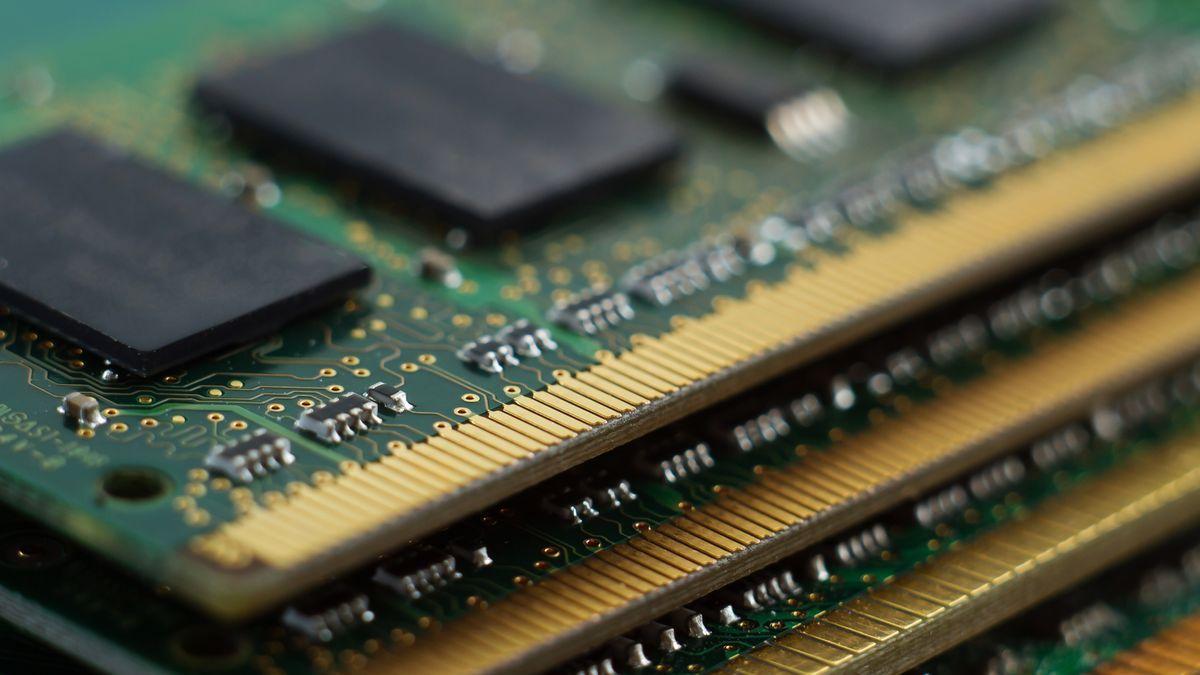
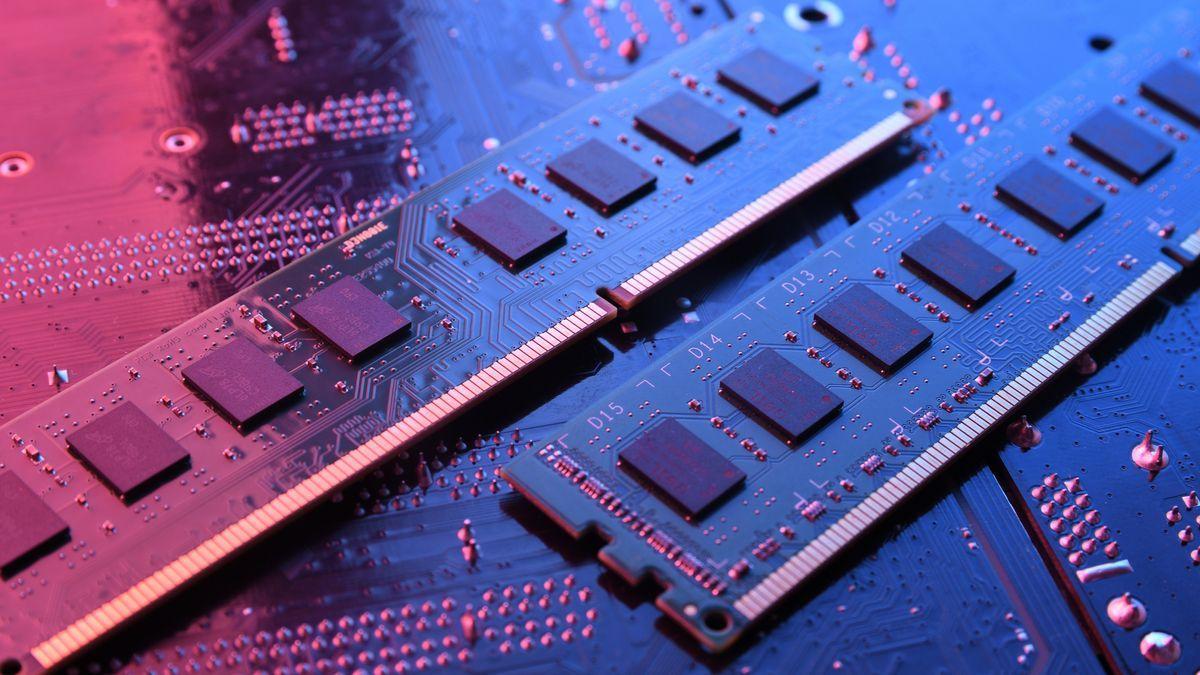
Source: TechRadar
Memory Manufacturers Pivot to Serve AI Giants
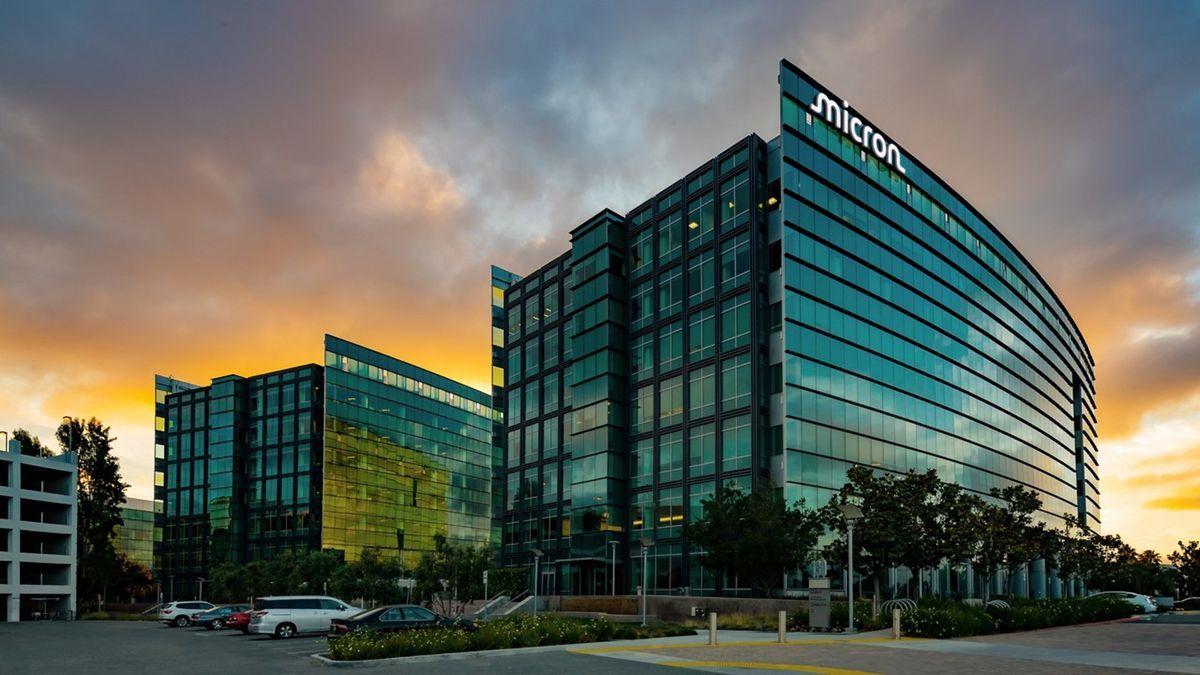
The three dominant memory producers—Samsung, SK Hynix, and Micron—have fundamentally reoriented their business strategies to serve AI companies. OpenAI alone is consuming up to 40% of the world's DRAM supply for its computing infrastructure, including multi-state Stargate data centers
3
. Micron has taken the dramatic step of shuttering its Crucial consumer brand to allocate more resources toward enterprise products2
. Meanwhile, tech giants including Google, Microsoft, and Meta have reportedly stationed operatives in South Korea, home to two of the big three memory makers, to secure DRAM supplies1
. Large Language Models and AI processing require massive amounts of HBM (High-Bandwidth Memory) and standard DRAM, creating what TrendForce describes as the "craziest time ever" in the memory sector4
.
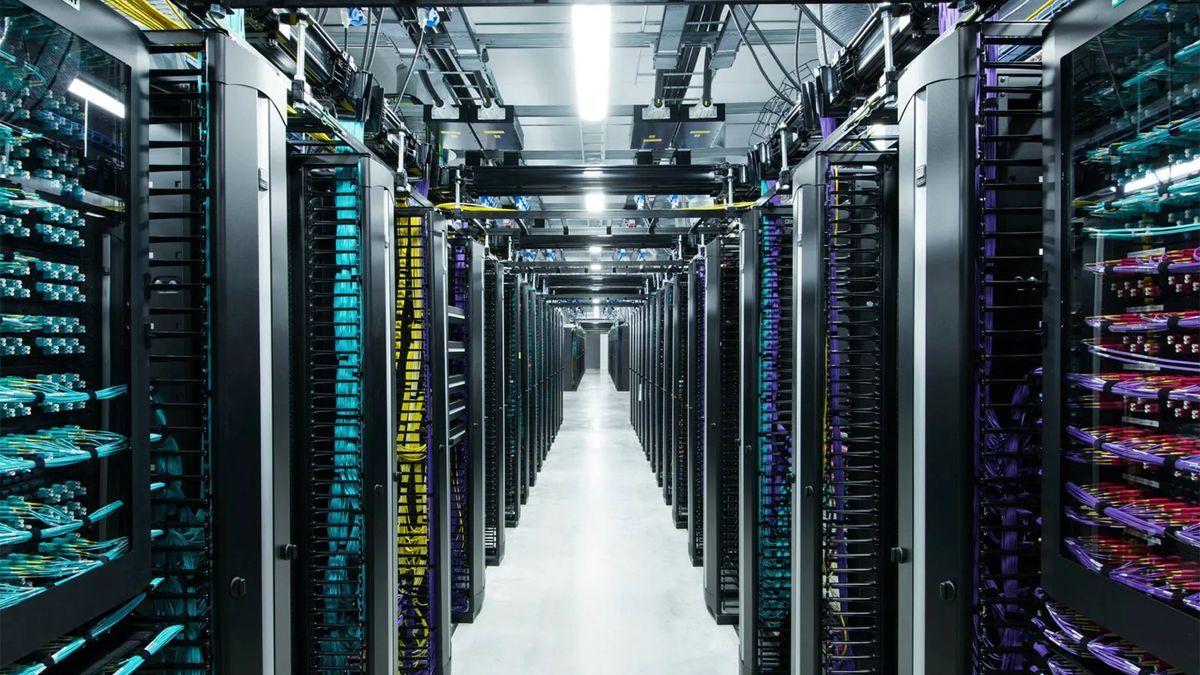
Source: PC Gamer
PC Market Faces Extended Crisis Through 2028
The RAM pricing crisis shows no signs of quick resolution, with Reuters and multiple industry analysts forecasting that availability won't improve until 2027 or 2028
2
. TrendForce projects conventional DRAM contract prices will increase 55-60% in Q1 2026 alone. The memory shortage has already impacted desktop PCs severely, with laptops following suit as Dell and other manufacturers adjust pricing strategies1
. IDC warns that PCs may ship with less RAM to compensate for ballooning costs, while SSD prices have similarly surged, compounding the supply chain disruption. The crisis threatens a cascading effect across the entire PC component market, as RAM is non-negotiable for any functional computer. This differs fundamentally from the 2021 GPU shortage, where systems could operate without discrete graphics cards2
.Lenovo's Strategy Amid Market Turbulence
Lenovo, holding 25% of the PC market with 70.8 million units shipped in 2025, has positioned itself strategically by stockpiling RAM before prices became untenable
1
. Bloomberg reported the world's largest PC maker hoarded approximately 50% more memory than usual, securing long-term agreements with multiple vendors in September and October 2025. Steve Long, Lenovo's commercial head for intelligent devices, confirmed the company expects a "hybrid world" where computing splits between local and cloud computing capabilities. Long indicated that future PCs will edge toward premium specifications with higher-end chips, more RAM, and increased storage, while lower-end systems may rely more heavily on cloud computing1
. The company raised prices on gaming products like the Legion Go S from $550 to $650 throughout 2025, demonstrating how manufacturers are passing costs to consumers.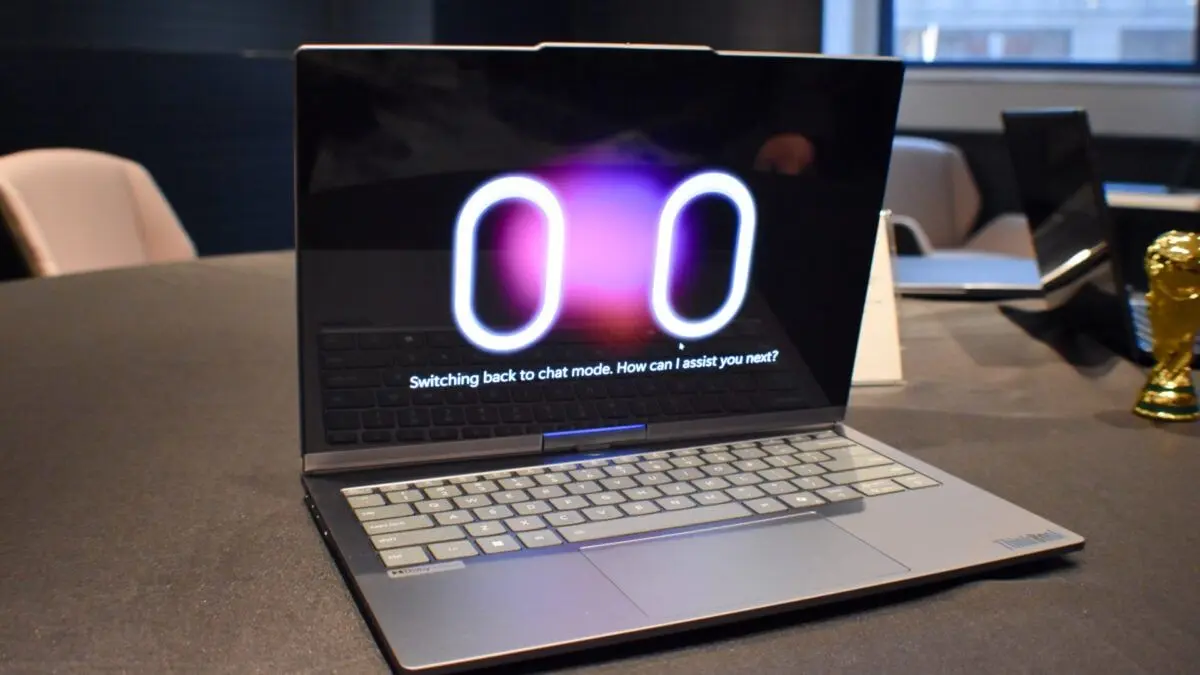
Source: Gizmodo
Related Stories
GPU Supply Constrained by VRAM Shortage
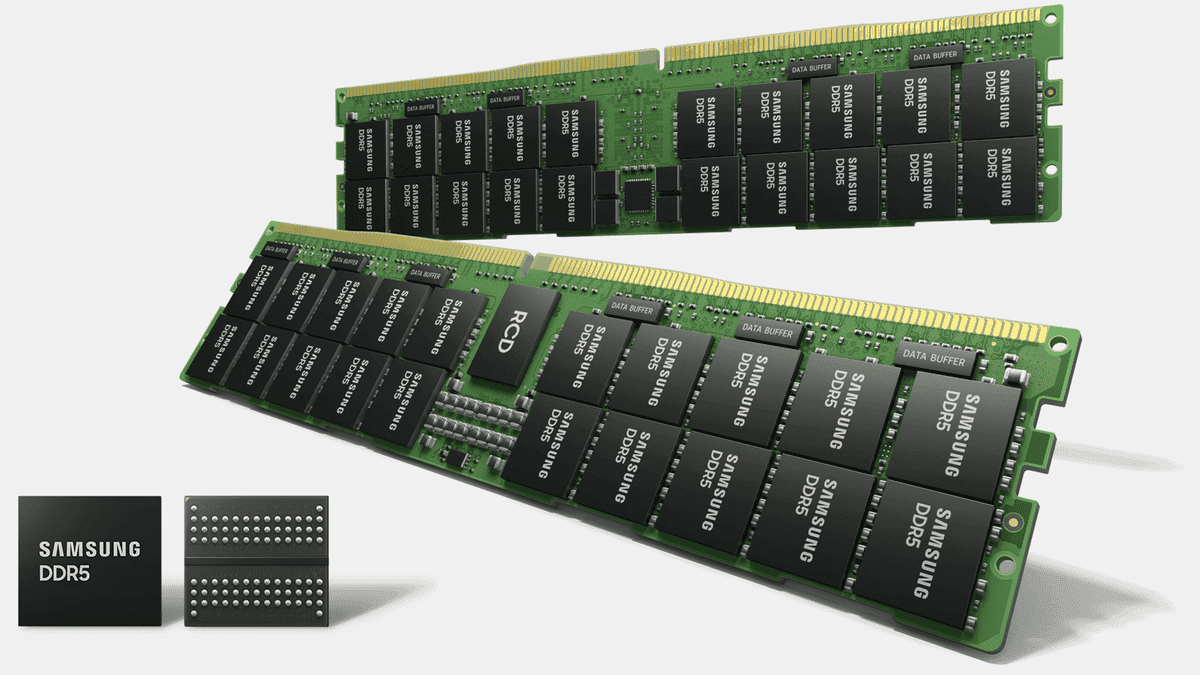
The memory shortage extends beyond system RAM to affect GPUs and VRAM, creating additional pressure on PC gaming and high-performance computing. Nvidia's RTX 50-series graphics cards face significant supply constraints, with reports suggesting the company has slashed GPU supply by 15-20%
5
. Street prices for RTX 50-series cards have jumped up to 32% above MSRP, with the RTX 5090's $1,999 official price appearing modest compared to market reality2
. Asus temporarily indicated End of Life status for certain models before walking back the statement, citing "memory supply constraints" affecting production output5
. Despite these challenges, Scan UK CEO Elan Raja maintains optimism, stating "PC gaming's never been as strong" and characterizing the current situation as "just another market cycle" that represents a temporary "blip" in the industry's long-term trajectory3
.Broader Impact on Consumer Electronics
The RAM pricing crisis extends far beyond PCs and gaming systems to affect virtually all consumer electronics containing memory chips. TVs, smartphones, tablets, and even automobiles face potential price hikes as the memory shortage ripples through supply chains
4
. IDC estimates the crisis will reduce PC sales by 9% and phone sales by 5% in 2026 as manufacturers pass increased costs to consumers. Despite PC shipments growing nearly 10% year-over-year in 2025, the outlook for 2026 appears significantly darker1
. The situation mirrors pandemic-era supply chain disruptions, though with a different root cause. Memory manufacturers have accelerated construction of new production facilities, but these won't meaningfully impact supply until 2028. In the interim, creative solutions are emerging, including companies like Caramon reclaiming RAM from decommissioned servers, with sales nearly doubling from $500,000 to $900,000 monthly4
. Consumers may increasingly turn to used memory markets or salvage components from older systems as stopgap measures while the industry navigates this turbulent period.References
Summarized by

Navi
Related Stories
RAM Prices Explode 240% as AI Data Centers Drain Global DRAM Supply
04 Dec 2025•Business and Economy
AI Demand Triggers Component Shortage as Dell and Lenovo Plan 15% Price Increases for Servers
03 Dec 2025•Business and Economy

AI Demand Triggers Memory Shortage That Could Push Phone Prices Up 8% and Delay Consoles
16 Feb 2026•Business and Economy

Recent Highlights


Recent Highlights
Today's Top Stories









Your Daily Dose of Curated AI News
Don’t drown in AI news. We cut through the noise - filtering, ranking and summarizing the most important AI news, breakthroughs and research daily. Spend less time searching for the latest in AI and get straight to action.

