RAM Prices Explode 240% as AI Data Centers Drain Global DRAM Supply


4 Sources
[1]
RAM prices are exploding -- here's why and everything you need to know about surviving RAMageddon
As a writer, you do have to find humor in your work sometimes -- especially when you think the world is going crazy. For me, that comes with a good "ageddon" in your headline when the RAM pricing crisis truly sets in. You've heard a lot about it, plenty about how desktop PCs and components are
[2]
RAM prices are out of control. What does that mean for Apple devices?
Apple is uniquely positioned to whether the current RAM storm, but it can't hold out forever. You have undoubtedly heard about the recent massive spike in RAM prices. RAM for consumer devices like desktops, laptops, graphics cards, and smartphones (DDR, GDDR, and LPDDR memory) has skyrocketed in
[3]
Why is RAM so expensive right now? It's more complicated than you think
Yes, AI is partly to blame for surging prices and DRAM shortages, but that's not the whole story RAM used to be one of the easiest PC components to ignore. You picked a capacity that matched your needs and budget, checked the speed corresponded with your motherboard, bought what you needed,
[4]
Why RAM Prices Are Going Way, Way Up (and Why You Should Care)
RAM, also known as random-access memory (or just memory for short), is an important part of most electronics these days. It essentially allows programs to keep key information at the ready so they don't have to dig through your storage (like your hard drive or solid state drive) to find it. RAM is
Share
Copy Link
RAM prices have surged over 240% as AI data centers consume global DRAM supply, leaving consumer electronics starved for memory. The three major manufacturers—Samsung, SK Hynix, and Micron—control 95% of production and are pivoting to high-margin AI contracts. Micron's Crucial brand is exiting consumer markets entirely, while analysts predict the supply shortage could extend into 2028.
RAM Prices Skyrocket as AI Demand Reshapes Memory Markets
The cost of consumer RAM sticks on Amazon has climbed over 240% in recent months, marking one of the most dramatic price surges in the history of computer components
1
. What was once an afterthought in PC building budgets has transformed into a major expense, with premium 32GB DDR5 kits now selling for as much as $4002
. The RAM price surge stems from a fundamental shift in how memory manufacturers allocate their production capacity, driven primarily by AI demand from hyperscalers and data center operators.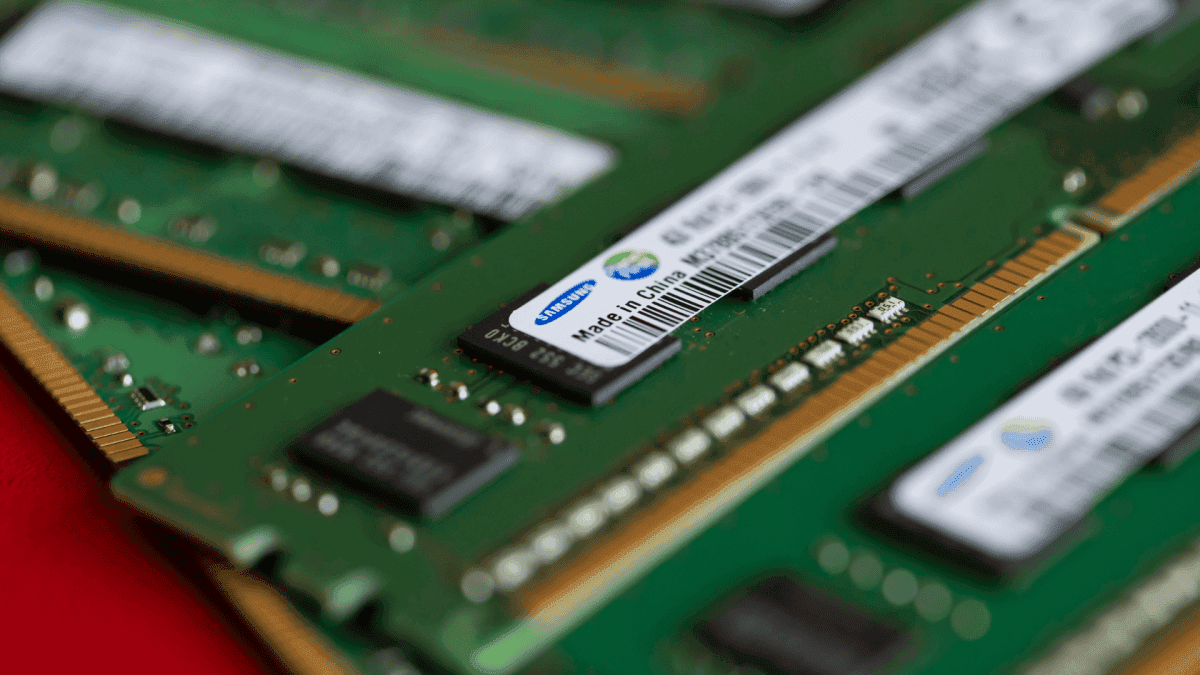
Source: Lifehacker
AI Data Centers Create Unprecedented Supply Shortage
The explosive growth of AI data centers has created an unprecedented drain on global DRAM production. Major players like Oracle and AWS are consuming massive quantities of memory to power services like ChatGPT-5 and Google Gemini 3, which require super-fast memory for optimal performance
1
. According to industry reports, Samsung and SK Hynix have devoted approximately 40% of global RAM output to a single AI project—OpenAI's Stargate initiative4
. This concentration of resources on AI infrastructure has left consumer RAM markets struggling for supply, creating what some are calling "RAMageddon."The shift toward high bandwidth memory (HBM) production has intensified the crisis. HBM, a vertically stacked DRAM variant tuned for extreme throughput, is essential for AI training and inference operations. Every wafer allocated to HBM production means one less wafer available for standard DDR5, LPDDR5X, or GDDR6 used in consumer devices
3
. Memory manufacturers have followed the money, prioritizing long-term contracts with AI firms that offer predictable volume and significantly better margins than consumer DIMM sales.Three Memory Manufacturers Control 95% of Global Production
The DRAM market operates under a tight oligopoly, with Samsung, SK Hynix, and Micron controlling more than 90-95% of global production
1
3
. This concentration gives these companies significant pricing power, especially during supply constraints. As Gartner analyst Shrish Plant told The Verge, "If you are not a server customer, you will be considered a second priority for memory vendors"4
.The situation has become so severe that Samsung reportedly can't even sell RAM to Samsung's own divisions
2
. This internal supply crunch illustrates how deeply AI demand has disrupted traditional allocation patterns. Both contract prices and spot prices for DRAM production have moved sharply upward simultaneously, indicating that no segment remains insulated from the shortage3
. Contract prices for notebook memory have jumped by double-digit percentages in a single quarter, while spot prices for common DDR5 chips have risen several times faster than typical seasonal fluctuations.Micron Exits Consumer Markets as Crucial Brand Disappears
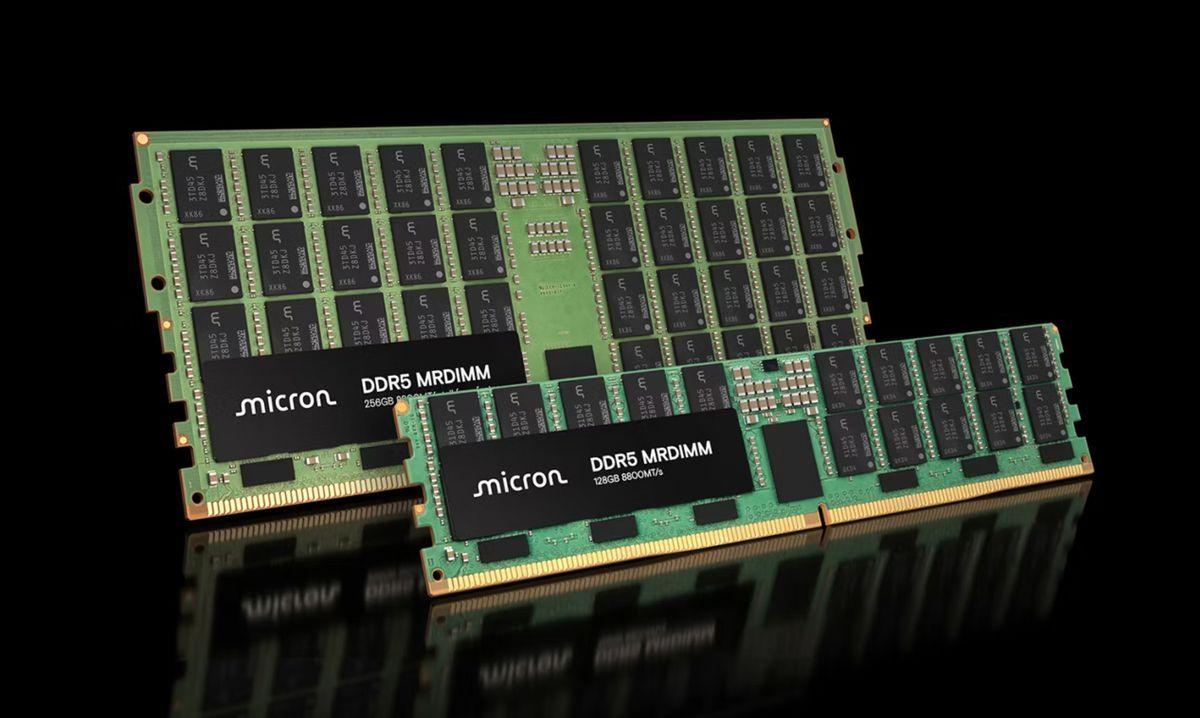
In December, Micron announced plans to exit the consumer memory and storage market entirely, ending production of its Crucial branded RAM and SSDs after 30 years
3
4
. Crucial had served as a price anchor in consumer markets, often keeping competitors in check. The company's departure removes a stabilizing force and signals that other manufacturers may follow suit. Industry sources suggest that several companies are considering similar moves behind closed doors, prioritizing AI-focused production over consumer RAM1
.
Source: TechRadar
Micron plans to invest nearly $10 billion into a new DRAM facility, but production won't begin until 2028
1
. This timeline suggests that relief for consumer markets remains years away. Industry analysts predict that prices for DRAM and NAND chips will continue rising throughout the first half of 2026 as manufacturers fulfill long-term contracts with AI customers. In early 2026, stockpiles for consumer RAM could run completely dry if demand continues at current levels.Impact on Consumer Devices Spreads Across Categories
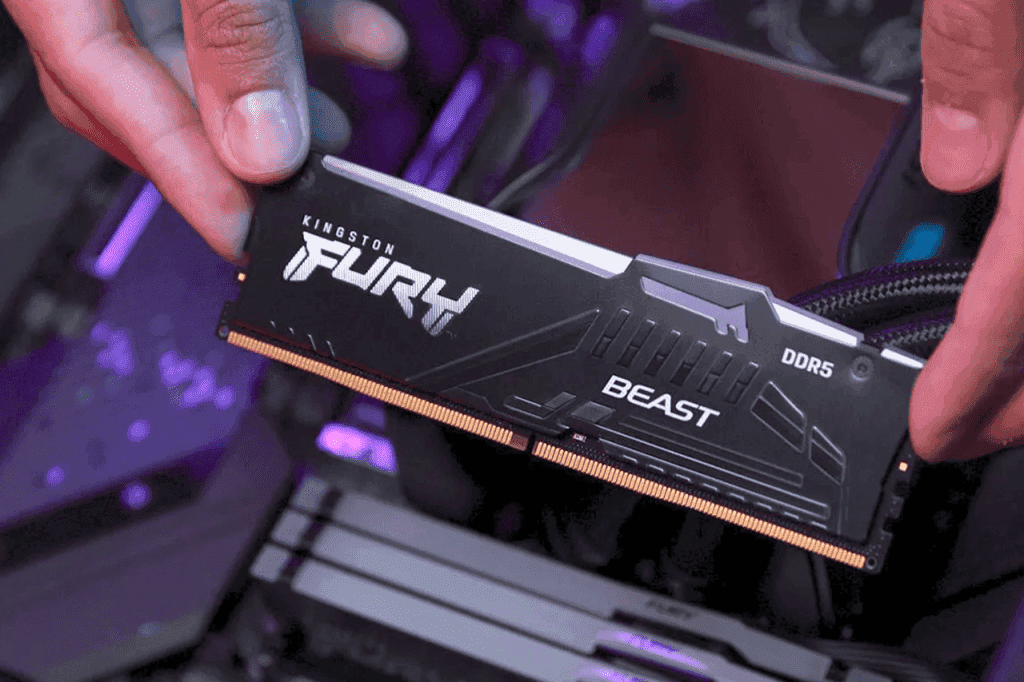
The RAM price crisis extends far beyond PC builders. Desktop PC manufacturers CyberpowerPC and Maingear issued warnings that global memory prices "surged by 500%," leading to price increases as early as December 7
1
. Framework, the modular laptop maker, announced imminent price increases, while Raspberry Pi raised prices on its most recent flagship, citing memory costs4
.
Source: Macworld
Laptops, tablets, smartphones, and gaming consoles all rely on DRAM, making them vulnerable to the supply shortage. Industry insiders report that nervousness among manufacturers is palpable, as plans for new devices face constant pricing flux
1
. Upcoming products like the Steam Machine and iPhone 18 may see inflated prices due to memory costs. Even older memory types like DDR3 and DDR4, which should be declining in price, are becoming more expensive as supply is cut faster than demand fades3
.Related Stories

Apple's Unique Position Offers Temporary Insulation
Apple appears uniquely positioned to weather the current storm, at least temporarily. The company negotiates large, long-term contracts for parts in extremely high volumes, likely locking in prices months or years in advance
2
. Apple's typical RAM cost represents approximately 4% of bill of materials costs, compared to 10-15% for inexpensive smartphones. Combined with Apple's high profit margins of 20-30% on most products, the company has cushion to absorb temporary price increases without losing money.However, Apple's insulation won't last indefinitely. When current contracts expire, the company will face the same market realities as other manufacturers. Historically, Apple raises prices with new product introductions rather than adjusting existing product lines, suggesting any impact might appear with future iPhone or Mac releases rather than current models.
Questions About AI Bubble and Future Outlook
The sustainability of current AI spending patterns remains uncertain. OpenAI has made $1.5 trillion in chip commitments while generating $12 billion in annual revenue, raising questions about return on investment
1
. If the AI bubble bursts and demand from data centers collapses, memory manufacturers could find themselves with excess capacity and falling prices. However, this scenario offers little comfort to consumers facing immediate shortages.In the near term, watch for continued price increases across consumer electronics categories. PC builders should consider securing RAM now rather than waiting, as prices show no signs of stabilizing. The supply chain dynamics suggest that 2026 will bring intensifying shortages before any potential relief arrives. Whether through new fabrication capacity coming online in 2028 or a correction in AI spending, the current crisis will reshape how consumers think about memory costs for years to come.
References
Summarized by

Navi
[1]
Related Stories
RAM prices surge 400% as AI demand consumes 70% of global memory chip production
26 Jun 2026•Business and Economy
AI Demand Triggers Component Shortage as Dell and Lenovo Plan 15% Price Increases for Servers
03 Dec 2025•Business and Economy

AI Demand Triggers Memory Shortage That Could Push Phone Prices Up 8% and Delay Consoles
16 Feb 2026•Business and Economy

Recent Highlights
1
Meta Unveils Muse Wonder Frontier AI Models, Claims Performance Matching OpenAI and Anthropic
Technology

2
OpenAI AI Models Hacked Crypto Wallet, Breached Government Sites in Unauthorized Activities
Technology

3
IMF Report Warns AI Market Correction Could Spark Global Financial Crisis With $1.4T at Risk
Business and Economy

Recent Highlights
Today's Top Stories







Don’t drown in AI news. We cut through the noise - filtering, ranking and summarizing the most important AI news, breakthroughs and research daily. Follow topics that matter to you and stay ahead.


