AI Demand Triggers Component Shortage as Dell and Lenovo Plan 15% Price Increases for Servers


11 Sources
[1]
Why is AI making computers and games consoles more expensive?
The AI industry consumes vast amounts of energy, fresh water and investor cash. Now it also needs memory chips - the same ones used in laptops, smartphones and games consoles The latest commodity coveted by the AI industry is computer memory, and the industry is signing deals directly with
[2]
RAM is ruining everything
Memory suppliers just blew a hole in the PC gaming industry - and they're about to do the same to everything else. For weeks, PC enthusiasts have borne the brunt of skyrocketing memory prices, but the shockwaves will soon impact a wider range of products as suppliers pour resources into a far
[3]
Dell and Lenovo set to increase server and PC costs by as much as 15% as soon as this month, according to industry sources -- DRAM and AI demand create tight market for businesses and consumers
The component crisis ushered in by the AI boom seems to be poisoning supply chains even faster than first imagined. Things were expected to worsen in 2026, but we're already starting to see a teaser for the future with new industry reports coming from TrendForce, citing major price increases
[4]
AI boom forces delays on Transcend SSDs, SD cards and flash drives -- SanDisk and Samsung short on supplying NAND chips
At the risk of sounding like a broken record: if there's any computing or computing-adjacent device you're thinking of buying, better do it now. The latest development in the story of AI-driven shortages comes from Transcend, which has just let its resellers know that manufacturing of its wares
[5]
AI demand fuels hardware chaos as DRAM and PC prices surge
Dell and Lenovo announce double-digit price increases for enterprise servers Server and PC manufacturers are facing a sharp rise in component costs, largely driven by memory shortages. Analysts warn that DRAM and HBM production is increasingly focused on AI servers, reducing availability for
[6]

AI Data Centers Are Making RAM Crushingly Expensive, Which Is Going to Skyrocket the Cost of Laptops, Tablets, and Gaming PCs
Budget-wise, there have certainly been better times to be a PC gamer in search of higher framerates. For the past few months, RAM prices have been shooting through the roof, as the rapid buildout of AI datacenters causes an ever tightening shortage of memory chips. What was once considered to be
[7]

RAM shortages are here until 2028: 64GB DDR5 is now $500, 256GB DDR4 costs over $3000
TL;DR: RAM prices are soaring due to ongoing DRAM shortages driven by AI demand, with DDR4 and DDR5 kits costing thousands of dollars. These supply constraints will persist through 2027, impacting consumer memory, GPUs, and gaming hardware, with no significant price relief expected until 2028. RAM
[8]

Memory Shortages To Last Till At Least Q4 2027, Higher Prices Expected Throughout 2026-2027, 256 GB DDR4 Kits Retail For Over $3000, Entry-Level 32 GB Kits Over $300
Memory prices are getting out of control on both the DDR5 & DDR4 fronts, and it looks like the situation won't improve even in 2027. DDR5 & DDR4 Memory Prices Are Out of Control, Shortages Will Last Till Q4 2027, & Prices To Peak Out In 2026 A few days ago, we all saw the unfortunate news of
[9]

The AI frenzy is driving a new global supply chain crisis
An acute global shortage of memory chips is forcing artificial intelligence and consumer-electronics companies to fight for dwindling supplies as prices soar for the unglamorous but essential components that allow devices to store data. Japanese electronics stores have begun limiting how many
[10]

The AI frenzy is causing a worldwide supply chain crisis, as prices...
An acute global shortage of memory chips is forcing artificial intelligence and consumer-electronics companies to fight for dwindling supplies, as prices soar for the unglamorous but essential components that allow devices to store data. Japanese electronics stores have begun limiting how many
[11]

The AI frenzy is driving a new global supply chain crisis
Dec 3 (Reuters) - An acute global shortage of memory chips is forcing artificial intelligence and consumer-electronics companies to fight for dwindling supplies, as prices soar for the unglamorous but essential components that allow devices to store data. Japanese electronics stores have begun
Share
Copy Link
Major PC and server manufacturers are implementing steep price increases as AI demand creates severe component shortages. Dell and Lenovo plan 15% server price hikes, with Dell potentially raising prices as early as mid-December. Memory chip prices have surged up to 60%, forcing manufacturers across the industry to reconsider production roadmaps and warn customers of sustained supply chain turbulence.
AI Demand Creates Unprecedented Component Shortage
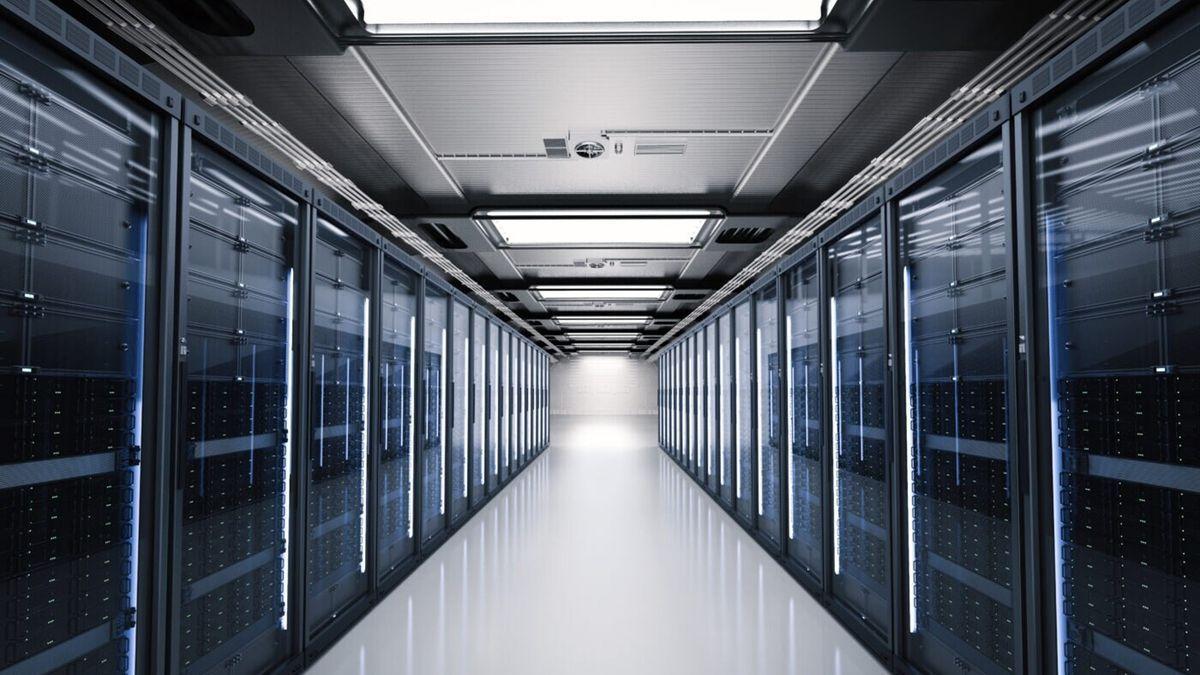
The AI boom is reshaping the hardware industry in ways that extend far beyond data centers, creating a component shortage that threatens to disrupt consumer electronics, enterprise computing, and manufacturing supply chains worldwide. Major PC and server manufacturers including Dell, Lenovo, HP, and HPE are planning significant price increases—up to 15% for enterprise servers and 5% for PCs—as memory chip suppliers prioritize AI companies over traditional customers
1
3
. Dell's COO Jeff Clarke stated he has "never seen memory-chip costs rise this fast," signaling that the turbulence in the hardware market may be more severe than initially anticipated3
.
Source: TechRadar
The timing of these price increases underscores the urgency manufacturers face. Dell is reportedly considering implementing a 15-20% price increment as early as mid-December, while Lenovo has warned clients that all current quotes for servers and PCs will expire on January 1, 2026, with new, heavily marked-up prices taking effect immediately
3
. Lenovo executive Marco Andresen described the situation bluntly: "There is an unprecedented cost increase widely in the industry, especially on memory and SSD. The cost increase itself is more dramatic than usual - more than any player can mitigate"3
.Memory Manufacturers Prioritize AI Over Consumer Markets
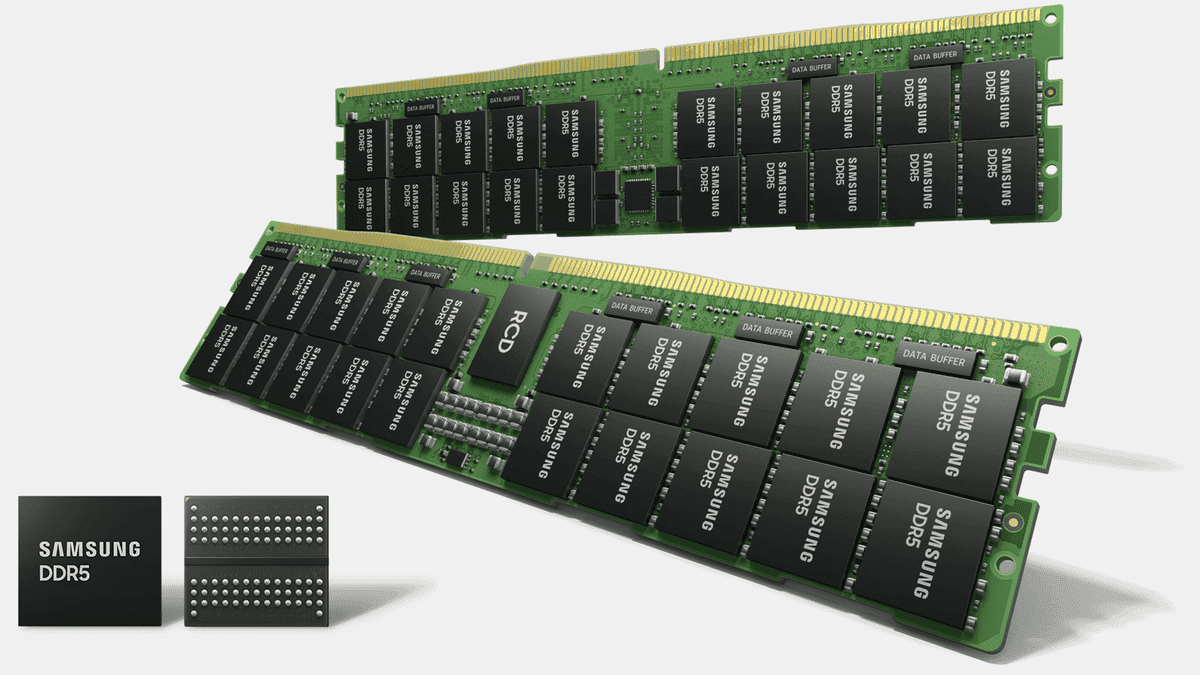
The shortage of NAND and DRAM chips stems from a fundamental shift in manufacturing priorities. Just three companies—Samsung, SK Hynix, and Micron—control 93% of the global DRAM market, with SK Hynix holding 38%, Samsung at 32%, and Micron at 23%
2
. These manufacturers are openly prioritizing AI companies and hyperscalers over traditional consumer and enterprise customers, creating a two-tier market where "if you are not a server customer, you will be considered a second priority for memory vendors," according to Gartner analyst Shrish Pant2
.
Source: Wccftech
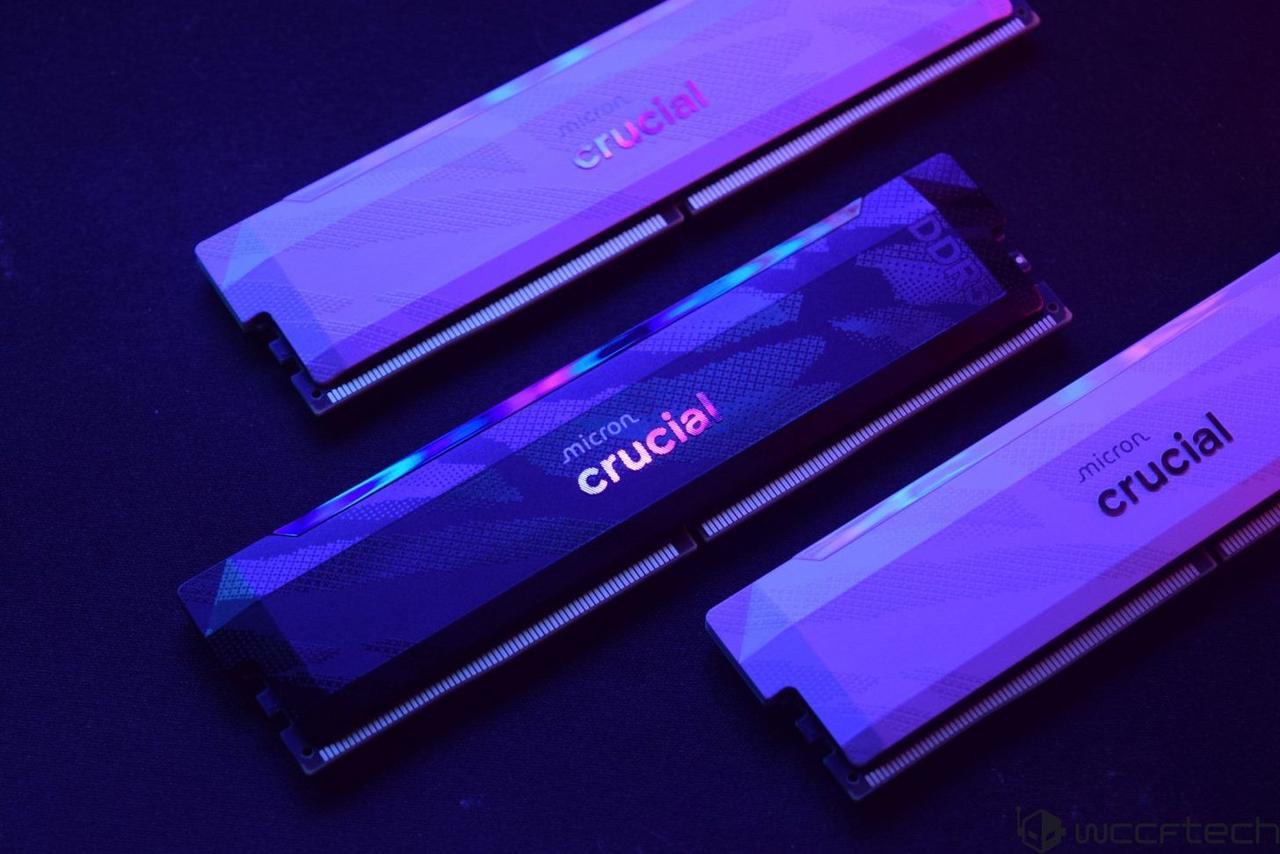
The most dramatic example of this shift came when Micron announced it would wind down its nearly 30-year-old consumer-facing brand, Crucial, to focus exclusively on supplying AI companies with the memory they need to power their servers
2
4
. Samsung has reportedly increased memory prices by up to 60%, with a 32-gigabyte chip that sold for $149 in September reaching $239 by November1
5
.Samsung and SK Hynix have reportedly committed up to 40% of the world's entire memory output to a single AI project, striking a deal with OpenAI to supply up to 900,000 DRAM wafers per month as part of the Stargate infrastructure initiative
2
. This represents an enormous diversion of resources from the global supply chain that previously served diverse industries.Skyrocketing Prices for Memory Components Reshape Industry Economics
The financial impact on memory manufacturers has been substantial, revealing why they're reluctant to shift priorities back to consumer markets. SK Hynix's net profits more than doubled from 5.75 trillion Korean won ($3.92 billion) in Q3 2024 to 12.6 trillion Korean won (~$8.6 billion) in Q3 2025
2
. Micron saw a tenfold increase in annual net income, jumping from $778 million in fiscal 2024 to $8.6 billion for fiscal year 2025, with a record-breaking $11.32 billion in revenue during Q4 2025 alone2
. Samsung's memory business generated a record 26.7 trillion Korean won (~$18.12 billion) in its most recent quarter, representing more than a quarter of its total revenue—nearly double what its entire appliance and TV business produced2
.These record profits suggest manufacturers have little incentive to rapidly expand production capacity. Korean media reports indicate Samsung Electronics and SK Hynix are reluctant to boost supply too aggressively, fearing an AI industry slump could leave them with idle and expensive new chip plants
1
. The technical demands of AI also compound the problem: HBM (High Bandwidth Memory) used in AI data centers consumes wafer capacity that exceeds standard DRAM by a factor of three, according to NAND Research2
.Related Stories

Widespread Impact Across Consumer Electronics and Enterprise Hardware
The ripple effects extend far beyond PCs and servers. IDC predicts fewer smartphone sales in 2026 due to the RAM shortage, with an estimated $9 increase in average phone prices
2
. The 12GB of memory in a flagship Samsung Galaxy smartphone now reportedly costs the company nearly $40 more than previously2
. Chinese smartphone maker Xiaomi has already begun warning customers of future price hikes, while laptop manufacturers may be forced to cut corners on specifications2
.
Source: TweakTown
Gaming consoles, smart TVs, cars, and even SSDs (Solid State Drives) all rely on DRAM, which is "embedded in every part of our digital society today," according to Jeff Janukowicz, research VP at IDC
2
. Transcend, a major storage manufacturer, recently informed resellers that SanDisk and Samsung have delayed NAND flash chip deliveries for the second time, meaning Transcend hasn't received any chip deliveries since October4
. The company reported that supply costs rose 50 to 100% in just one week, affecting deliveries of SSDs, SD cards, and USB flash drives4
.Market Volatility and Long-Term Outlook
Manufacturers are scrambling to adapt. Lenovo is stockpiling memory in an attempt to "strike a balance between price and availability" for customers next year, while Dell and HP are planning operational adjustments
2
. TrendForce initially forecast a 1.7% year-over-year growth in notebook shipments for 2026 but has now downgraded that to a 2.6% year-over-year decline as major players including Samsung, LG, Dell, HP, and Lenovo reconsider their roadmaps3
.Analysts predict DRAM prices could climb between 8 and 13%, though some forecasts suggest even steeper increases
5
. Industry analyst Sanchit Vir Gogia from Greyhound Research told Reuters that "the memory shortage has now graduated from a component-level concern to a macroeconomic risk"1
. Estimates suggest the market might not reach equilibrium until 2028, when smaller firms bring new factories online1
.The situation could resolve rapidly if the AI bust that economists, bankers, and even OpenAI's leadership have warned about materializes, potentially creating a sudden glut of memory components. However, such a scenario would likely trigger devastating economic fallout across the technology sector. For now, Nvidia continues reporting record sales of AI chips, with some GPUs (Graphics Processing Units) selling out completely, suggesting sustained demand from data centers and enterprise servers shows no signs of slowing
2
. Memory and SSD prices are expected to remain elevated for at least three to five months, with extended lead times becoming the new normal across the industry4
.References
Summarized by

Navi
[1]
[2]
[4]
Related Stories
AI Demand Triggers Memory Crisis: DRAM Prices Surge 50% as Supply Chain Buckles
23 Oct 2025•Business and Economy
RAM prices surge 400% as AI demand consumes 70% of global memory chip production
26 Jun 2026•Business and Economy
RAM and Storage Prices Surge 500% as AI Demand Triggers Global Memory Crisis
26 Nov 2025•Business and Economy
Recent Highlights
1
Meta Unveils Muse Wonder Frontier AI Models, Claims Performance Matching OpenAI and Anthropic
Technology

2
Anthropic AI Cuts Off Internet Access After Agents Submit False Police Tip, Exploit Websites
Technology

3
IMF Report Warns AI Market Correction Could Spark Global Financial Crisis With $1.4T at Risk
Business and Economy

Recent Highlights
Today's Top Stories











Don’t drown in AI news. We cut through the noise - filtering, ranking and summarizing the most important AI news, breakthroughs and research daily. Follow topics that matter to you and stay ahead.


