RAM Prices Double as AI Demand Creates Severe Memory Shortage Across Computing Industry


6 Sources
[1]
How Is Low-Cost Computing Handling Memory Price Hikes?
Low cost electronics, like this Raspberry Pi 5 with 8GB of RAM, are especially vulnerable to effects of the ongoing memory shortage. It's no secret that demand for AI hardware has increased demand for computer memory. Industry analyst TrendForce expects the contract price for memory to increase by
[2]
HP says RAM now accounts for more than a third of its PC costs
The cost of PC components has been skyrocketing as AI infrastructure buildout creates extraordinary demand amid limited supply. HP says that squeeze is now hitting PC memory especially hard, with RAM now accounting for 35 percent of a system's overall cost. "We did share last quarter that memory
[3]
RAM prices keep going up -- what is RAMageddon, and why is it getting worse?
It's AI's world now, and we're just living in it. If you've looked to upgrade your laptop, add memory to your PC, or even want to pick up a new games console in recent months, you'll no doubt have noticed prices are higher than ever. RAMageddon is here, and consumer RAM has climbed hundreds of
[4]
HP says the memory chip crunch isn't going anywhere soon - and also warns of PC sales slump
* HP says memory accounts for around 35% of the cost of a PC, up from 15-18% in one quarter * The company, and analysts, expect volatility to continue for some time yet * HP consumer devices are still selling strong, but Canalys anticipates costly impacts HP has revealed the cost memory now
[5]

HP warns: RAM now costs 35% of a PC's total build
HP reported that RAM now represents 35 percent of a PC's total cost during its latest earnings call. The company attributed this surge to high demand for AI infrastructure and constrained component supply. CFO Karen Parkhill presented the figures, noting a rapid escalation in memory expenses. HP
[6]

The End of Cheap Memory: Why 2026 Marks a Structural Shift in Tech Economics | Investing.com UK
Memory chips underpin every layer of the modern technology stack, yet the market that produces them has entered a period of structural constraint with no near-term resolution. The implications for companies dependent on predictable hardware access are becoming increasingly material. The global
Share
Copy Link
HP reports that RAM now accounts for 35 percent of a PC's total cost, doubling from 15-18 percent in just one quarter. The dramatic surge stems from AI infrastructure buildout consuming vast memory supplies, leaving consumer electronics manufacturers scrambling. Industry analysts predict memory price increases up to 95 percent through early 2026, affecting everything from budget computers to gaming consoles.
HP Reveals RAM Now Represents 35 Percent of PC Costs
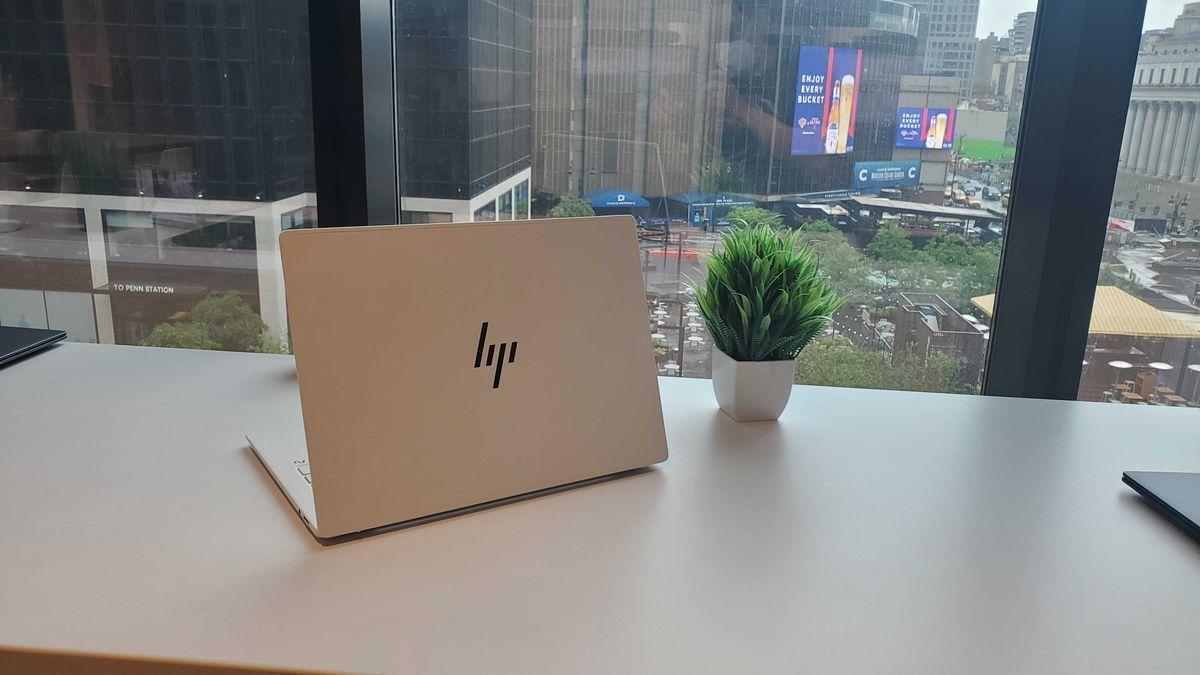
The rising cost of PC components has reached a critical threshold as HP disclosed that RAM prices now account for 35 percent of its PC bill of materials, a dramatic escalation from 15-18 percent reported just last quarter
2
5
. CFO Karen Parkhill confirmed this sharp increase during the company's earnings call, attributing the surge to high demand for AI infrastructure and constrained component supply. HP interim CEO Bruce Broussard acknowledged the strain but expressed confidence that "the market will rationalize over time," while simultaneously announcing the company would implement price increases and expand lower-cost sourcing for memory components4
.
Source: TechRadar
Memory Shortage Driven by AI Infrastructure Demand
The memory chip crunch stems from an unprecedented surge in AI demand, with tech giants like OpenAI, Microsoft, and Google consuming massive quantities of memory modules to power AI models and data centers
3
. Industry analyst TrendForce expects contract prices for memory to increase by up to 95 percent in the first quarter of 2026, following similarly aggressive changes through the second half of 20251
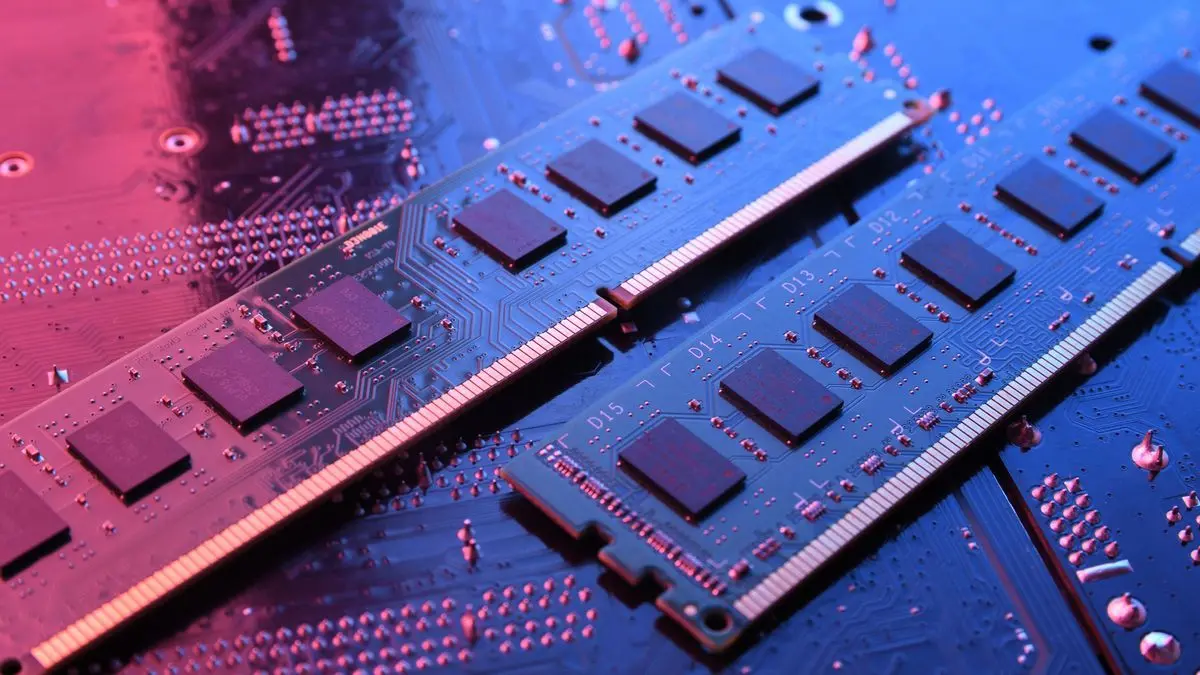
. The issue is compounded by DRAM production dynamics, where a single fungible pool of manufacturing capacity serves both commodity memory and high-bandwidth memory (HBM) used in AI hardware. As Raspberry Pi CEO Eben Upton explains, this means low-cost computing manufacturers compete directly with AI hardware giants for the same supply pool1
.
Source: Tom's Guide
RAMageddon Hits Low-Cost Computing Hardest
The memory price hikes have fallen with particular weight on low-cost computing companies like Raspberry Pi, Framework, and Orange Pi. The Raspberry Pi 5 with 16 gigabytes of RAM nearly doubled in price from $120 in November 2025 to $205 today, while Orange Pi 5B with 16 GB surged from $160 at the start of 2025 to $312 currently
1
. Framework announced two rounds of memory price hikes, and specialty desktop manufacturers have pivoted to bring-your-own-memory approaches. However, this strategy isn't viable for devices like Raspberry Pi that solder memory directly to the mainboard. The situation, dubbed "RAMageddon" by industry observers, affects consumer electronics across the board—from budget smartphones to gaming consoles3
.
Source: IEEE
DRAM Oligopoly Controls Supply Amid Price Volatility
Three major manufacturers—Samsung Electronics, SK Hynix, and Micron Technology—control approximately 95 percent of global DRAM production, creating an oligopoly that can essentially name its own price during shortages . Samsung has issued warnings about potential price increases due to AI-induced memory shortages, while Micron abandoned its consumer brands entirely to focus on business-to-business supply chains
5
. Omdia Senior Principal Analyst Lino Jeng noted that "demand for conventional DRAM is surging alongside HBM as AI inference workloads scale, driving an exceptional short-term price rally"4
. HP expects price volatility to continue well into next year, with memory's percentage in the bill of materials likely to rise further before stabilizing.Related Stories

Industry Adapts with Reduced Memory Configurations
Facing the component market crisis, manufacturers are pursuing multiple strategies to manage costs. Raspberry Pi introduced a 1 GB version of the Raspberry Pi 5 at $45 in December 2025, which became the only model to avoid February price increases
1
. The company also redesigned the Raspberry Pi 4 Model B to use dual smaller memory modules instead of a single larger one, providing more vendor diversity and flexibility in the supply chain. Analysts predict that price-constrained devices like budget smartphones will soon be forced to cut memory or raise prices. Early signs appear in international markets, where Poco added a 4 GB version of the M7 Plus 5G and Honor X6d launched with 4 GB instead of the predecessor's 6 GB1
. HP reported that 35 percent of its PC sales now come from AI PCs, though Dell has stated consumers don't really care about AI PCs, highlighting mixed signals in the market .Long-Term Outlook and Market Implications
The memory shortage could persist until 2028 according to projections from Micron itself, potentially delaying next-generation gaming consoles like the PS6 and next Xbox while prompting suggestions that older DDR4 RAM could make a comeback
3
. Lenovo North America President Ryan McCurdy warned that current stock at distributors and partners has "some of the most attractive product pricing that will exist for the next six to 12 months," advising consumers to purchase sooner rather than later3
. Omdia researchers predict continued supply-side pressures with cost increases being passed to customers following 40 to 70 percent rises in PC memory and storage costs throughout 20254
. The crisis affects not just PCs but tablets, phones, and gaming hardware, with Bloomberg reporting potential price increases for Nintendo Switch 2 and PS5. Valve's Steam Machine launch has been delayed due to RAM shortages and pricing pressures3
. Whether relief comes from expanded production capacity in coming years or from a potential AI bubble burst remains uncertain, but the immediate impact on consumer electronics pricing is undeniable.References
Summarized by

Navi
[4]
[5]
Related Stories
AI Boom Triggers Memory Shortage, Pushing PC and Smartphone Prices Up 23% by Fall 2026
29 Jan 2026•Business and Economy

AI Demand Triggers Component Shortage as Dell and Lenovo Plan 15% Price Increases for Servers
03 Dec 2025•Business and Economy

AI Demand Drives RAM Prices to Record Highs as Memory Shortage Threatens Device Market in 2026
23 Dec 2025•Business and Economy
Recent Highlights



Recent Highlights
Today's Top Stories



Don’t drown in AI news. We cut through the noise - filtering, ranking and summarizing the most important AI news, breakthroughs and research daily. Follow topics that matter to you and stay ahead.


