Perplexity CEO says AI layoffs free workers to launch their own AI-powered ventures


2 Sources
2 Sources
[1]
Perplexity CEO says AI layoffs aren't so bad because people hate their jobs anyways: 'That sort of glorious future is what we should look forward to' | Fortune
Tech executives have offered foreboding visions of the future of work due to AI, with ServiceNow CEO Bill McDermott predicting unemployment will exceed 30% in a matter of years. But Perplexity CEO Aravind Srinivas says that's nothing to be afraid of. People should embrace the future of AI job displacement, Srinivas said in an episode of the All-In podcast released on Monday and recorded at Nvidia GTC last week. While AI may lead to unemployment, that job displacement subsequently frees people from careers they may not have enjoyed, he suggested. This, instead, gives them opportunities to pursue entrepreneurship. "The reality is most people don't enjoy their jobs," Srinivas said. "There's suddenly a new possibility, a new opportunity, to go use these tools, learn them, and start your own mini business...Even if there is temporary job displacement to deal with, that sort of glorious future is what we should look forward to." AI-related layoffs are already on the horizon. Last month Block CEO Jack Dorsey reduced 40% of his staff, saying "intelligence tools have changed what it means to build and run a company." The 4,000 laid-off Block employees are part of a total of more than 101,000 AI-linked job losses in the U.S. since February 2025, according to data compiled by the nonprofit the Alliance for Secure AI. However, some economists argue potential job displacement as a result of AI has been drastically overstated. Oxford Economics wrote in a recent note to clients companies "don't appear to be replacing workers with AI on a significant scale" and are insteading "AI washing" by blaming workforce reductions on the technology. Venture capitalist and Benchmark general partner Bill Gurley said the AI boom is no different from other eras of rapidly evolving technology, in which layoffs happen, but the labor market ultimately adapts and stabilizes. "I'm not that big of a doomer, Gurley told CNBC earlier this month. "I think these waves come, and especially with AI, there have been a lot of people pumping kind of miracles into it ... .They get this kind of apocalyptic view. We've had technology disruption before." The future of work in an AI-powered future is a departure from the rote and repetitive jobs that emerged at the turn of the 20th century, according to Srinivas. "America has always been about entrepreneurship. We've been about trying to build new things, discover new things, go explore," he said. "Henry Ford came and built factories and brought jobs and things like that, and put people into a box." AI instead makes people more nimble, eliminating startups' and small businesses' need to raise as much money because they no longer need to hire as many employees to jumpstart operations, Srinivas suggested. "What we are going to try to do is help businesses run as autonomously as possible," he said. OpenAI CEO Sam Altman has long predicted AI would create the first billion-dollar business run by one person, but Srinivas claimed the feat has not yet been achieved because an AI-powered venture has not increased in U.S. GDP by $1 billion, and therefore not yet "truly creating new value." He said the best way for this one-person unicorn to emerge is from a small business that has been optimized with AI. This new era of startups is already emerging. A Bank of America report published this week found the number of business applications with clear plans to hire employees fell by 4.4% year-over-year in January. Meanwhile, The number of "high propensity businesses," those likely to hire employees, jumped more than 15% in the same period. The discrepancy suggested the potential emergence of several new companies, but without plans to onboard staff to run those businesses. In 2024, Rudy Arora and Sarthak Dhawan created an AI-powered flashcard and quiz tool called TurboAI with an initial investment of less than $300 while the pair were still in college. The pair has since growth the company to 8.5 billion users and are generating $1 million a month in revenue with just 13 employees, the pair told Fortune's Marco Quiroz-Gutierrez. Without AI, their workforce would have swelled into the triple digits. "If we were a company two-and-a-half years ago, it would take over 100 employees," Arora said. "The only reason we're able to do it with 13 employees right now is because of AI."
[2]
'Most People Don't Enjoy Their Jobs:' Perplexity CEO Says AI Layoffs Are Chance To Launch AI-Powered Ventures - Capital One Financial (NYSE:COF), Salesforce (NYSE:CRM)
Perplexity AI CEO Aravind Srinivas says workers should view AI-driven layoffs as a chance to leave unfulfilling jobs and start new, AI-powered ventures. AI Layoffs Create Entrepreneurial Opportunities On Monday, speaking on the All-In podcast during Nvidia's GTC event last week, Srinivas acknowledged that AI could displace jobs but suggested the change offers unexpected benefits. "The reality is most people don't enjoy their jobs," he said. He added, "There's suddenly a new possibility, a new opportunity, to go use these tools, learn them, and start your own mini business." Srinivas contrasted his outlook with warnings from other tech leaders. ServiceNow CEO Bill McDermott, for example, has predicted unemployment could exceed 30% in the coming years due to AI. But Srinivas encouraged workers to see disruption as a chance to explore new career paths rather than fear it. "Even if there is temporary job displacement to deal with, that sort of glorious future is what we should look forward to," he added. AI Layoffs, Job Impact And CEO Insights Earlier this month, Billionaire entrepreneur Mark Cuban weighed in on the AI revolution, comparing today's workforce challenges with those faced during the rise of personal computers in the 1980s. He noted that PCs had been costly and hard to access, while today's workers could use online AI tools to learn new skills and stay competitive. Cuban also warned that large companies might reduce jobs, urging employees to adopt technology quickly to remain ahead. In January, OpenAI CEO Sam Altman said AI allowed companies to achieve more with smaller teams, prompting OpenAI to slow its hiring pace while continuing to add workers. He emphasized that the company was not freezing hiring but aimed to expand cautiously to avoid layoffs if AI reduced staffing needs. Disclaimer: This content was partially produced with the help of AI tools and was reviewed and published by Benzinga editors. Photo courtesy: Shutterstock Market News and Data brought to you by Benzinga APIs To add Benzinga News as your preferred source on Google, click here.
Share
Share
Copy Link
Perplexity AI CEO Aravind Srinivas sparked debate by suggesting AI-driven job displacement isn't necessarily bad news. Speaking on the All-In podcast, he argued that most people don't enjoy their jobs anyway, and AI layoffs could free workers to pursue entrepreneurship. With over 101,000 AI-linked job losses in the U.S. since February 2025, his comments highlight a growing divide between tech leaders on the future of work.
Perplexity CEO Frames AI Layoffs as Entrepreneurial Opportunity
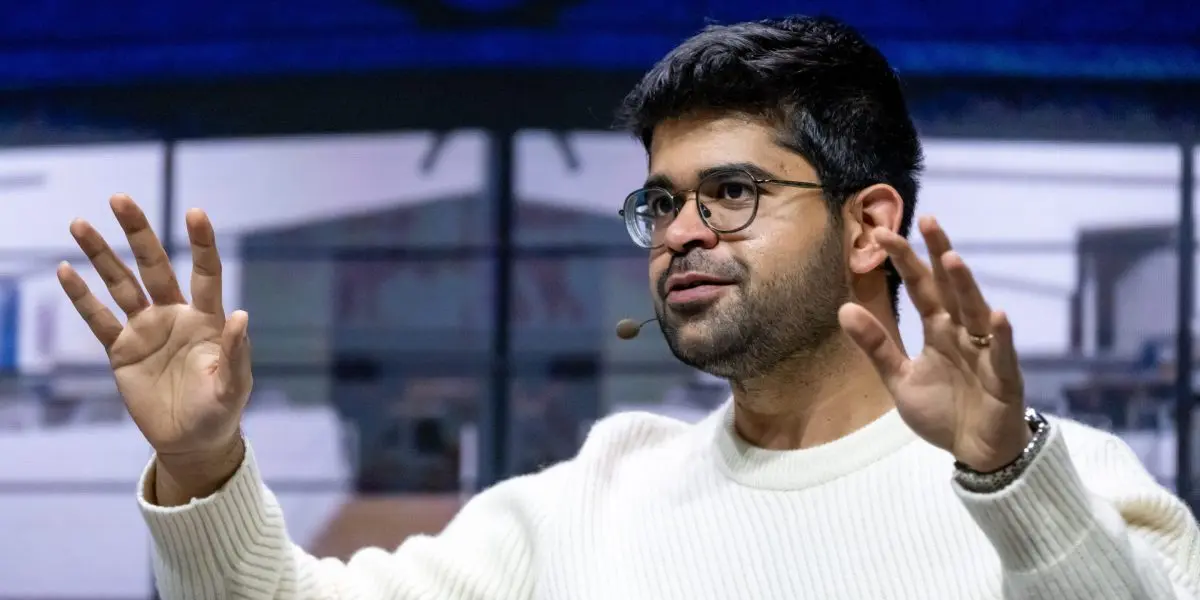
Aravind Srinivas, CEO of Perplexity AI, has ignited controversy by suggesting workers should embrace AI layoffs rather than fear them. Speaking on the All-In podcast during Nvidia's GTC event last week, Srinivas argued that AI-driven job displacement could liberate people from careers they never enjoyed in the first place
1
. "The reality is most people don't enjoy their jobs," he said, framing the disruption as a chance to explore AI-powered ventures and entrepreneurial opportunities2
. His comments come as more than 101,000 workers in the U.S. have lost their jobs to AI-linked workforce reductions since February 2025, according to data from the Alliance for Secure AI1
.
Source: Fortune
AI's Impact on the Future of Work Divides Tech Leaders
Srinivas's optimistic outlook contrasts sharply with warnings from other industry figures. ServiceNow CEO Bill McDermott has predicted unemployment could exceed 30% in coming years due to technology disruption
1
. Meanwhile, Block CEO Jack Dorsey recently cut 40% of his workforce—4,000 employees—stating that "intelligence tools have changed what it means to build and run a company"1
. Yet some economists argue the impact of AI on the job market has been overstated. Oxford Economics noted that companies don't appear to be replacing workers with AI on a significant scale and may be "AI washing" by blaming workforce reductions on the technology1
.From Job Displacement to One-Person Billion-Dollar Businesses
Srinivas envisions a future where AI tools make workers more nimble, eliminating the need for startups to raise substantial capital or hire large teams. "What we are going to try to do is help businesses run as autonomously as possible," he explained
1
. OpenAI CEO Sam Altman has long predicted AI would enable the first one-person billion-dollar businesses, though Srinivas noted this milestone hasn't been reached because no AI-powered venture has increased U.S. GDP by $1 billion1
. Evidence of this shift is already emerging. A Bank of America report found business applications with clear plans to hire employees fell 4.4% year-over-year in January, while "high propensity businesses" jumped more than 15%—suggesting new companies are launching without plans to onboard staff1
.
Source: Benzinga
Related Stories

Real-World Examples Show AI's Labor Market Impact
The potential for lean, AI-powered operations is already visible. Rudy Arora and Sarthak Dhawan created TurboAI, an AI-powered flashcard tool, with less than $300 while still in college. The company now serves 8.5 billion users and generates $1 million monthly with just 13 employees—a workforce that would have exceeded 100 people without AI tools
1
. Mark Cuban recently compared today's challenges to those during the rise of personal computers in the 1980s, warning that large companies might reduce jobs and urging workers to adopt technology quickly2
. Venture capitalist Bill Gurley offered a measured perspective, telling CNBC that the labor market has adapted to technology disruption before and will likely do so again1
. As AI continues reshaping work, the question remains whether displaced workers will find the entrepreneurial opportunities Srinivas describes or face prolonged economic hardship.References
Summarized by

Navi
Related Stories
Jack Dorsey cuts 4,000 jobs at Block, citing AI tools that 'can do more and do it better'
27 Feb 2026•Business and Economy

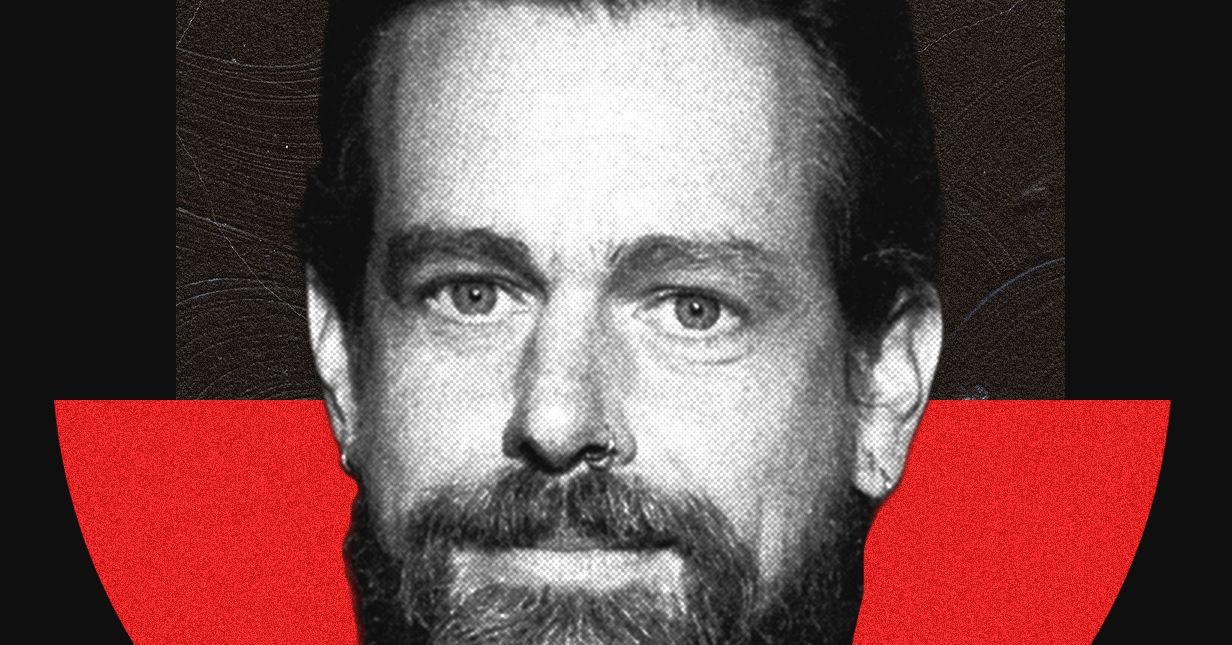
Block's 4,000-person layoff sparks debate: AI revolution or corporate cost-cutting in disguise?
05 Mar 2026•Business and Economy
AI Layoffs: Corporate Cost-Cutting Disguised as Technological Progress
07 Nov 2025•Business and Economy
Recent Highlights
1
OpenAI shuts down Sora video app after six months, ending Disney's $1 billion investment deal
Technology

2
AI-Generated Val Kilmer to Posthumously Appear in As Deep as the Grave After His Death
Entertainment and Society

3
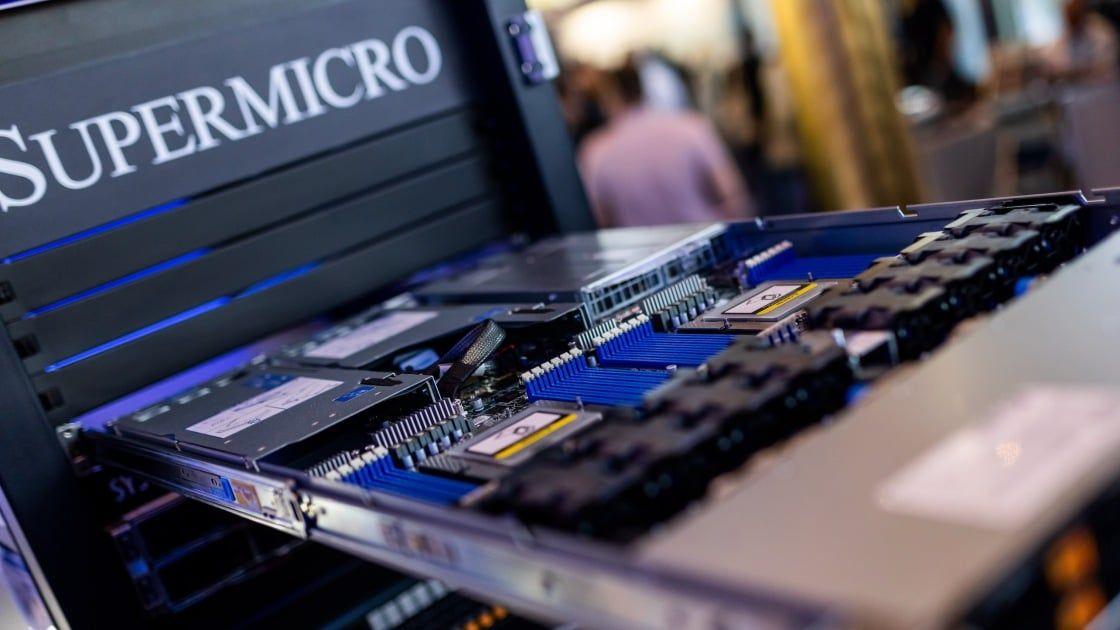
Supermicro Co-Founder Indicted in $2.5 Billion Nvidia AI Chip Smuggling Scheme to China
Policy and Regulation
Recent Highlights
Today's Top Stories



Your Daily Dose of Curated AI News
Don’t drown in AI news. We cut through the noise - filtering, ranking and summarizing the most important AI news, breakthroughs and research daily. Spend less time searching for the latest in AI and get straight to action.

