Raspberry Pi raises prices up to $25 as AI industry demand strains memory supply


3 Sources
3 Sources
[1]
Raspberry Pi raises prices, thanks to AI
Raspberry Pi is raising prices on many single-board computers, with increases going into effect immediately. The Raspberry Pi 4 and 5 modules are shooting up by $5 to $25, depending on the model and the included amount of RAM. The 16GB memory variants of the Compute Module 5 are going up by $20 and now start at $140. This is a bummer and we know who to thank. It's the ultimate memory hog of all time, the AI industry. "The current pressure on memory prices, driven by competition from the AI infrastructure roll-out, is painful but ultimately temporary," CEO Eben Upton wrote in a blog post. He also said that the company looks forward to "unwinding these price increases once it abates." Once a price shoots up it doesn't typically go down again, but we'll cross that bridge when we get to it. There is a spot of good news here. The company also announced a new 1GB variant of the Raspberry Pi 5 that costs just $45. This one includes a quad-core 2.4GHz Arm Cortex-A76 processor, dual-band Wi-Fi and a PCI Express slot. AI companies hoover up RAM like a vacuum over kitty litter and Raspberry Pi is just the latest organization to face consequences. The skyrocketing price of RAM has impacted businesses like CyberPower PC, which recently announced that there would be no holiday sales on memory products. Of course, AI companies also gobble up GPUs, which has placed a strain on the entire industry. But can you really put a price on an AI-created video of Pikachu getting cooked in a stew or a fake livestream? This is serious stuff that requires every iota of our water, electricity, attention and money.
[2]
RAM Costs Have Already Come for the Beloved Raspberry Pi
Sorry, Raspberry Pi fans, the RAM price debacle has now come to roost for the beloved brand that makes miniature computers. As is always the case with supply chain constraints, major global economic disruptions will inevitably hurt the smallest companies first. And, yet again, you can thank the ballooning demands of AI for the price hikes. The company, which makes low-cost single-board computers used in a variety of computer builds and hacks, is bumping up the cost of its Raspberry Pi 4 and 5. Raspberry Pi CEO Eben Upton says that the move is to offset “the recent unprecedented rise in the cost of LPDDR4 memory.†How much more each model costs depends on the size of each computer’s RAM. A 4GB Raspberry Pi 4 will cost $60, $5 more than before. An 8GB model will go up by $10, from $75 to $85. The top-end Raspberry Pi 5 with 16GB of LPDDR4 RAM will demand $145, up $25 from before the price hike. Upton said his company would start “unwinding†these new costs once the pressure on memory prices finally dissipates. When that could happen is anyone’s guess, but analysts have warned we may not see any relief until 2027 at the earliest. Digitimes reported, based on comments from memory maker TeamGroup, that the memory supply will only get worse going into 2026. The higher costs are in addition to price hikes of Raspberry Pi’s 4GB and 8GB compute modules. The company’s 16GB variant of its Compute Module 5 now starts at $140. Meanwhile, a new Raspberry Pi 5 with only 1GB of RAM will now cost $45, which may be good news for tinkerers constructing small-scale DIY projects. However, even something as small as a cyberdeckâ€"old-school, mobile computers meant to ape mid-80s cyberpunk designsâ€"will still want more RAM for the sake of today's internet browsers. Raspberry Pi is still small enough that price hikes could hurt sales. Major tech firms are building AI data centers all over the U.S. and across the world, and these centers are demanding huge amounts of high-bandwidth memory. DRAM (dynamic random access memory) makers are refocusing their production for AI data centers, which are willing to pay much more for these computing components than the consumer-focused brands. Major PC component makers, like TeamGroup and Corsair, have both made public statements that contract prices for DRAM and NAND (the major type of today’s flash storage) have doubled in recent months. That has led to RAM prices blowing through the roof. Some RAM prices have increased by 500%. CyberPowerPC, a major prebuilt PC maker, announced late last month it plans to adjust prices of all its desktop towers starting on Dec. 7. The PC maker added that SSD (solid state drive) storage prices have increased by 100%, but that “price increases will be temporary.†Nothing is off the table, and prices will get far worse before they get better, but we've only seen the start of the memory crunch. Expect GPUs, which rely on VRAM, and CPUs to also get more expensive. UK-based computer retailer Overclockers UK told PC Gamer the price of graphics cards may increase late in this year, but it will get worse in 2026. From the smallest to the high-end consumer-level computer, no price is safe.
[3]
Raspberry Pi just got up to $25 more expensive
Raspberry Pi has increased prices for several single-board computers, effective immediately, attributing the change to AI-driven demand. The price adjustments affect Raspberry Pi 4 and 5 modules, with increases ranging from $5 to $25, depending on the model and installed RAM. Specifically, 16GB memory variants of the Compute Module 5 will see a $20 increase, now starting at $140. CEO Eben Upton stated in a blog post, "The current pressure on memory prices, driven by competition from the AI infrastructure roll-out, is painful but ultimately temporary." He also expressed the company's anticipation of "unwinding these price increases once it abates." Concurrently, Raspberry Pi introduced a new 1GB variant of the Raspberry Pi 5 priced at $45. This model features a quad-core 2.4GHz Arm Cortex-A76 processor, dual-band Wi-Fi, and a PCI Express slot. The rising cost of RAM, influenced by AI industry demand, has affected other businesses. CyberPower PC, for example, previously announced no holiday sales on memory products due to these market conditions.
Share
Share
Copy Link
Raspberry Pi has implemented immediate price increases of $5 to $25 across its single-board computer lineup, citing unprecedented pressure on memory costs driven by AI infrastructure demands. The Raspberry Pi 4 and 5 modules face significant hikes, with 16GB Compute Module 5 variants now starting at $140. CEO Eben Upton attributes the changes to competition from AI data centers but promises to reverse increases once market conditions stabilize.
Raspberry Pi price increases take effect immediately
Raspberry Pi has announced immediate price increases across its popular single-board computers, with hikes ranging from $5 to $25 depending on the model and RAM configuration
1
. The Raspberry Pi 4 and Raspberry Pi 5 modules are the primary targets of these adjustments, marking a significant shift for the company known for delivering affordable computing solutions. A 4GB Raspberry Pi 4 will now cost $60, up $5 from its previous price, while an 8GB model jumps by $10, from $75 to $852
. The most substantial increase affects the top-end Raspberry Pi 5 with 16GB of LPDDR4 memory, which now demands $145, up $25 from its previous price point.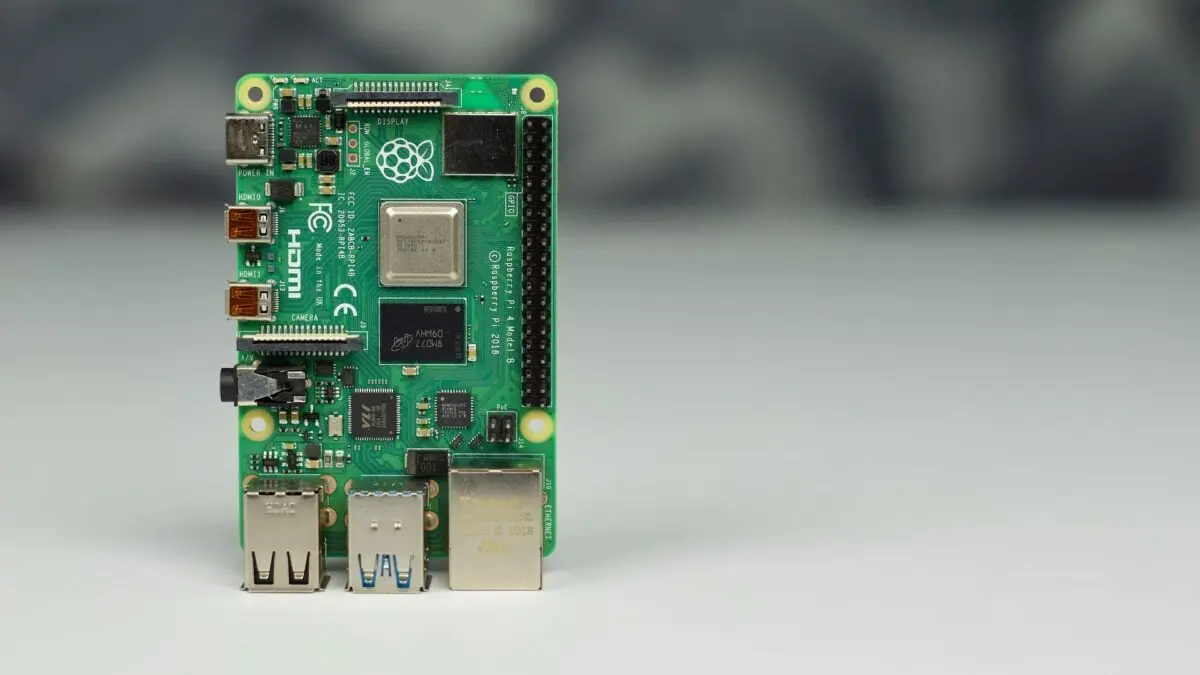
Source: Gizmodo
AI industry demand drives rising cost of memory
CEO Eben Upton directly attributes these price increases to the AI industry and its voracious appetite for memory components. "The current pressure on memory prices, driven by competition from the AI infrastructure rollout, is painful but ultimately temporary," Upton wrote in a company blog post
3
. The AI industry demand has created unprecedented strain on the memory market, as major tech firms construct data centers globally that require massive amounts of high-bandwidth memory. DRAM manufacturers are increasingly refocusing their production toward AI data centers, which are willing to pay significantly more for these computing components than consumer-focused brands2
. This shift has created a ripple effect throughout the entire supply chain, with some RAM prices increasing by 500% in recent months.Higher memory prices impact extends beyond Raspberry Pi
The rising cost of memory has affected numerous businesses beyond Raspberry Pi. CyberPower PC, a major prebuilt PC maker, announced late last month it plans to adjust prices of all its desktop towers starting on December 7, with no holiday sales on memory products due to market conditions
1
. Major PC component manufacturers like TeamGroup and Corsair have both issued public statements confirming that contract prices for DRAM and NAND have doubled in recent months2
. The 16GB memory variants of the Compute Module 5 have also seen a $20 increase, now starting at $1403
.Related Stories
New budget option offers alternative for builders
Amid the price increases, Raspberry Pi introduced a new 1GB variant of the Raspberry Pi 5 priced at $45, offering a more affordable entry point for certain projects
1
. This model includes a quad-core 2.4GHz Arm Cortex-A76 processor, dual-band Wi-Fi, and a PCI Express slot3
. However, the limited memory may prove challenging for many modern applications, as even small-scale projects like cyberdecks typically require more RAM to handle today's internet browsers effectively2
.Market outlook suggests prolonged pressure on component costs
While Upton expressed the company's hope to unwind these price increases once market pressure abates, analysts paint a less optimistic picture. Industry experts have warned that relief may not arrive until 2027 at the earliest, with Digitimes reporting that the memory supply situation will likely worsen going into 2026
2
. UK-based computer retailer Overclockers UK told PC Gamer that graphics card prices may increase late this year, with conditions expected to deteriorate further in 2026. The broader implications extend to GPUs, which rely on VRAM, and CPUs, both of which are expected to become more expensive as the AI infrastructure rollout continues to strain global supply chains.References
Summarized by

Navi
[1]
[3]
Related Stories
AI Demand Drives RAM Prices to Record Highs as Memory Shortage Threatens Device Market in 2026
23 Dec 2025•Business and Economy
AI Demand Triggers Component Shortage as Dell and Lenovo Plan 15% Price Increases for Servers
03 Dec 2025•Business and Economy

AI Demand Drives Memory Prices to Record Highs, Impacting Consumer Tech Market
31 Oct 2025•Business and Economy

Recent Highlights



Recent Highlights
Today's Top Stories








Your Daily Dose of Curated AI News
Don’t drown in AI news. We cut through the noise - filtering, ranking and summarizing the most important AI news, breakthroughs and research daily. Spend less time searching for the latest in AI and get straight to action.

