Sam Altman explored buying rocket startup to challenge SpaceX on space-based AI data centers


3 Sources
3 Sources
[1]
OpenAI CEO reportedly turned to a Seattle startup in quest to challenge SpaceX on the space data frontier
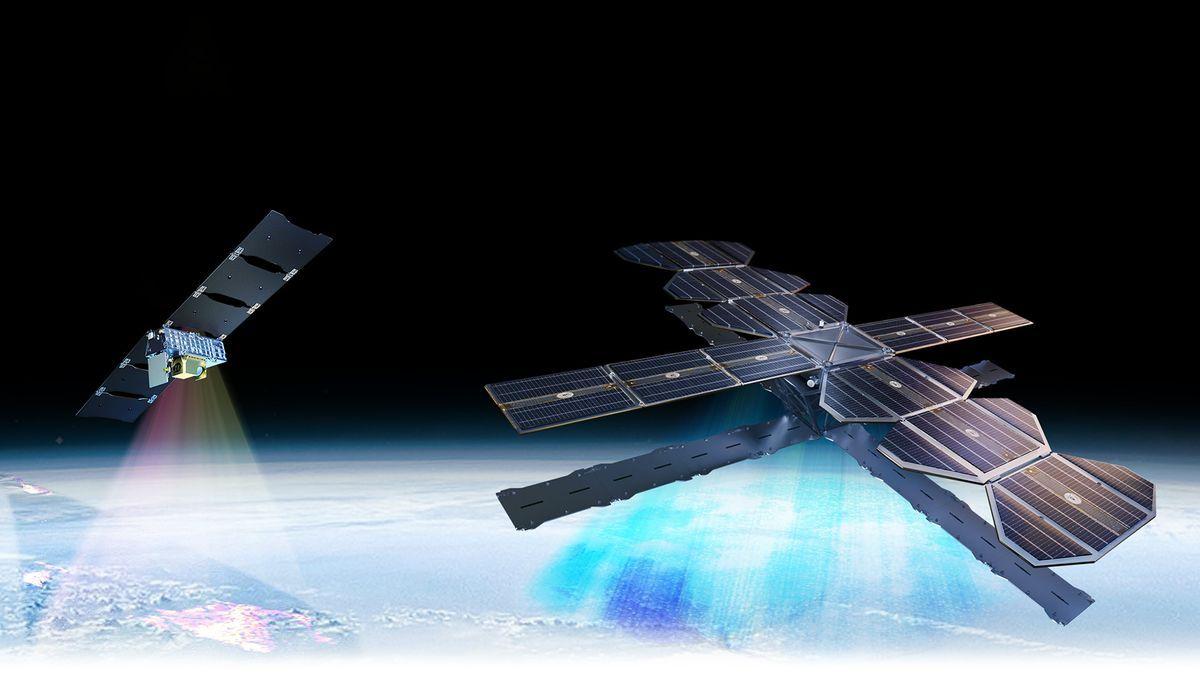
OpenAI CEO Sam Altman is thinking about expanding into the final frontier for data centers, and his efforts to follow through on that thought reportedly turned into talks with Stoke Space, a rocket startup headquartered just south of Seattle. Altman looked into putting together the funding to invest in Stoke Space, with an eye toward either forging a partnership or ending up with a controlling stake in the company, according to an account published by The Wall Street Journal. The discussions reportedly began this summer and picked up in the fall, but are said to be no longer active. Such a move would open up a new front in Altman's competition with SpaceX founder Elon Musk, who has talked about scaling up Starlink V3 satellites to serve as data centers for AI applications. "SpaceX will be doing this," Musk wrote in a post to his X social-media platform. Jeff Bezos, the founder of Amazon and the Blue Origin space venture, has voiced a similar interest in orbital data centers -- as has Google CEO Sundar Pichai. Google is partnering with Planet Labs on a space-based data processing effort known as Project Suncatcher. The tech world's appetite for data processing and storage is being driven by the rapidly growing resource requirements of artificial intelligence applications. Altman addressed the subject on Theo Von's "This Past Weekend" podcast in July. "I do guess that a lot of the world gets covered in data centers over time," Altman said. "But I don't know, because maybe we put them in space. Like, maybe we build a big Dyson sphere on the solar system and say, 'Hey, it actually makes no sense to put these on Earth.'" Citing unidentified sources, the Journal said Altman has been exploring the idea of investing in space ventures to follow through on that thought. Kent, Wash.-based Stoke Space, which is working on a fully reusable rocket called Nova, reportedly became a focus of Altman's interest. Nova is expected to have its first launch in 2026. Just this week, Celestis announced that Stoke Space would use Nova to send cremated remains and DNA samples into deep space for Celestis' "Infinite Flight" mission in late 2026. Much has changed on the AI frontier in recent weeks. OpenAI is facing a strong challenge from Google and its Gemini chatbot -- and this week, Altman ordered OpenAI to refocus urgently on upgrading ChatGPT, its flagship AI platform. Such down-to-earth market concerns may have been one of the factors putting Altman's space aspirations on hold. A spokesperson for Stoke Space said the company would not comment on the Journal's report. There's another Seattle-area space venture that may well offer the kind of play that Altman is looking for: Redmond, Wash.-based Starcloud is developing its own platform for AI data centers in space. Like Stoke Space, Starcloud went through the startup accelerator program at Y Combinator, which Altman ran for a time before he became OpenAI's CEO. Last month, Starcloud had its first test satellite launched into space with an Nvidia data-processing chip on board. The startup is already partnering with a Colorado-based company called Crusoe to offer limited GPU processing capacity in space by early 2027.
[2]
Sam Altman Wants His Own Rocket Company
The horrors of AI's environmental impact may extend beyond Earth as OpenAI CEO Sam Altman looks into launching data centers to space. Altman was reportedly considering investing billions into Stoke Space, a Seattle-based startup that's developing a reusable rocket, to gain a controlling stake in the company, according to The Wall Street Journal. The talks between Altman and Stoke took place over the summer and picked up in the fall. Although no deal has been made yet, Altman intended on either buying or partnering with a rocket company so that he would be able to deploy AI data centers to space. More than 5,000 AI data centers currently exist in the United States, a number that's expected to increase exponentially over time. These massive facilities are already putting a strain on the country's electricity grid, but it's only going to get worse from here. The electricity demand of AI data centers are projected to see a 50% increase by 2027, and as much as 165% by 2030, according to a report by Goldman Sachs. Companies such as OpenAI are pouring billions into building new high-capacity facilities to meet the growing demand of artificial intelligence, but even the executives behind big tech realize that there is a limit to how many data centers they can build on Earth. "I do guess a lot of the world gets covered in data centers over time," Altman said during a recent podcast interview, Wired reported. He did, however, offer an alternative solution. "Maybe we put [data centers] in space," he said. "I wish I had, like, more concrete answers for you, but like, we’re stumbling through this." By deploying data centers to space, Altman is envisioning the facilities feeding off of the Sun's energy through solar panels. Altman had also previously suggested building a Dyson sphere to harness energy from the Sun and feed the growing demand of AI data centers. It's clear that he is overly fixated on finding a solution to the growing data centers problem within the vastness of space. It's not clear whether OpenAI will reach a deal with Stoke Space, which is hoping to compete with SpaceX's Falcon 9 rocket with its own fully-reusable, medium-lift vehicle called Nova. Altman's investment in Stoke would also likely further fuel his feud with SpaceX's founder Elon Musk, which began over their disagreement on the future of OpenAI. By entering the business of space, Altman could just hit two birds with one stone.
[3]
Sam Altman quietly explored buying a rocket company to rival Elon Musk's SpaceX
Negotiations fell through as OpenAI shifted focus to improving ChatGPT and its next-gen model Garlic. OpenAI chief executive Sam Altman, who declared code red recently amid the increasing competition in the AI space, reportedly considered an unexpected expansion into the space industry earlier this year. The reports state that the company holded advanced discussions to either acquire or form a major partnership with rocket maker Stoke Space, according to a report in the Wall Street Journal that cites people familiar with the matter. The talks involved the possibility of Altman raising several billion dollars to secure a controlling stake. These negotiations ultimately ended without a deal. Stoke Space, a fast growing private aerospace company founded by former Blue Origin engineers. The startup is known for making fully reusable rockets and is seen by analysts as an emerging challenger to SpaceX, which currently dominates the commercial launch market. A successful partnership would have given Altman a direct entry into the space launch sector, an area that aligns with his interest in building orbital infrastructure for future artificial intelligence needs. Altman has spoken publicly about the idea of placing data centers in orbit to increase efficiency and reduce environmental pressure from the growing demand for AI computing. This interest in off-planet infrastructure has led him to back other early stage companies in the space sector. One of them is Longshot Space, a startup developing satellite deployment methods that do not rely on traditional rocket combustion technology. In the meantime, OpenAI is working on a new model called Garlic with an aim to compete with Google and Anthropic as the AI race intensifies. As per the reports citing the internal test data, the model offers strong performance, and an early release could arrive as GPT-5.2 or GPT-5.5.
Share
Share
Copy Link
OpenAI CEO Sam Altman held talks to invest billions in Stoke Space, a Seattle-based reusable rocket startup, with plans to deploy AI data centers in orbit. The discussions, which began in summer 2024 and intensified in fall, would have positioned Altman to rival Elon Musk's SpaceX in the space launch sector. Though negotiations ended without a deal, the move reflects growing interest in orbital infrastructure as AI computing needs surge.
Sam Altman Pursued Controlling Stake in Reusable Rocket Startup
OpenAI CEO Sam Altman explored raising several billion dollars to secure a controlling stake in Stoke Space, a Seattle-based reusable rocket startup founded by former Blue Origin engineers, according to reports from The Wall Street Journal
1
3
. The discussions, which began in summer 2024 and picked up momentum in the fall, centered on either forging a partnership or acquiring outright control of the company. Stoke Space is developing Nova, a fully reusable, medium-lift vehicle expected to launch in 2026, positioning itself as an emerging competitor in the commercial launch market1
. While the talks are no longer active, they signal Altman's ambitions to enter the space launch sector and challenge SpaceX dominance.
Source: GeekWire
Orbital Data Centers Target Escalating Data Requirements of AI
The push toward space-based AI data centers stems from the escalating data requirements of AI and mounting energy strain on Earth's infrastructure. More than 5,000 AI data centers currently operate in the United States, with electricity demand projected to increase 50% by 2027 and as much as 165% by 2030, according to Goldman Sachs
2
. Altman addressed these AI computing needs during a July podcast appearance, speculating that "a lot of the world gets covered in data centers over time" but suggesting orbital infrastructure as an alternative1
. Space-based facilities could harness solar energy through panels, reducing environmental pressure while meeting growing AI computing demands2
. This vision aligns with Altman's previous suggestion of building a Dyson sphere to capture the Sun's energy for powering AI data centers.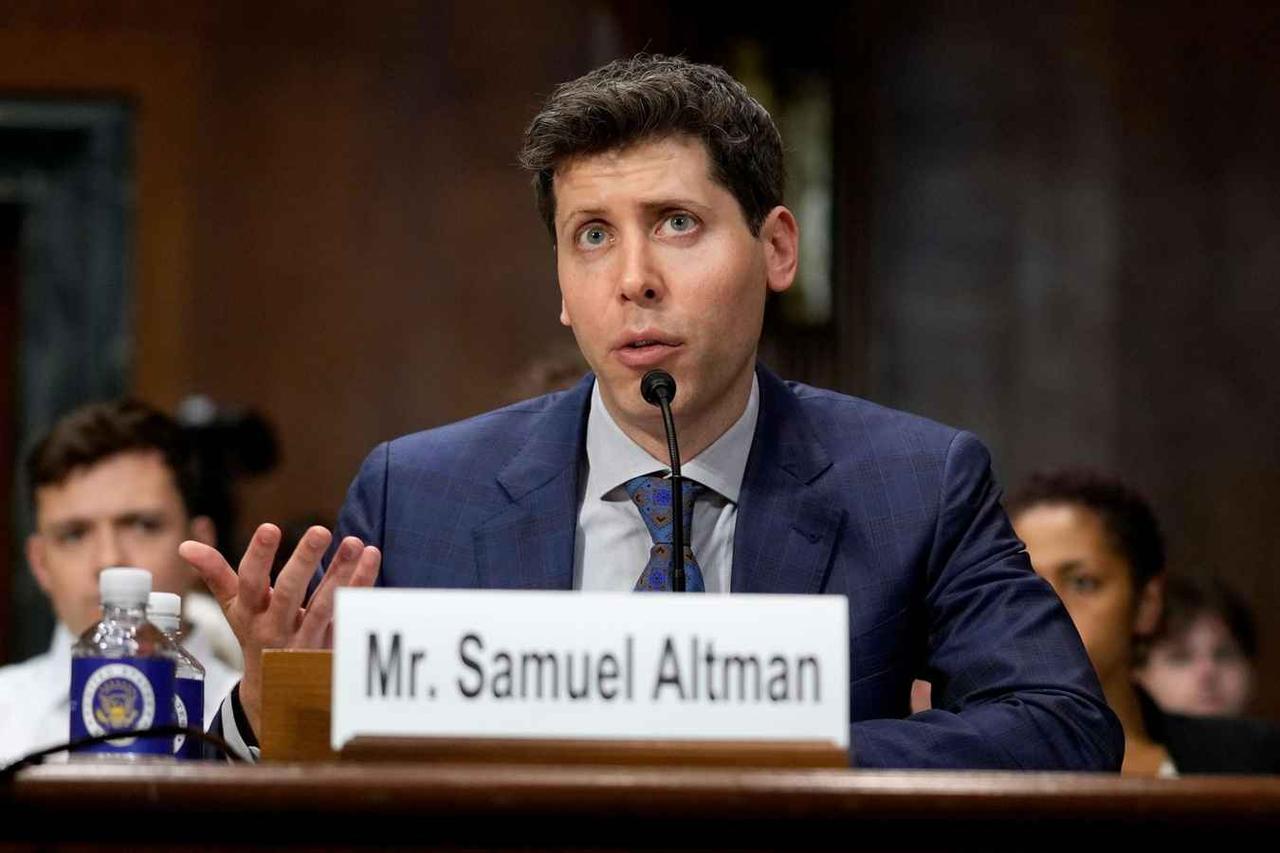
Source: Digit
Move Would Rival Elon Musk Across Multiple Fronts
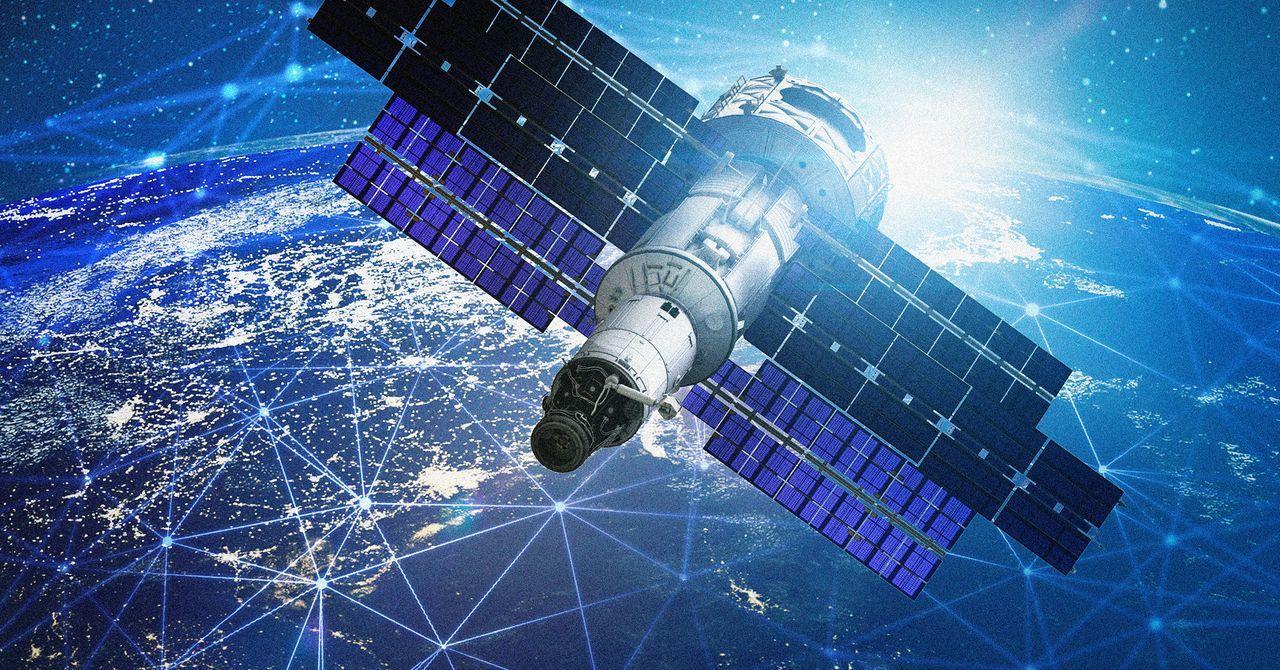
Altman's investment in Stoke Space would have opened a new competitive front with Elon Musk, who has already announced plans to scale up Starlink V3 satellites as orbital data centers for AI applications
1
. "SpaceX will be doing this," Musk wrote on his X social media platform. The rivalry between Altman and Musk began over disagreements about OpenAI's future direction, and entering the space frontier could intensify their feud2
. Beyond Musk, other tech leaders have expressed interest in orbital data centers, including Amazon founder Jeff Bezos through Blue Origin and Google CEO Sundar Pichai, who is partnering with Planet Labs on Project Suncatcher, a space-based data processing effort1
.Related Stories
OpenAI Refocuses on ChatGPT as Space Talks Stall
The negotiations with Stoke Space ultimately ended without a deal as OpenAI shifted priorities to address immediate competitive pressures
3
. OpenAI faces strong challenges from Google's Gemini chatbot, prompting Altman to order an urgent refocus on upgrading ChatGPT this week1
. The company is developing a new model called Garlic, which could launch as GPT-5.2 or GPT-5.5, to compete with Google and Anthropic . These down-to-earth market concerns may have contributed to putting Altman's space ventures on hold.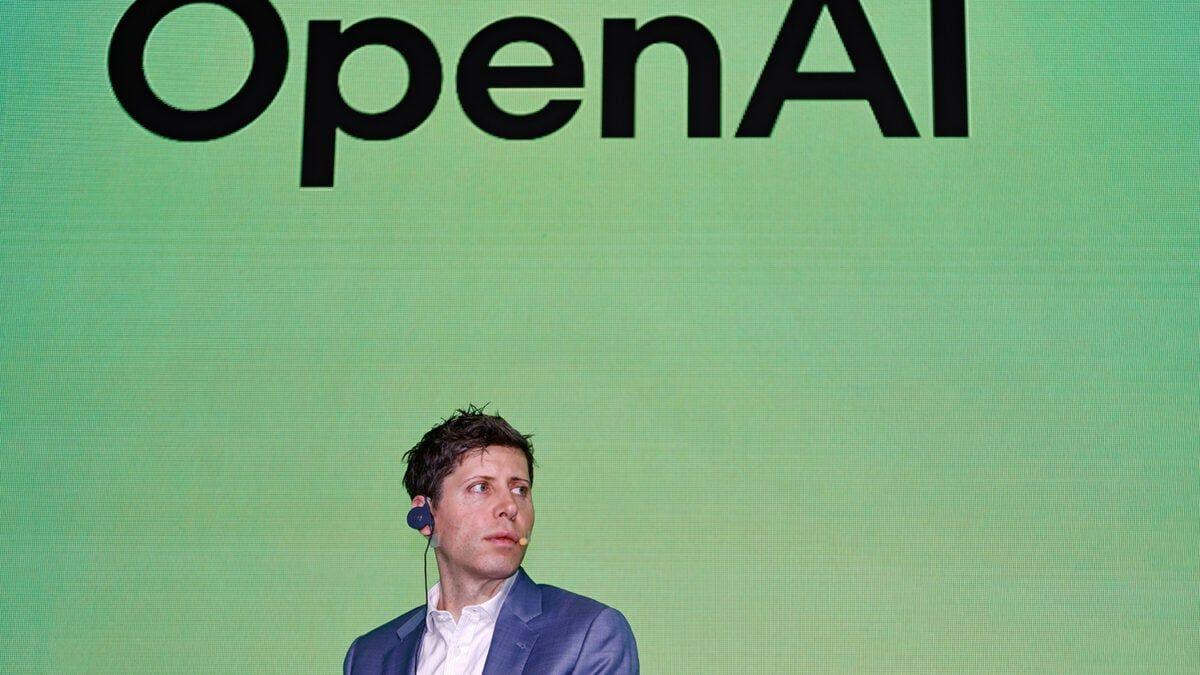
Source: Gizmodo
Alternative Space Ventures Emerge for AI Computing
While Stoke Space discussions ended, other space ventures offer potential pathways for deploying AI data centers. Redmond, Washington-based Starcloud is developing its own platform for orbital infrastructure and launched its first test satellite with an Nvidia data-processing chip in December
1
. Starcloud, which like Stoke Space went through Y Combinator's accelerator program that Altman once ran, is partnering with Colorado-based Crusoe to offer limited GPU processing capacity in space by early 20271
. Altman has also backed Longshot Space, a startup developing satellite deployment methods that don't rely on traditional rocket combustion technology3
. As AI computing demands continue accelerating, watch for renewed interest in space-based solutions from major tech players seeking to overcome Earth's infrastructure limitations.References
Summarized by

Navi
[1]
[2]
Related Stories
Sam Altman dismisses Elon Musk's orbital data centers as impractical for this decade
19 Feb 2026•Technology
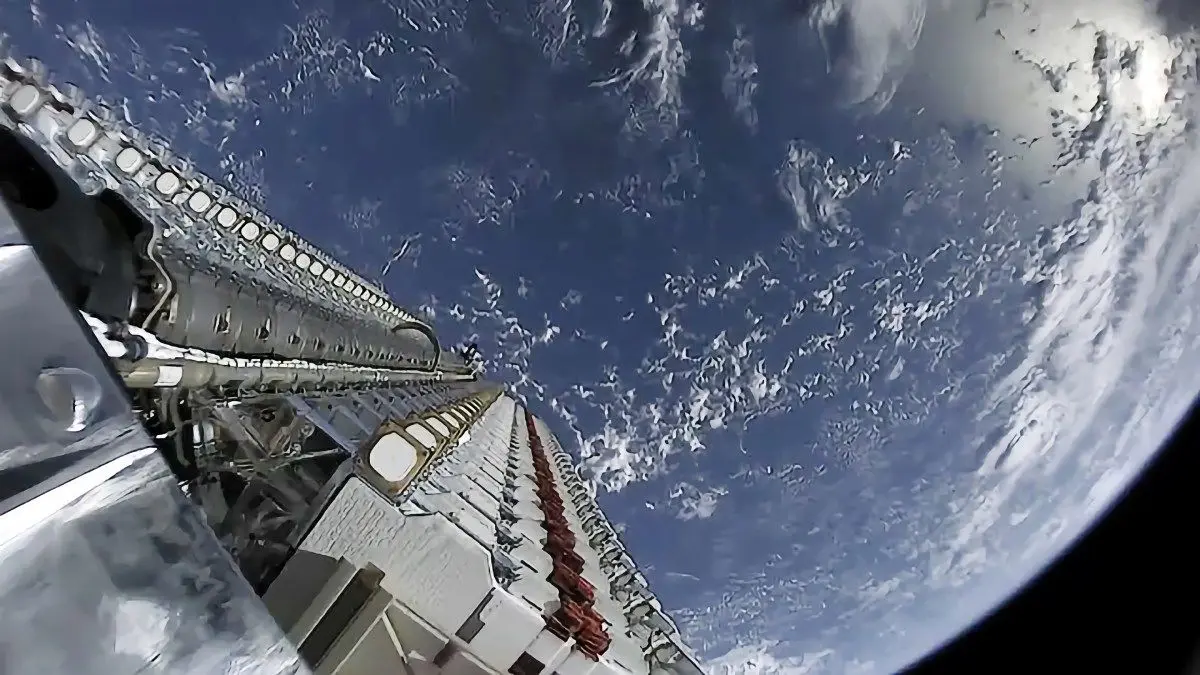
SpaceX acquires xAI as Elon Musk bets big on 1 million satellite constellation for orbital AI
29 Jan 2026•Technology
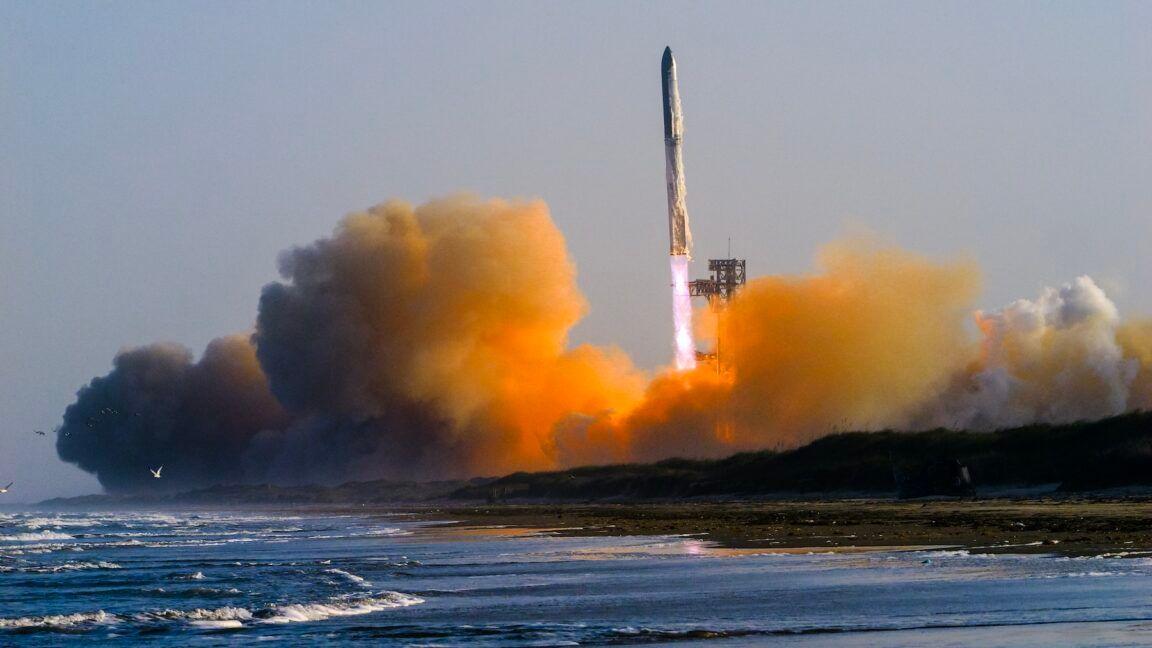
SpaceX pushes AI data centers into orbit as Musk predicts space will beat Earth in 36 months
06 Feb 2026•Technology
Recent Highlights
1
Anthropic's Claude AI can now control your computer to complete tasks autonomously
Technology

2
Nvidia's Jensen Huang calls OpenClaw the next ChatGPT, sending Chinese AI stocks soaring
Technology

3
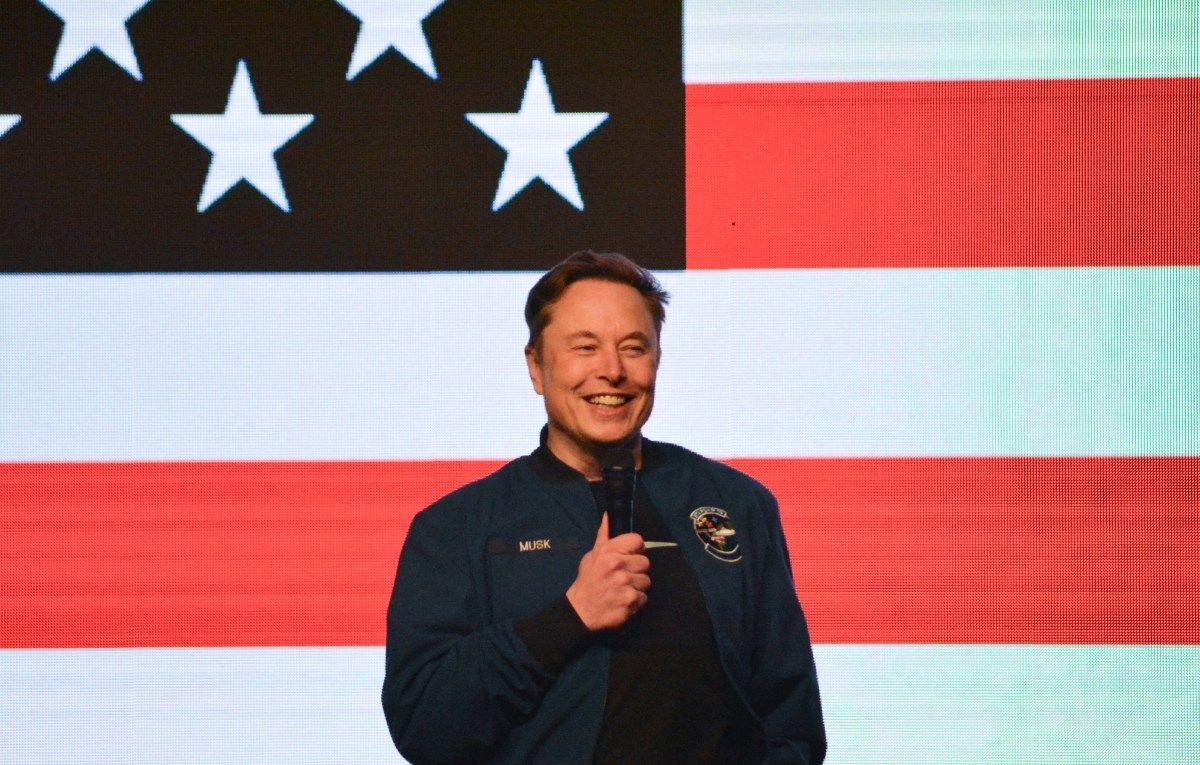
Elon Musk unveils $20 billion Terafab chip manufacturing project to produce terawatt of computing
Technology
Recent Highlights
Today's Top Stories







Your Daily Dose of Curated AI News
Don’t drown in AI news. We cut through the noise - filtering, ranking and summarizing the most important AI news, breakthroughs and research daily. Spend less time searching for the latest in AI and get straight to action.

