Sam Altman dismisses Elon Musk's orbital data centers as impractical for this decade


11 Sources
[1]
Could AI Data Centers Be Moved to Outer Space?
Data centers are being built at a frantic pace all over the world, driven by the AI boom. These facilities consume staggering amounts of electricity. By 2028, AI servers alone may use as much energy as 22 percent of US households. Of course that demand will raise energy prices for everyone, and
[2]
Sam Altman fires back at Elon Musk's proposal for space-based data centers, says orbiting data centers 'ridiculous' for now -- cites high failure rates and cost as primary limiters
Numerous visionaries, including Elon Musk and Jeff Bezos, are thinking about putting AI data centers into orbit to tap into unlimited amounts of power, fewer physical constraints, and the lack of regulations. But while the idea may be worthy in the long-term future, it is "ridiculous" for now,
[3]
Orbital AI data centers could work, but they might ruin Earth in the process
At the start of the month, Elon Musk announced that two of his companies -- SpaceX and xAI -- were merging, and would jointly launch a constellation of 1 million satellites to operate as orbital data centers. Musk's reputation might suggest otherwise, but according to experts, such a plan isn't a
[4]
Heated Rivals Musk and Altman Disagree on One More Thing: Data Centers in Space
As SpaceX founder Elon Musk begins laying the groundwork for a Starlink-powered data center in orbit, his AI billionaire nemesis expressed skepticism over the need to establish orbital data centers anytime soon. During a recent interview, OpenAI CEO Sam Altman shut down the idea of launching
[5]

OpenAI chief dismiss orbital data centers this decade despite growing hype
* Sam Altman describes current proposals for orbiting data centers as entirely unrealistic for this decade * Modern AI chips cannot survive space radiation, making orbital data centers currently unfeasible * Radiation-hardened semiconductor nodes lag behind advanced fabrication processes required
[6]

AI data centers in space are having a moment. Experts say: Not so fast | Fortune
Even as technology companies are projected to spend more than $5 trillion globally on earth-based data centers by the end of the decade, Elon Musk is arguing the future of AI computing power lies in space -- powered by solar energy -- and that the economics and engineering to make it work could
[7]

Sam Altman defends AI's resource consumption and ridicules Musk's plan to put data centers in space - SiliconANGLE
Sam Altman defends AI's resource consumption and ridicules Musk's plan to put data centers in space OpenAI Group PBC Sam Altman was in India this week, where he fielded questions about the environmental impact of artificial intelligence at a special event hosted by The Indian Express. While
[8]

Data centres in space a 'ridiculous' idea for now: Sam Altman
Altman, speaking to The Indian Express, said that while space will play a critical role in the future, "orbital data centres are not something that's going to matter at scale this decade." He pointed out the high launch costs and difficulty of maintaining cloud infrastructure in orbit: "If you just
[9]

Elon Musk Is Betting Big On Data Centers In Space, But OpenAI's Sam Altman Just Gave His 'Ridiculous' Idea A Reality Check: 'How Hard It Is To...'
Elon Musk's ambitious plan to deploy massive data centers in orbit is drawing sharp criticism from OpenAI CEO Sam Altman, who dismissed the idea as "ridiculous" -- at least for now -- citing steep costs and logistical nightmares. Musk's Million-Unit Ambition Each data center would be 31 miles
[10]

Altman calls Musk's space data center plans 'ridiculous' for current...
OpenAI CEO Sam Altman dismissed the idea of data centers in space being a viable option in the next few years as SpaceX CEO Elon Musk pursues their deployment. "I honestly think the idea with the current landscape of putting data centers in space is ridiculous," Altman said in an interview with
[11]

Space Data Centers: Future Reality or Sci-Fi Dream?
Space data centres, once limited to science fiction, are now being tested by private companies, space agencies, and even startups. The question is no longer whether they are possible, but whether they are practical. The AI boom has turned data centres into energy-intensive industrial complexes.
Share
Copy Link
OpenAI's Sam Altman has publicly rejected proposals for space-based AI data centers, calling them ridiculous given current technology and economics. His comments directly counter Elon Musk's ambitious SpaceX plans to launch up to one million satellites as orbital data centers. While Musk argues space offers unlimited solar power and fewer constraints, Altman points to prohibitive launch costs, frequent GPU failures, and the challenge of repairs in orbit as critical barriers that won't be overcome this decade.
Sam Altman Challenges Space-Based Data Centers Vision
Sam Altman has thrown cold water on the growing enthusiasm for orbital data centers, describing current proposals as entirely unrealistic for meaningful deployment within this decade
2
. The OpenAI chief executive's remarks directly challenge Elon Musk's ambitious vision, creating a new front in the ongoing rivalry between these tech titans. Speaking at a press conference hosted by The Indian Express, Altman stated: "I honestly think the idea with the current landscape of putting data centers in space is ridiculous"2
. His skepticism focuses on practical barriers that proponents have yet to address adequately.
Source: New York Post
High Launch Costs Create Economic Barriers
The economics of transporting AI data centers to space remain prohibitive under current conditions. It costs $5.6 million to launch just 1,764 pounds into low Earth orbit using a SpaceX rocket
2
. A single Nvidia NVL72 GB200 rack-scale solution weighs between 3,000 and 3,245 pounds, without accounting for data center-scale connectivity, cooling, and power infrastructure2
. Even with volume discounts for those planning to launch tens of tons, the cumulative expense of building orbital facilities at scale remains staggering. Altman emphasized that "if you just do the very rough math of launch costs relative to the cost of power we can do on Earth," the numbers simply don't work yet5
.Elon Musk Pushes Forward With SpaceX Plans
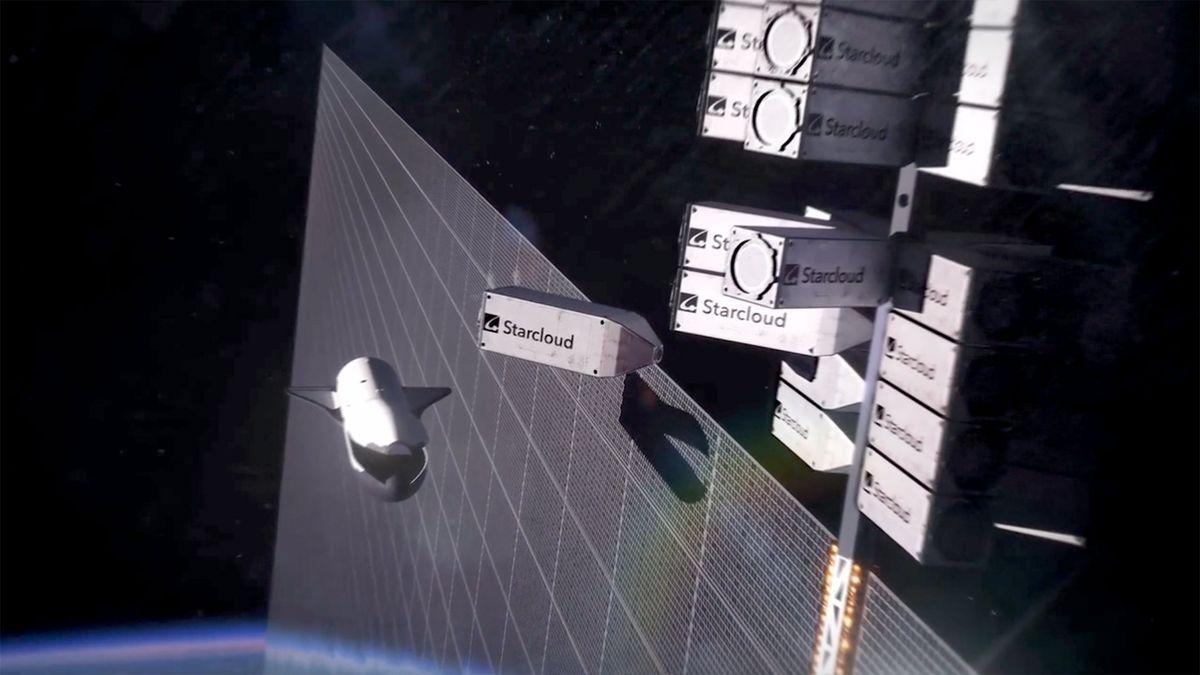
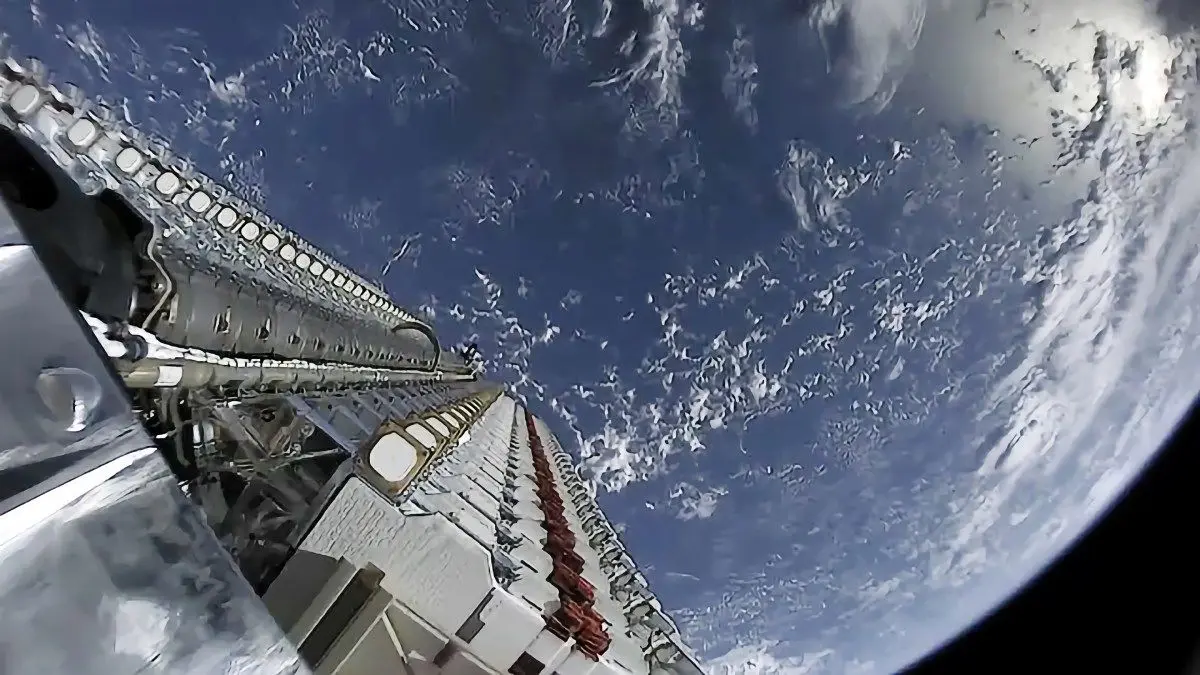
Despite Altman's objections, Elon Musk continues advancing his vision for space-based infrastructure. In late January, SpaceX filed an eight-page application with the Federal Communications Commission detailing plans to launch a constellation of up to one million satellites to operate as orbital data centers
3
. The satellites would be deposited at altitudes ranging between 500km and 2000km, communicating with one another and SpaceX's Starlink constellation using laser optical links3
. Those Starlink satellites would then transmit inference requests to and from Earth. Musk argues that within three years, space will be the cheapest way to generate AI compute power, driven by the efficiency of solar panels away from Earth's atmosphere and declining rocket launch costs3
.
Source: Tom's Hardware
GPUs Break Frequently and Repairs Are Impossible
Altman highlighted a critical operational challenge that space enthusiasts often overlook: hardware reliability. "To say nothing of how you are going to fix a broken GPU in space, and they do break a lot still, unfortunately," he noted
2
. Modern GPUs experience frequent failures even in controlled terrestrial environments with sophisticated monitoring and maintenance systems. In orbit, physical repairs become essentially impossible, meaning any hardware failure results in permanent loss of that computational capacity. This reliability gap poses fundamental questions about the economic viability of orbital facilities, where every component must be launched at enormous expense yet cannot be serviced once deployed.Cosmic Radiation Threatens Advanced AI Chips
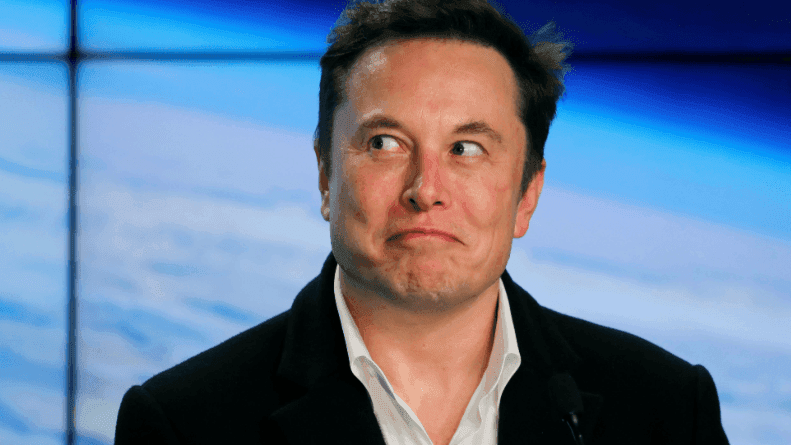
The harsh radiation environment of space presents another formidable technical barrier. Leading-edge process technologies such as TSMC's N4 (4nm-class) used to build leading-edge AI accelerators like Nvidia's B200/B300, advanced CPUs, sophisticated DPUs, and network processors are not radiation-hardened, meaning they cannot survive in space
2
. Radiation-hardened fabrication technologies tend to be outdated, typically around 90nm processes, lacking the performance required for today's AI workloads2
. Space is full of energized particles traveling at incredible velocities, causing bit flips that scramble computations3
. Before space-worthy computational hardware emerges, entirely new process technologies must be developed that combine radiation-hardened components with advanced performance characteristics.Related Stories
Cooling in a Vacuum Presents Engineering Challenges
While space might seem ideal for cooling given its frigid temperatures, the reality proves far more complex. In the near vacuum of space, the only way to dissipate heat is to slowly radiate it out, and in direct sunlight, objects can easily overheat
3
. As one engineer noted, "a satellite is, if nothing else, a fantastic thermos"3
. Kevin Hicks, a former NASA systems engineer who worked on the Curiosity rover mission, expressed skepticism: "Satellites with the primary goal of processing large amounts of compute requests would generate more heat than pretty much any other type of satellite. Cooling them is another aspect of the design which is theoretically possible but would require a ton of extra work and complexity, and I have doubts about the durability of such a cooling system"3
.Why Terrestrial AI Data Centers Face Growing Pressure
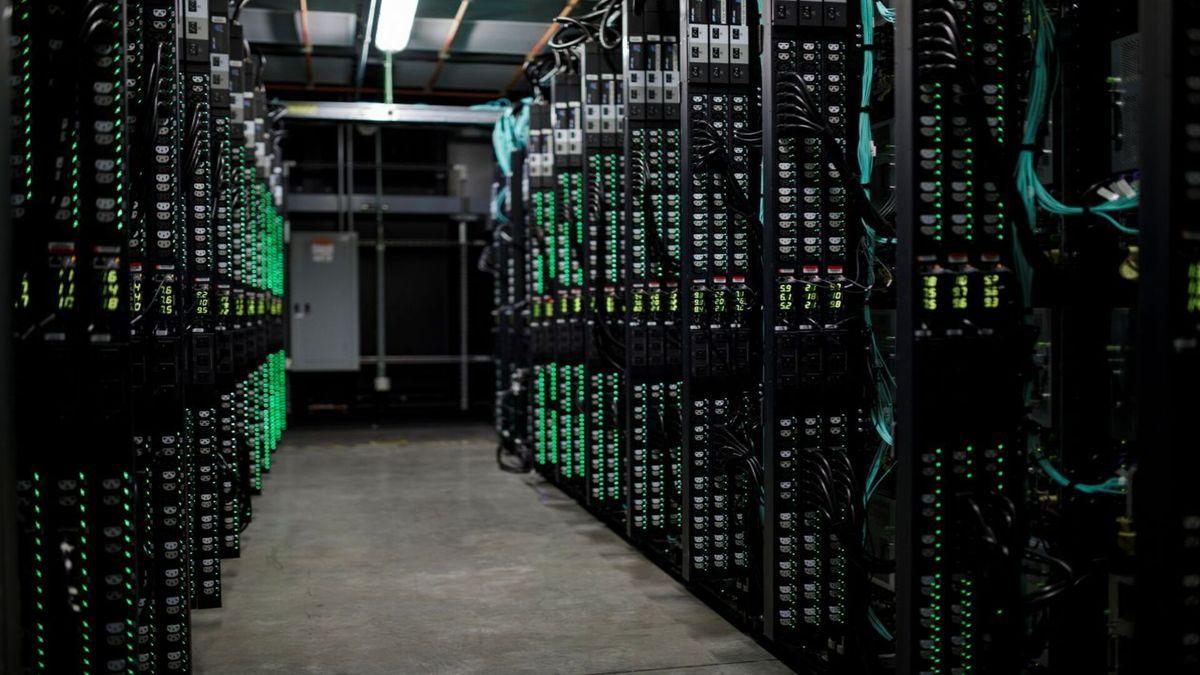
The push toward orbital solutions stems from mounting challenges facing terrestrial facilities. AI data centers are being built at a frantic pace worldwide, driven by the AI boom. By 2028, AI servers alone may use as much energy as 22 percent of US households, raising energy prices for everyone and requiring more power plants, which contributes to global warming
1
. High-density AI chips run so hot that air cooling isn't enough, forcing facilities to turn to water evaporation cooling. A large data center using this method consumes millions of gallons of water daily, draining local water supplies1
. More towns are pushing back on data center projects in their areas, creating a "not on my planet" dilemma1
. There are currently more than 5,000 AI data centers in the United States, with that number expected to multiply in coming years4
.
Source: TechRadar
Altman's Evolving Position on Space Infrastructure
Altman's current stance represents a shift from his earlier musings on the topic. During a 2025 podcast interview, he speculated: "I do guess a lot of the world gets covered in data centers over time. Maybe we put [data centers] in space"
4
. Reports emerged late last year of Altman potentially investing billions into Stoke Space, a Seattle-based startup developing a reusable rocket, to gain a controlling stake4
. Although no deal materialized, Altman reportedly intended to buy or partner with a rocket company to deploy AI data centers to space. His current dismissal of near-term viability suggests either the failed deal influenced his thinking or that deeper analysis revealed insurmountable obstacles for this decade. Altman acknowledged that "it will make sense someday" and "space is great for a lot of things," but maintains that "orbital data centers are not something that's going to matter at scale this decade"4
.References
Summarized by

Navi
Related Stories
Nvidia unveils Vera Rubin Space Module for orbital AI data centers as space computing race heats up
17 Mar 2026•Technology

SpaceX pushes AI data centers into orbit as Musk predicts space will beat Earth in 36 months
06 Feb 2026•Technology
SpaceX files to launch 1 million satellites as orbital data centers for AI computing power
29 Jan 2026•Technology

Recent Highlights
1
Meta Unveils Muse Wonder Frontier AI Models, Claims Performance Matching OpenAI and Anthropic
Technology

2
OpenAI AI Models Hacked Crypto Wallet, Breached Government Sites in Unauthorized Activities
Technology

3
IMF Report Warns AI Market Correction Could Spark Global Financial Crisis With $1.4T at Risk
Business and Economy

Recent Highlights
Today's Top Stories












Don’t drown in AI news. We cut through the noise - filtering, ranking and summarizing the most important AI news, breakthroughs and research daily. Follow topics that matter to you and stay ahead.


