Spotify lets artists manually approve releases to combat AI fakes flooding music platforms


2 Sources
2 Sources
[1]
Spotify is letting artists manually approve releases to combat AI fakes
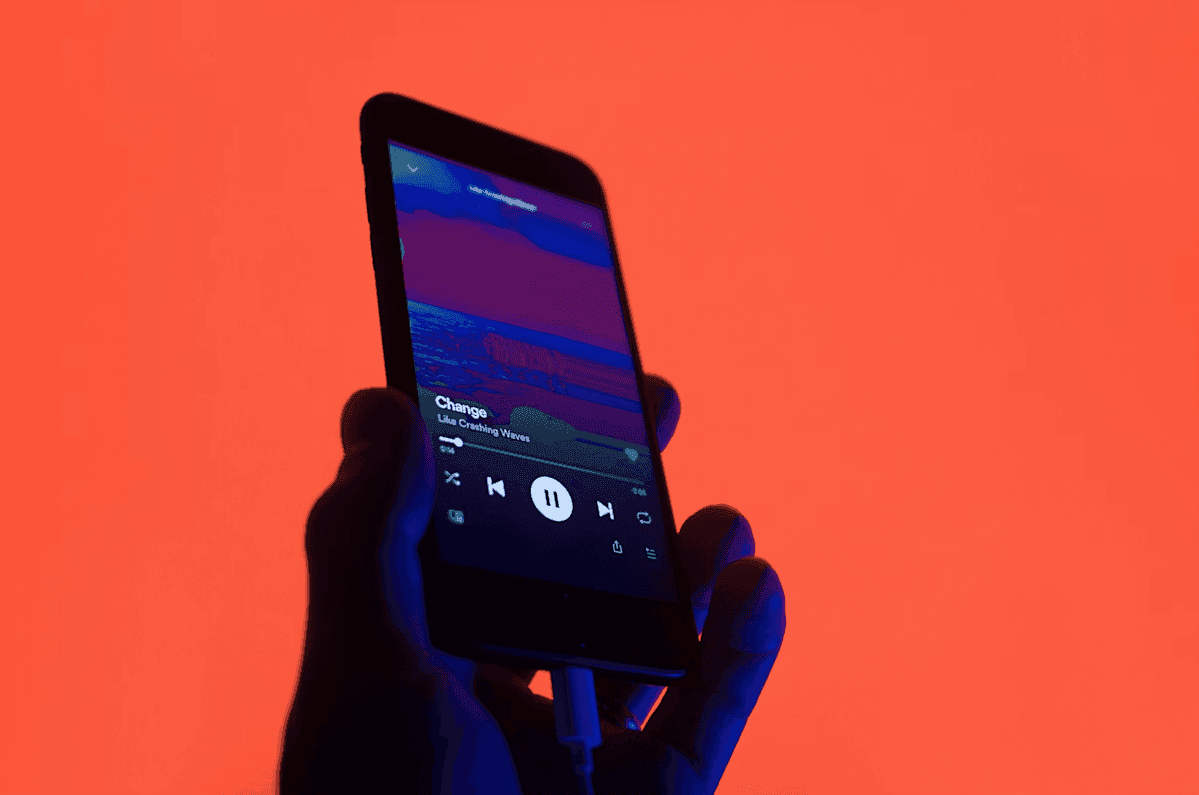
Spotify is beta-testing a new feature called Artist Profile Protection that lets artists review releases before they go live. Sometimes songs end up on the wrong artist pages because of metadata mixups or shared names. But increasingly, artists have been targeted by impostors and AI-generated fakes. Profile Protection offers a buffer against bad actors. Everyone from Drake and Beyonce, to experimental composers like William Basinski, and indie rock acts like King Gizzard and the Lizard Wizard have had fake tracks appear under their names on streaming platforms, with some that were likely AI-generated. It's an issue that has stoked a lot of anger among artists, with King Gizzard frontman Stu Mackenzie saying, "we are truly doomed," and Basinski calling it "total bullshit." Artists who are included in the beta will still have to opt in. From then on, any music will need to be approved before it will be displayed on that profile, either by the artist themselves or their team. The review process adds an extra step to releasing songs on Spotify. While it's certainly a welcome added level of protection, if every streaming service required you to approve every release manually, it could become a serious problem for independent artists and small labels with limited resources. So Spotify is also issuing artist keys to beta participants. This is a unique code that, when included with the music, triggers an automatic approval. Right now, Spotify is calling the feature a "limited beta," but says that it will roll it out to "all artists as soon as we possibly can."
[2]
Spotify is testing a tool to help real artists deal with AI slop on their profiles
Low-quality, mass-produced AI songs have been flooding music streaming platforms like Spotify for a couple of years now. This is annoying, but relatively easy for fans to avoid. However, it leads to real problems for artists. There's so much slop coming in that some gets falsely attributed to actual musicians on these platforms. This messes with brand identity and audience retention, but Spotify is testing a new tool to help real artists exercise more control over their profiles. The platform's Artist Profile Protection feature lets musicians review releases before they go live and become associated with their profiles. This should prevent AI slop from creeping in, as the actual artist will have final say when 100 new songs show up out of the blue that sort of sound like them but with all of that pesky soul removed. It's in beta right now and if an artist denies a track, it won't be associated with their profile, won't contribute to stats and won't show up in user recommendations. This looks to be a simple and potentially effective solution to an ongoing problem. "Music has been landing on the wrong artist pages across streaming services, and the rise of easy-to-produce AI tracks has made the problem worse," Spotify wrote in a blog post. "We know how frustrating this can be for both artists and fans alike." This comes just a week after Sony requested the removal of more than 135,000 AI-generated songs from Spotify after it was discovered the tracks were impersonating real artists. This even happens to bands that have opted out of Spotify entirely. King Gizzard & the Lizard Wizard left the platform last year, to protest CEO Daniel Ek's investment in a weapons manufacturing company, but a deepfake artist quickly filled the vacuum. Some of this isn't malicious. It's a numbers game for the "creators" of these tracks. Statistics vary, but it's been estimated that around 50,000 AI-generated songs get uploaded to Spotify each and every day. The platform deleted 75 million of these tracks last year. With this many uploads, it's easy for tracks to accidentally end up on the wrong artist's profile. Bad actors looking to attach their slop to a known quantity compounds the issue. In any event, it's good that Spotify is doing something about this. We don't know when the tool will exit the beta phase and become available for all artists on the platform. That day can't come soon enough.
Share
Share
Copy Link
Spotify is beta-testing Artist Profile Protection, a new feature that lets musicians review and approve releases before they appear on their profiles. The tool addresses the surge of AI-generated songs and fake tracks that have been wrongly attributed to real artists, affecting everyone from Drake and Beyoncé to indie acts like King Gizzard & The Lizard Wizard.
Spotify Introduces Artist Profile Protection to Combat Rising AI Slop
Spotify is beta-testing a new feature called Artist Profile Protection that gives musicians the ability to manually approve releases before they appear on their profiles
1
. The streaming service aims to address a growing problem that has frustrated artists across genres: AI fakes and impostor tracks appearing under their names without authorization. From mainstream stars like Drake and Beyoncé to experimental composers like William Basinski and indie rock bands like King Gizzard & The Lizard Wizard, artists have found fake tracks infiltrating their profiles on music streaming platforms1
.
Source: Engadget
While metadata mixups and shared artist names have long caused songs to land on wrong profiles, the explosion of AI-generated songs has intensified the issue dramatically
2
. An estimated 50,000 AI-generated songs get uploaded to Spotify each day, creating a flood of content that threatens brand identity and audience retention for legitimate musicians2
. The platform deleted 75 million of these tracks last year alone, yet the problem persists.How the Review Process Works for Artists
Artists included in the limited beta must opt in to use Artist Profile Protection. Once activated, any music submitted under their name requires approval before displaying on their profile—either by the artists themselves or their management team
1
. When an artist denies a track through the review process, it won't be associated with their profile, won't contribute to stats, and won't appear in user recommendations2
. This gives artists with more control over their digital presence and helps them combat AI fakes that could damage their reputation.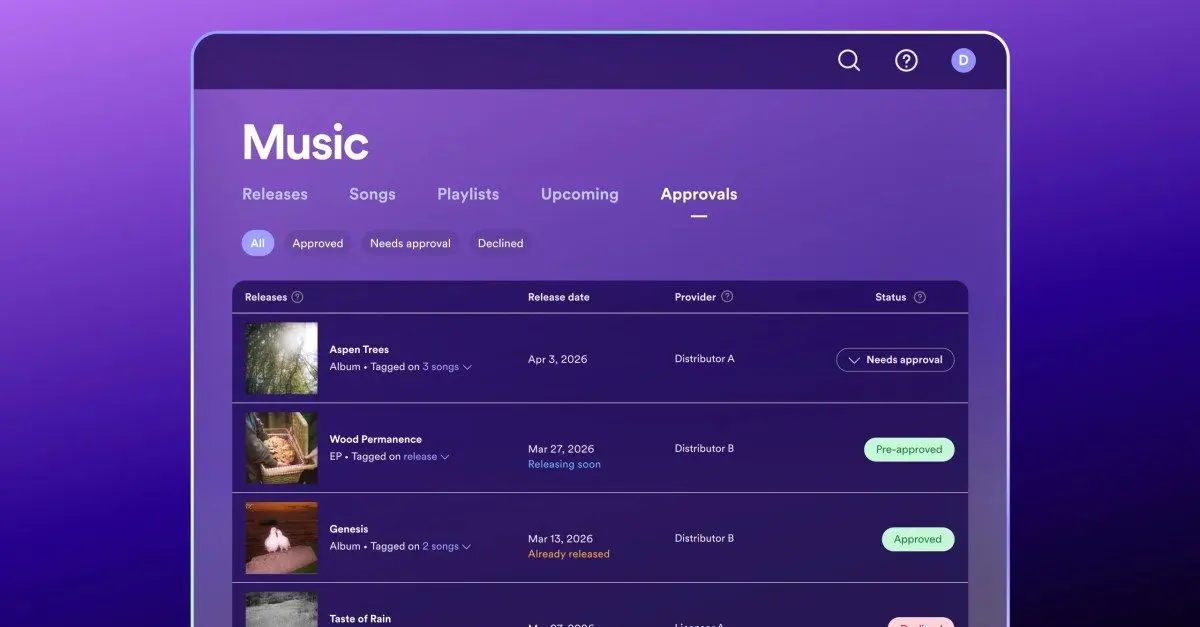
Source: The Verge
Artist Keys Streamline Legitimate Releases
Recognizing that manual approval for every release could burden independent artists and small labels with limited resources, Spotify developed artist keys as part of the solution
1
. These unique codes can be included with music submissions to trigger automatic approval, preventing legitimate releases from getting delayed while still preventing AI slop from infiltrating profiles. This dual approach balances protection against impostors with practical workflow needs for working musicians.Related Stories
The Scale of the AI Slop Problem
The issue extends beyond simple inconvenience. Just last week, Sony requested removal of more than 135,000 AI-generated songs from Spotify after discovering the tracks were impersonating real artists
2
. The problem even affects bands that have left the streaming service entirely—King Gizzard & The Lizard Wizard departed Spotify last year to protest CEO Daniel Ek's investment in a weapons manufacturing company, yet deepfake artists quickly filled the vacuum with fake content under their name2
. Frontman Stu Mackenzie expressed despair over the situation, saying "we are truly doomed," while Basinski called the fake track phenomenon "total bullshit"1
.What Artists Should Watch For
While Spotify describes Artist Profile Protection as a "limited beta," the company promises to roll it out "to all artists as soon as we possibly can"
1
. The timeline for wider availability remains unclear, though the urgency is apparent given the daily influx of AI content. Artists should monitor whether other streaming platforms follow Spotify's lead in helping artists deal with AI slop, as requiring manual approval across multiple services could create workflow challenges. The success of this tool may determine how the music industry adapts to protect musicians from the continuing wave of low-quality, mass-produced AI tracks that threaten to undermine authentic creative work on streaming platforms.References
Summarized by

Navi
Related Stories
Spotify Unveils New AI Policies to Combat Spam and Protect Artists
25 Sept 2025•Technology

Spotify Partners with Major Labels to Develop 'Artist-First' AI Music Products
16 Oct 2025•Technology
Spotify Removes AI-Generated Songs Falsely Attributed to Deceased Artists, Sparking Industry Concerns
17 Jul 2025•Technology

Recent Highlights
1
OpenAI shuts down Sora video app after six months, ending Disney's $1 billion investment deal
Technology

2
AI-Generated Val Kilmer to Posthumously Appear in As Deep as the Grave After His Death
Entertainment and Society

3
Supermicro Co-Founder Indicted in $2.5 Billion Nvidia AI Chip Smuggling Scheme to China
Policy and Regulation

Recent Highlights
Today's Top Stories



Your Daily Dose of Curated AI News
Don’t drown in AI news. We cut through the noise - filtering, ranking and summarizing the most important AI news, breakthroughs and research daily. Spend less time searching for the latest in AI and get straight to action.

