Synopsys launches new software tools for AI chips after $35 billion Ansys acquisition


3 Sources
3 Sources
[1]
Synopsys rolls out new software tools for designing AI chips
SANTA CLARA, California, March 11 (Reuters) - Synopsys on Wednesday rolled out new software tools to handle the fast-increasing complexity of designing artificial intelligence chips, the first wave of new offerings after its $35 billion buyout of engineering software firm Ansys. Synopsys (SNPS.O), opens new tab, which announced the new tools at a conference in Silicon Valley, has for decades been one of the main suppliers of software used in determining how to arrange the tens of billions of transistors that make up chips from firms such as Advanced Micro Devices (AMD.O), opens new tab and Nvidia (NVDA.O), opens new tab, which last year invested in $2 billion Synopsys. But flagship offerings from AMD and Nvidia are no longer a single chip at all, but instead many smaller "chiplets" stacked and packaged together in increasingly complicated ways. That trend drove the Ansys deal because chip designers now must grapple with problems that used to be the realm of mechanical engineers, such as whether the heat generated by chiplet could cause it warp or expand in ways that could make it crack and separate from its neighbor, destroying a complex chip that can cost tens of thousands of dollars. Sassine Ghazi, the CEO of Synopsys, said the new tools aim to embed those engineering tools into the software tools that chip designers such as Intel (INTC.O), opens new tab and others are already using. "Typically you have engineers designing for each step in a siloed way," Ghazi said. "What ends up happening is that the product is more expensive and it's not operating at its maximum potential. We're putting them in the design phase, so you're able to achieve a better performance, lower power and definitely lower cost." Reporting by Stephen Nellis in Santa Clara, California Editing by Nick Zieminski Our Standards: The Thomson Reuters Trust Principles., opens new tab
[2]
Synopsys rolls out new software tools for designing AI chips
Synopsys on Wednesday rolled out new software tools to handle the fast-increasing complexity of designing artificial intelligence chips, the first wave of new offerings after its $35 billion buyout of engineering software firm Ansys. Synopsys on Wednesday rolled out new software tools to handle the fast-increasing complexity of designing artificial intelligence chips, the first wave of new offerings after its $35 billion buyout of engineering software firm Ansys. Synopsys, which announced the new tools at a conference in Silicon Valley, has for decades been one of the main suppliers of software used in determining how to arrange the tens of billions of transistors that make up chips from firms such as Advanced Micro Devices and Nvidia, which last year invested in $2 billion Synopsys. But flagship offerings from AMD and Nvidia are no longer a single chip at all, but instead many smaller "chiplets" stacked and packaged together in increasingly complicated ways. That trend drove the Ansys deal because chip designers now must grapple with problems that used to be the realm of mechanical engineers, such as whether the heat generated by chiplet could cause it warp or expand in ways that could make it crack and separate from its neighbor, destroying a complex chip that can cost tens of thousands of dollars. Sassine Ghazi, the CEO of Synopsys, said the new tools aim to embed those engineering tools into the software tools that chip designers such as Intel and others are already using. "Typically you have engineers designing for each step in a siloed way," Ghazi said. "What ends up happening is that the product is more expensive and it's not operating at its maximum potential. We're putting them in the design phase, so you're able to achieve a better performance, lower power and definitely lower cost."
[3]
Synopsys rolls out new software tools for designing AI chips
SANTA CLARA, California, March 11 (Reuters) - Synopsys on Wednesday rolled out new software tools to handle the fast-increasing complexity of designing artificial intelligence chips, the first wave of new offerings after its $35 billion buyout of engineering software firm Ansys. Synopsys, which announced the new tools at a conference in Silicon Valley, has for decades been one of the main suppliers of software used in determining how to arrange the tens of billions of transistors that make up chips from firms such as Advanced Micro Devices and Nvidia, which last year invested in $2 billion Synopsys. But flagship offerings from AMD and Nvidia are no longer a single chip at all, but instead many smaller "chiplets" stacked and packaged together in increasingly complicated ways. That trend drove the Ansys deal because chip designers now must grapple with problems that used to be the realm of mechanical engineers, such as whether the heat generated by chiplet could cause it warp or expand in ways that could make it crack and separate from its neighbor, destroying a complex chip that can cost tens of thousands of dollars. Sassine Ghazi, the CEO of Synopsys, said the new tools aim to embed those engineering tools into the software tools that chip designers such as Intel and others are already using. "Typically you have engineers designing for each step in a siloed way," Ghazi said. "What ends up happening is that the product is more expensive and it's not operating at its maximum potential. We're putting them in the design phase, so you're able to achieve a better performance, lower power and definitely lower cost." (Reporting by Stephen Nellis in Santa Clara, CaliforniaEditing by Nick Zieminski)
Share
Share
Copy Link
Synopsys unveiled new software tools to tackle the increasing complexity of designing artificial intelligence chips, marking the first major product release following its $35 billion acquisition of Ansys. The tools address critical challenges like thermal management for stacked chiplets, aiming to streamline chip design workflows for companies like Nvidia, AMD, and Intel.
Synopsys Unveils Software Tools After Major Acquisition
Synopsys rolled out new software tools on Wednesday to address the fast-increasing complexity of designing artificial intelligence chips, marking the first wave of offerings since completing its $35 billion acquisition of engineering software firm Ansys
1
. The announcement came at a conference in Silicon Valley, where the company showcased how it plans to integrate mechanical engineering solutions into traditional chip design workflows2
.For decades, Synopsys has been a primary supplier of software used to arrange the tens of billions of transistors that constitute modern chips from companies like Advanced Micro Devices and Nvidia, which invested $2 billion in Synopsys last year
3
. But the landscape has shifted dramatically. Flagship offerings from AMD and Nvidia are no longer single chips but instead comprise many smaller chiplets stacked and packaged together in increasingly complicated configurations1
.Addressing Thermal Management for Stacked Chiplets
The increasing complexity of creating AI chips drove Synopsys' acquisition of Ansys, as chip designers now confront challenges that traditionally belonged to mechanical engineers. A critical concern involves thermal management for stacked chiplets: heat generated by one chiplet could cause it to warp or expand, potentially cracking and separating from neighboring components, thereby destroying complex chips that can cost tens of thousands of dollars
2
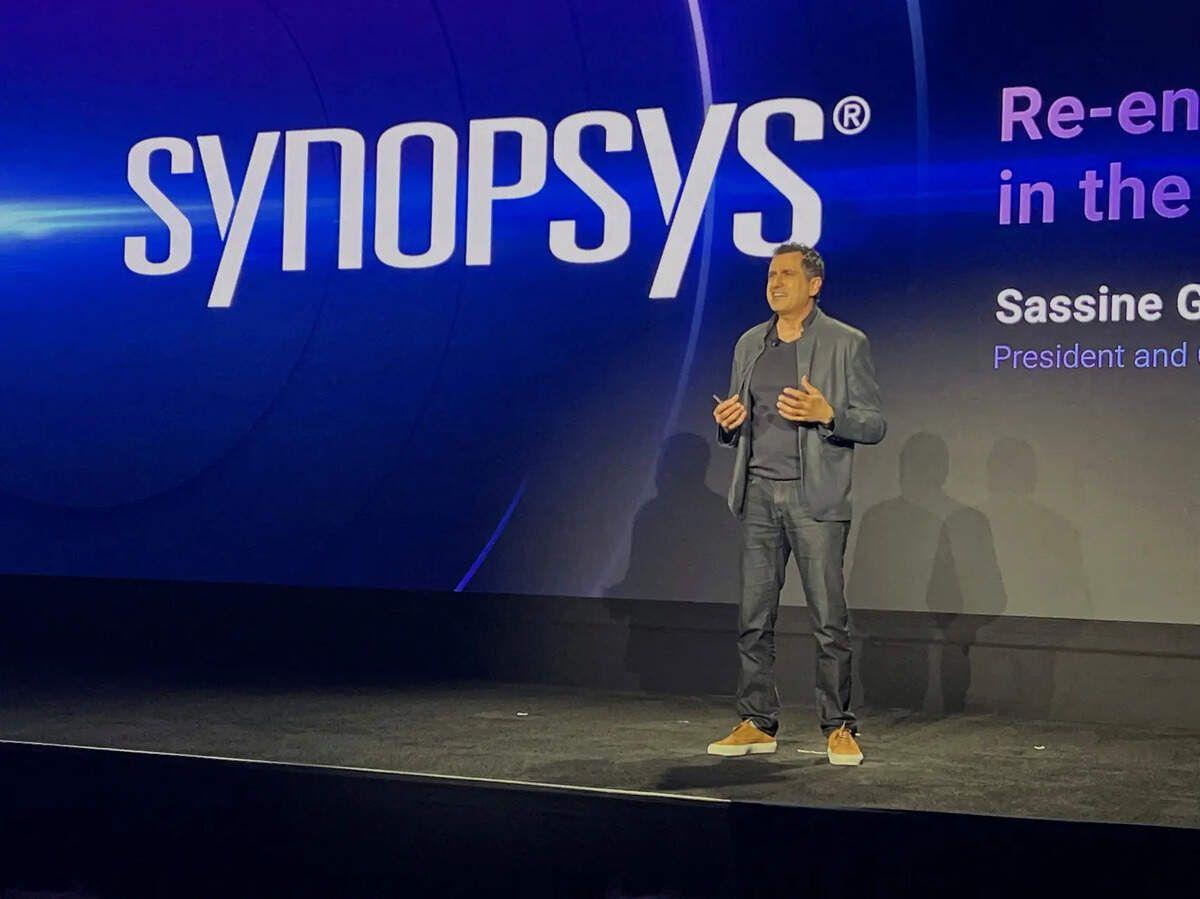
.Sassine Ghazi, CEO of Synopsys, explained that the new software tools aim to embed engineering capabilities directly into the platforms chip designers at Intel and other companies already use. "Typically you have engineers designing for each step in a siloed way," Ghazi said. "What ends up happening is that the product is more expensive and it's not operating at its maximum potential. We're putting them in the design phase, so you're able to achieve a better performance, lower power and definitely lower cost" .
Source: ET
Related Stories


Implications for AI Chip Design Workflows
The launch signals a significant shift in how AI chips will be developed moving forward. By breaking down silos between chip design and mechanical engineering disciplines, Synopsys aims to streamline the design process and enhance performance and power efficiency while achieving cost reduction
3
. This integration matters because as AI workloads grow more demanding, the industry needs tools that can handle multi-chiplet architectures without sacrificing reliability or escalating power consumption.For companies racing to develop next-generation AI accelerators, these tools could accelerate time-to-market while reducing design iterations. The ability to simulate thermal and mechanical stresses during the design phase rather than discovering issues during physical testing represents a substantial advantage. As chiplet-based designs become the industry standard, watch for how competitors respond and whether Synopsys' integrated approach becomes the template for future chip design platforms.
References
Summarized by

Navi
[3]
Related Stories
Recent Highlights


Recent Highlights
Today's Top Stories












Your Daily Dose of Curated AI News
Don’t drown in AI news. We cut through the noise - filtering, ranking and summarizing the most important AI news, breakthroughs and research daily. Spend less time searching for the latest in AI and get straight to action.

