Tesla faces 30-day California sales ban over deceptive Autopilot and Full Self-Driving claims


6 Sources
6 Sources
[1]
California threatens Tesla with 30-day suspension of sales license for deceptive self-driving claims
SAN FRANCISCO (AP) -- California regulators are threatening to suspend Tesla's license to sell its electric cars in the state early next year unless the automaker tones down its marketing tactics for its self-driving features after a judge concluded the Elon Musk-led company has been misleading consumers about the technology's capabilities. The potential 30-day blackout of Tesla's California sales is the primary punishment being recommended to the state's Department of Motor Vehicles in a decision released late Tuesday. The ruling by Administrative Law Judge Juliet Cox determined that Tesla had for years engaged in deceptive marketing practices by using the terms "Autopilot" and "Full Self-Driving" to promote the autonomous technology available in many of its cars. After presiding over five days of hearings held in Oakland, California in July, Cox also recommended suspending Tesla's license to manufacture cars at its plant in Fremont, California. But California regulators aren't going to impose that part of the judge's proposed penalty. Tesla will have a 90-day window to make changes that more clearly convey the limits of its self-driving technology to avoid having its California sales license suspended. After California regulators filed its action against Tesla in 2023, the Austin, Texas, company already made one significant change by putting in wording that made it clear its Full Self-Driving package still required supervision by a human driver while it's deployed. "Tesla can take simple steps to pause this decision and permanently resolve this issue -- steps autonomous vehicle companies and other automakers have been able to achieve," said Steve Gordon, the director of the California Department of Motor Vehicles. Tesla didn't immediately respond to a request for comment Wednesday. The automaker has already been plagued by a global downturn in demand that began during a backlash to Musk's high-profile role overseeing cuts in the U.S. government budget overseeing the Department of Government that President Donald Trump created in his administration. Increased competition and an older lineup of vehicles also weighed on Tesla sales, although the company did revamp its Model Y, the world's bestselling vehicle, and unveil less-expensive versions of the Model Y and Model X. Although Musk left Washington after a falling out with Trump, the fallout has continued to weigh on Tesla's auto sales, which had decreased by 9% from 2024 through the first nine months of this year. Despite the slump and the threatened sales suspension in California, Tesla's stock price touched an all-time high $495.28 during Wednesday's early trading before backtracking later to fall below $470. Despite that reversal, Tesla's shares are still worth slightly more than they were before Musk's ill-fated stint in the Trump administration -- a "somewhat successful" assignment he recently said he wouldn't take on again. The performance of Tesla's stock against the backdrop of eroding auto sales reflects the increasing emphasis that investors are placing on Musk's efforts to develop artificial intelligence technology to implant into humanoid robots and a fleet of self-driving Teslas that will operate as robotaxis across the U.S. Musk has been promising Tesla's self-driving technology would fulfill his robotaxi vision for years without delivering on the promise, but the company finally began testing the concept in Austin earlier this year, albeit with a human supervisor in the car to take over if something went awry. Just a few days ago, Musk disclosed Tesla had started tests of its robotaxis without a safety monitor in the vehicle. California regulators are far from the first critic to accuse Tesla of exaggerating the capabilities of its self-driving technology in a potentially dangerous manner. The company has steadfastly insisted that information contained in its vehicle's owner's manual on its website have made it clear that its self-driving technology still requires human supervision, even while releasing a 2020 video depicting one of its cars purportedly driving on its own. The video, cited as evidence against Tesla in the decision recommending a suspension of the company's California sales license, remained on its website for nearly four years. Tesla has been targeted in a variety of lawsuits alleging its mischaracterizations about self-driving technology have lulled humans into a false of security that have resulted in lethal accidents. The company has settled or prevailed in several cases, but earlier this year a Miami jury held Tesla partly responsible for a lethal crash in Florida that occurred while Autopilot was deployed and ordered the automaker to pay more than $240 million in damages.
[2]
California threatens Tesla with 30-day suspension of sales license for deceptive self-driving claims
SAN FRANCISCO -- California regulators are threatening to suspend Tesla's license to sell its electric cars in the state early next year unless the automaker tones down its marketing tactics for its self-driving features after a judge concluded the Elon Musk-led company has been misleading consumers about the technology's capabilities. The potential 30-day blackout of Tesla's California sales is the primary punishment being recommended to the state's Department of Motor Vehicles in a decision released late Tuesday. The ruling by Administrative Law Judge Juliet Cox determined that Tesla had for years engaged in deceptive marketing practices by using the terms "Autopilot" and "Full Self-Driving" to promote the autonomous technology available in many of its cars. After presiding over five days of hearings held in Oakland, California in July, Cox also recommended suspending Tesla's license to manufacture cars at its plant in Fremont, California. But California regulators aren't going to impose that part of the judge's proposed penalty. Tesla will have a 90-day window to make changes that more clearly convey the limits of its self-driving technology to avoid having its California sales license suspended. After California regulators filed its action against Tesla in 2023, the Austin, Texas, company already made one significant change by putting in wording that made it clear its Full Self-Driving package still required supervision by a human driver while it's deployed. "Tesla can take simple steps to pause this decision and permanently resolve this issue -- steps autonomous vehicle companies and other automakers have been able to achieve," said Steve Gordon, the director of the California Department of Motor Vehicles. Tesla didn't immediately respond to a request for comment Wednesday. The automaker has already been plagued by a global downturn in demand that began during a backlash to Musk's high-profile role overseeing cuts in the U.S. government budget overseeing the Department of Government that President Donald Trump created in his administration. Increased competition and an older lineup of vehicles also weighed on Tesla sales, although the company did revamp its Model Y, the world's bestselling vehicle, and unveil less-expensive versions of the Model Y and Model X. Although Musk left Washington after a falling out with Trump, the fallout has continued to weigh on Tesla's auto sales, which had decreased by 9% from 2024 through the first nine months of this year. Despite the slump and the threatened sales suspension in California, Tesla's stock price touched an all-time high $495.28 during Wednesday's early trading before backtracking later to fall below $470. Despite that reversal, Tesla's shares are still worth slightly more than they were before Musk's ill-fated stint in the Trump administration -- a "somewhat successful" assignment he recently said he wouldn't take on again. The performance of Tesla's stock against the backdrop of eroding auto sales reflects the increasing emphasis that investors are placing on Musk's efforts to develop artificial intelligence technology to implant into humanoid robots and a fleet of self-driving Teslas that will operate as robotaxis across the U.S. Musk has been promising Tesla's self-driving technology would fulfill his robotaxi vision for years without delivering on the promise, but the company finally began testing the concept in Austin earlier this year, albeit with a human supervisor in the car to take over if something went awry. Just a few days ago, Musk disclosed Tesla had started tests of its robotaxis without a safety monitor in the vehicle. California regulators are far from the first critic to accuse Tesla of exaggerating the capabilities of its self-driving technology in a potentially dangerous manner. The company has steadfastly insisted that information contained in its vehicle's owner's manual on its website have made it clear that its self-driving technology still requires human supervision, even while releasing a 2020 video depicting one of its cars purportedly driving on its own. The video, cited as evidence against Tesla in the decision recommending a suspension of the company's California sales license, remained on its website for nearly four years. Tesla has been targeted in a variety of lawsuits alleging its mischaracterizations about self-driving technology have lulled humans into a false of security that have resulted in lethal accidents. The company has settled or prevailed in several cases, but earlier this year a Miami jury held Tesla partly responsible for a lethal crash in Florida that occurred while Autopilot was deployed and ordered the automaker to pay more than $240 million in damages.
[3]
California threatens Tesla with 30-day suspension of sales license for deceptive self-driving claims
SAN FRANCISCO (AP) -- California regulators are threatening to suspend Tesla's license to sell its electric cars in the state early next year unless the automaker tones down its marketing tactics for its self-driving features after a judge concluded the Elon Musk-led company has been misleading consumers about the technology's capabilities. The potential 30-day blackout of Tesla's California sales is the primary punishment being recommended to the state's Department of Motor Vehicles in a decision released late Tuesday. The ruling by Administrative Law Judge Juliet Cox determined that Tesla had for years engaged in deceptive marketing practices by using the terms "Autopilot" and "Full Self-Driving" to promote the autonomous technology available in many of its cars. After presiding over five days of hearings held in Oakland, California in July, Cox also recommended suspending Tesla's license to manufacture cars at its plant in Fremont, California. But California regulators aren't going to impose that part of the judge's proposed penalty. Tesla will have a 90-day window to make changes that more clearly convey the limits of its self-driving technology to avoid having its California sales license suspended. After California regulators filed its action against Tesla in 2023, the Austin, Texas, company already made one significant change by putting in wording that made it clear its Full Self-Driving package still required supervision by a human driver while it's deployed. "Tesla can take simple steps to pause this decision and permanently resolve this issue -- steps autonomous vehicle companies and other automakers have been able to achieve," said Steve Gordon, the director of the California Department of Motor Vehicles. Tesla didn't immediately respond to a request for comment Wednesday. The automaker has already been plagued by a global downturn in demand that began during a backlash to Musk's high-profile role overseeing cuts in the U.S. government budget overseeing the Department of Government that President Donald Trump created in his administration. Increased competition and an older lineup of vehicles also weighed on Tesla sales, although the company did revamp its Model Y, the world's bestselling vehicle, and unveil less-expensive versions of the Model Y and Model X. Although Musk left Washington after a falling out with Trump, the fallout has continued to weigh on Tesla's auto sales, which had decreased by 9% from 2024 through the first nine months of this year. Despite the slump and the threatened sales suspension in California, Tesla's stock price touched an all-time high $495.28 during Wednesday's early trading before backtracking later to fall below $470. Despite that reversal, Tesla's shares are still worth slightly more than they were before Musk's ill-fated stint in the Trump administration -- a "somewhat successful" assignment he recently said he wouldn't take on again. The performance of Tesla's stock against the backdrop of eroding auto sales reflects the increasing emphasis that investors are placing on Musk's efforts to develop artificial intelligence technology to implant into humanoid robots and a fleet of self-driving Teslas that will operate as robotaxis across the U.S. Musk has been promising Tesla's self-driving technology would fulfill his robotaxi vision for years without delivering on the promise, but the company finally began testing the concept in Austin earlier this year, albeit with a human supervisor in the car to take over if something went awry. Just a few days ago, Musk disclosed Tesla had started tests of its robotaxis without a safety monitor in the vehicle. California regulators are far from the first critic to accuse Tesla of exaggerating the capabilities of its self-driving technology in a potentially dangerous manner. The company has steadfastly insisted that information contained in its vehicle's owner's manual on its website have made it clear that its self-driving technology still requires human supervision, even while releasing a 2020 video depicting one of its cars purportedly driving on its own. The video, cited as evidence against Tesla in the decision recommending a suspension of the company's California sales license, remained on its website for nearly four years. Tesla has been targeted in a variety of lawsuits alleging its mischaracterizations about self-driving technology have lulled humans into a false of security that have resulted in lethal accidents. The company has settled or prevailed in several cases, but earlier this year a Miami jury held Tesla partly responsible for a lethal crash in Florida that occurred while Autopilot was deployed and ordered the automaker to pay more than $240 million in damages.
[4]
California Threatens Tesla With 30-Day Suspension of Sales License for Deceptive Self-Driving Claims
SAN FRANCISCO (AP) -- California regulators are threatening to suspend Tesla's license to sell its electric cars in the state early next year unless the automaker tones down its marketing tactics for its self-driving features after a judge concluded the Elon Musk-led company has been misleading consumers about the technology's capabilities. The potential 30-day blackout of Tesla's California sales is the primary punishment being recommended to the state's Department of Motor Vehicles in a decision released late Tuesday. The ruling by Administrative Law Judge Juliet Cox determined that Tesla had for years engaged in deceptive marketing practices by using the terms "Autopilot" and "Full Self-Driving" to promote the autonomous technology available in many of its cars. After presiding over five days of hearings held in Oakland, California in July, Cox also recommended suspending Tesla's license to manufacture cars at its plant in Fremont, California. But California regulators aren't going to impose that part of the judge's proposed penalty. Tesla will have a 90-day window to make changes that more clearly convey the limits of its self-driving technology to avoid having its California sales license suspended. After California regulators filed its action against Tesla in 2023, the Austin, Texas, company already made one significant change by putting in wording that made it clear its Full Self-Driving package still required supervision by a human driver while it's deployed. "Tesla can take simple steps to pause this decision and permanently resolve this issue -- steps autonomous vehicle companies and other automakers have been able to achieve," said Steve Gordon, the director of the California Department of Motor Vehicles. Tesla didn't immediately respond to a request for comment Wednesday. The automaker has already been plagued by a global downturn in demand that began during a backlash to Musk's high-profile role overseeing cuts in the U.S. government budget overseeing the Department of Government that President Donald Trump created in his administration. Increased competition and an older lineup of vehicles also weighed on Tesla sales, although the company did revamp its Model Y, the world's bestselling vehicle, and unveil less-expensive versions of the Model Y and Model X. Although Musk left Washington after a falling out with Trump, the fallout has continued to weigh on Tesla's auto sales, which had decreased by 9% from 2024 through the first nine months of this year. Despite the slump and the threatened sales suspension in California, Tesla's stock price touched an all-time high $495.28 during Wednesday's early trading before backtracking later to fall below $470. Despite that reversal, Tesla's shares are still worth slightly more than they were before Musk's ill-fated stint in the Trump administration -- a "somewhat successful" assignment he recently said he wouldn't take on again. The performance of Tesla's stock against the backdrop of eroding auto sales reflects the increasing emphasis that investors are placing on Musk's efforts to develop artificial intelligence technology to implant into humanoid robots and a fleet of self-driving Teslas that will operate as robotaxis across the U.S. Musk has been promising Tesla's self-driving technology would fulfill his robotaxi vision for years without delivering on the promise, but the company finally began testing the concept in Austin earlier this year, albeit with a human supervisor in the car to take over if something went awry. Just a few days ago, Musk disclosed Tesla had started tests of its robotaxis without a safety monitor in the vehicle. California regulators are far from the first critic to accuse Tesla of exaggerating the capabilities of its self-driving technology in a potentially dangerous manner. The company has steadfastly insisted that information contained in its vehicle's owner's manual on its website have made it clear that its self-driving technology still requires human supervision, even while releasing a 2020 video depicting one of its cars purportedly driving on its own. The video, cited as evidence against Tesla in the decision recommending a suspension of the company's California sales license, remained on its website for nearly four years. Tesla has been targeted in a variety of lawsuits alleging its mischaracterizations about self-driving technology have lulled humans into a false of security that have resulted in lethal accidents. The company has settled or prevailed in several cases, but earlier this year a Miami jury held Tesla partly responsible for a lethal crash in Florida that occurred while Autopilot was deployed and ordered the automaker to pay more than $240 million in damages.
[5]

California threatens Tesla with 30-day suspension of sales license for deceptive self-driving claims
California regulators are threatening to suspend Tesla's license to sell its electric cars in the state early next year unless the automaker tones down its marketing tactics for its self-driving features after a judge concluded the Elon Musk-led company has been misleading consumers about the technology's capabilities. The potential 30-day blackout of Tesla's California sales is the primary punishment being recommended to the state's Department of Motor Vehicles in a decision released late Tuesday. The ruling by Administrative Law Judge Juliet Cox determined that Tesla had for years engaged in deceptive marketing practices by using the terms "Autopilot" and "Full Self-Driving" to promote the autonomous technology available in many of its cars. After presiding over five days of hearings held in Oakland, California in July, Cox also recommended suspending Tesla's license to manufacture cars at its plant in Fremont, California. But California regulators aren't going to impose that part of the judge's proposed penalty. Tesla will have a 90-day window to make changes that more clearly convey the limits of its self-driving technology to avoid having its California sales license suspended. After California regulators filed its action against Tesla in 2023, the Austin, Texas, company already made one significant change by putting in wording that made it clear its Full Self-Driving package still required supervision by a human driver while it's deployed. "Tesla can take simple steps to pause this decision and permanently resolve this issue -- steps autonomous vehicle companies and other automakers have been able to achieve," said Steve Gordon, the director of the California Department of Motor Vehicles. Tesla didn't immediately respond to a request for comment Wednesday. The automaker has already been plagued by a global downturn in demand that began during a backlash to Musk's high-profile role overseeing cuts in the U.S. government budget overseeing the Department of Government that President Donald Trump created in his administration. Increased competition and an older lineup of vehicles also weighed on Tesla sales, although the company did revamp its Model Y, the world's bestselling vehicle, and unveil less-expensive versions of the Model Y and Model X. Although Musk left Washington after a falling out with Trump, the fallout has continued to weigh on Tesla's auto sales, which had decreased by nine per cent from 2024 through the first nine months of this year. Despite the slump and the threatened sales suspension in California, Tesla's stock price touched an all-time high US$495.28 during Wednesday's early trading before backtracking later to fall below US$470. Despite that reversal, Tesla's shares are still worth slightly more than they were before Musk's ill-fated stint in the Trump administration -- a "somewhat successful" assignment he recently said he wouldn't take on again. The performance of Tesla's stock against the backdrop of eroding auto sales reflects the increasing emphasis that investors are placing on Musk's efforts to develop artificial intelligence technology to implant into humanoid robots and a fleet of self-driving Teslas that will operate as robotaxis across the U.S. Musk has been promising Tesla's self-driving technology would fulfill his robotaxi vision for years without delivering on the promise, but the company finally began testing the concept in Austin earlier this year, albeit with a human supervisor in the car to take over if something went awry. Just a few days ago, Musk disclosed Tesla had started tests of its robotaxis without a safety monitor in the vehicle. California regulators are far from the first critic to accuse Tesla of exaggerating the capabilities of its self-driving technology in a potentially dangerous manner. The company has steadfastly insisted that information contained in its vehicle's owner's manual on its website have made it clear that its self-driving technology still requires human supervision, even while releasing a 2020 video depicting one of its cars purportedly driving on its own. The video, cited as evidence against Tesla in the decision recommending a suspension of the company's California sales license, remained on its website for nearly four years. Tesla has been targeted in a variety of lawsuits alleging its mischaracterizations about self-driving technology have lulled humans into a false of security that have resulted in lethal accidents. The company has settled or prevailed in several cases, but earlier this year a Miami jury held Tesla partly responsible for a lethal crash in Florida that occurred while Autopilot was deployed and ordered the automaker to pay more than US$240 million in damages.
[6]

California threatens Tesla with 30-day suspension of sales license for deceptive self-driving claims
(AP) -- regulators are threatening to suspend license to sell its electric cars in the state early next year unless the automaker tones down its marketing tactics for its self-driving features after a judge concluded the Elon Musk-led company has been misleading consumers about the technology's capabilities. The potential 30-day blackout of sales is the primary punishment being recommended to the state's in a decision released late Tuesday. The ruling by Administrative Law Judge determined that had for years engaged in deceptive marketing practices by using the terms "Autopilot" and "Full Self-Driving" to promote the autonomous technology available in many of its cars. After presiding over five days of hearings held in in July, Cox also recommended suspending license to manufacture cars at its plant in . But regulators aren't going to impose that part of the judge's proposed penalty. will have a 90-day window to make changes that more clearly convey the limits of its self-driving technology to avoid having its sales license suspended. After regulators filed its action against in 2023, the , company already made one significant change by putting in wording that made it clear its Full Self-Driving package still required supervision by a human driver while it's deployed. "Tesla can take simple steps to pause this decision and permanently resolve this issue -- steps autonomous vehicle companies and other automakers have been able to achieve," said , the director of the . didn't immediately respond to a request for comment Wednesday. The automaker has already been plagued by a global downturn in demand that began during a backlash to Musk's high-profile role overseeing cuts in the government budget overseeing the that President created in his administration. Increased competition and an older lineup of vehicles also weighed on sales, although the company did revamp its Model Y, the world's bestselling vehicle, and unveil less-expensive versions of the Model Y and Model X. Although Musk left after a falling out with Trump, the fallout has continued to weigh on auto sales, which had decreased by 9% from 2024 through the first nine months of this year. Despite the slump and the threatened sales suspension in , stock price touched an all-time high during Wednesday's early trading before backtracking later to fall below . Despite that reversal, shares are still worth slightly more than they were before Musk's ill-fated stint in the Trump administration -- a "somewhat successful" assignment he recently said he wouldn't take on again. The performance of stock against the backdrop of eroding auto sales reflects the increasing emphasis that investors are placing on Musk's efforts to develop artificial intelligence technology to implant into humanoid robots and a fleet of self-driving Teslas that will operate as robotaxis across the Musk has been promising self-driving technology would fulfill his robotaxi vision for years without delivering on the promise, but the company finally began testing the concept in earlier this year, albeit with a human supervisor in the car to take over if something went awry. Just a few days ago, Musk disclosed had started tests of its robotaxis without a safety monitor in the vehicle. regulators are far from the first critic to accuse of exaggerating the capabilities of its self-driving technology in a potentially dangerous manner. The company has steadfastly insisted that information contained in its vehicle's owner's manual on its website have made it clear that its self-driving technology still requires human supervision, even while releasing a 2020 video depicting one of its cars purportedly driving on its own. The video, cited as evidence against in the decision recommending a suspension of the company's sales license, remained on its website for nearly four years. has been targeted in a variety of lawsuits alleging its mischaracterizations about self-driving technology have lulled humans into a false of security that have resulted in lethal accidents. The company has settled or prevailed in several cases, but earlier this year a jury held partly responsible for a lethal crash in that occurred while Autopilot was deployed and ordered the automaker to pay more than in damages. Copyright 2025 The Associated Press. All rights reserved. This material may not be published, broadcast, rewritten or redistributed without permission. , source
Share
Share
Copy Link
California regulators threaten to suspend Tesla's sales license for 30 days after a judge ruled the company engaged in deceptive marketing practices with its Autopilot and Full Self-Driving terminology. Tesla has 90 days to clarify the limitations of its self-driving technology or face the suspension early next year.
Tesla Faces Sales License Suspension Over Deceptive Marketing
California regulators are threatening to suspend
Tesla
1
's license to sell electric cars in the state early next year following a judicial determination that the company misled consumers about its autonomous technology capabilities. Administrative Law Judge Juliet Cox issued a ruling late Tuesday concluding thatTesla
2
engaged indeceptive marketing
3
practices for years by using the termsAutopilot and Full Self-Driving
4
to promote its vehicles. The potential 30-day blackout represents the primary punishment recommended to theCalifornia Department of Motor Vehicles
5
after five days of hearings in Oakland in July.
Source: AP
90-Day Window to Comply With Regulators
Tesla
1
now has 90 days to make changes that more clearly convey thelimitations of its self-driving technology
2
to avoid thesales license suspension
3
. Steve Gordon, director of the California Department of Motor Vehicles, stated that "Tesla can take simple steps to pause this decision and permanently resolve this issue -- steps autonomous vehicle companies and other automakers have been able to achieve." While Judge Cox also recommended suspending Tesla's manufacturing license at its Fremont plant,California regulators
4
have chosen not to impose that portion of the penalty. The company has already made one significant change since California regulators filed their action in 2023, adding wording to clarify that its Full Self-Driving package requireshuman supervision
5
while deployed.Pattern of Misleading Consumers About Autonomous Features
The
Administrative Law Judge ruling
1
found thatTesla
2
had beenmisleading consumers
3
through its marketing terminology despite information in owner's manuals indicating the technology requires human oversight. Evidence cited in the decision included a 2020 video depicting one of Tesla's cars purportedly driving on its own, which remained on the company's website for nearly four years. California regulators are not the first to accuse theElon Musk
4
-led company of exaggerating the capabilities of its self-driving technology.Tesla
5
has faced multiplelawsuits
1
alleging its mischaracterizations lulled drivers into false security, resulting in lethal accidents. Earlier this year, a Miami jury held Tesla partly responsible for a fatal crash in Florida while Autopilot was deployed, ordering the automaker to pay more than $240 million in damages.Related Stories

Impact on Tesla's Business and Investor Confidence
The threatened suspension comes as
Tesla
2
contends with a 9% decline in auto sales from 2024 through the first nine months of this year. Despite the regulatory threat and sales slump, Tesla'sstock price
3
touched an all-time high of $495.28 during Wednesday's early trading before falling below $470. This stock performance reflects the emphasisinvestors
4
place on Musk's efforts to developartificial intelligence technology
5
forhumanoid robots
1
and a fleet of self-drivingrobotaxis
2
across the U.S. Musk has promised Tesla's self-driving technology would fulfill his robotaxi vision for years, and the company began testing the concept in Austin earlier this year with a human supervisor. Just days ago, Musk disclosed Tesla had started tests without asafety monitor
3
in the vehicle, signaling the company's continued push toward fully autonomous operations despite ongoing regulatory scrutiny overdeceptive self-driving claims
4
.References
Summarized by

Navi
[1]
[2]
[3]
[4]
Related Stories
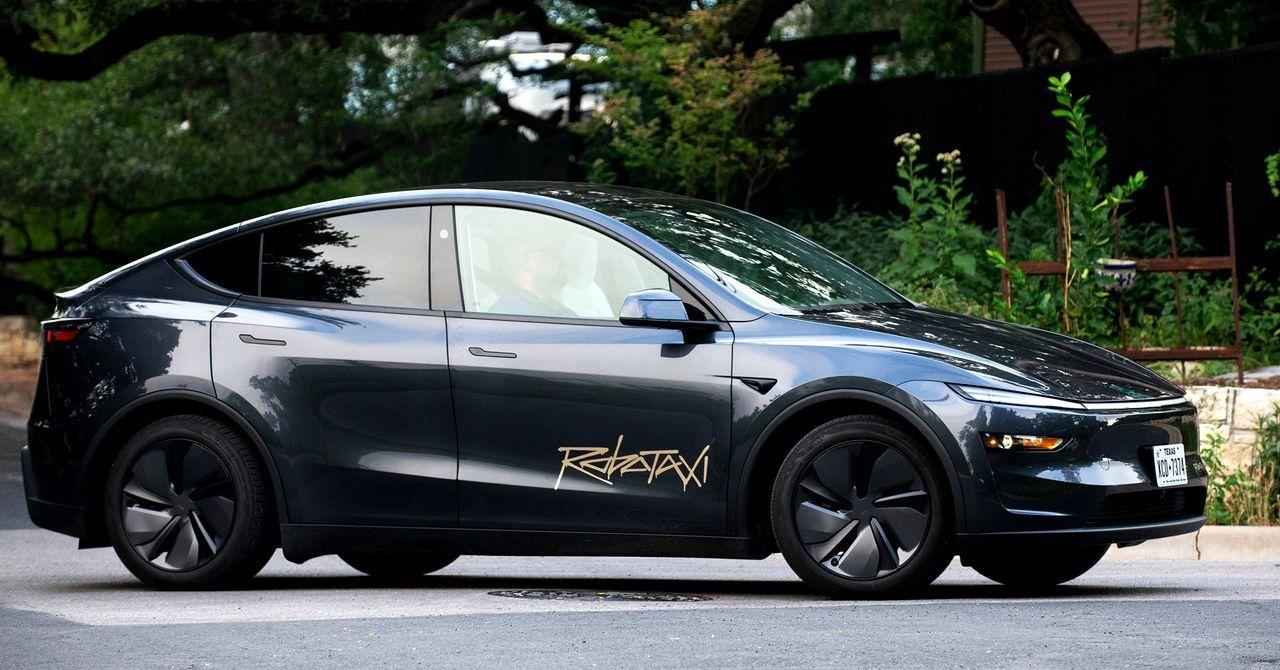
Tesla's $243 Million Autopilot Verdict: A Setback for Autonomous Driving and Robotaxi Ambitions
05 Aug 2025•Technology
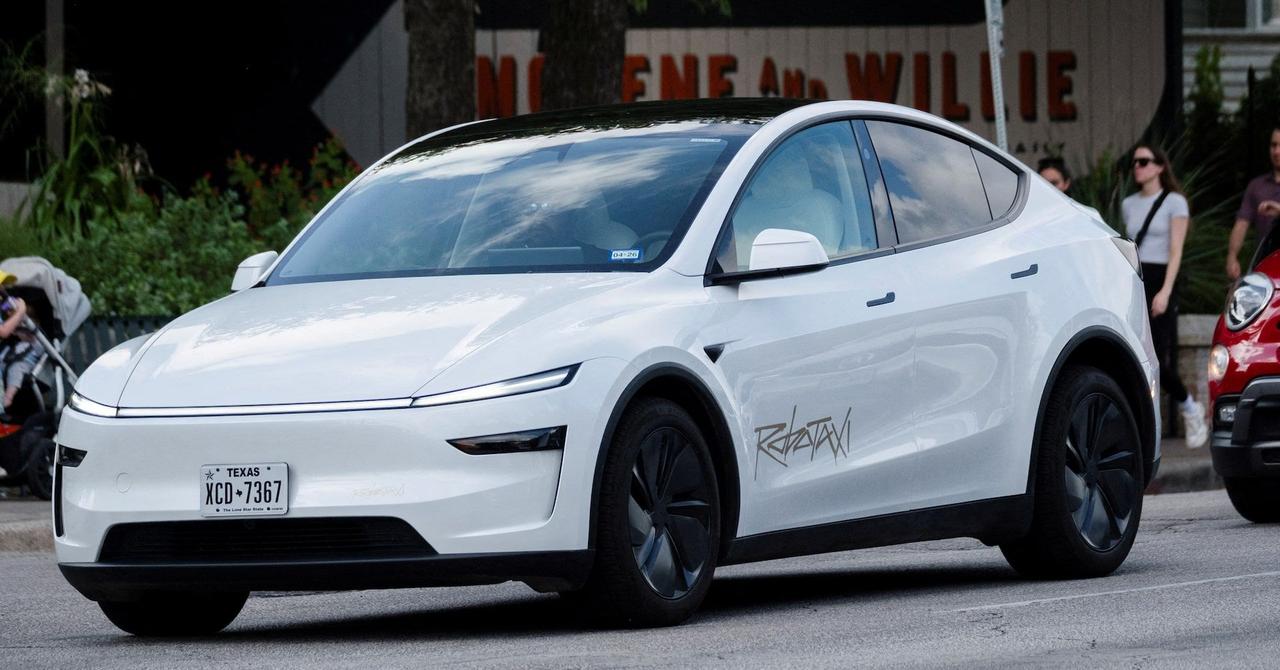
California regulator says Tesla Robotaxi operates like a limo service, not autonomous vehicles
26 Mar 2026•Policy and Regulation
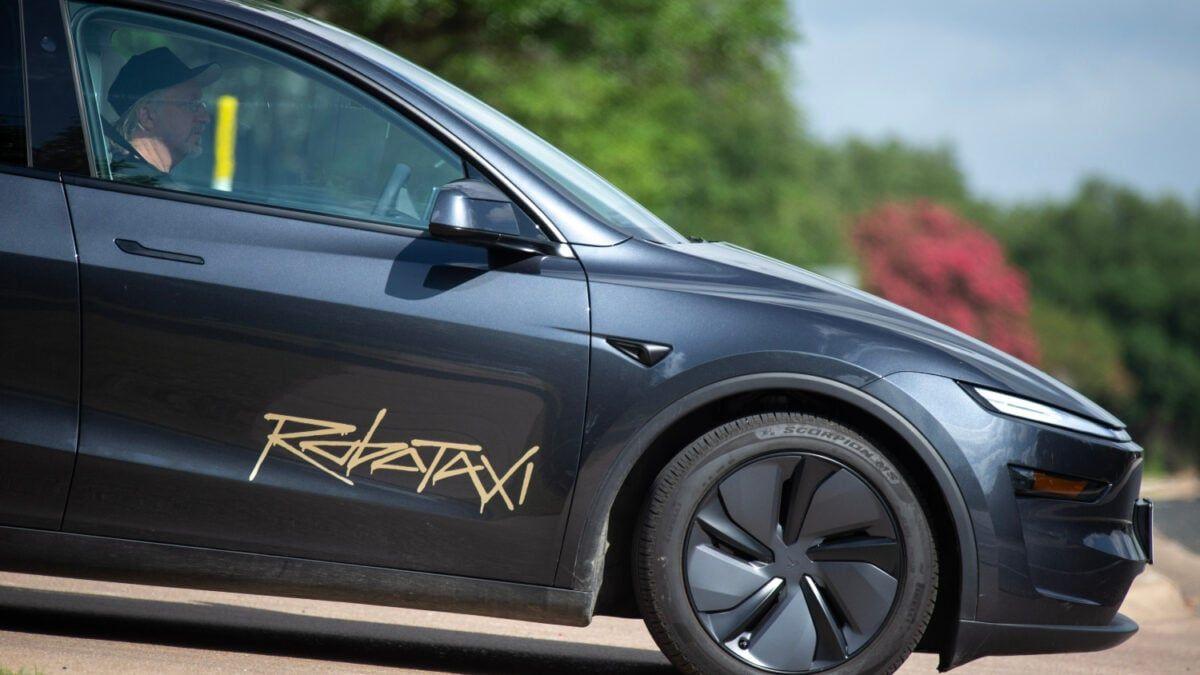
Tesla's Robotaxi Rollout: Human Drivers and Regulatory Hurdles
23 Jul 2025•Technology
Recent Highlights
1
Google releases Gemma 4 with Apache 2.0 license, enabling unrestricted local AI on devices
Technology

2
AI Models Lie and Deceive to Protect Other AI Models From Deletion, Study Reveals
Science and Research

3
OpenAI closes $122 billion funding round amid fierce AI competition and profitability questions
Startups

Recent Highlights
Today's Top Stories






Your Daily Dose of Curated AI News
Don’t drown in AI news. We cut through the noise - filtering, ranking and summarizing the most important AI news, breakthroughs and research daily. Spend less time searching for the latest in AI and get straight to action.

