Tesla's Robotaxi Rollout: Human Drivers and Regulatory Hurdles


4 Sources
[1]
Tesla Readies a Taxi Service in San Francisco -- but Not With Robotaxis
The electric carmaker informed California that it will operate a limited public taxi service. But it can't legally do this with self-driving cars. Tesla has publicly staked its future on its robotaxis. Now the company is planning to launch a public car service in the San Francisco Bay Area. Tesla
[2]
Did Tesla's Robotaxi Launch Backfire?
Survey data shared exclusively with WIRED suggests that Tesla's newest autonomous driving technology has freaked out some consumers. Would you consider a ride in a self-driving car? After hearing a bit about Tesla's robotaxi launch in Austin, Texas, last month, just under half of US consumers
[3]
Tesla Isn't a Car Company Anymore
As its car business falters, Elon Musk is betting the company's future on a high-risk pivot from manufacturing to an AI-driven, autonomous dream. Tesla may be in trouble. Investors and fans will get a clearer picture this Wednesday, July 23, when Elon Musk's carmaker publishes its second-quarter
[4]
Tesla Rolling Out Robotaxis With Human Drivers in the Driver's Seat, Defeating the Purpose of a Robotaxi
Tesla is planning to follow up on its extremely limited and technical-issues-plagued robotaxi service in Austin, Texas -- with an even more limited rollout in San Francisco. According to an internal memo obtained by Business Insider, Elon Musk's EV maker is looking to accelerate its timeline by
Share
Copy Link
Tesla plans to launch a "robotaxi" service in the San Francisco Bay Area, but with human drivers due to regulatory constraints. This move comes amid declining EV sales and a shift in focus towards AI and autonomous driving technology.
Tesla's Robotaxi Plans and Regulatory Challenges
Tesla, the electric vehicle giant, is gearing up to launch a "robotaxi" service in the San Francisco Bay Area. However, the company faces a significant hurdle: the service will initially operate with human drivers due to regulatory constraints
1
. This development comes as Tesla shifts its focus from traditional car manufacturing to artificial intelligence and autonomous driving technology.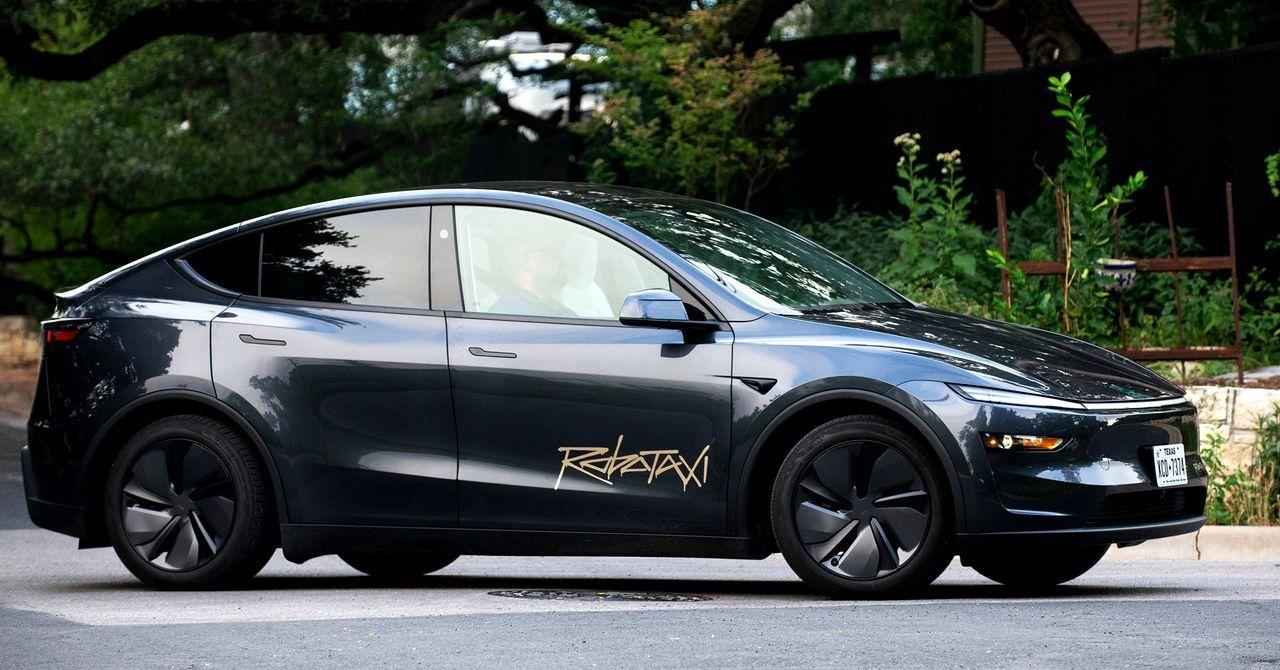
Source: Wired
The Human-Driven "Robotaxi" Service
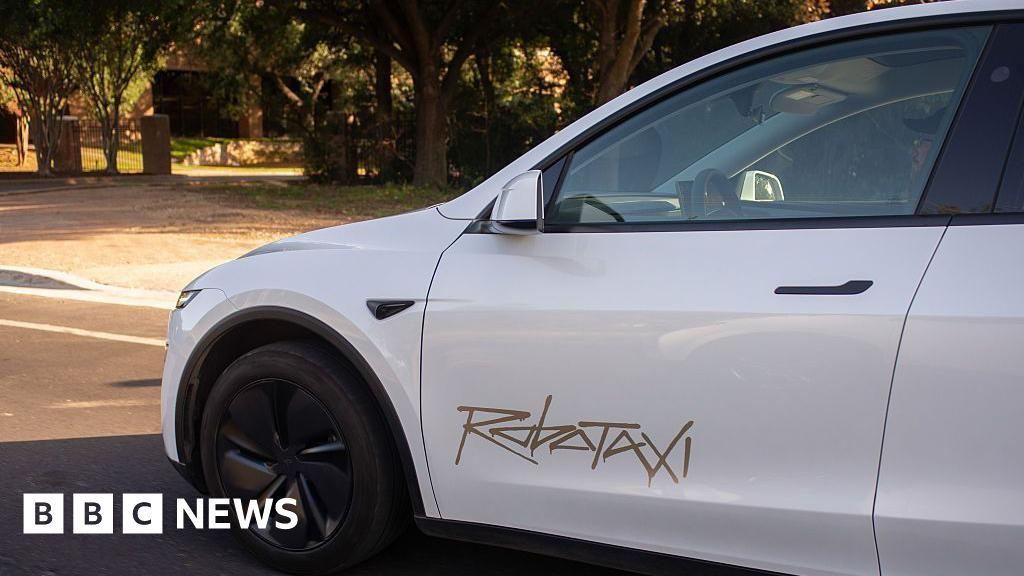
Tesla recently informed the California Public Utilities Commission of its plans to expand an employee-only taxi service to friends and family of employees and "select" members of the public
1
. While Tesla has obtained a "Transportation Charter Party" permit to operate this service with human drivers, it is not legally permitted to run an autonomous vehicle-based service in California.Ashok Elluswamy, Tesla's head of AI software, stated during an earnings call that the company is "working with the government to get approval" for the Bay Area launch. In the meantime, they plan to "launch the service with a person in the driver's seat just to expedite while we wait for regulatory approval"
4
.Regulatory and Legal Challenges
Tesla's approach to launching this service has raised eyebrows among industry experts and regulators. The company appears to be walking a fine line between presenting the service as a traditional taxi operation to regulators while suggesting to shareholders and the public that it involves autonomous "robotaxis"
1
.This strategy has drawn criticism from experts like Philip Koopman, a professor at Carnegie Mellon University, who argues that Tesla "couldn't have it both ways" and may be providing "more ammunition for the false advertising lawsuit" currently ongoing in California
1
.Related Stories


Shifting Focus Amid Declining EV Sales
Tesla's push into the robotaxi market comes at a crucial time for the company. Recent data suggests that Tesla's global vehicle sales fell more than 13 percent in Q2, and the company faces headwinds such as expiring federal tax credits and changing regulatory landscapes
3
.
Source: Gizmodo
Elon Musk, Tesla's CEO, has been positioning the company as "an AI robotics company" rather than just an automaker. This pivot appears to be an attempt to maintain investor confidence and shift the narrative away from declining EV sales
3
.Consumer Perception and Market Challenges
A recent survey conducted by the Electric Vehicle Intelligence Report (EVIR) suggests that Tesla's robotaxi launch may have had a mixed reception among consumers. The survey found that 65% of respondents hadn't heard about the launch, and 42% were less interested in a robotaxi ride after reading about it
2
.These findings, coupled with Tesla's recent challenges in the EV market, highlight the risks associated with the company's strategic shift towards AI and autonomous driving technology
3
.References
Summarized by

Navi
[3]
Related Stories
Recent Highlights



Recent Highlights
Today's Top Stories






Don’t drown in AI news. We cut through the noise - filtering, ranking and summarizing the most important AI news, breakthroughs and research daily. Follow topics that matter to you and stay ahead.


