Tesla's $243 Million Autopilot Verdict: A Setback for Autonomous Driving and Robotaxi Ambitions


3 Sources
[1]
Autopilot verdict deals Tesla a 'black eye', threatens Musk's robotaxi ambitions
SAN FRANCISCO, Aug 5 (Reuters) - A court verdict against Tesla (TSLA.O), opens new tab last week, stemming from a fatal 2019 crash of an Autopilot-equipped Model S, could hurt its plans to expand its nascent robotaxi network and intensify concerns over the safety of its autonomous vehicle
[2]
'Open The Floodgates': Why Tesla's $243 Million Autopilot Crash Verdict Is Such A Big Deal
Thanks, in no small part, to the rise of artificial intelligence, a new era has arrived for autonomous cars. New players are springing up all over the world, established leaders are having to up their game, and more and more consumers are requesting automated driving assistance systems (ADAS)
[3]
Analysis-Autopilot Verdict Deals Tesla a 'Black Eye', Threatens Musk's Robotaxi Ambitions
SAN FRANCISCO (Reuters) -A court verdict against Tesla last week, stemming from a fatal 2019 crash of an Autopilot-equipped Model S, could hurt its plans to expand its nascent robotaxi network and intensify concerns over the safety of its autonomous vehicle technology. A Florida jury ordered
Share
Copy Link
A Florida jury's verdict against Tesla in a fatal Autopilot crash case raises concerns about the safety of autonomous vehicle technology and could impact the company's robotaxi expansion plans.
Tesla Faces $243 Million Verdict in Autopilot Crash Case
In a landmark decision, a Florida jury has ordered Tesla to pay approximately $243 million to the victims of a fatal 2019 crash involving a Model S equipped with Autopilot
1
. The verdict, which found Tesla's Autopilot driver-assistance software defective, has sent shockwaves through the autonomous vehicle industry and could have far-reaching implications for Tesla's ambitious robotaxi plans.The Crash and Its Aftermath

Source: InsideEVs
The case centered around a tragic incident where a Tesla Model S, operating on Enhanced Autopilot, accelerated through an intersection at over 60 mph, striking a parked Chevrolet Tahoe and its owners
2
. The crash resulted in the death of 22-year-old Naibel Benavides and severely injured her boyfriend, Dillon Angulo. The Tesla driver, George McGee, admitted to reaching for a dropped cellphone, believing that Autopilot would brake if an obstacle was detected.Legal Implications and Industry Impact
This verdict marks a significant departure from previous Autopilot-related cases, where Tesla had typically prevailed or settled out of court
1
. Legal experts suggest that this decision could "open the floodgates" for similar lawsuits against Tesla and other autonomous vehicle manufacturers2
.Mike Nelson, founder of Nelson Law, commented on the potential regulatory impact: "The public perception of this verdict... [is] going to fuel pressure on regulators to say, 'We just can't let this stuff be launched without a lot more due diligence'"
1
.Tesla's Response and Future Challenges
Tesla has vowed to appeal the decision, maintaining that the driver was solely at fault
3
. The company argues that setting back the development of autonomous technology could jeopardize efforts to implement potentially life-saving innovations2
.
Source: Reuters
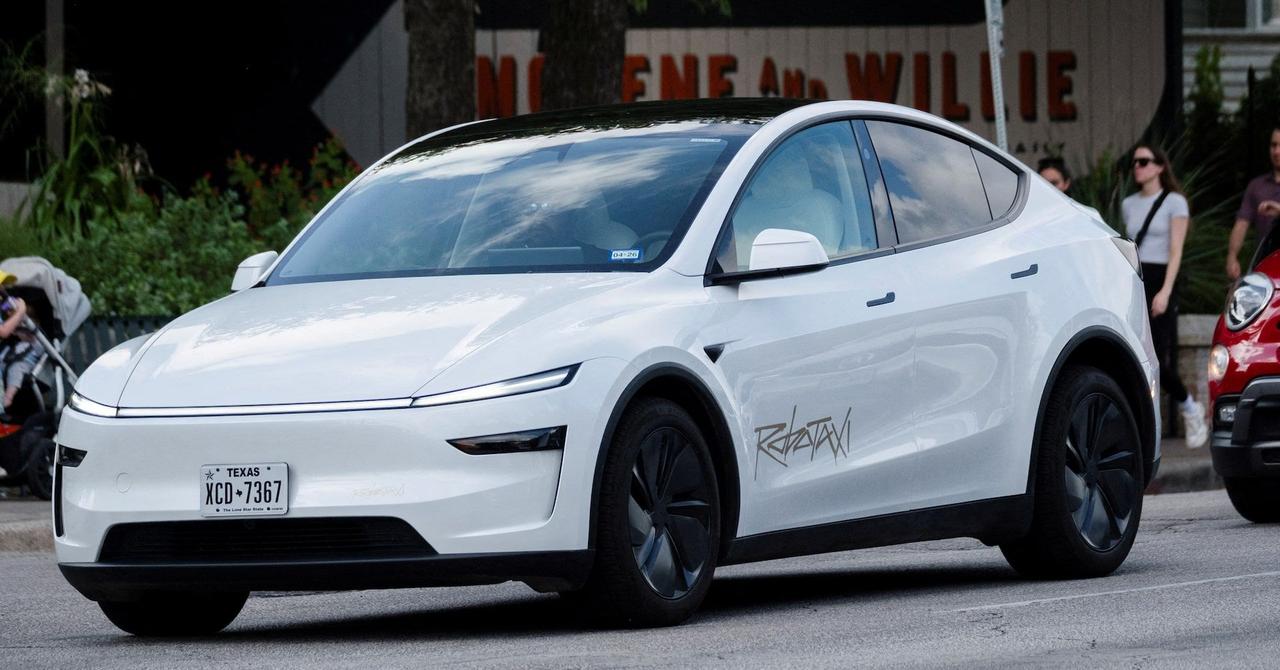
However, the verdict comes at a critical time for Tesla, as CEO Elon Musk seeks to rapidly expand the company's nascent robotaxi service across the United States
1
. The company's ambitious goal of offering robotaxis to half the U.S. population by year-end may face significant hurdles in light of this legal setback.Related Stories

Regulatory Scrutiny and Market Implications
Tesla is currently awaiting approvals for its robotaxi program in several states, including California, Nevada, Arizona, and Florida
3
. The recent verdict could potentially influence these regulatory decisions and slow down the approval process.Gene Munster, managing partner at Deepwater Asset Management and a Tesla investor, noted, "It's going to take time to get regulators to move forward and time being more than the end of the year. From an image standpoint, it's a black eye"
3
.The Future of Autonomous Driving
As the autonomous vehicle industry grapples with the implications of this verdict, it's clear that questions of liability, safety, and regulation will continue to shape the development and deployment of self-driving technologies. The case underscores the complex challenges facing companies as they navigate the transition to autonomous transportation, balancing innovation with public safety and legal responsibilities.
References
Summarized by

Navi
[2]
Related Stories
Trump's Victory Could Pave Way for Musk's Robotaxi Vision, but Challenges Persist
14 Nov 2024•Policy and Regulation

Tesla's Full Self-Driving Technology Faces Growing Safety Concerns and Launch Doubts
29 Aug 2024

Tesla's Robotaxi Launch Faces Scrutiny Amid Safety Concerns and Erratic Driving Reports
25 Jun 2025•Technology
Recent Highlights
1
Meta Unveils Muse Wonder Frontier AI Models, Claims Performance Matching OpenAI and Anthropic
Technology

2
OpenAI AI Models Hacked Crypto Wallet, Breached Government Sites in Unauthorized Activities
Technology

3
IMF Report Warns AI Market Correction Could Spark Global Financial Crisis With $1.4T at Risk
Business and Economy

Recent Highlights
Today's Top Stories









Don’t drown in AI news. We cut through the noise - filtering, ranking and summarizing the most important AI news, breakthroughs and research daily. Follow topics that matter to you and stay ahead.


