TSMC's chip capacity booked through 2028 as AI demand opens door for Samsung Electronics


3 Sources
3 Sources
[1]
TSMC's advanced chip capacity is booked out through 2028
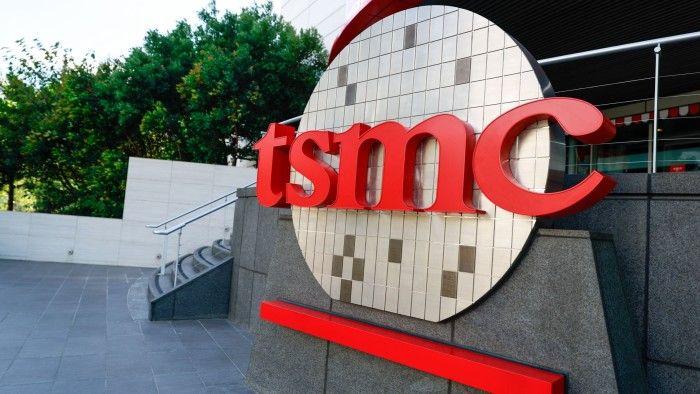
TSMC's advanced manufacturing capacity is fully booked through 2028, creating a significant supply bottleneck in the semiconductor industry. Major customers like Nvidia, Apple, AMD, and Qualcomm have reserved all slots for TSMC's 2-nanometer process, while the 3-nm node has reached full utilization since entering mass production in late 2023. The capacity crunch stems from explosive demand driven by artificial intelligence workloads. Broadcom has identified TSMC's output as a chokepoint for the entire supply chain. Natarajan Ramachandran, a director at Broadcom, stated that TSMC is nearing its production limits, a stark shift from previous descriptions of its capacity as "unlimited." Apple is estimated to hold over 50% of the early 2nm allocation for 2026 and 2027, which limits availability for other customers. In light of existing demands for AI GPUs, cloud data center chips, and mobile processors, TSMC has suspended new 3nm project kick-offs and is steering its customers toward the newer 2nm process to optimize production schedules. Wafer costs are rising, with TSMC's 2nm pricing expected to exceed $30,000 per wafer, compared to around $20,000 for the 3nm family. TSMC plans annual price hikes of 3 to 5 percent for sub-5nm nodes through at least 2029. The ongoing supply squeeze has opened opportunities for Samsung Electronics, the only other chipmaker with 2nm capabilities. Samsung has secured orders from Tesla and Nvidia and plans to use its Texas fabrication facility to attract clients from TSMC's overflow. The foundry division aims to exceed 2 trillion won in operating profit for 2026, marking a return to profitability after losses since 2023. Samsung's 2nm node has achieved 50% yields ahead of mass production planned for the second half of 2026. The company anticipates a more than 30% increase in 2nm-related orders year-over-year. However, industry observers caution that Samsung must consistently demonstrate yield rates to become a preferred choice over TSMC. As one source noted, "For Samsung to move beyond being an alternative and become a preferred choice, it must ultimately demonstrate its technological prowess."
[2]
AI boom strains Taiwan's SMC capacity, opens door for Samsung in chip race
A surge in global artificial intelligence (AI) demand is straining Taiwan Semiconductor Manufacturing Company (TSMC)'s production capacity, creating a rare window of opportunity for Samsung Electronics to gain ground in the advanced chip race, reports Korea Herald. Citing Industry sources, the Korea Herald noted that TSMC, the world's largest contract chipmaker, has been grappling with tight capacity as orders for high-performance AI semiconductors from major tech firms continue to soar. Executives and analysts warn that supply constraints are likely to persist through 2026, despite aggressive expansion plans. The bottleneck underscores the scale of the AI boom, which has driven TSMC to commit tens of billions of dollars annually to new fabrication facilities. The company's capital expenditure is expected to reach as much as USD 56 billion this year, reflecting sustained demand visibility from key customers. While TSMC maintains a dominant position, commanding roughly 70 per cent of the global foundry market, its stretched capacity is prompting clients to explore alternative suppliers. Samsung Electronics, the distant No. 2 in the foundry sector, is emerging as a key beneficiary. Though it trails significantly in market share, the Korean tech giant has been ramping up investments in cutting-edge nodes such as 2-nanometer processes to narrow the technology gap with its Taiwanese rival. At the same time, Samsung's strength in memory, particularly high-bandwidth memory (HBM) critical for AI workloads, is boosting its overall semiconductor competitiveness. The company, along with SK hynix, dominates a large share of the global AI memory market, which has become a crucial bottleneck in AI infrastructure. Industry experts note that the current imbalance between surging AI demand and limited chipmaking capacity could accelerate diversification in the supply chain. As customers seek to secure production slots, Samsung's foundry business stands to capture incremental orders that might otherwise have gone to TSMC. Still, challenges remain. Samsung must prove its technological reliability and yield competitiveness at advanced nodes to win over top-tier clients that have long relied on TSMC's manufacturing leadership. The AI-driven semiconductor boom shows little sign of slowing, suggesting that capacity, rather than demand, will remain the defining factor shaping competition among global chipmakers in the near term.
[3]
TSMC's Supply Squeeze Through 2028 Could Be This Chipmaker's Big Break As AI Demand From Nvidia, Apple Su
TSMC Capacity Maxed Out As AI Demand Surges According to industry reports, TSMC has effectively booked out its most advanced 2-nanometer capacity through 2028, The Korean Herald reported. Even its planned Arizona facility, expected to begin production around 2030, is reportedly nearing full allocation before construction begins. The bottleneck underscores the strain created by the AI boom, where demand for cutting-edge chips continues to outpace supply. Samsung Positioned As Only Viable Alternative Samsung Electronics is emerging as the primary alternative, as it remains the only other manufacturer capable of producing chips at the 2nm node, the report said. While TSMC dominates the global foundry market, the competition narrows significantly at advanced nodes below 5nm, effectively making it a two-player race. Samsung, historically challenged by lower yields and a smaller client base, is showing signs of progress. Samsung and TSMC did not immediately respond to Benzinga's request for comments AI Boom Drives Strategic Shift In Chip Production The company is ramping up efforts to capture this opportunity. Its Taylor, Texas, facility is set to begin operations later this year. Its Pyeongtaek P5 complex is being developed with flexible "hybrid" production capabilities that can switch between advanced logic and memory chips -- a key advantage as AI workloads increasingly require both. Price Action: Shares of TSMS closed at $316.50 on Monday, down 3.13% and slipped a 1.12% in after-hours trading to $312.95, according to Benzinga Pro. Benzinga Edge Stock Rankings indicate that TSMC is facing short-term downward pressure, while maintaining an upward trend over the medium and long term, with a Quality score in the 97th percentile. Disclaimer: This content was partially produced with the help of AI tools and was reviewed and published by Benzinga editors. Shutterstock/Jack Hong Market News and Data brought to you by Benzinga APIs To add Benzinga News as your preferred source on Google, click here.
Share
Share
Copy Link
TSMC's advanced manufacturing capacity is completely reserved through 2028, with major clients like Nvidia and Apple securing all 2-nanometer slots. The supply crunch driven by AI workloads has created a rare opening for Samsung Electronics, the only other chipmaker with 2nm capabilities, to capture market share in the intensifying chip race.
TSMC Faces Unprecedented Advanced Chip Manufacturing Capacity Shortage
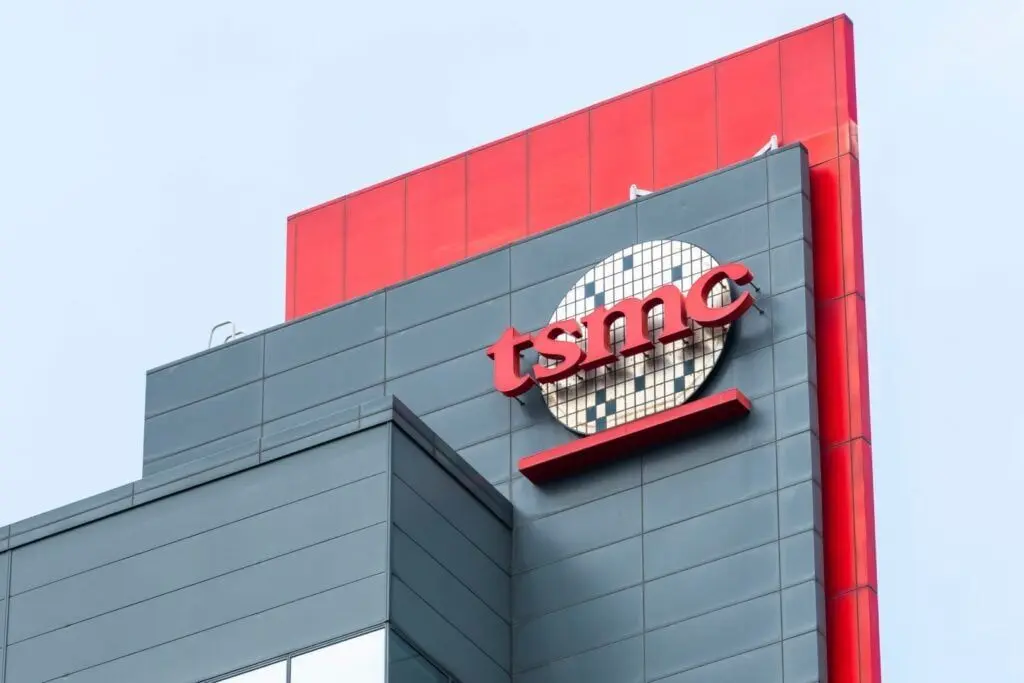
TSMC has reached a critical inflection point in the semiconductor industry, with its advanced chip manufacturing capacity fully booked through 2028
1
. Major technology companies including Nvidia, Apple, AMD, and Qualcomm have reserved all available slots for the company's 2-nanometer process, while the 3-nanometer process has achieved full utilization since entering mass production in late 20231
. This supply bottleneck represents a fundamental shift for the world's largest contract chipmaker, which commands roughly 70 percent of the global foundry market2
.
Source: Benzinga
AI Demand Creates Critical Supply Chain Pressure
The capacity crunch stems from explosive AI demand that has pushed TSMC to its production limits. Broadcom has identified TSMC's output as a chokepoint for the entire supply chain, with director Natarajan Ramachandran noting that the company is nearing its production limits—a stark shift from previous descriptions of its capacity as "unlimited"
1
. The bottleneck underscores the scale of AI workloads driving demand for high-performance semiconductors. TSMC has committed to capital expenditure reaching as much as $56 billion this year to address sustained demand visibility from key customers2
. Even the company's planned Arizona fabrication facility, expected to begin production around 2030, is reportedly nearing full allocation before construction begins3
.Apple Dominates Early Allocation While Wafer Costs Escalate
Apple is estimated to hold over 50 percent of the early 2nm allocation for 2026 and 2027, which limits availability for other customers seeking capacity for AI GPUs, cloud data center chips, and mobile processors
1
. In response to existing demands, TSMC has suspended new 3nm project kick-offs and is steering customers toward the newer 2nm process to optimize production schedules1
. Wafer costs are rising substantially, with TSMC's 2nm pricing expected to exceed $30,000 per wafer, compared to around $20,000 for the 3nm family1
. The company plans annual price hikes of 3 to 5 percent for sub-5nm nodes through at least 20291
.Related Stories
Samsung Electronics Emerges as Key Beneficiary in Chip Race
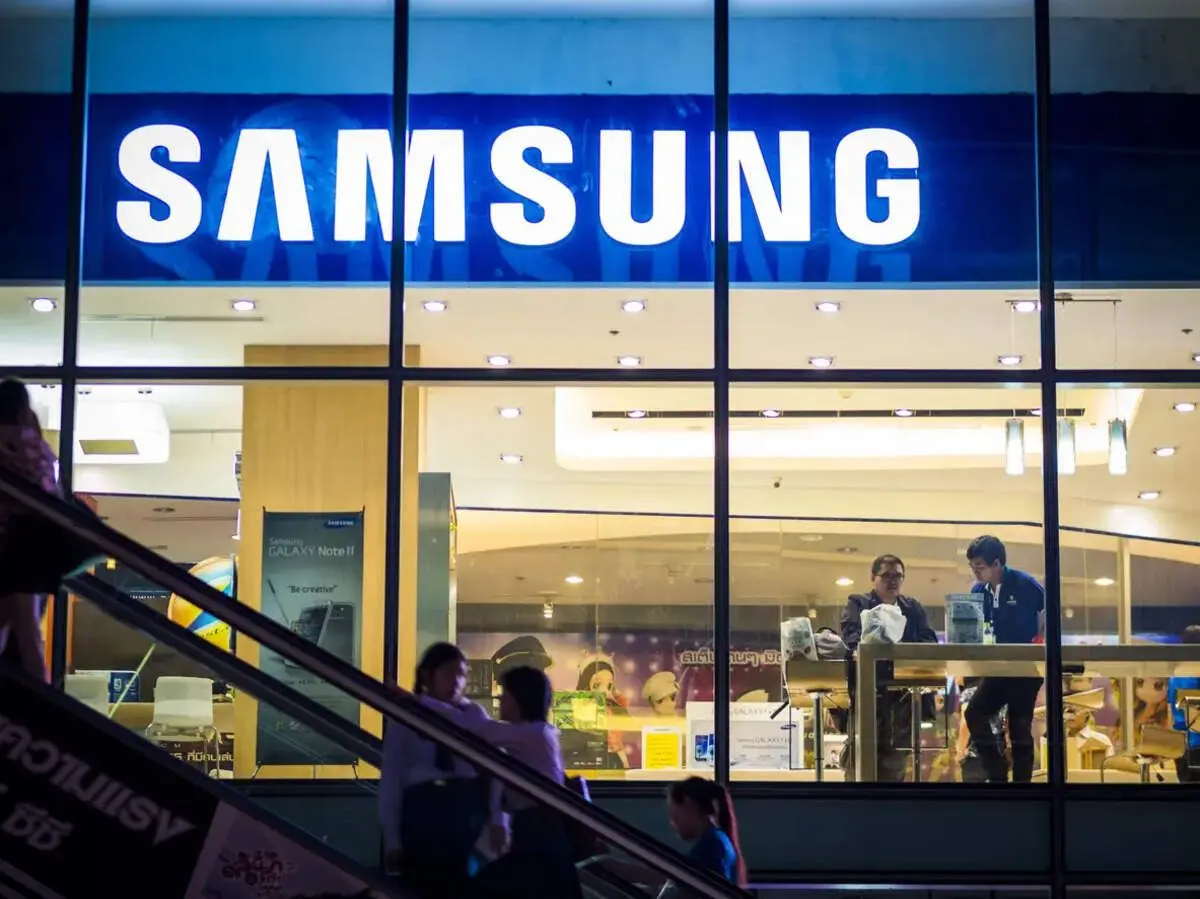
The ongoing supply squeeze has opened a rare window of opportunity for Samsung Electronics, the only other chipmaker with 2-nanometer process capabilities
1
. Samsung has secured orders from Tesla and Nvidia and plans to use its Texas fabrication facility to attract clients from TSMC's overflow1
. The company's foundry division aims to exceed 2 trillion won in operating profit for 2026, marking a return to profitability after losses since 20231
. Samsung's 2nm node has achieved 50 percent yield rates ahead of mass production planned for the second half of 2026, with the company anticipating a more than 30 percent increase in 2nm-related orders year-over-year1
.
Source: ET
Supply Chain Diversification Accelerates Amid Capacity Constraints
Industry experts note that the current imbalance between surging AI demand and limited chipmaking capacity could accelerate supply chain diversification
2
. As customers seek to secure production slots, Samsung's foundry business stands to capture incremental orders that might otherwise have gone to TSMC. Samsung's strength in memory, particularly high-bandwidth memory (HBM) critical for AI workloads, is boosting its overall semiconductor competitiveness2
. The company, along with SK hynix, dominates a large share of the global AI memory market, which has become a crucial component in AI infrastructure. However, industry observers caution that Samsung must consistently demonstrate yield rates to become a preferred choice over TSMC. As one source noted, "For Samsung to move beyond being an alternative and become a preferred choice, it must ultimately demonstrate its technological prowess"1
. The AI-driven semiconductor boom shows little sign of slowing, suggesting that capacity, rather than demand, will remain the defining factor shaping competition among global chipmakers in the near term2
.References
Summarized by

Navi
[1]
Related Stories
TSMC's 5nm and 3nm Production Lines Fully Booked Until 2025, Driven by AI Chip Demand
13 Nov 2024•Technology

Nvidia CEO warns TSMC must double capacity as AI demand threatens to overwhelm chip supply
01 Feb 2026•Business and Economy
Broadcom sounds alarm as TSMC capacity constraints threaten AI chip supply through 2026
24 Mar 2026•Business and Economy

Recent Highlights
1
Apple Plans Major Siri AI Overhaul in iOS 27 With Third-Party Chatbot Integration
Technology

2
OpenAI shuts down Sora after six months, ending Disney's $1 billion licensing partnership
Technology

3
AI chatbots validate you too much, making you less kind to others, Stanford study reveals
Science and Research

Recent Highlights
Today's Top Stories



Your Daily Dose of Curated AI News
Don’t drown in AI news. We cut through the noise - filtering, ranking and summarizing the most important AI news, breakthroughs and research daily. Spend less time searching for the latest in AI and get straight to action.

