US calls Taiwan 'vital partner' after high-level tech and AI talks on semiconductors and drones


3 Sources
3 Sources
[1]
US calls Taiwan 'vital partner' after high-level tech and AI talks
TAIPEI, Jan 28 (Reuters) - Senior Taiwanese and U.S. officials discussed cooperation in artificial intelligence, tech and drones at a high-level forum begun during the first Trump administration, with the U.S. State Department praising Taipei as a "vital partner." The U.S. is Taiwan's most important international backer and arms supplier despite the lack of formal diplomatic ties. The U.S.-Taiwan Economic Prosperity Partnership Dialogue first took place in November 2020. In a statement on Tuesday, the State Department said the sixth round of talks took place, led by Under Secretary for Economic Affairs Jacob Helberg and Taiwan Economy Minister Kung Ming-hsin, who is visiting the U.S. The two sides signed statements on the Pax Silica Declaration - a U.S.-led initiative to secure AI and semiconductor supply chains - and U.S.-Taiwan cooperation on economic security, the State Department said. "Taiwan is a vital partner on these and other important economic initiatives and its advanced manufacturing sector plays a key role in fuelling the AI revolution," it added. The talks also featured exchanges on supply chain security, including how it relates to AI, certification on drone components and cooperation on critical minerals, the State Department said. "Discussions focused on highlighting progress in responding to economic coercion, pursuing mutual cooperation in third countries and addressing tax-related barriers to increase investment between the United States and Taiwan," it said. Taiwan, a major producer of advanced semiconductors that power AI, has long pushed for an agreement to avoid double taxation, saying it would boost bilateral investment. In a separate statement, Taiwan's economy ministry said both sides agreed that peace and stability across the Taiwan Strait are "crucial to global economic security and prosperity." Taiwan and the U.S. also discussed undersea cable security, low-Earth-orbit satellite cooperation and the training of high-tech talent, it added. Taiwan has accused China of being involved in damaging undersea telecom and internet cables, which Beijing denies, and is expanding the use of low-Earth-orbit satellites for back-up communications should China sever the cables during an attack on the island. Taiwan and the U.S. earlier this month reached a deal to cut tariffs on Taiwan's exports to the U.S. and boost Taiwanese investment in semiconductors and other sectors in the country. China routinely objects to any interactions between Taiwanese and U.S. officials, saying Taiwan is an internal affair and a red line that Washington should not cross. Taiwan's government rejects Beijing's sovereignty claims, saying only the island's people can decide their future. Reporting by Ben Blanchard; Editing by Thomas Derpinghaus Our Standards: The Thomson Reuters Trust Principles., opens new tab * Suggested Topics: * Artificial Intelligence Ben Blanchard Thomson Reuters Ben joined Reuters as a company news reporter in Shanghai in 2003 before moving to Beijing in 2005 to cover Chinese politics and diplomacy. In 2019 Ben was appointed the Taiwan bureau chief covering everything from elections and entertainment to semiconductors.
[2]
US calls Taiwan 'vital partner' after high-level tech and AI talks
Senior Taiwanese and US officials discussed cooperation in artificial intelligence, tech and drones at a high-level forum begun during the first Trump administration, with the US State Department praising Taipei as a "vital partner." The US is Taiwan's most important international backer and arms supplier despite the lack of formal diplomatic ties. The U.S.-Taiwan Economic Prosperity Partnership Dialogue first took place in November 2020. In a statement on Tuesday, the State Department said the sixth round of talks took place, led by Under Secretary for Economic Affairs Jacob Helberg and Taiwan Economy Minister Kung Ming-hsin, who is visiting the US. The two sides signed statements on the Pax Silica Declaration - a US-led initiative to secure AI and semiconductor supply chains - and US-Taiwan cooperation on economic security, the State Department said. "Taiwan is a vital partner on these and other important economic initiatives and its advanced manufacturing sector plays a key role in fuelling the AI revolution," it added. The talks also featured exchanges on supply chain security, including how it relates to AI, certification on drone components and cooperation on critical minerals, the State Department said. "Discussions focused on highlighting progress in responding to economic coercion, pursuing mutual cooperation in third countries and addressing tax-related barriers to increase investment between the United States and Taiwan," it said. Taiwan, a major producer of advanced semiconductors that power AI, has long pushed for an agreement to avoid double taxation, saying it would boost bilateral investment. In a separate statement, Taiwan's economy ministry said both sides agreed that peace and stability across the Taiwan Strait are "crucial to global economic security and prosperity." Taiwan and the US also discussed undersea cable security, low-Earth-orbit satellite cooperation and the training of high-tech talent, it added. Taiwan has accused China of being involved in damaging undersea telecom and internet cables, which Beijing denies, and is expanding the use of low-Earth-orbit satellites for back-up communications should China sever the cables during an attack on the island. Taiwan and the US earlier this month reached a deal to cut tariffs on Taiwan's exports to the US and boost Taiwanese investment in semiconductors and other sectors in the country. China routinely objects to any interactions between Taiwanese and US officials, saying Taiwan is an internal affair and a red line that Washington should not cross. Taiwan's government rejects Beijing's sovereignty claims, saying only the island's people can decide their future.
[3]
US calls Taiwan 'vital partner' after high-level tech and AI talks
TAIPEI, Jan 28 (Reuters) - Senior Taiwanese and U.S. officials discussed cooperation in artificial intelligence, tech and drones at a high-level forum begun during the first Trump administration, with the U.S. State Department praising Taipei as a "vital partner." The U.S. is Taiwan's most important international backer and arms supplier despite the lack of formal diplomatic ties. The U.S.-Taiwan Economic Prosperity Partnership Dialogue first took place in November 2020. In a statement on Tuesday, the State Department said the sixth round of talks took place, led by Under Secretary for Economic Affairs Jacob Helberg and Taiwan Economy Minister Kung Ming-hsin, who is visiting the U.S. The two sides signed statements on the Pax Silica Declaration - a U.S.-led initiative to secure AI and semiconductor supply chains - and U.S.-Taiwan cooperation on economic security, the State Department said. "Taiwan is a vital partner on these and other important economic initiatives and its advanced manufacturing sector plays a key role in fuelling the AI revolution," it added. The talks also featured exchanges on supply chain security, including how it relates to AI, certification on drone components and cooperation on critical minerals, the State Department said. "Discussions focused on highlighting progress in responding to economic coercion, pursuing mutual cooperation in third countries and addressing tax-related barriers to increase investment between the United States and Taiwan," it said. Taiwan, a major producer of advanced semiconductors that power AI, has long pushed for an agreement to avoid double taxation, saying it would boost bilateral investment. In a separate statement, Taiwan's economy ministry said both sides agreed that peace and stability across the Taiwan Strait are "crucial to global economic security and prosperity." Taiwan and the U.S. also discussed undersea cable security, low-Earth-orbit satellite cooperation and the training of high-tech talent, it added. Taiwan has accused China of being involved in damaging undersea telecom and internet cables, which Beijing denies, and is expanding the use of low-Earth-orbit satellites for back-up communications should China sever the cables during an attack on the island. Taiwan and the U.S. earlier this month reached a deal to cut tariffs on Taiwan's exports to the U.S. and boost Taiwanese investment in semiconductors and other sectors in the country. China routinely objects to any interactions between Taiwanese and U.S. officials, saying Taiwan is an internal affair and a red line that Washington should not cross. Taiwan's government rejects Beijing's sovereignty claims, saying only the island's people can decide their future. (Reporting by Ben Blanchard; Editing by Thomas Derpinghaus)
Share
Share
Copy Link
Senior US and Taiwanese officials held their sixth round of high-level tech and AI talks, signing agreements on AI and semiconductor supply chain security. The US State Department praised Taiwan as a vital partner whose advanced manufacturing sector fuels the AI revolution, while discussions covered drones, critical minerals, and economic security cooperation amid growing geopolitical tensions.
US Deepens Tech Cooperation with Taiwan Through Strategic Dialogue
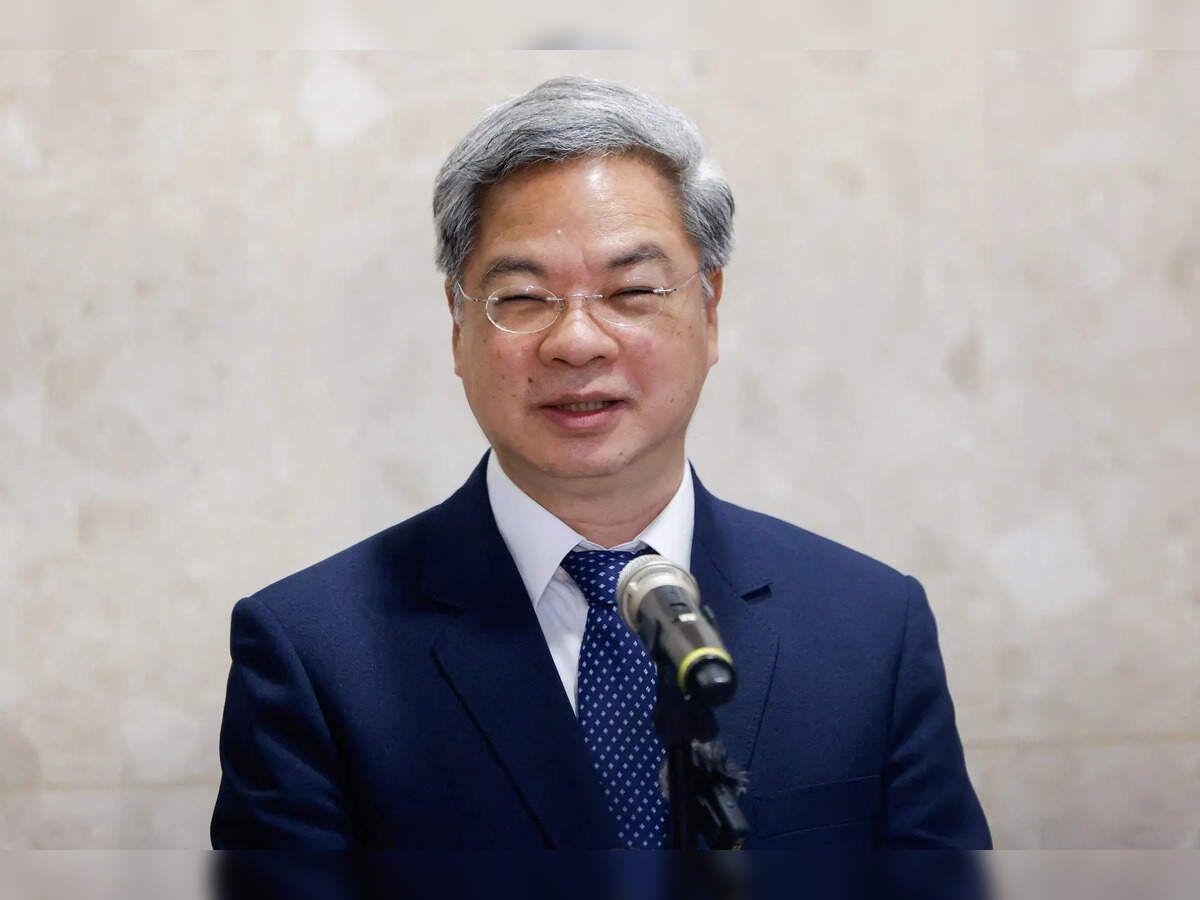
The United States has reinforced its commitment to Taiwan through high-level tech and AI talks that underscore the island's critical role in global technology infrastructure. Under Secretary for Economic Affairs Jacob Helberg and Taiwan Economy Minister Kung Ming-hsin led the sixth round of the U.S.-Taiwan Economic Prosperity Partnership Dialogue, a forum first established in November 2020 during the first Trump administration
1
. The U.S. State Department characterized Taiwan as a "vital partner" whose advanced manufacturing sector plays a key role in fueling the AI revolution, signaling the depth of economic security cooperation between the two nations2
.
Source: ET
Securing AI and Semiconductor Supply Chains Through the Pax Silica Declaration
At the core of these high-level tech and AI talks was the signing of statements on the Pax Silica Declaration, a US-led initiative designed to secure AI and semiconductor supply chains against disruption and economic coercion
3
. Taiwan's position as a major producer of advanced semiconductors that power Artificial Intelligence (AI) systems makes this tech cooperation essential for both nations' national security interests. The discussions emphasized supply chain security, particularly how it relates to AI development, alongside drone component certification and cooperation on critical minerals1
. Both sides also addressed tax-related barriers to increase bilateral investment, with Taiwan continuing to push for a double taxation agreement that could unlock greater capital flows between the two economies.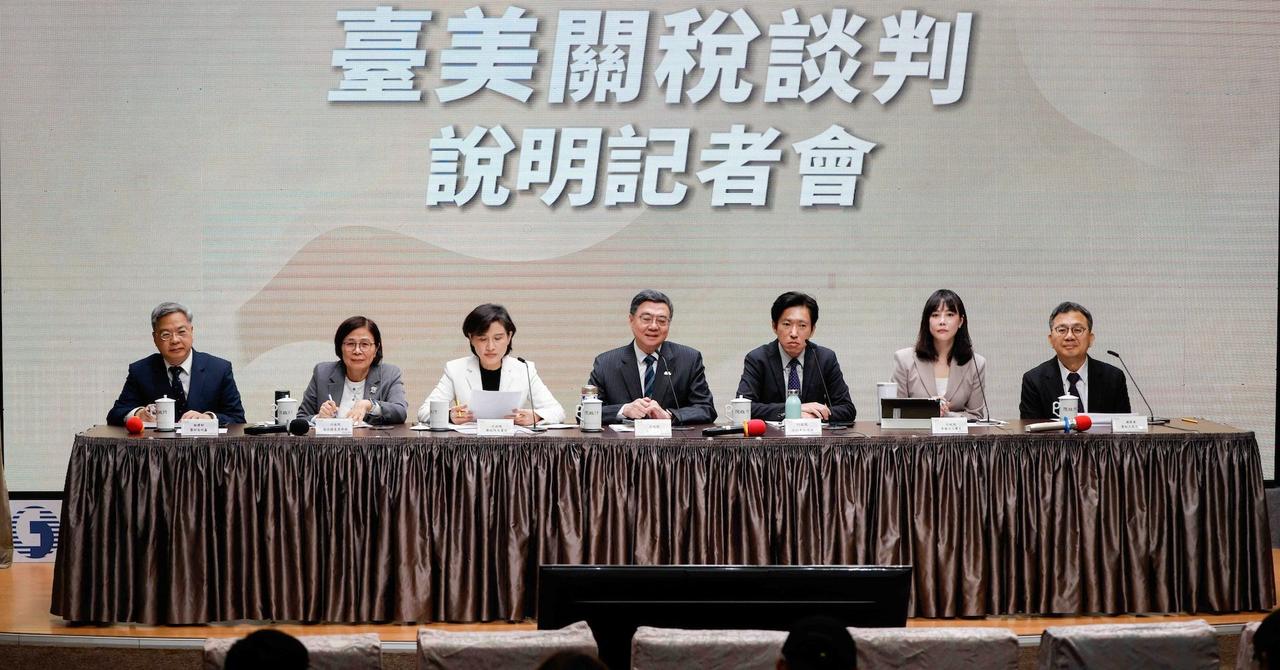
Source: Reuters
Expanding Digital Economy Infrastructure and Defense Capabilities
Beyond semiconductors and drones, US-Taiwan relations now encompass critical digital infrastructure that supports the broader digital economy. The talks covered undersea cable security and low-Earth-orbit satellite cooperation, areas of increasing importance given Taiwan's accusations that China has been involved in damaging undersea telecom and internet cables
2
. Taiwan is expanding its use of low-Earth-orbit satellites as backup communications infrastructure should China sever cables during a potential attack. The discussion also included training of high-tech talent, recognizing that human capital remains central to maintaining technological leadership in advanced manufacturing and AI development.Related Stories
Geopolitical Stability and the Taiwan Strait
Taiwan's economy ministry emphasized that both sides agreed peace and stability across the Taiwan Strait are "crucial to global economic security and prosperity"
1
. This statement carries significant weight given that Taiwan produces the majority of the world's most advanced chips, making any disruption to the island's operations a potential crisis for the global tech industry. The talks focused on highlighting progress in responding to economic coercion and pursuing mutual cooperation in third countries, suggesting both nations are building resilience against pressure tactics. China routinely objects to interactions between Taiwanese and US officials, viewing Taiwan as an internal affair, though Taiwan's government rejects Beijing's sovereignty claims. Earlier this month, the two sides reached a deal to cut tariffs on Taiwan's exports to the US and boost Taiwanese investment in semiconductors and other sectors, further cementing their economic interdependence and strengthening geopolitical stability in the region.References
Summarized by

Navi
[3]
Related Stories
Taiwan and U.S. strike $500 billion trade deal to build strategic AI partnership and chip dominance
16 Jan 2026•Policy and Regulation
Trump's Comments on Taiwan's Defense Payments Spark Controversy and Market Reaction
17 Jul 2024

Taiwan's Crucial Role in the $1.3 Trillion AI Future
31 Oct 2024•Technology

Recent Highlights



Recent Highlights
Today's Top Stories










Your Daily Dose of Curated AI News
Don’t drown in AI news. We cut through the noise - filtering, ranking and summarizing the most important AI news, breakthroughs and research daily. Spend less time searching for the latest in AI and get straight to action.

