Taiwan and U.S. strike $500 billion trade deal to build strategic AI partnership and chip dominance


4 Sources
[1]
Taiwan VP declares that U.S. deal won't erode island's chip industry -- says Section 232 tariffs won't apply, 'the U.S. will grant Taiwan the most favorable treatment: zero tariffs within the quota'
The trade deal is a win-win for both Taiwan and the U.S. if Taiwanese chips get preferential treatment even outside the quota. Taiwan Vice Premier Cheng Li-chiun said that the recent U.S.-Taiwan trade deal will not erode the island's chip industry, often considered as its "silicon shield" against
[2]
Taiwan aims to be strategic AI partner with US under tariff deal
The Trump administration has pushed Taiwan, a major semiconductor producer, to invest more in the U.S., specifically in making the chips that are powering the trend towards AI. Taiwan aims to become a close strategic artificial intelligence partner with the United States thanks to a deal to
[3]
US, Taiwan sign $250 bil. trade deal, cutting tariffs on Taiwanese goods - The Korea Times
HONG KONG -- The United States and Taiwan reached a trade deal Thursday that cuts tariffs on Taiwanese goods in exchange for $250 billion in new investments in the U.S. tech industry. The deal is the latest President Donald Trump has struck -- such as those with the European Union and Japan --
[4]
Taiwan says it will lead 'democratic' high-tech supply chain with US
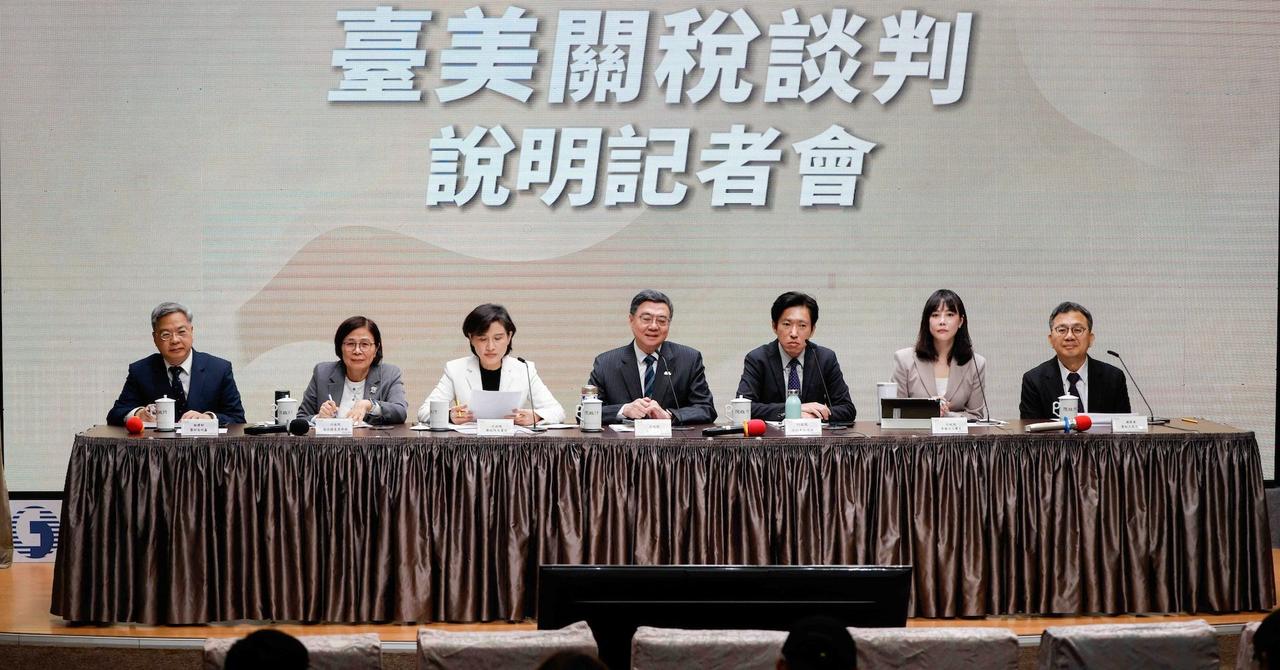
TAIPEI, Jan 20 (Reuters) - Taiwan aims to build a "democratic" high-tech supply chain with the United States and form a strategic AI partnership under the new tariffs deal it sealed with Washington last week, Taipei's top negotiator in the talks said on Tuesday. U.S. President Donald Trump has
Share
Copy Link
Taiwan and the United States have finalized a trade agreement that slashes tariffs from 20% to 15% in exchange for $250 billion in Taiwanese investment in semiconductors, energy, and AI operations. The deal includes another $250 billion in credit guarantees and offers zero tariffs within manufacturing quotas, aiming to reshape America's semiconductor sector while preserving Taiwan's vital chip industry.
Taiwan U.S. Trade Deal Cuts Tariffs and Secures Chip Partnership
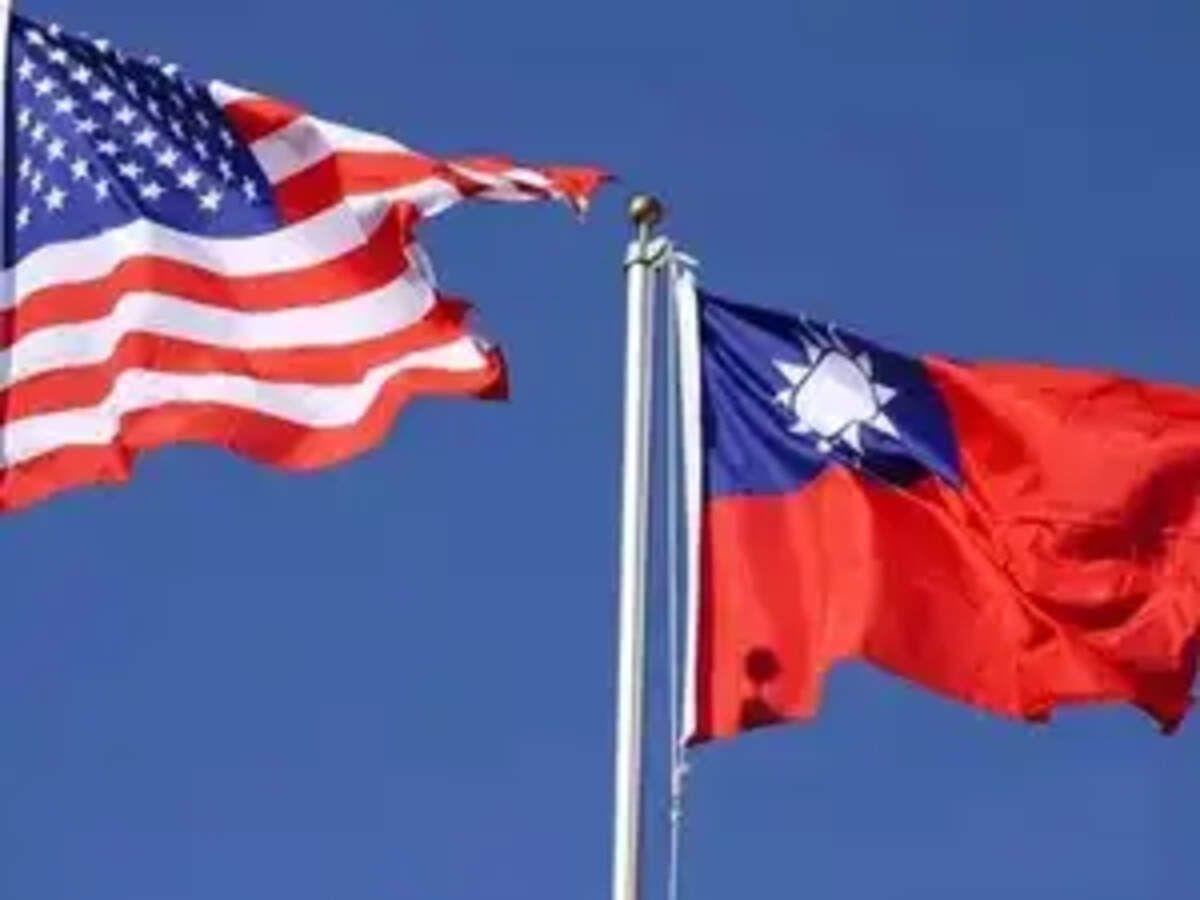
Taiwan and the United States have reached a landmark agreement that fundamentally reshapes their economic relationship while addressing concerns about semiconductor supply chains and artificial intelligence development. The Taiwan U.S. trade deal, announced last week, reduces tariffs on Taiwanese goods from 20% to 15%, matching rates applied to other Asia-Pacific trading partners like Japan and South Korea
3
. In exchange, Taiwanese companies will invest $250 billion to increase production of semiconductors, energy, and artificial intelligence in the U.S., with the Taiwanese government offering an additional $250 billion in credit guarantees to facilitate further expansion2
.
Source: ET
Zero Tariffs Within the Quota and Preferential Treatment
The deal includes significant incentives for semiconductor manufacturing expansion. Chipmakers like TSMC that invest in U.S. production will benefit from zero tariffs within the quota, specifically on chips made in Taiwan that are within 2.5 times of a company's current Stateside manufacturing capacity during construction
1
. Once facilities are completed, this limit falls to 1.5 times, but still without import taxes. Vice Premier Cheng Li-chiun emphasized that even chips exceeding these limits will receive preferential treatment, shielding Taiwan from the potential 300% tariff President Donald Trump has considered for semiconductors1
. The U.S. Department of Commerce also announced exemptions for certain imports including generic pharmaceuticals and aircraft components from Taiwan3
.Protecting Taiwan's Vital Chip Industry From Erosion
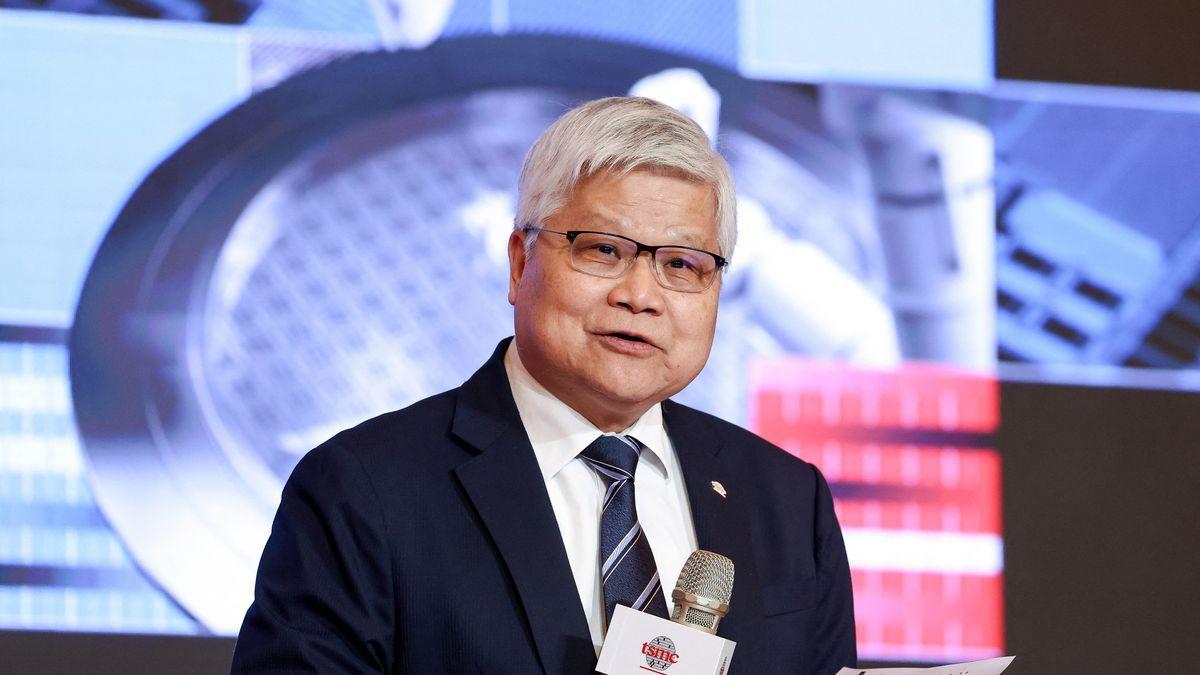
Concerns that the massive Taiwanese investment in the U.S. might hollow out Taiwan's vital chip industry have been directly addressed by government officials. Cheng Li-chiun told reporters this is "not supply-chain relocation; rather, it is support for Taiwan's high-tech industries to extend their strength abroad -- through addition, and even multiplication -- to expand a strong international footprint in the United States"
4
. Taiwan has taken steps to ensure its most advanced technologies remain on the island, while also refusing a proposal to move half of U.S.-bound chip production to American shores1
. The investment plan is company-led rather than government-directed, and Taiwan companies will continue to invest at home2
.
Source: Market Screener
Related Stories
Building a Strategic AI Partner and High-Tech Supply Chain
Taiwan aims to become a strategic AI partner with the United States through this agreement, positioning both nations to lead in artificial intelligence development. "In this negotiation we promoted two-way Taiwan-U.S. high-tech investment, hoping that in the future we can become close AI strategic partners," Cheng said during a news conference in Washington
2
. The Vice Premier articulated a broader vision: "We hope in the future it will be 'Taiwan-U.S. can lead,' with the two sides joining forces and, under the wave of AI, working together to build a high-tech supply chain for the democratic camp. This is our strategic objective"4
. The U.S. Department of Commerce described the agreement as "a historic trade deal that will drive a massive reshoring of America's semiconductor sector" through the establishment of world-class U.S.-based industrial parks3
.TSMC Investment Aligns With Trade Agreement
The timing of the deal coincided with major announcements from TSMC, the world's largest chipmaker and a key player in cutting tariffs on Taiwanese goods negotiations. TSMC revealed plans to increase capital spending by nearly 40% this year to $52 billion-$56 billion, up from about $40 billion in 2025
3
. The company has pledged around $165 billion of investments in the U.S. and is accelerating construction of new plants in Arizona to create a fabrication plant cluster3
. Of the $250 billion total Taiwanese investment commitment, $100 billion has already been committed by TSMC in 2025, with more expected according to U.S. Commerce Secretary Howard Lutnick2
. The deal also encourages U.S. investment flowing into Taiwan, creating a truly bidirectional partnership2
.
Source: Korea Times
References
Summarized by

Navi
[3]
[4]
Related Stories
TSMC Announces $100 Billion Investment in US Chip Manufacturing, Focusing on AI Chips
04 Mar 2025•Technology

US calls Taiwan 'vital partner' after high-level tech and AI talks on semiconductors and drones
28 Jan 2026•Policy and Regulation
Trump's Comments on Taiwan's Defense Payments Spark Controversy and Market Reaction
17 Jul 2024

Recent Highlights



Recent Highlights
Today's Top Stories



Don’t drown in AI news. We cut through the noise - filtering, ranking and summarizing the most important AI news, breakthroughs and research daily. Follow topics that matter to you and stay ahead.


