Xreal Raises $100 Million as Smart Glasses Competition Intensifies with Google Partnership


2 Sources
2 Sources
[1]
Smart Glasses Pioneer Xreal Raises $100 Million in New Funding
Xreal is collaborating with Alphabet Inc.'s Google on a pair of smart glasses running Google's Android XR platform that they plan to launch sometime in 2026. Smart glasses maker Xreal Inc. recently raised $100 million, its chief executive officer said, adding to the firm's coffers as competition in the category heats up. In an interview with Bloomberg Television, co-founder and CEO Chi Xu said the funding came from "supply chain partners" and other backers who he declined to disclose. The startup, which has an overall valuation above $1 billion, announced two new sets of glasses at the CES trade show in Las Vegas this week, including an upgraded entry-level pair, and said it has extended a partnership with Alphabet Inc.'s Google. The Chinese company and US search giant have been collaborating on a pair of smart glasses running Google's Android XR platform that they plan to launch sometime in 2026. The project is proceeding on schedule, Xu said in the interview. "We're really good at building optical modules and building chips. Google, they're really good at building AI and operating systems," Xu said, adding that he believes the best glasses hardware will result from collaboration -- not one company trying to do everything. At CES, a range of companies have showcased new wearables and AI-powered gadgets. Razer Inc. debuted concept headphones expected to launch this year, which feature built-in cameras for analyzing a user's surroundings. Lenovo Group Ltd.'s Motorola unit showed off a concept that took the form of a pendant necklace, also with a camera. Razer CEO Min-Liang Tan made the case in an interview with Bloomberg earlier this week that some consumers will prefer the headphone style since not everyone wears glasses -- and their natural position when worn on the head still allows the cameras to maintain an eye-level perspective. "I just met him a couple days ago, and we talked a little about that," Xu said of Tan, adding that he's confident glasses are the best solution. Xreal has faced mounting competition from tech giants including Meta Platforms Inc., which has led the category with its artificial intelligence-enabled Ray-Bans. Meta released a premium $799 model last year with a built-in display and unique wrist-worn band as it explores what features will resonate with consumers. "This is a big enough market, and I don't really see the form factor converging," Xu said, describing the smart glasses category as "an open race for everybody." Apple Inc. is expected to introduce its first smart glasses as early as this year after struggling to find momentum with the $3,499 Vision Pro headset, which received a minor update last fall. The company shelved an overhaul of the mixed-reality headset to prioritize AI glasses like those from Meta, Bloomberg has reported. "The challenge is it is too expensive. It is too heavy," Xu said of the Vision Pro. "We can deliver 80% of that kind of experience" in a lighter, far more affordable product, he added.
[2]
XReal Raises $100 Million and Unveils Latest Smart Glasses | PYMNTS.com
By completing this form, you agree to receive marketing communications from PYMNTS and to the sharing of your information with our sponsor, if applicable, in accordance with our Privacy Policy and Terms and Conditions. The company's latest funding came from its supply chain partners and other backers, Bloomberg reported Thursday (Jan. 8), citing a Bloomberg Television interview with XReal Co-founder and CEO Chi Xu. PYMNTS reported in February 2025 that artificial intelligence (AI) is driving a smart glasses boom, with several tech giants and about a dozen smaller companies making smart glasses and using the AI of popular large language models. AI has been a game-changer, as the latest AI-powered smart glasses are encased in traditional frame of various styles, so users don't look out of place in public, while also carrying serious electronics to power AI capabilities like online searches and translations. Over the past week, XReal unveiled two new smart glasses and two partnerships. The company introduced its XREAL 1S augmented reality (AR) glasses on Sunday (Jan. 4), saying they provide its most accessible and portable AR experiences "at an unbeatable value." This wearable device is designed for everyday users, gamers and fans of mobile entertainment. "With XREAL 1S, we're not only lowering the cost of entry, we're doing so while boosting specs and performance, and improving optics," Xu said in a press release. The company unveiled its ROG XREAL R1 AR Glasses on Monday (Jan. 5), saying these gaming glasses deliver visual performance, scale and immersion that transform the gaming experience. The company also announced that it had formed a strategic partnership with ASUS Republic of Gamers (ASUS ROG) to develop these glasses. "Our goal has always been to make spatial computing feel natural, powerful and wearable," Xu said in a press release. "By combining XREAL's leadership in lightweight XR hardware and proprietary optical systems with ASUS ROG's world-class gaming performance, we're making our goal a reality." XReal announced Tuesday (Jan. 6) that it extended its strategic partnership with Google and was named a lead hardware partner for the Android XR ecosystem. The companies will collaborate to bring the Android XR operating system to wired XR glasses and other optical-see-through devices and to expand support for Android XR development.
Share
Share
Copy Link
Smart glasses maker Xreal secured $100 million in new funding from supply chain partners as it expands its collaboration with Google on Android XR. The Chinese startup, valued above $1 billion, unveiled two new AR glasses models at CES 2026 and aims to deliver affordable spatial computing experiences as competition from Meta, Apple, and other tech giants heats up in the wearables market.
Xreal Secures $100 Million Funding Round
Smart glasses pioneer Xreal raises $100 million in fresh funding, bolstering its position as competition in the wearables category intensifies. Co-founder and CEO Chi Xu revealed in a Bloomberg Television interview that the funding came from supply chain partners and other undisclosed backers
1
. The Chinese startup maintains a valuation above $1 billion as it pushes forward with ambitious plans to democratize spatial computing2
.Expanding Collaboration with Google on Android XR Platform
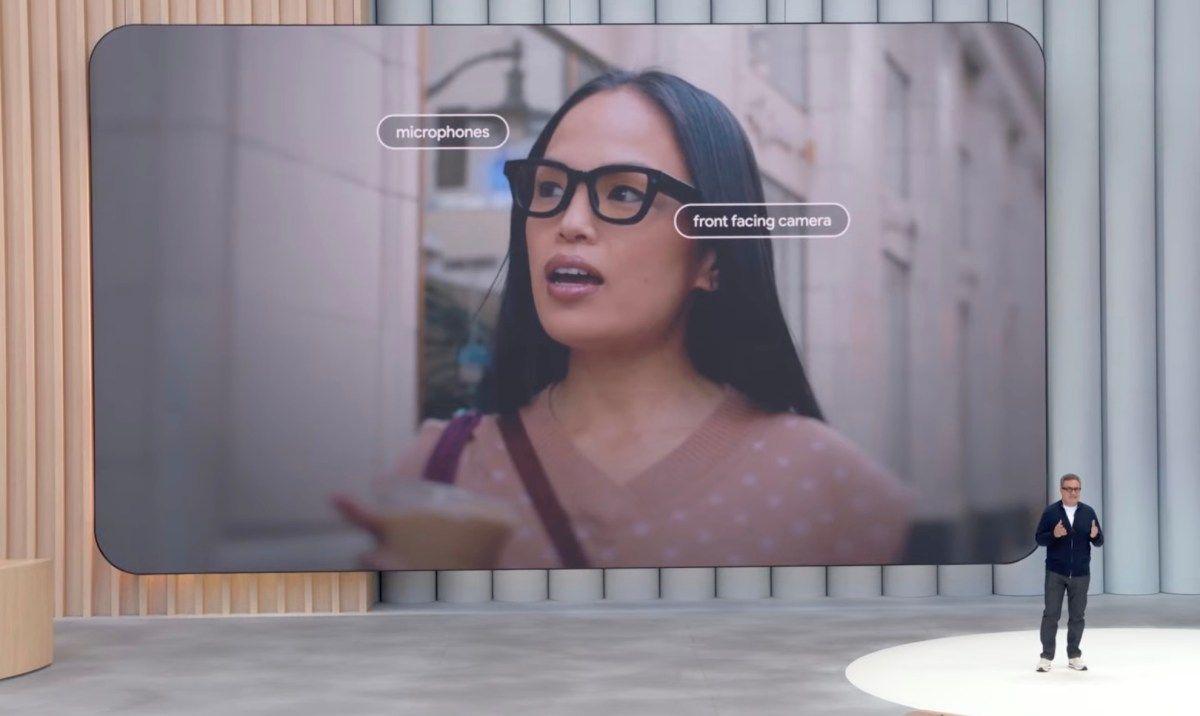
Xreal extended its strategic partnership with Google and was named a lead hardware partner for the Android XR ecosystem. The collaboration with Google focuses on developing smart glasses running Google's Android XR platform, with a planned launch sometime in 2026
1
. The project remains on schedule, according to Xu, who emphasized the complementary strengths each company brings. "We're really good at building optical modules and building chips. Google, they're really good at building AI and operating systems," Xu explained, arguing that the best glasses hardware results from collaboration rather than one company attempting everything1
. The companies will work together to bring the Android XR operating system to wired XR glasses and other optical-see-through devices2
.New Product Launches at CES Showcase Innovation
At the CES trade show in Las Vegas, Xreal announced two new sets of augmented reality (AR) glasses designed for different market segments. The XREAL 1S represents the company's most accessible and portable AR experience "at an unbeatable value," targeting everyday users, gamers, and mobile entertainment fans
2
.
Source: Bloomberg
"With XREAL 1S, we're not only lowering the cost of entry, we're doing so while boosting specs and performance, and improving optics," Xu stated
2
. The company also unveiled the ROG XREAL R1 AR Glasses through a strategic partnership with ASUS Republic of Gamers, specifically engineered to deliver visual performance and immersion that transform the gaming experience2
.Related Stories


Competing Against Tech Giants in the Smart Glasses Market
Xreal faces mounting competition from tech giants including Meta Platforms Inc., which has led the category with its artificial intelligence (AI)-enabled Ray-Bans. Meta released a premium $799 model last year with a built-in display and unique wrist-worn band as it explores features that resonate with consumers
1
. Apple Inc. is expected to introduce its first smart glasses as early as this year after struggling with the $3,499 Vision Pro headset, which received only a minor update last fall. Apple shelved an overhaul of the mixed-reality headset to prioritize AI glasses like those from Meta1
. Xu criticized the Vision Pro's limitations: "The challenge is it is too expensive. It is too heavy." He confidently asserted that Xreal "can deliver 80% of that kind of experience" in a lighter, far more affordable product1
.AI Drives Smart Glasses Boom Across Industry
Artificial intelligence has been driving a smart glasses boom, with several tech giants and about a dozen smaller companies developing wearables that leverage popular large language models
2
.
Source: PYMNTS
At CES, various companies showcased new AI-powered gadgets. Razer Inc. debuted concept headphones expected to launch this year with built-in cameras for analyzing surroundings, while Lenovo Group Ltd.'s Motorola unit showed off a pendant necklace concept with a camera
1
. Despite alternative form factors, Xu remains confident that glasses represent the optimal solution. "This is a big enough market, and I don't really see the form factor converging," Xu said, describing the smart glasses market as "an open race for everybody"1
.References
Summarized by

Navi
Related Stories
Recent Highlights



Recent Highlights
Today's Top Stories







Your Daily Dose of Curated AI News
Don’t drown in AI news. We cut through the noise - filtering, ranking and summarizing the most important AI news, breakthroughs and research daily. Spend less time searching for the latest in AI and get straight to action.

