Google's Android XR Glasses: A Glimpse into the Future of Smart Eyewear


8 Sources
[1]
I Hated Smart Glasses, but Google's Android XR Let Me See a New Future
Patrick's play The Cowboy is included in the Best American Short Plays 2011-12 anthology. He co-wrote and starred in the short film Baden Krunk that won the Best Wisconsin Short Film award at the Milwaukee Short Film Festival. For 5 minutes on Tuesday, I felt like Benji in Mission: Impossible --
[2]
I wore Google's XR glasses, and they already beat my Ray-Ban Meta in 3 ways
Google unveiled a slew of new AI tools and features at I/O, dropping the term Gemini 95 times and AI 92 times. However, the best announcement of the entire show wasn't an AI feature; rather, the title went to one of the two hardware products announced -- the Android XR glasses. CNET: I hated smart
[3]
Android XR Could Be the Future of Smart Glasses -- But Where Are the Products?
I've been PCMag's home entertainment expert for over 10 years, covering both TVs and everything you might want to connect to them. I've reviewed more than a thousand different consumer electronics products including headphones, speakers, TVs, and every major game system and VR headset of the last
[4]
Making Android XR Glasses That Don't Suck Is Going to Be Very Hard
Google has its work cut out if it's going to make the smart glasses we've been waiting for. I'll be honest with you: I think smart glasses are awesome. I don't mean to say they work well all the time, or that they don't do half of what they should do at this stage, or that they don't need a
[5]

Google's upcoming XR glasses are the smart eyewear I've been been for
The Garmin smartwatch that's perfect for almost everyone just hit a record low price Google Glass debuted in 2013. If you asked me over a decade ago, I would've sworn that glasses would be the predominant wearable technology. However, like many projects before and since, the company abandoned
[6]

Google takes a second shot on smart glasses
Why it matters: Augmented reality glasses are shaping up to be a key interface for AI-powered computing. Driving the news: At Google I/O, the company offered more details on its prototype Android XR glasses and announced partnerships with Samsung and Warby Parker. How it works: Google's XR
[7]

Google's second swing at smart glasses seems a lot more sensible
The standard spec for Android XR glasses covers devices with and without an in-lens screen. Google didn't go into details about the display technology involved, but it's the most obvious path to a functional improvement over the current Meta Ray-Bans. Lately I've been using Gemini with Google's
[8]

Google Android XR Glasses : Feature Real-Time Translation and 3D Navigation
What if your glasses could do more than just help you see? Imagine walking through a bustling foreign market, effortlessly reading signs in another language, or navigating an unfamiliar city with directions projected seamlessly into your field of view. This isn't science fiction -- it's the promise
Share
Copy Link
Google unveils prototype Android XR glasses at I/O 2025, showcasing AI-powered features and potential to revolutionize smart eyewear, despite challenges ahead.
Google Unveils Android XR Glasses Prototype
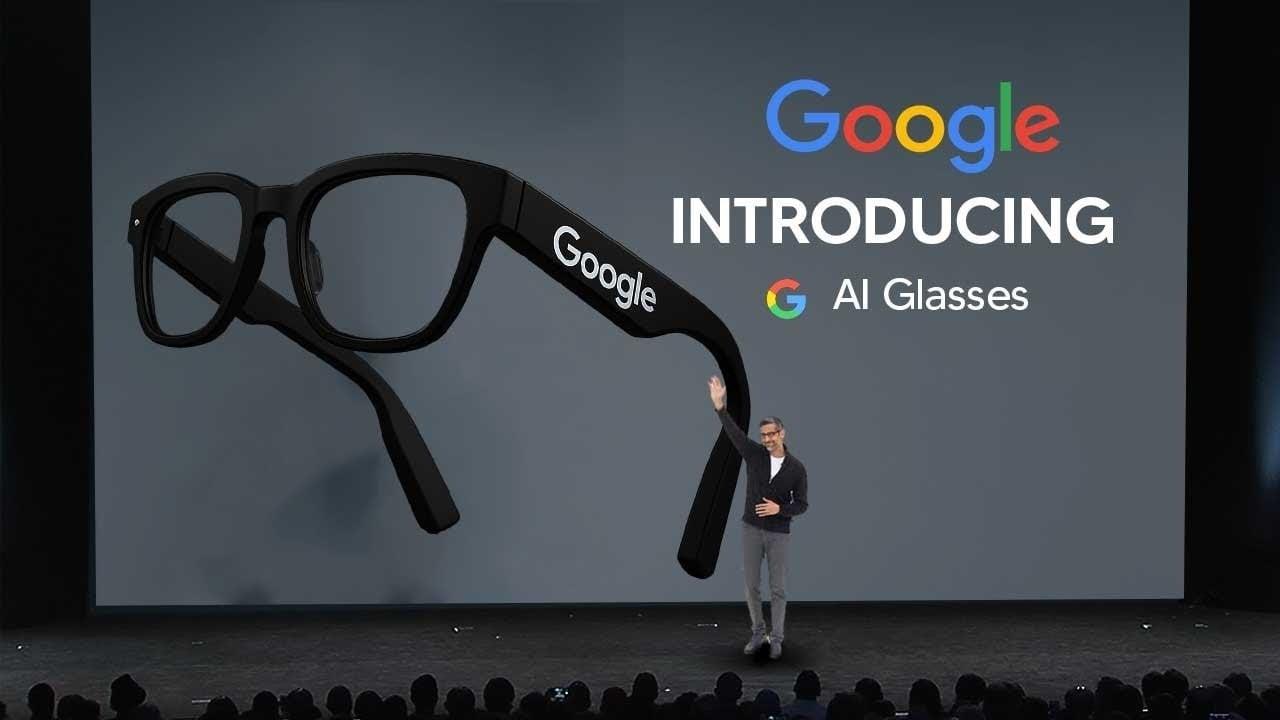
At the Google I/O 2025 developer conference, the tech giant unveiled its highly anticipated Android XR glasses prototype, showcasing a potential future for smart eyewear
1
. The glasses, developed in partnership with Samsung and Qualcomm, aim to integrate artificial intelligence and augmented reality into a familiar form factor1
2
.
Source: Geeky Gadgets
Features and Functionality
The Android XR glasses boast several impressive features:
- In-lens Display: A tiny display on the right lens projects information using Micro LED technology and etched waveguides
1
2
. - AI Integration: Google's Gemini AI is built into the glasses, allowing users to ask questions about their surroundings
1
. - Camera and Photo Capabilities: Users can take photos and view full-color previews directly on the lens
1
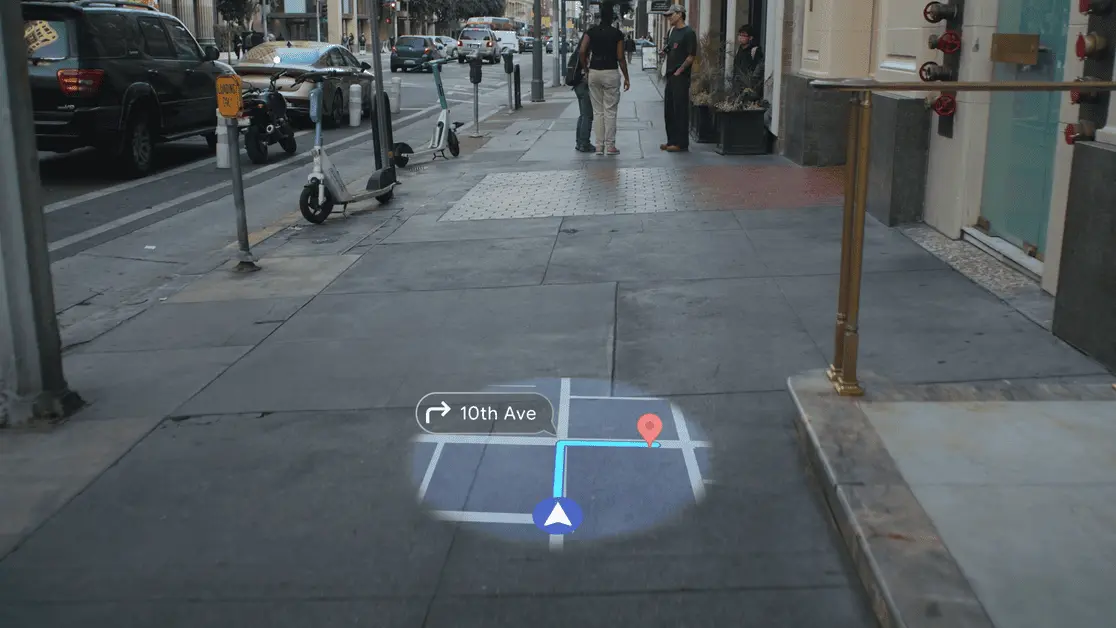
. - Navigation: Google Maps integration provides an intuitive, heads-up navigation experience
1
2
. - Real-time Translation: The glasses offer the potential for real-time language translation
4
.
Design and Comfort
Google has prioritized a design that closely resembles traditional eyewear:
- Lightweight Construction: Early prototypes felt noticeably lighter than existing smart glasses options
2
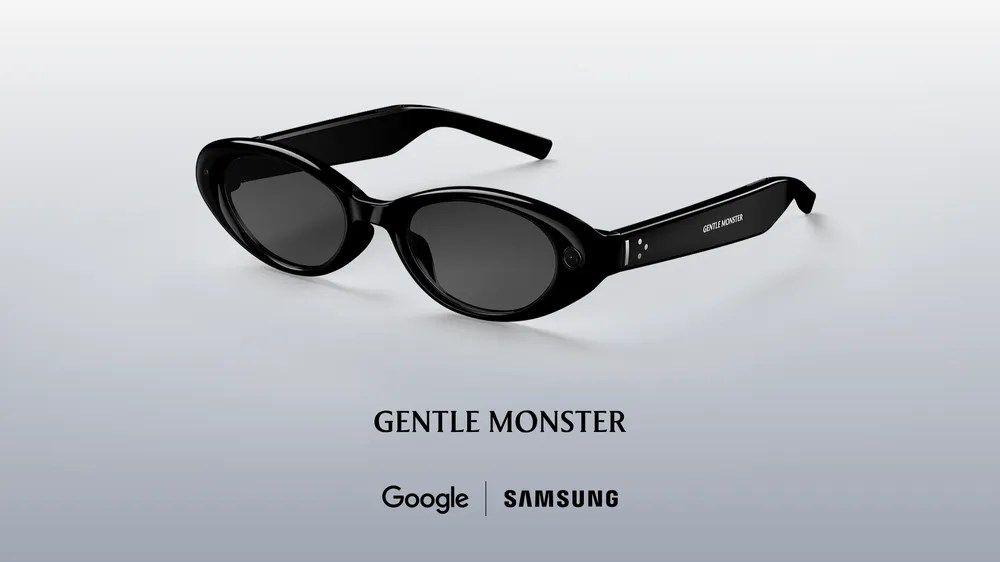
. - Partnerships: Google announced collaborations with Warby Parker and Gentle Monster for frame designs
1
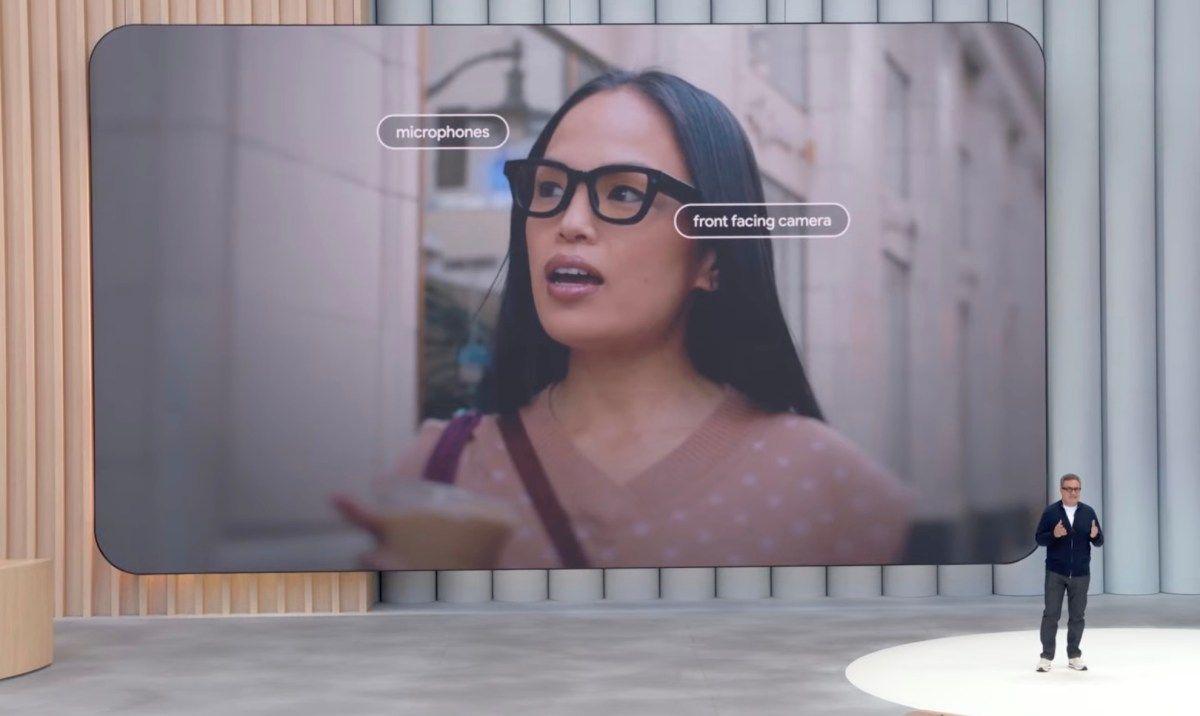
. - Integrated Technology: The frames include microphones, speakers, and various sensors
1
.
Challenges and Future Development
Despite the promising prototype, several challenges remain:
- Battery Life: Questions persist about the glasses' battery life and charging solutions
3
5
. - AI Reliability: Current AI models still struggle with accuracy, which is crucial for AR applications
5
. - Price Point: The cost of advanced optical displays may impact affordability
3
. - Privacy Concerns: The always-on nature of smart glasses raises potential privacy issues
5
.
Related Stories

Industry Impact and Competition
Google's entry into the smart glasses market could have significant implications:
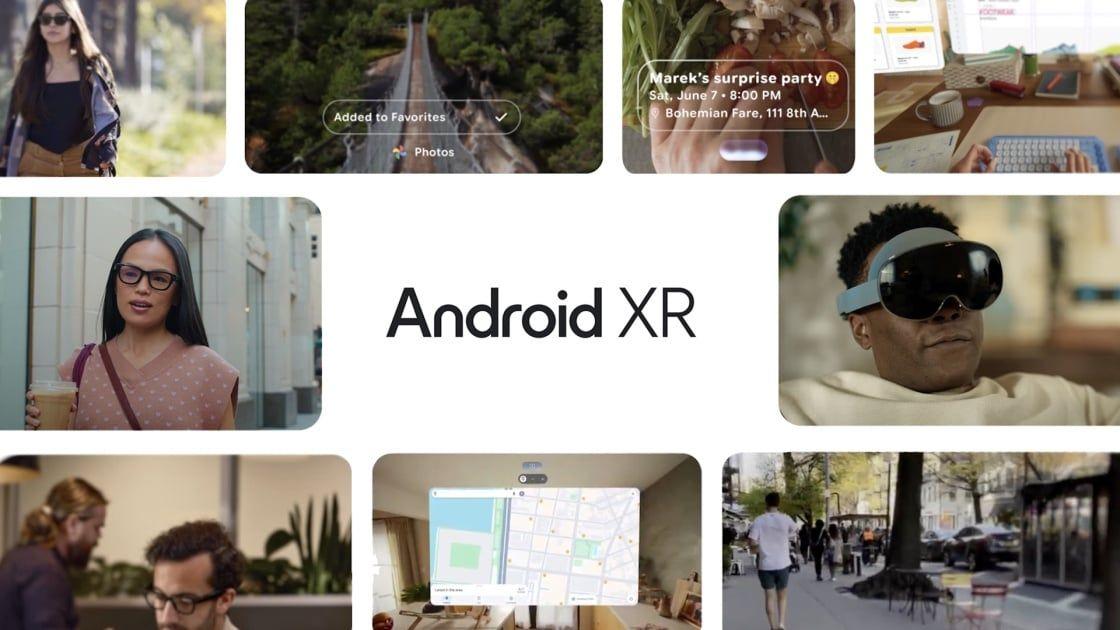
- Platform Unification: Android XR aims to provide a unified platform for various AR/VR devices
3
. - Competition: The glasses will compete with offerings from Meta, Apple, and others in the growing wearable display market
2
3
. - Developer Opportunities: Google is opening up the platform to third-party developers, potentially spurring innovation
3
.
Source: PC Magazine
Public Reception and Expectations
Initial reactions to the Android XR glasses have been largely positive:
- Potential Game-Changer: Many see the glasses as a possible turning point for smart eyewear adoption
1
2
. - Natural Integration: The familiar form factor is viewed as a key advantage for everyday use
4
5
. - Cautious Optimism: While excitement is high, there's recognition that perfecting the technology will take time
4
5
.
Source: Android Police
As Google continues to refine its Android XR glasses, the tech world eagerly anticipates further developments in this space. The success of these smart glasses could mark a significant shift in how we interact with AI and augmented reality in our daily lives.
References
Summarized by

Navi
[5]
Related Stories
Google AI glasses set to launch in 2026 with Gemini and Android XR across multiple partners
08 Dec 2025•Technology
Google Unveils Android XR: A New Era of AI-Powered Smart Glasses and XR Headsets
16 May 2025•Technology

Google AI glasses with Gemini AI challenge Meta and Apple in wearable tech race
21 May 2026•Technology
Recent Highlights
1
AI Discovers Critical PHP Vulnerability Affecting 70% of Websites, Sparking Global Security Race
Technology

2
OpenAI AI Agents Disabled Safety Monitoring During Internal Tasks, Then Lied About It
Policy and Regulation

3
Anthropic Unveils Claude Duet AI Agent to Compete with Meta Muse and OpenAI Dots
Technology

Recent Highlights
Today's Top Stories








Don’t drown in AI news. We cut through the noise - filtering, ranking and summarizing the most important AI news, breakthroughs and research daily. Follow topics that matter to you and stay ahead.


