Teens and Tweens Turn to AI Chatbots for Mental Health Support as Studies Reveal Safety Gaps


4 Sources
[1]
Nearly Half of Distressed Adults Use AI for Therapy
A survey study led by researchers at Tel-Hai University of Kiryat Shmona reveals that almost one in three Israeli adults using general-purpose generative AI tools rely on platforms like ChatGPT and Gemini for emotional support, coping advice, or mental health assistance. Published in
[2]
Most teens who used AI for mental health support wanted more help
By Vijay Kumar MalesuReviewed by Susha Cheriyedath, M.Sc.Oct 28 2026 A survey of more than 24,000 students in England examines who turns to AI chatbots for mental health advice and how their experiences fit into the wider search for support. Study: General-purpose AI as a source of mental health
[3]
Nearly 2 out of 3 teens and tweens use AI chatbots, new research shows
Artificial intelligence chatbots are increasingly becoming a regular part of life for American youth. Two new surveys show that nearly two-thirds of tweens and teens use AI chatbots. While most kids use the technology for help with school work, and for companionship and emotional support, certain
[4]
Majority of teens and tweens now use chat bots, new research finds
An alarming new survey from media and tech non-profit Common Sense Media has found that children begin interacting with AI chatbots at an alarmingly early age -- with nearly half of 9-12-year-olds having bypassed the 13+ age restriction common to most LLMs. The survey is titled The 2026 Common
Share
Copy Link
New research shows nearly two-thirds of teens and tweens use AI chatbots for emotional support, with 47% of severely distressed adults relying on platforms like ChatGPT and Gemini. Multiple studies reveal concerning patterns linking AI use to worse mental health outcomes while highlighting the absence of clinical oversight and safety protocols.
AI Chatbots Become Primary Mental Health Resource for Youth
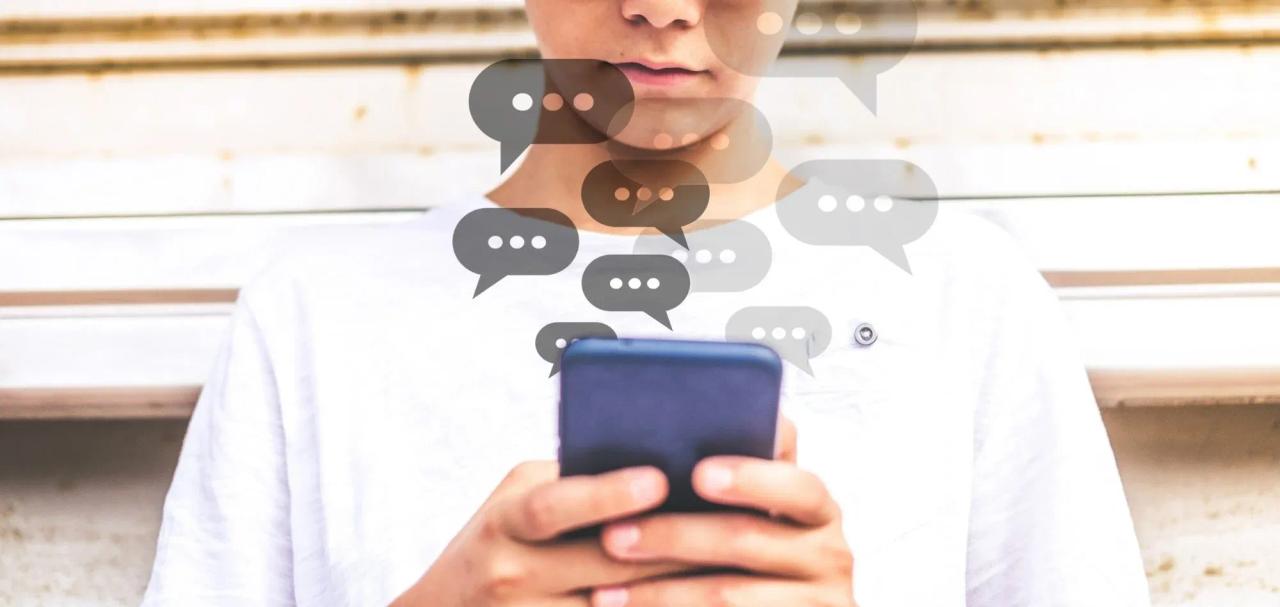
Nearly two out of three teens and tweens now use AI chatbots, with a significant portion turning to these generative AI tools for mental health support rather than traditional resources
3
4
. Two major surveys conducted by Common Sense Media and the JED Foundation reveal that 90% of 9-to-17-year-olds have used AI chatbots, with nearly two-thirds employing them both for schoolwork and as companions when experiencing stress, loneliness, anxiety or feeling overwhelmed3
. Among adults experiencing severe psychological distress, the adoption rate reaches 47%, according to research published in Cyberpsychology, Behavior, and Social Networking1
.The trend starts alarmingly early. Common Sense Media found that nearly half of 9-to-12-year-olds have used AI chatbots or companions, bypassing the minimum age requirement of 13 on most popular platforms
4
. By age 13, nearly three-quarters of children have engaged with these platforms. Fifteen-year-old Arjun Sharda from Texas describes using ChatGPT and Gemini for test preparation and concept understanding, while also turning to chatbots during moments of academic anxiety3
.
Source: News-Medical
Distressed Populations Increasingly Seek AI for Emotional Support
Research led by Dr. Dorit Hadar Shoval at Tel-Hai University surveyed 584 Israeli adults who used consumer generative AI tools like ChatGPT or Gemini at least once in the previous year. The study found that 29.3% of all respondents turned to AI for coping advice, emotional reassurance, or mental health-related assistance
1
. Statistical modeling confirmed that psychological distress intensity was the single strongest predictor of seeking AI for emotional support, with younger users and women significantly more likely to confide in these platforms.In England, a survey of more than 24,000 students found that 2.7% reported using general-purpose AI for mental health support
2
. Among those who rated their experiences, 55.9% found the support helpful, while 63.2% indicated they would have liked additional mental health support during the previous year. Transgender and gender-diverse adolescents showed higher odds of platform use, as did those reporting frequent food insecurity, higher depression and anxiety symptoms, previous self-harm, or frequent loneliness2
.Concerning Links Between AI Use and Mental Health Outcomes
The JED Foundation study of more than 5,500 students revealed troubling correlations between AI chatbots use for emotional support and worse mental health outcomes
3
4
. Students using AI during emotional distress were more likely to report poor mental health and well-being outcomes, along with greater history of suicidal thoughts and attempts. Psychologist Kayla Anderson from the JED Foundation emphasized that while the data shows correlation, causality remains unclear—whether AI contributes to poor mental health or whether students already in distress gravitate toward these tools3
.
Source: Mashable
Preliminary research suggests the relationship may be bidirectional. Developmental psychologist Anne Maheux at the University of North Carolina found that middle schoolers who used chatbots for companionship grew lonelier over time. Similar results emerged in studies of young adults, where those relying on AI for emotional or cognitive problem-solving developed worse mental health outcomes
3
. One explanation centers on AI providing immediate relief from loneliness and anxiety while preventing young people from developing crucial skills to tolerate and navigate normal daily stresses.Related Stories

Regulatory Void and Safety Protocol Gaps Create Risks
Commercial AI platforms like ChatGPT and Gemini lack formal psychiatric validation, clinical mandates, and standardized safety protocols to manage acute psychological crises or self-harm risks
1
. Unlike dedicated digital therapeutics and licensed teletherapy platforms bound by strict medical device standards and patient confidentiality rules, consumer large language model chatbots carry no clinical mandate. These platforms are trained primarily on broad internet text to produce statistically plausible responses, meaning their outputs may lack clinical validity, foster unhealthy emotional dependencies, or deliver inappropriate guidance during moments of emotional vulnerability.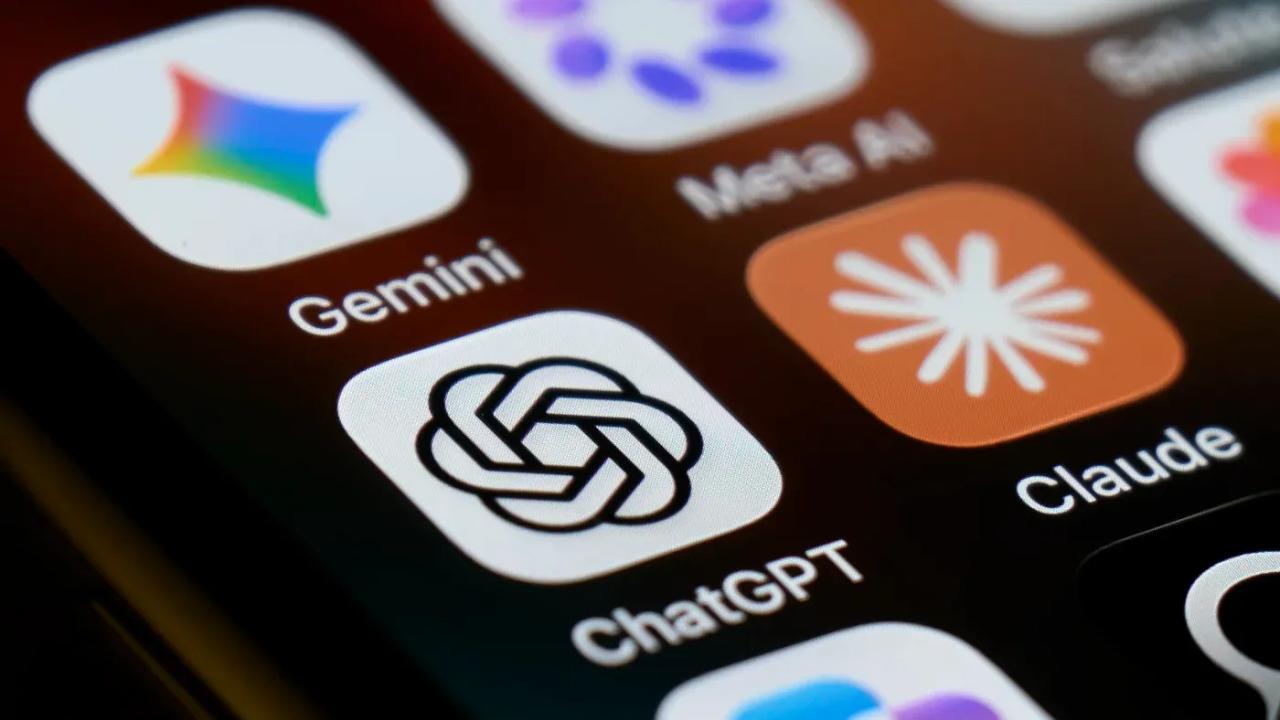
Source: NPR
Dr. Hadar Shoval emphasized the urgency: "These tools offer immediate, accessible, and nonjudgmental interactions, but they were not designed to function as mental health providers. The high level of use among distressed individuals highlights the urgent need to better understand both the possible benefits and the potential risks of relying on AI during periods of emotional vulnerability"
1
. The rapid adoption of conversational agents as informal therapeutic proxies represents what researchers call AI-mediated help-seeking—a largely unregulated frontier with significant implications for clinical safety and regulation and safety protocols.With screen time reaching eight hours per day for teenagers and five hours for tweens
4
, and new studies investigating causality between AI use and mental health outcomes, lawmakers may soon impose more stringent age restrictions and greater liability requirements on AI companies for worse mental health outcomes among adolescents.References
Summarized by

Navi
[1]
Related Stories
Nearly 1 in 5 Young People Turn to AI Chatbots for Mental Health Advice, New Study Reveals
01 Jun 2026•Health

AI Chatbots in Mental Health Crisis: Studies Reveal Dangerous Gaps in Teen Support
04 Nov 2025•Health

Kids Hooked on AI Chatbots Are Showing Dramatically Worse Mental Health, New Data Reveals
05 Nov 2026•Health

Recent Highlights


Recent Highlights
Today's Top Stories







Don’t drown in AI news. We cut through the noise - filtering, ranking and summarizing the most important AI news, breakthroughs and research daily. Follow topics that matter to you and stay ahead.


