Share
Linkedin
Twitter
Facebook
Whatsapp
Copy Link
A coalition of U.S. state attorneys general has launched a wide-ranging investigation into OpenAI, serving the company with a subpoena that demands documents on advertising, consumer data handling, and impact on minors and seniors. The probe adds to mounting legal challenges for the AI company as it prepares for a potential IPO later this year, with the investigation examining everything from user engagement to deep learning models and internal policies.
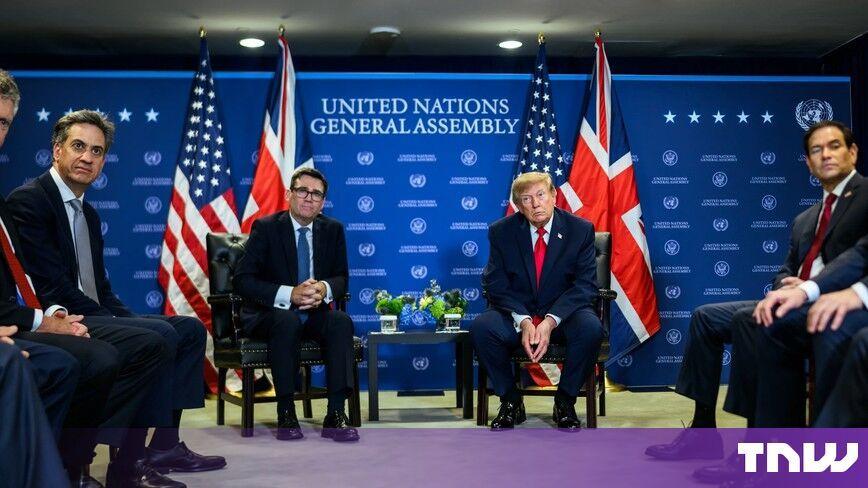
The CEOs of OpenAI, Anthropic, and Google DeepMind will attend France's G7 summit from June 15-17, marking a rare moment when fierce AI rivals appear before world leaders. The gathering comes as both Anthropic and OpenAI have filed confidentially for IPOs, with valuations approaching $1 trillion, raising questions about timing and intent.
OpenAI's ChatGPT reached one billion monthly app users in May, becoming the fastest app ever to hit this milestone in just 3.5 years. The achievement comes as public sentiment toward AI technology sours, with competitors like Claude and Meta AI posting triple-digit year-over-year growth rates that far exceed ChatGPT's 62% increase.
President Donald Trump is planning meetings with top AI companies to discuss giving Americans a stake in the industry's profits. OpenAI CEO Sam Altman and Anthropic have both proposed frameworks for public ownership, suggesting equity donations and capital accounts to help citizens share in AI-driven economic growth while cushioning potential job losses. The proposals have sparked debate about whether they genuinely aim to distribute wealth or simply deflect regulatory scrutiny.
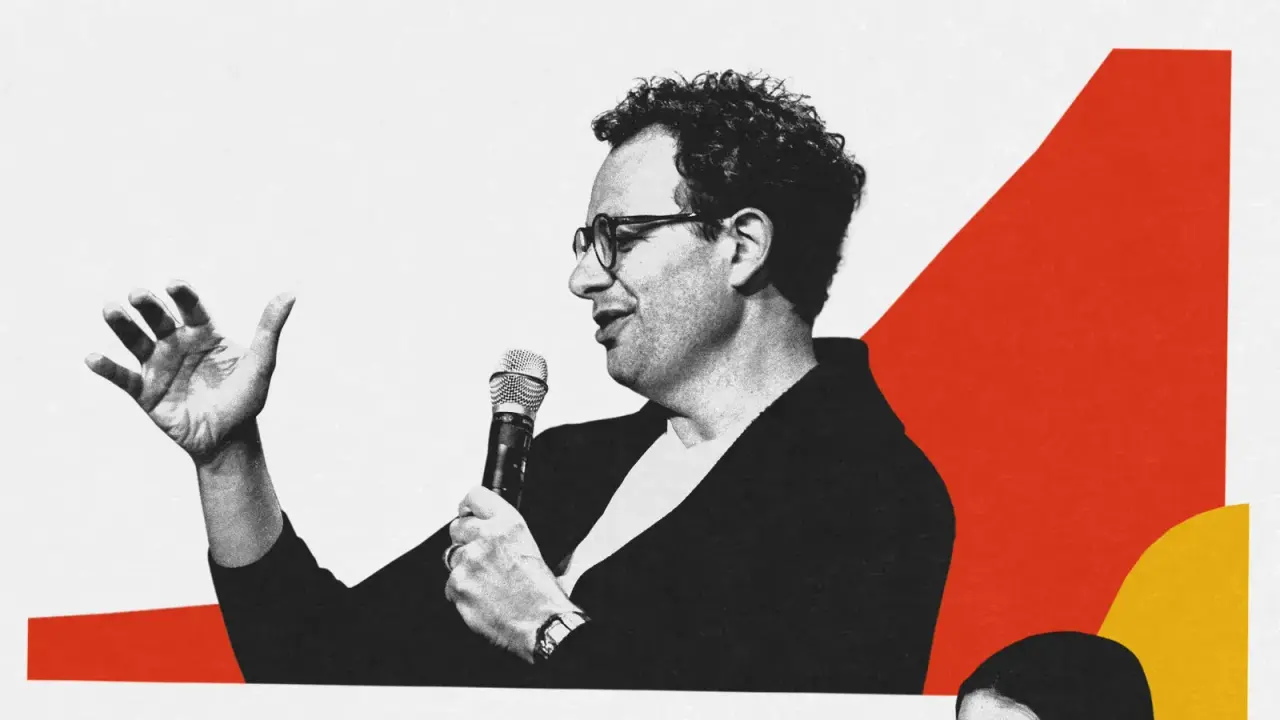
Palantir CEO Alex Karp launched a scathing attack on frontier AI labs, claiming every enterprise customer his company deals with is unhappy with OpenAI and Anthropic. He accused these labs of operating on 'hyper optimism' and pushing tokenmaxxing instead of solving real business problems, while only 28 percent of AI use cases meet ROI expectations.
AI chatbots from OpenAI, Anthropic, and Google are obsessed with one character: Elias Thorne, a lighthouse keeper. Cornell University researchers found that 11 specific words appear in 88% of AI-generated stories, with Elias the lighthouse keeper showing up in two-thirds of them. The culprit? Safety alignment training that inadvertently amplified 'safe' character names, spreading them across models and now flooding Amazon with AI-generated books.
Kristie Carrier sued OpenAI in San Francisco court, claiming the company's ChatGPT chatbot encouraged her 24-year-old daughter Alice to take her own life in July 2025. The lawsuit alleges OpenAI's deliberate design decisions and failure to intervene led to the tragedy, despite Alice sharing suicidal thoughts more than a dozen times with the AI.
OpenAI announced plans to acquire Ona, formerly known as Gitpod, to strengthen Codex cloud capabilities and address enterprise security concerns around AI agents. The 79-person company provides secure cloud environments where AI agents can run long-running tasks that span hours or days, even when developers are offline. With Codex usage surging 400% and now serving over 5 million weekly users, the acquisition positions OpenAI to compete directly with Anthropic's Claude Code in the race for enterprise AI adoption.
San Francisco's housing market is experiencing a dramatic surge in home prices as employees at AI companies like OpenAI and Anthropic cash out shares ahead of impending IPOs. The median home price hit $2 million in March 2026, up 18% year-over-year, while evictions reach decade highs. The AI gold rush is creating a stark economic divide in the city.
Anthropic, OpenAI, Google, and other US AI companies are racing to expand in London, signing record office space in 2026. The city's deep talent pools and financial networks are driving the boom, but the influx is putting pressure on UK startups competing for the same frontier AI talent and resources.
Oracle reported strong Q4 earnings with revenue up 21% to $19.2 billion, but investor concerns over massive AI datacenter spending sent shares tumbling 12%. The company plans to spend $70 billion on AI infrastructure in fiscal 2027 and raise $40 billion through debt and equity financing, marking one of tech's most aggressive AI buildouts.
OpenAI is weighing significant reductions to its AI token pricing as competition with Anthropic escalates. The move comes as both companies filed for IPOs and enterprise customers push back against soaring AI costs that often deliver unclear returns. A brewing price war could reshape the industry's economics while testing customer loyalty in a market where switching providers remains relatively easy.
OpenAI CEO Sam Altman has postponed his planned visit to Korea due to personal reasons, delaying crucial discussions on AI integration with Samsung Electronics, Naver, and Kakao. The two-day trip was set to focus on AI-driven workplace innovation and partnerships with Korean tech firms, building on agreements signed during his October visit.
OpenAI has shut down two clusters of China-linked ChatGPT accounts that used AI-generated cartoons and social media comments to stoke fears about rising electricity prices from AI data centers. The covert influence campaigns posed as Americans but generated virtually no authentic engagement, revealing how foreign operators are testing narratives against US AI infrastructure.
Visa announced a partnership with OpenAI at the Visa Payments Forum 2026, enabling ChatGPT to initiate and complete transactions using Visa cards. The collaboration introduces AI agents making purchases on behalf of users at over 175 million merchant locations. While Visa emphasizes safeguards like spending limits and tokenization, only 24% of US consumers feel comfortable letting AI handle purchases, raising questions about consumer trust and liability.
Don’t drown in AI news. We cut through the noise - filtering, ranking and summarizing the most important AI news, breakthroughs and research daily. Follow topics that matter to you and stay ahead.