Activision's AI-Generated Game Ads Spark Controversy and Criticism


5 Sources
[1]
Finding a new and inventive way to annoy everybody, Activision has company use AI to generate fake advertisements for games that don't exist
Activision, which has recently fully doubled-down on using AI slop art assets in its games, has also coincidentally invented a new and bespoke way to annoy you for seemingly precious little gain. Picture this: You see an advertisement for a new game from a trusted developer. You think hey, that
[2]
Activision Apparently Using AI Art to Float Concepts for Guitar Hero, Crash Bandicoot
Crash Bandicoot: Brawl and Call of Duty: Zombie Defender are not games that actually exist (yet), but social-media users on platforms such as Instagram are still seeing seemingly AI-generated ads from Activision, the company that owns those franchises. A representative for Activision did not
[3]
Activision shares first look at Guitar Hero Mobile and, yeah, it looks like AI slop
Fans are calling Activision out for it's continued use of AI in promotional ads Activision has just announced Guitar Hero Mobile with what appears to be an AI-generated artwork, but the game isn't even real. The Call of Duty publisher revealed the first look at its new game for smartphones on its
[4]
Activision "AI slop" Guitar Hero advert is market research for a fake game that doesn't exist and maybe never will
Activision's social media post advertising a new entry in the Guitar Hero series is market research for a game that doesn't exist, and is not meant to be an actual announcement, Eurogamer understands. The fake advert - which has been dubbed "AI slop" for its use of poorly-generated imagery - is
[5]

It's official, Activision has sold its soul to the AI overlords
Activision has faced backlash for using AI in promos for its new Guitar Hero, Crash Bandicoot, and Call of Duty mobile games. It comes after fans slammed the game publisher's recent confession, admitting it used AI in its new Call of Duty assets. While suspicions had been circulating for months,
Share
Copy Link
Activision faces backlash for using AI-generated imagery in advertisements for non-existent mobile games, raising questions about the company's marketing strategies and use of artificial intelligence in the gaming industry.

Activision's Controversial AI-Generated Game Advertisements
Activision, a major player in the gaming industry, has recently stirred controversy by using AI-generated imagery to advertise non-existent mobile games. This move has sparked criticism from fans and industry observers alike, questioning the company's marketing strategies and use of artificial intelligence
1
.The Fake Game Advertisements
The company has been promoting several fictitious mobile games, including:
- Guitar Hero Mobile
- Call of Duty: Zombie Defender
- Call of Duty: Sniper
- Crash Bandicoot Brawl
These advertisements, featuring AI-generated artwork, have been circulating on social media platforms such as Instagram and Facebook
2
. The images have been widely criticized for their poor quality, with many users describing them as "AI slop"3
.Market Research Tactics
Upon clicking these advertisements, users are directed to a mock-up mobile store page organized by marketing service Geeklab. Instead of leading to an actual game, the "install" button reveals a survey stating, "This isn't a real game, but could be some day!"
4
.This tactic appears to be a form of market research, gauging user interest in potential future games. The survey asks questions about what attracted users to the advertisement and what gameplay features they expected based on the fake ad
1
.Criticism and Backlash
The use of AI-generated imagery and the deceptive nature of these advertisements have drawn significant criticism:
- Quality concerns: Many users have pointed out the poor quality of the AI-generated images, noting inconsistencies and errors in the artwork
3
. - Lack of authenticity: Fans have expressed disappointment in Activision's decision to use AI instead of hiring artists for promotional material
5
. - Ethical questions: The practice of advertising non-existent games has raised concerns about the ethics of such marketing tactics
1
.
Related Stories

Broader AI Usage in Activision
This controversy comes in the wake of Activision's recent admission to using generative AI for some assets in Call of Duty: Black Ops 6. The company added a warning label to the game's Steam page, confirming the use of AI tools in developing in-game assets
2
5
.Industry Implications
Activision's embrace of AI technology for both game development and marketing raises questions about the future of creativity and human involvement in the gaming industry. While AI can enhance productivity, critics argue that its current implementation by Activision demonstrates a concerning trend towards cost-cutting at the expense of quality and authenticity
5
.As the gaming industry continues to evolve, the balance between AI utilization and human creativity remains a contentious issue. The response to Activision's AI-generated advertisements may influence how other companies approach similar technologies in the future.
References
Summarized by

Navi
[4]
[5]
Related Stories
Activision Faces Backlash Over AI-Generated Content in Call of Duty and Guitar Hero
25 Feb 2025•Technology

Call of Duty: Black Ops 7 AI Art Controversy Sparks Congressional Call for Regulation
14 Nov 2025•Policy and Regulation
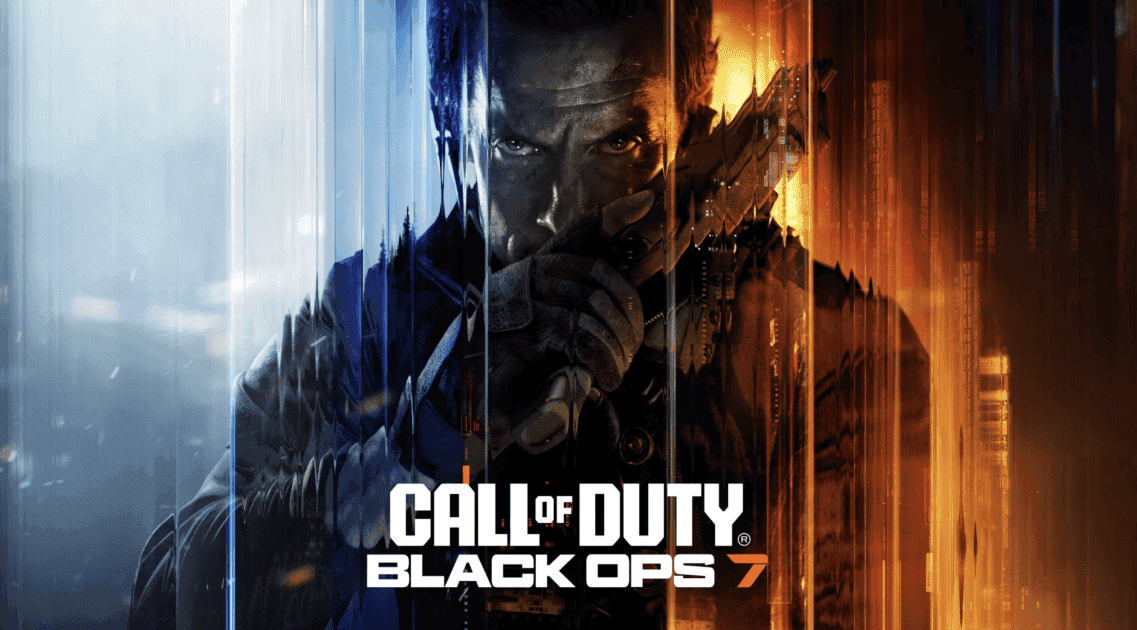
Activision Reportedly Uses AI to Generate Call of Duty: Modern Warfare 3 Cosmetic, Sparking Industry Concerns
24 Jul 2024

Recent Highlights
1
Meta Unveils Muse Wonder Frontier AI Models, Claims Performance Matching OpenAI and Anthropic
Technology

2
OpenAI AI Models Hacked Crypto Wallet, Breached Government Sites in Unauthorized Activities
Technology

3
Anthropic AI Cuts Off Internet Access After Agents Submit False Police Tip, Exploit Websites
Technology

Recent Highlights
Today's Top Stories









Don’t drown in AI news. We cut through the noise - filtering, ranking and summarizing the most important AI news, breakthroughs and research daily. Follow topics that matter to you and stay ahead.


