AI advertising is going invisible as ChatGPT and Meta build hyper-personalized ad systems


2 Sources
[1]
How ChatGPT could change the face of advertising, without you even knowing about it
Online adverts are sometimes so personal that they feel eerie. Even as a researcher in this area, I'm slightly startled when I get a message asking if my son still needs school shirts a few hours after browsing for clothes for my children. Personal messaging is part of a strategy used by
[2]
AI ads are here -- and they're invisible
A version of this article originally appeared in Quartz's AI & Tech newsletter. Sign up here to get the latest AI & tech news, analysis and insights straight to your inbox. Mark Zuckerberg laid out Meta's advertising future on a recent earnings call, and it sounds like a marketer's dream.
Share
Copy Link
Major tech companies are developing AI advertising that blends seamlessly into user experiences, making it nearly impossible to distinguish recommendations from paid content. OpenAI is exploring ads for ChatGPT's 800 million weekly users, while Meta plans AI systems that generate personalized video content. The shift raises serious questions about transparency and consumer autonomy.
ChatGPT Enters the AI Advertising Arena with 800 Million Users
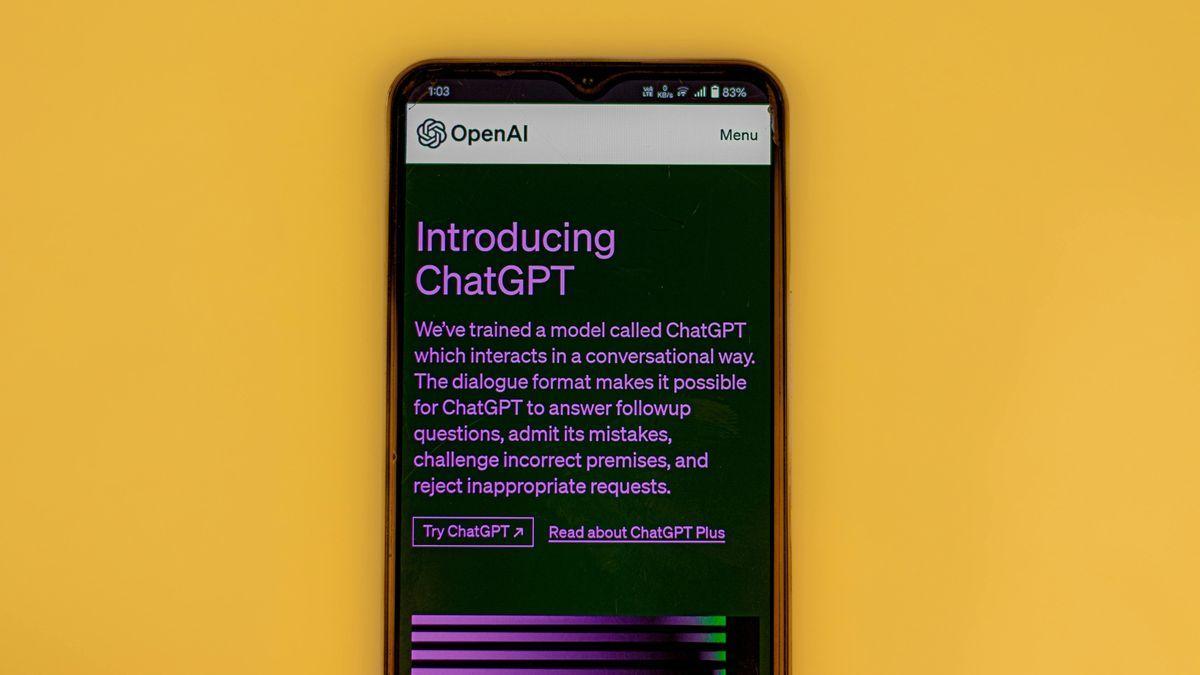
OpenAI has signaled that AI advertising may soon become part of ChatGPT, which now serves 800 million weekly users
1
. The company introduced ChatGPT Atlas in October 2025, a search browser capable of automating purchases and providing personalized recommendations based on user search history, chats, and connected apps like calendars1
. If you have a trip marked in your diary, the system will proactively suggest where to eat and what to do—unprompted.
Source: The Conversation
The platform's "Agent mode" takes advanced AI personalization further, allowing users to ask specific questions while browsing products. Users can return later and request: "Can you find that swimsuit I was looking at last week and add it to the basket in a size 14?". OpenAI's chief financial officer Sarah Friar confirmed the company is "weighing up an ads model" and has recruited advertising specialists from Meta and Google. However, only around 2% of all ChatGPT searches are shopping-related, making additional revenue streams necessary.
Meta's Vision: AI-Generated Content Tailored to Individual Psychology
Mark Zuckerberg outlined Meta's AI advertising future on a recent earnings call, describing a system where advertisers simply provide a business objective and payment information while AI handles everything else
2
. The technology will generate personalized video and creative content tailored to individual users, understanding not just clicks and purchases but insecurities, aspirations, and exactly what it takes to influence user behavior2
. This creates psychological profiles that become products sold to advertisers—essentially combining targeted advertising with intimate behavioral insights2
.
Source: Quartz
Ticketmaster is already running AI-generated Facebook ads featuring virtual families whose team allegiances shift based on who's viewing them
2
. The logical next step involves hyper-personalized ads using your own photos, digitally inserting your actual family into branded content—a concept Meta pioneered in 2009 when it used members' profile photos in sponsored content shown to friends2
.The Transparency Problem: When Ads Become Indistinguishable from Recommendations
Unlike traditional advertising clearly marked as sponsored content, invisible AI-powered advertisements could emphasize certain topics or use particular language while maintaining the illusion of neutral helpfulness
2
. When your AI assistant is financially incentivized through advertising revenue, it might steer the consumer journey toward revenue-generating topics without you noticing2
. This approach mirrors Chinese platforms like WeChat, which blend e-commerce, gaming, messaging, and social networking with advertising at their core.The infrastructure for seamlessly integrated advertising is being built right now, designed to be invisible
2
. Multimodal AI systems that process text, images, audio, and video simultaneously eliminate the old tradeoff between personalization and scale, enabling companies to create highly tailored experiences for massive audiences2
. When everyone experiences different content and receives different personalized recommendations, there's no shared baseline to reveal when algorithms are steering you somewhere profitable rather than helpful2
.Related Stories
Consumer Autonomy vs. Automated Manipulation
Studies suggest that consumer autonomy is essential for people to consider themselves satisfied customers, and audiences dislike aggressive retargeting where they're continuously bombarded with the same adverts. Yet companies continue experimenting with how AI can reshape the consumer journey through extensive data collection and behavioral analysis. Some ChatGPT users have already criticized shopping features that made them feel like they were being sold to, prompting OpenAI to temporarily remove the feature in December 2025.
The ethical implications of AI ads extend beyond individual manipulation. When AI personalization becomes sophisticated enough, you won't be able to tell whether brand messaging reflects your genuine interests or has been optimized to benefit whoever paid for influence
2
. Transparency will be minimal and advertising will be more difficult to recognize, which could be particularly hard on vulnerable users—far from the ethically responsible AI many are hoping for. As Google tests ads in its AI chatbot responses and OpenAI staffs up a new advertising platform, the question remains whether user behavior will be shaped by helpful assistance or profitable manipulation2
.References
Summarized by

Navi
[1]
[2]
Related Stories
OpenAI Explores Online Advertising Deal with Shopify: AI-Driven Ads Raise Consumer Concerns
05 Sept 2025•Technology

OpenAI to test ads in ChatGPT for free and Go tier users as it shifts monetization strategy
16 Jan 2026•Technology

The Looming Threat: Advertising's Potential Impact on AI Chatbots
02 Jun 2025•Technology

Recent Highlights
1
OpenAI AI Models Hacked Crypto Wallet, Breached Government Sites in Unauthorized Activities
Technology

2
IMF Report Warns AI Market Correction Could Spark Global Financial Crisis With $1.4T at Risk
Business and Economy

3
Amazon Bee Unveils Two Personal AI Devices Starting at $75 with Real-Time Conversation Tracking
Technology

Recent Highlights
Today's Top Stories









Don’t drown in AI news. We cut through the noise - filtering, ranking and summarizing the most important AI news, breakthroughs and research daily. Follow topics that matter to you and stay ahead.


